
Austria’s smallest city, perched on the western shore of Lake Neusiedl, where medieval walls and baroque architecture frame centuries of wine-making tradition.
At a glance
Rust is a statutory city in Burgenland with approximately 1,900 inhabitants, making it Austria’s tiniest municipality to hold city status. Granted royal free city privileges by the Hungarian crown in 1681, it remains an independent administrative district. The city sits near the Austrian-Hungarian border on the eastern Austrian steppe, its identity shaped equally by imperial history and viticulture.
History
The watershed moment came in 1681, when the Hungarian crown elevated Rust to royal free city status—a honour that granted it administrative autonomy and commercial privileges. This charter transformed a regional market town into a self-governing entity, a status it has maintained for over three centuries. Its location on the border made it a natural crossroads of Central European trade and culture.
What you see
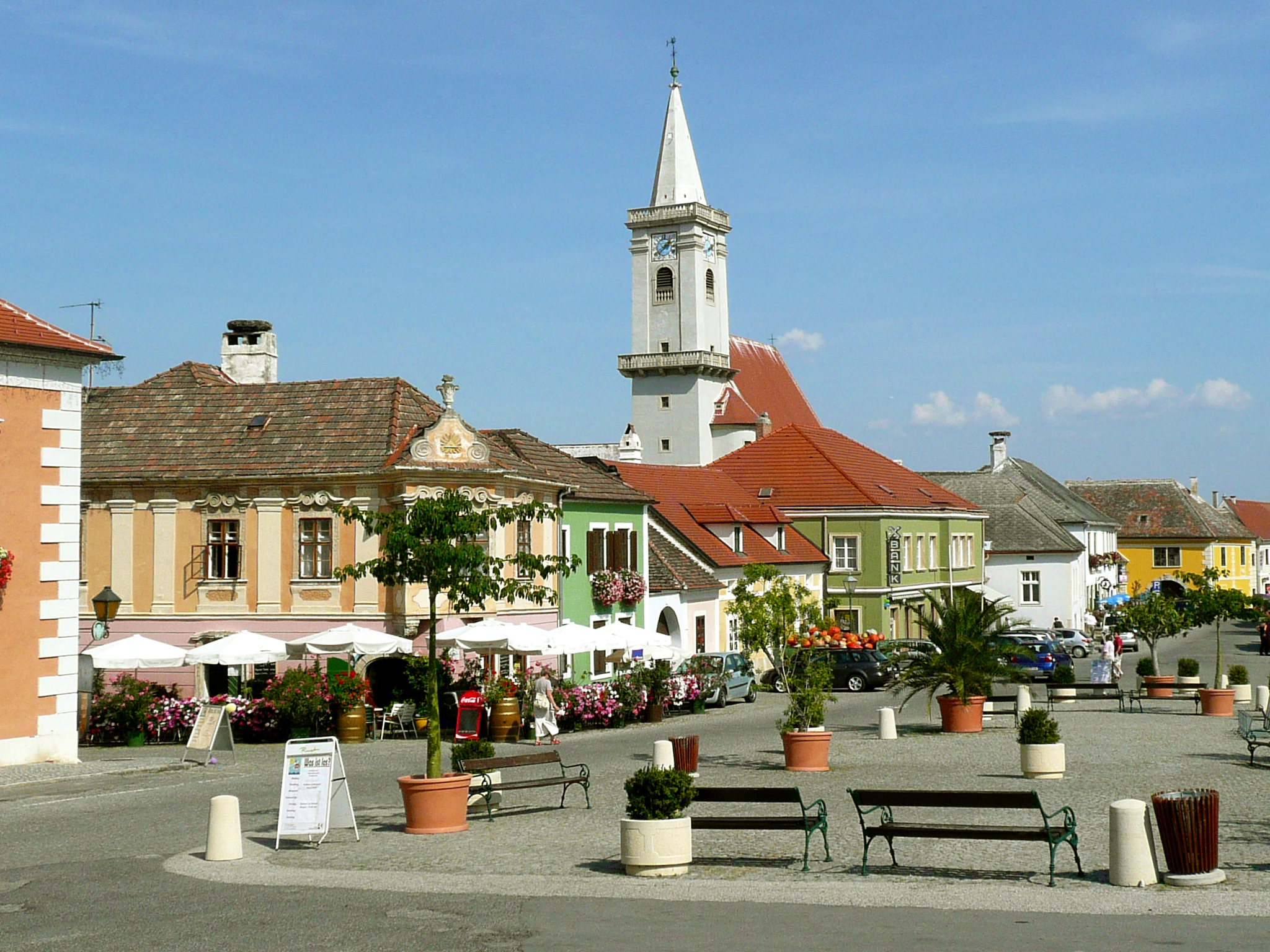
Medieval fortifications and baroque townhouses define Rust’s character. The city’s compact centre preserves narrow lanes and period buildings that reflect both Austrian and Hungarian architectural influences. Stork nests crown many roofs—a symbol of the town’s prosperity and stability.
Cultural significance
Rust’s reputation rests primarily on wine. The city is renowned for three distinctive styles: Beerenauslese, ice wine, and most notably Ruster Ausbruch—a botrytized dessert wine of international standing. The volcanic soils and microclimate of the Lake Neusiedl region create ideal conditions for these noble wines, making viticulture central to Rust’s identity and economy.
Key facts
- Country: Austria
- Region: Burgenland
- Population: approximately 1,900
- Status: Austria’s smallest statutory city
- Royal free city privileges granted: 1681
- Coordinates: 47.8°N, 16.67°E
- Notable for: Ruster Ausbruch wine, Beerenauslese, ice wine
Practical information & getting there
Rust lies on the western shore of Lake Neusiedl in Burgenland, near the Hungarian border. The town is accessible by road and rail from Vienna and other regional centres. The wine region welcomes visitors year-round, with autumn harvest season offering particular appeal to wine enthusiasts.
Sources & resources
Find it on the map
See this place and what’s around it →
📷 Become a Cultural Heritage Online photographer
Share your photos of places: they stay published under your name as the author. The more they're seen, the more you get noticed — and soon a contest will reward the most appreciated photos.
Log in or sign up free to add a photo