
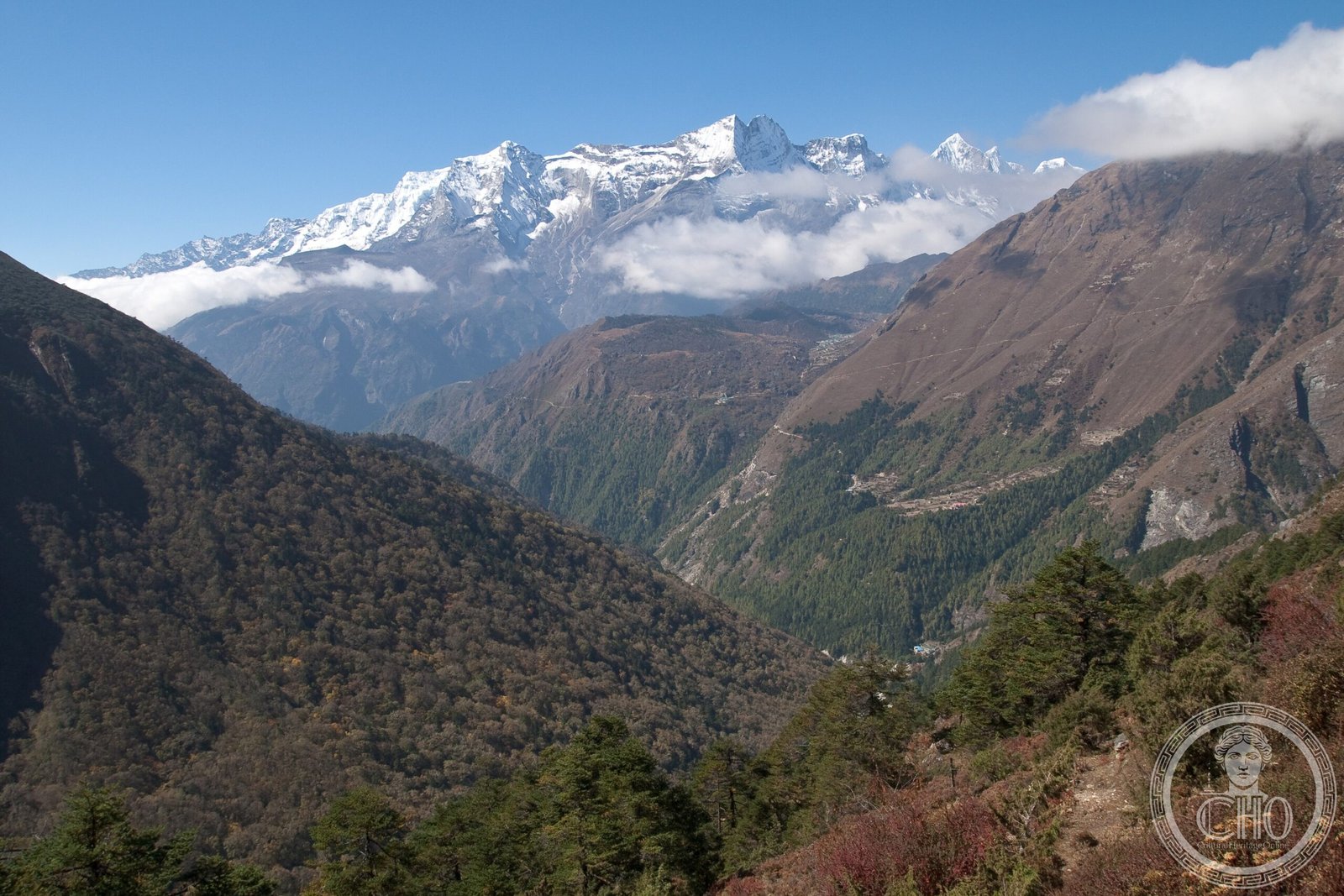
A vast protected landscape in the eastern Himalayas that encompasses Mount Everest and spans from subtropical valleys to the world’s highest peak.
At a glance
Sagarmāthā National Park covers 1,148 square kilometres across the Solukhumbu District, rising from 2,845 metres to 8,848 metres above sea level. The park’s dramatic elevation range creates distinct ecological zones, from forested slopes to alpine terrain. Mount Everest dominates the landscape as the park’s most renowned feature.
History
The park was established in 1976 as Nepal’s gateway to protecting its highest and most iconic mountain environment. It forms part of the larger Sacred Himalayan Landscape, an initiative recognising the region’s ecological and cultural importance. To the north, it borders China’s Qomolangma National Nature Preserve, while Makalu Barun National Park adjoins it to the east.
What you see
This is primarily a natural landscape rather than built heritage. The park encompasses diverse terrain: forested valleys fed by the Dudh Kosi river in the south, alpine meadows at mid-elevations, and the snow-clad peaks of Everest and surrounding mountains. Traditional Sherpa settlements and monasteries dot the lower elevations, reflecting centuries of human habitation adapted to extreme conditions.
Cultural significance
Sagarmāthā—the Nepali name for Mount Everest—holds profound spiritual significance for local Sherpa communities and Buddhists throughout the Himalayas. The park represents a critical conservation area protecting endangered alpine species and maintaining the cultural heritage of mountain peoples. Its designation as a UNESCO World Heritage Site recognises both natural and cultural value.
Key facts
- Country: Nepal
- Location: Solukhumbu District
- Area: 1,148 km² (443 sq mi)
- Elevation range: 2,845–8,848 m
- Established: 1976
- UNESCO World Heritage Site: Yes
- Coordinates: 27.93°N, 86.73°E
Practical information & getting there
The park is accessible from Kathmandu via Lukla, reached by flight or multi-day trek. Most visitors approach via the Khumbu region trekking routes. High altitude and extreme weather require proper preparation and acclimatisation. Permits are required; local guides familiar with mountain conditions are essential.
Sources & resources
Find it on the map
See this place and what’s around it →📷 Become a Cultural Heritage Online photographer
Share your photos of places: they stay published under your name as the author. The more they're seen, the more you get noticed — and soon a contest will reward the most appreciated photos.
Log in or sign up free to add a photo