
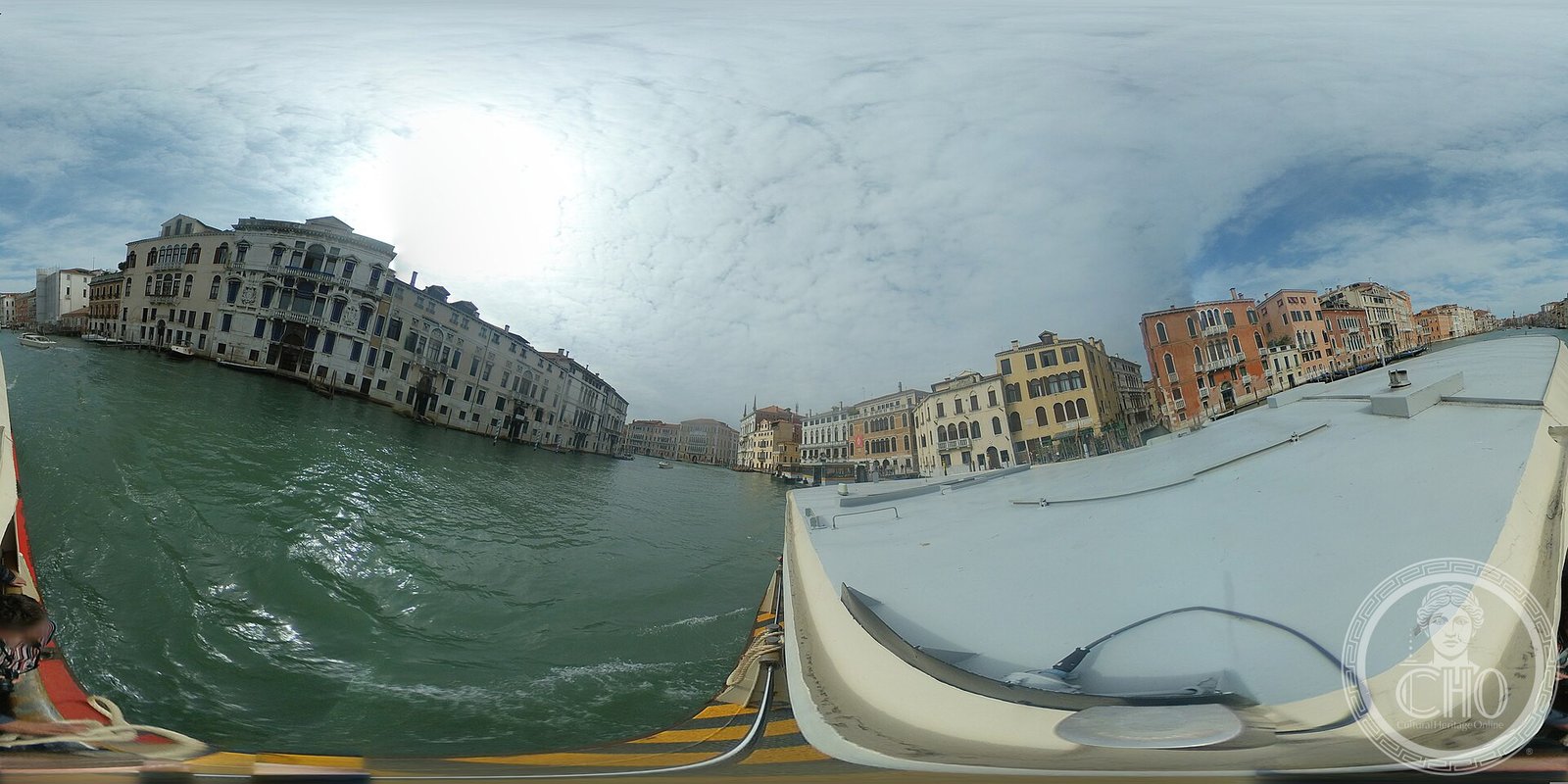
Grand Canal of Venice
The Grand Canal (Canal Grande) is the main waterway of Venice, winding for approximately 3.8 kilometres through the heart of the city in a reversed S-shape from the railway station of Santa Lucia to the Bacino di San Marco. Lined by more than 170 buildings — palaces, churches, and warehouses spanning seven centuries of Venetian architecture — it forms one of the most celebrated urban waterfronts in the world and the living artery of a UNESCO World Heritage Site.
At a glance
- Type
- Urban canal / principal waterway
- Period
- Medieval origins; continuous development 13th–18th century
- Style
- Venetian Gothic, Byzantine, Renaissance, Baroque (palaces lining the banks)
- Location
- Venice, Veneto, Italy (45.4352° N, 12.3284° E)
Overview
The Grand Canal divides Venice into two unequal halves and serves as the principal commercial and ceremonial route of the city, crossed by four historic bridges — the Rialto, the Accademia, the Scalzi, and the Costituzione. Its average width is about 30–90 metres and its depth ranges from 5 to 5.5 metres. The canal is navigated daily by vaporetti (water buses), gondolas, water taxis, and service boats, preserving the same maritime function it has performed since the Middle Ages.
History
The canal follows the course of an ancient river channel — possibly the Rivo Alto — that predates the city’s foundation. As Venice grew from a cluster of lagoon islands into a maritime empire, the Grand Canal became its commercial spine, lined with warehouses (fondaci) and patrician palaces built by families who controlled trade routes to the eastern Mediterranean. The Rialto Bridge, in various forms since the 12th century and rebuilt in stone between 1588 and 1591, long formed the canal’s only crossing. The regata storica, a ceremonial boat race held annually since the 14th century, continues to be staged on the Grand Canal each September.
What you see
A journey along the Grand Canal by vaporetto or gondola reveals an uninterrupted sequence of palaces in Venetian Gothic, Byzantine, Renaissance, and Baroque styles: Ca’ d’Oro (1428–1430) with its gilded Gothic tracery, Ca’ Rezzonico (17th century, Giorgio Massari), the Palazzo Grimani (1556, Michele Sanmicheli), and the baroque Ca’ Pesaro (1710, Baldassarre Longhena). The Basilica di Santa Maria della Salute marks the canal’s southern entrance with its dramatic dome. The water’s constant movement, the reflections of the facades, and the absence of wheeled traffic create an atmosphere unlike any other urban environment.
Cultural significance
The Grand Canal is inscribed as part of the Venice and its Lagoon UNESCO World Heritage Site (1987) and is among the most painted, photographed, and written-about urban scenes in history, from Canaletto’s 18th-century vedute to Thomas Mann’s Death in Venice. It remains the functional core of a living city that must balance the preservation of its unparalleled heritage with the pressures of mass tourism and acqua alta flooding.
Practical information
- Access
- By vaporetto (lines 1 and 2 follow the full length of the canal); by gondola; by water taxi
- Vaporetto line 1
- Stops at every landing stage — the classic slow route (approx. 45 min end-to-end)
- Vaporetto line 2
- Express, fewer stops (approx. 25 min)
- Tickets
- Single ticket or ACTV travel pass; check actv.it for current fares
Getting there
The Grand Canal is accessed from Venezia Santa Lucia railway station (Ferrovia vaporetto stop) at its north-western end, or from the Piazzale Roma bus terminus adjacent to it. From Venice Marco Polo Airport, take the Alilaguna waterbus directly to stops along the canal or to Piazza San Marco. All major vaporetto lines converge on the Grand Canal system.
Sources & resources
Find it on the map
See this place and what’s around it →📷 Diventa un fotografo di Cultural Heritage Online
Condividi le tue foto dei luoghi: restano pubblicate con la tua firma come autore. Più vengono viste, più ti fai conoscere — e presto un concorso premierà le foto più apprezzate.
Accedi o registrati gratis per aggiungere una foto