Senegal has seven UNESCO World Heritage Sites, ranging from one of the Atlantic’s most haunting colonial islands to megalithic stone circles shared with a neighbouring country and national parks sheltering some of West Africa’s rarest wildlife. Five are recognised for their cultural significance; two for their natural value. Together they map a country whose recorded past stretches from prehistoric funerary monuments through the height of the trans-Atlantic slave trade to the living cultures of the Bassari and Fula peoples of the interior. From Cultural Heritage Online.
Why Senegal’s list looks the way it does
Senegal’s UNESCO list reflects three broad currents: the Atlantic coast’s role in global trade and the slave trade, the deep interior’s prehistoric and ethnographic record, and the ecological richness of its river deltas and savanna parks. The country was an early adopter of the World Heritage Convention, submitting its first inscription in 1978, well before many of its West African neighbours had begun the nomination process.
Five cultural and two natural designations across seven sites is a modest but coherent tally for a country of Senegal’s size. The tentative list holds a further eight nominations — including several colonial-era sites in Saint-Louis and the historic city of Ziguinchor — which suggests the list will expand over the coming decade as dossiers mature.
The first inscriptions
Senegal’s engagement with UNESCO recognition began early, and the first three inscriptions arrived within a short span that established the country’s credentials on both cultural and natural fronts:
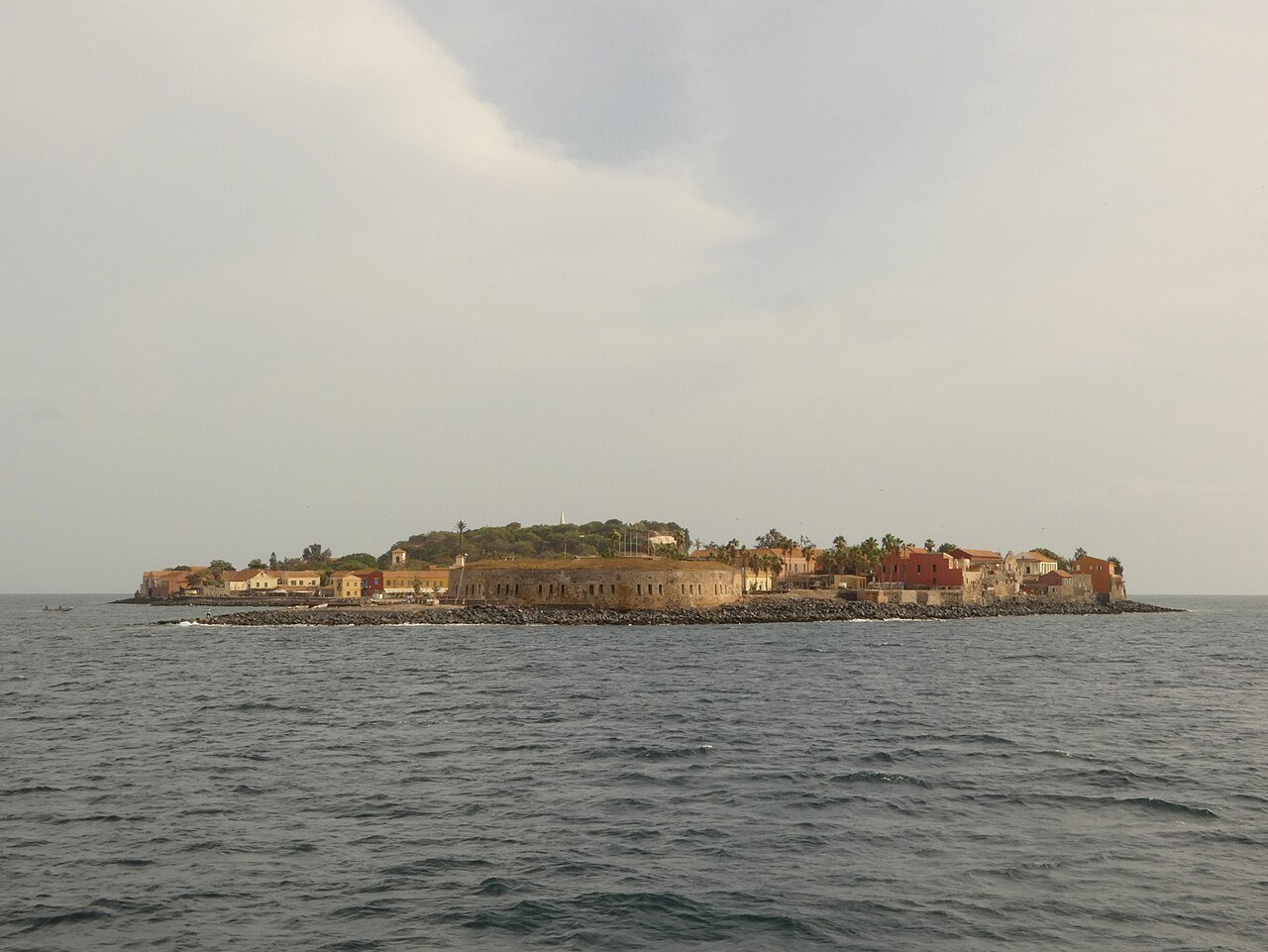
- Island of Gorée (1978) — the first Senegalese site on the World Heritage List, inscribed for its role as the largest slave-trading centre on the African coast from the fifteenth to the nineteenth century.
- Djoudj National Bird Sanctuary (1981) — a wetland sanctuary in the Senegal River delta, recognised as one of the first bird sanctuaries in the world.
- Niokolo-Koba National Park (1981) — a vast savanna reserve along the Gambia River, inscribed the same year as Djoudj and placed on the List of World Heritage in Danger in 2007 due to poaching pressure and a dam project upstream.
The 1978 inscription of Gorée was, in particular, a statement of intent: the site was among the earliest World Heritage designations on the entire African continent, and it remains the most internationally recognised point on Senegal’s cultural map.
The most visited — and the alternatives
Gorée draws the largest number of visitors, and understandably so. The island sits just a short ferry ride from Dakar and concentrates centuries of Atlantic history into a few narrow streets and the sombre rooms of the House of Slaves. Its scale is intimate, which makes the weight of what happened there all the more immediate.
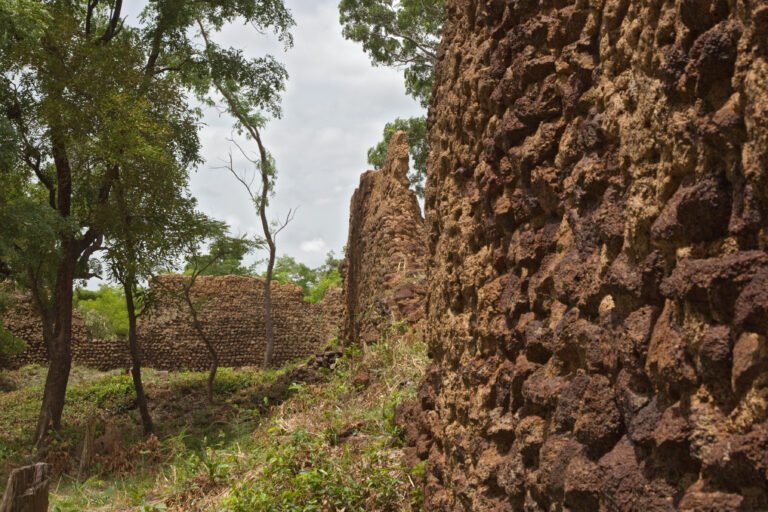
For travellers willing to look beyond Gorée, however, the list offers quieter and equally compelling destinations. The Island of Saint-Louis, inscribed in 2000, preserves a nineteenth-century colonial grid anchored by the Faidherbe Bridge, built in 1897, and once the capital of French West Africa. The Saloum Delta (2011) carries a different kind of depth: coastal societies practising fishing and shellfish gathering have, over centuries, built shell mounds some several hundred metres long, creating a layered archaeological and ecological landscape at the mouth of the Saloum River. The Stone Circles of Senegambia (2006) are among the most atmospheric prehistoric monuments in West Africa — laterite megaliths averaging two metres in height, quarried and arranged across the savanna in a tradition that spans roughly 1,500 years.
Natural and shared sites
Both of Senegal’s natural World Heritage Sites lie in the north and east of the country. Djoudj National Bird Sanctuary, in the Senegal River delta near Saint-Louis, protects a critical stopover for millions of migratory birds crossing the Sahara each year. Niokolo-Koba National Park, in the south-east, remains one of the largest protected areas in West Africa and shelters lions, elephants, hippos and the Derby eland — though its endangered status underscores the ongoing pressure on the region’s biodiversity.
The Stone Circles of Senegambia is Senegal’s only transnational inscription, shared with The Gambia. The serial nomination groups four large stone circle sites spanning both countries, recognising that the monument tradition extended across a cultural landscape that predates modern borders. The most recently inscribed site on the list, Bassari Country (2012), is a serial cultural landscape in south-east Senegal encompassing three distinct areas — the Bassari–Salémata, the Bedik–Bandafassi, and the Fula–Dindéfello — each associated with living communities whose agricultural practices, initiation rites and settlement patterns have remained largely continuous for centuries.
How to find them
Senegal’s seven sites are distributed across a wide geographic range, from Gorée and Saint-Louis on the coast to Niokolo-Koba and Bassari Country deep in the interior. Practical logistics vary considerably: Gorée is accessible by ferry from Dakar in under half an hour, while Bassari Country requires ground transport into the Fouta Djallon foothills. Saint-Louis is a comfortable day’s drive north of Dakar along the N2 highway.
Senegal’s World Heritage sites sit alongside thousands of other places on CHO’s interactive map, with GPS and sourced editorial history for each. See also our guides to Italy’s and France’s UNESCO sites, and our piece on cultural travel beyond mass tourism.
Frequently Asked Questions
How many UNESCO World Heritage Sites does Senegal have?
Senegal has seven UNESCO World Heritage Sites, of which five are cultural and two are natural. The country also maintains a tentative list of eight further nominations currently under preparation or review.
What was Senegal’s first UNESCO World Heritage Site?
The Island of Gorée was Senegal’s first UNESCO World Heritage Site, inscribed in 1978. Located off the coast of Dakar, it was recognised for its central role as a major hub of the trans-Atlantic slave trade from the fifteenth to the nineteenth century.
Does Senegal have any transnational UNESCO World Heritage Sites?
Yes. The Stone Circles of Senegambia is a serial inscription shared between Senegal and The Gambia. It encompasses four groups of megalithic circles quarried from laterite rock and represents a funerary tradition that flourished in the region over approximately 1,500 years.
What is the most recently inscribed UNESCO World Heritage Site in Senegal?
Bassari Country, inscribed in 2012, is Senegal’s most recent UNESCO inscription. It is a serial cultural landscape in south-east Senegal associated with the Bassari, Bedik and Fula peoples, recognised for the continuity of their agricultural, ceremonial and architectural traditions.
Sources used in this article
- UNESCO — State Party Senegal — World Heritage list.
- UNESCO — Senegal: World Heritage Sites.
- CHO magazine — What is a World Heritage Site?
- CHO — Interactive map of heritage sites.