
This ancient Greek temple rises from a hilltop in northwestern Sicily, a monument to the refined Elymian civilization and its complex negotiations between Greek, Punic, and Roman powers.
At a glance
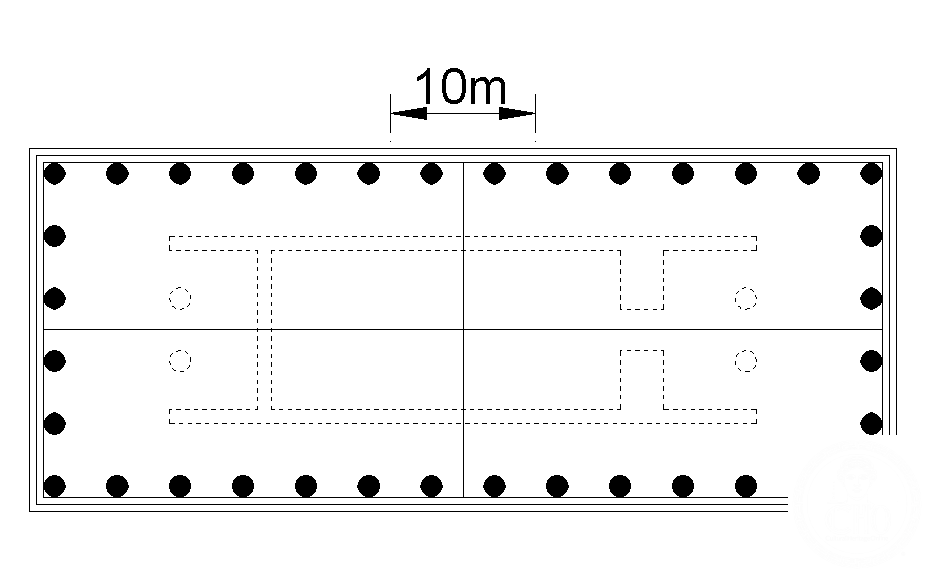
The Temple of Segesta stands as the most iconic structure of Segesta, the principal Elymian city of ancient Sicily. Dating to the 5th century BC, it dominates a dramatic hillside landscape shared with a classical theater. The temple represents the cultural sophistication and political autonomy the Elymians maintained across centuries of shifting Mediterranean alliances.
History
According to legend, Segesta was founded by Trojan survivors led by Aeneas, who established a colony before continuing to Rome. Archaeological research has yet to conclusively verify such connections to Asia Minor, though the Elymians clearly maintained their own identity while absorbing influences from Greek Sicily.
Segesta developed into a powerful city, often in conflict with the neighboring Greek colony of Selinunte. Strategically, it cultivated alliance with the Carthaginians while resisting subordination to Greek dominance. In 260 BC, perceiving Rome’s rising power and invoking shared Trojan ancestry, Segesta switched allegiance to Rome. The Romans rewarded this decision by exempting the city from taxation and granting it significant political autonomy and territorial control.
What you see
The temple commands attention as one of Segesta’s primary monuments, complemented by the site’s classical theater and the sanctuary of the Mango district. These structures embodied worship, civic representation, and political authority.
Beyond these principal works, visitors encounter the articulated defensive walls including the Porta di Valle, residential quarters, and later medieval features—walls, a castle, a mosque, and a hilltop village—that chronicle Segesta’s continuous occupation through the Islamic period and beyond.
Cultural significance
Segesta exemplifies the Elymian achievement: a refined indigenous culture that negotiated its survival among competing imperial powers without surrendering autonomy. The temple and theater testify to artistic and civic sophistication that rivaled the great Greek centers of Sicily. The city’s strategic choice to ally with Rome, framed through legendary Trojan kinship, illustrates how ancient Mediterranean powers used mythology to legitimize political alliances and territorial arrangements.
Key facts
- Address: Contrada Barbaro, SR 22, 91013 Segesta, Calatafimi, Sicilia
- Coordinates: 37.94144343682197, 12.832320928573608
- Official site: Segesta Archaeological Park
- Phone: +39 0924 952356
- Website: https://www.segestawelcome.com/main/segesta-parco-archeologico/
Practical information
The Segesta Archaeological Park encompasses the temple, theater, and sanctuary sites across the hilltop landscape. Opening hours and admission fees are available through the official website. Plan several hours to explore the monuments and pathways; comfortable walking shoes are essential.
Getting there
The archaeological park is located near Calatafimi in northwestern Sicily, accessible via SR 22. Check the official website for parking information, public transport options, and detailed directions from nearby towns.
See the place
Sources & resources
Find it on the map
See this place and what’s around it →📷 Become a Cultural Heritage Online photographer
Share your photos of places: they stay published under your name as the author. The more they're seen, the more you get noticed — and soon a contest will reward the most appreciated photos.
Log in or sign up free to add a photo