
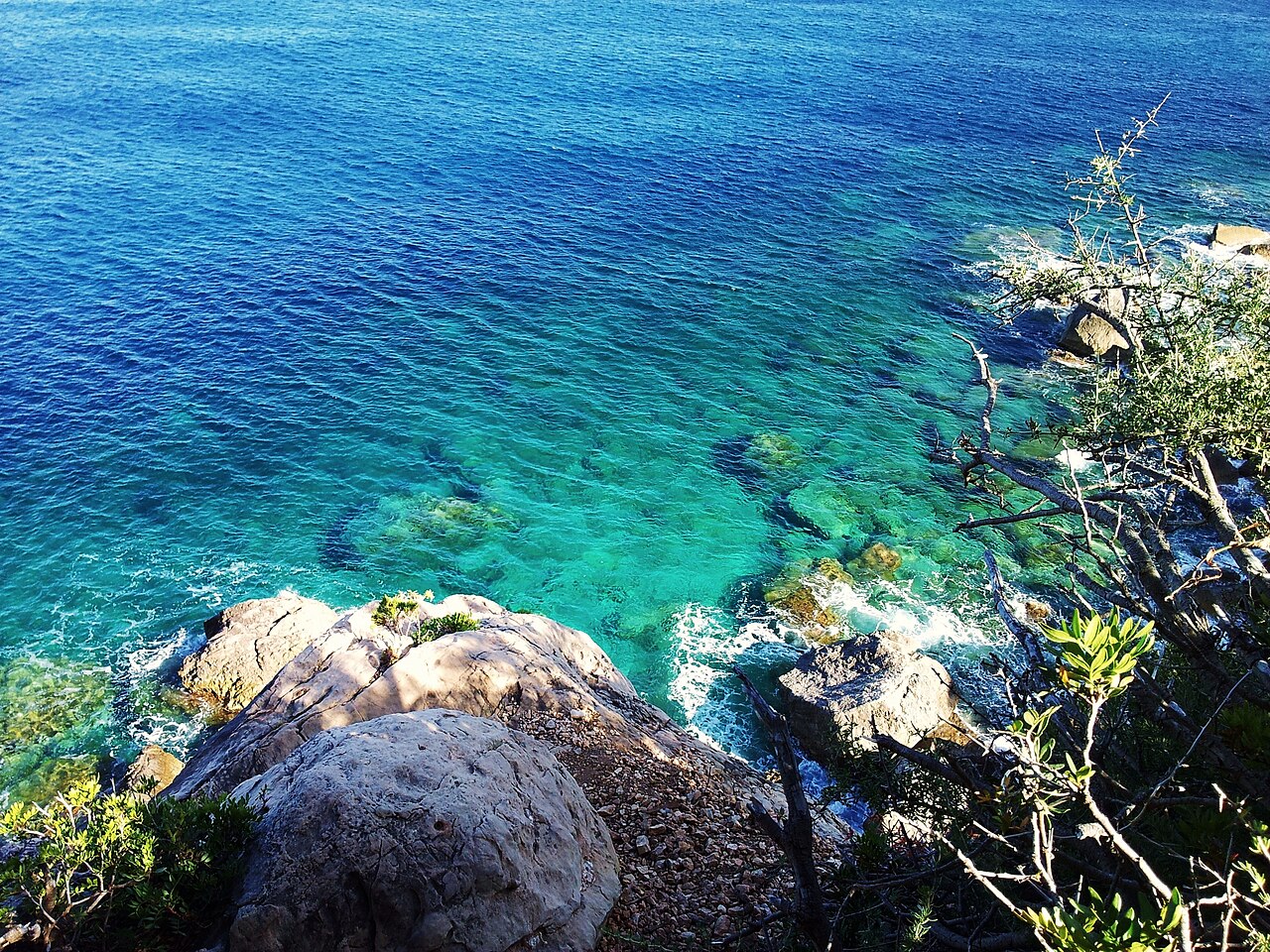
A medieval agricultural town on Sardinia’s eastern coast, Lotzorai sits within an amphitheater formed by Mount Oro and overlooks the Ogliastra archipelago, a striking landscape of granite islets and pristine beaches.
At a glance
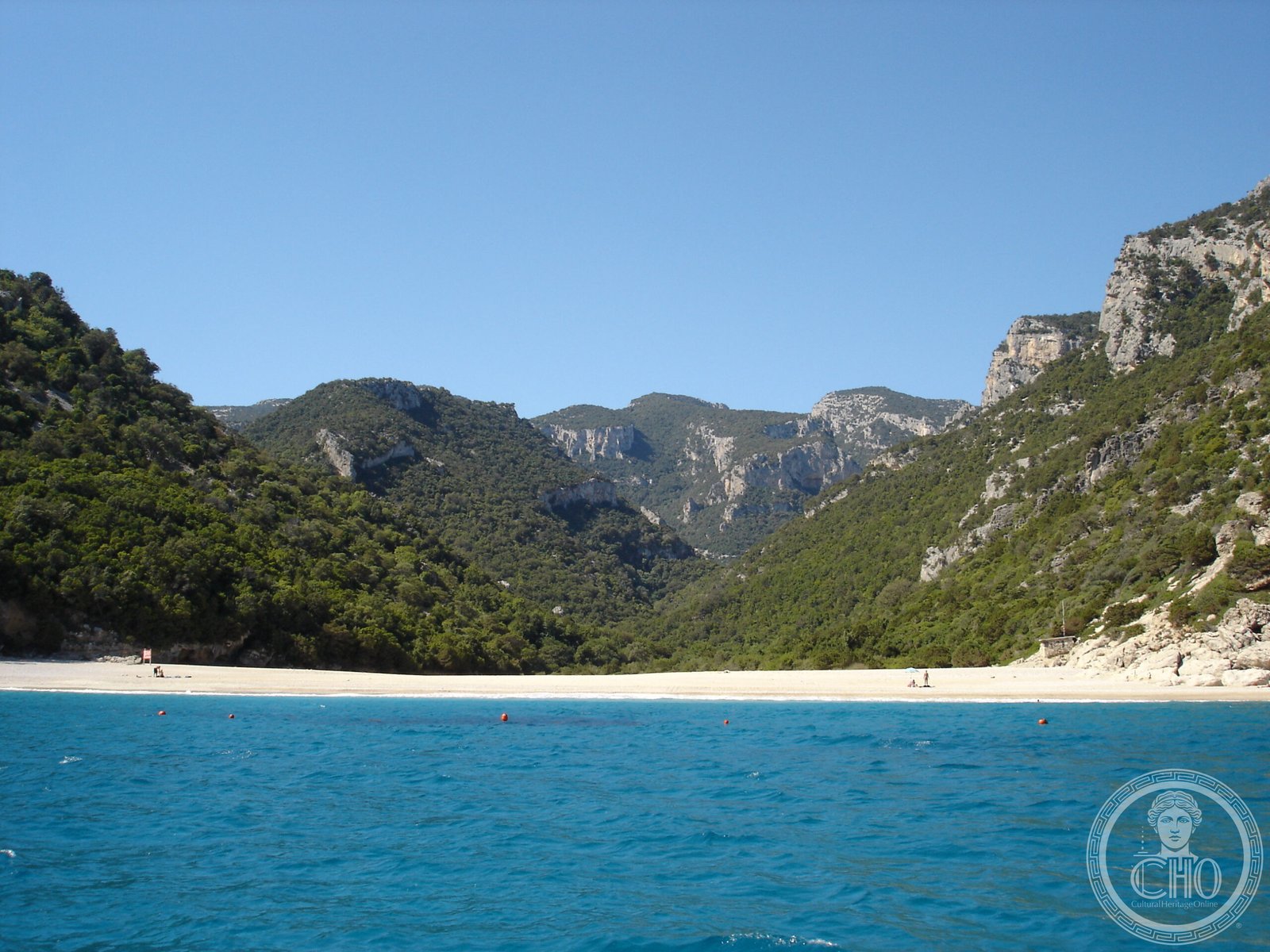
Lotzorai is a small coastal settlement in northeastern Ogliastra, one of Sardinia’s most visually dramatic regions. The town sits one kilometer from the Tyrrhenian Sea and five kilometers from Tortolì-Arbatax, framed between the Gennargentu peaks and the water. Its seven-kilometer coastline hosts several named beaches, including Pollu, Lido delle Rose, and Iscrixedda, alongside a network of rural architecture, agricultural lands, and coastal lagoons.
History
The original settlement dates to the medieval period, when it formed part of the curatoria of Ogliastra within the giudicato of Cagliari. Medusa Castle, perched on a hill at the village entrance, was built perhaps in the 13th century on remains of Phoenician-Punic construction, though its origins remain obscure. Evidence of much earlier habitation abounds: the necropolis at Funde ‘e Monti contains approximately twenty domus de Janas (2700–1800 BC) carved into rock, while the nuraghe Orzudeni and pre-Nuragic finds in the forest of su Padentinu testify to prehistoric occupation. Granite-hewn dwellings at su Tancau-sa Murta add further archaeological depth to the landscape.
What you see
The historic center preserves a medieval layout of narrow, winding streets lined with large rural houses featuring substantial courtyards—characteristic of communities built on agricultural economies. Surrounding the town are vegetable crops, citrus and olive groves, and vineyards. The parish church of Saint Helen, at the village center, represents the main religious structure and is celebrated annually at the end of August. Offshore lies the islet of Ogliastra, actually a small three-islet archipelago of pink granite and red porphyry. Its largest isle, covered with vegetation and inhabited by cormorants and gulls, rises to approximately 50 meters and bears a statue of the Madonna of Ogliastra by sculptor Pinuccio Sciola—a focal point for pilgrims and the site of the Feast of Our Lady Queen of Peace each late July, marked by boat processions.
Cultural significance
Lotzorai represents a living example of Sardinian rural medieval settlement patterns and maritime heritage. The Ogliastra archipelago, once legendary shelter for sailors, remains integral to local spiritual and recreational life. The Madonna statue and July feast exemplify the region’s religious traditions, while the surrounding archaeological sites document continuous human presence from the Neolithic through the medieval period. The landscape itself—caught between mountain and sea—embodies the geographical drama for which Ogliastra is recognized throughout Sardinia.
Key facts
- Address: via Mameli 22, 08048 Lotzorai
- Coordinates: 39.8264356, 9.48658
- Population: over 2,000
- Phone: 0782 600900
- Website: http://www.provinciaogliastra.gov.it/provincia/
Practical information
Lotzorai serves as a base for sea and nature activities, with accommodation and catering facilities available along the coast. The islet of Ogliastra is accessible by canoe or paddleboat on calm days, or by boat departing from Arbatax or Santa Maria Navarrese. The region supports trekking, mountain biking, and rock climbing. Hours and admission details are not listed; contact the provincial office or check the official website.
Getting there
Lotzorai lies on the eastern coast of central Sardinia, approximately five kilometers south of Tortolì-Arbatax, the nearest port. From Arbatax, you can reach the village by road or arrange boat transport to the archipelago and beaches. The town is accessible via the provincial road network serving the Ogliastra region.
Sources & resources
Gallery
Find it on the map
See this place and what’s around it →📷 Become a Cultural Heritage Online photographer
Share your photos of places: they stay published under your name as the author. The more they're seen, the more you get noticed — and soon a contest will reward the most appreciated photos.
Log in or sign up free to add a photo