
A Roman colony turned Christian metropolis, Aquileia stands as one of the ancient world’s most strategically important ports—and the subject of enduring legends about hidden treasure.
At a glance
Aquileia was established in 181 BC as a Roman colony and became the capital of the X Augustan region. Its position as a major port on the Adriatic made it a natural gateway for trade and—according to tradition—a refuge for spiritual treasures. Today the town has approximately 3,308 inhabitants and covers 36 square kilometers.
History
Founded as a strategic military and commercial outpost, Aquileia grew into one of the largest cities of the Roman Empire. Between 34 and 41 AD, tradition holds that Joseph of Arimathea arrived at its river port, choosing Aquileia for its reduced customs controls and safe harbor. The city became the metropolis of the Christian church in the region.
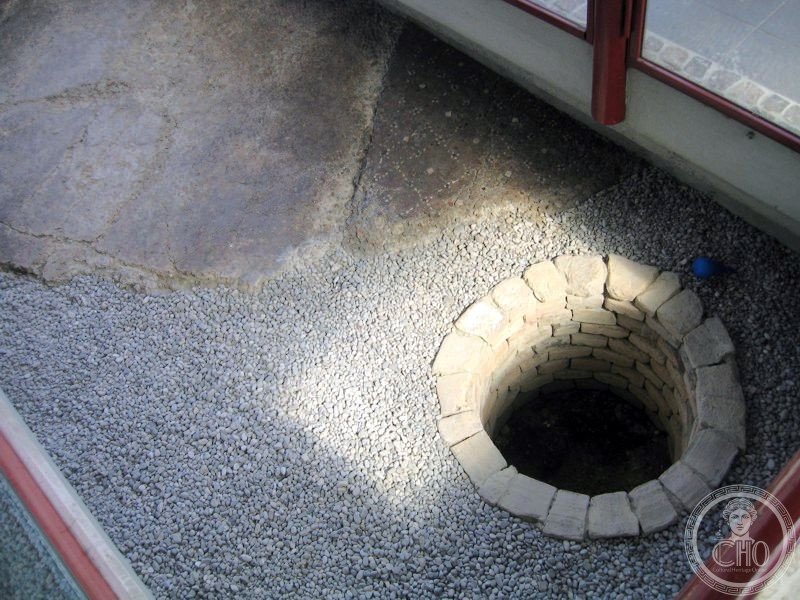
In 452 AD, as Attila’s forces advanced toward the city, legend claims Aquileia’s treasures were hidden in a well called the Puteum aureo (“golden well”). Though the treasure was never discovered, property contracts in Aquileia have historically included clauses addressing its potential discovery—a practice that persisted into the modern era.
Cultural significance
Aquileia’s importance extends beyond its Roman past. Tradition associates the city with the Holy Grail itself—the cup from which Christ drank at the Last Supper. According to legend, this relic was among the treasures concealed in the Puteum aureo, and knowledge of its location was supposedly guarded by the Patriarchs of Aquileia, explaining their historical power and prestige.
The Puteum aureo legend appears in other northern Italian cities of Roman foundation, suggesting these stories reflect broader patterns of how communities preserved memory during times of crisis. The persistence of treasure clauses in land contracts reveals how deeply such narratives shaped local law and custom.
Key facts
- Address: P.zza Garibaldi, 7
- Province: Udine
- Region: Friuli-Venezia Giulia
- Area: 36 km²
- Population: approximately 3,308
- Patron saint: Ermacora of Aquileia
- Founded: 181 BC
- Coordinates: 45.768, 13.369
- Phone: +39 0431 916911
- Official website: comune.aquileia.ud.it
Practical information
Opening hours and ticket prices change through the year, so we do not republish them here: the current ones are on comune.aquileia.ud.it. What does not change is where it is: P.zza Garibaldi, 7, at 45.76816909999999, 13.368719899999974.
Getting there
Aquileia is located in the province of Udine in northeastern Italy. For directions and transportation options, visit the official website or use mapping services. The town’s position near historical trade routes makes it accessible by road from major regional centers.
See the place
Sources & resources
Find it on the map
See this place and what’s around it →📷 Become a Cultural Heritage Online photographer
Share your photos of places: they stay published under your name as the author. The more they're seen, the more you get noticed — and soon a contest will reward the most appreciated photos.
Log in or sign up free to add a photo