
Mole Antonelliana
A soaring symbol of Turin and Italy, this 167.5-meter tower was the world’s tallest masonry building for nearly two decades. Now home to one of Europe’s most important cinema museums.
At a glance
The Mole Antonelliana dominates Turin’s historic center with its striking vertical presence. Originally conceived as a synagogue, it became a civic monument to national unity and today functions as a major cultural institution dedicated to cinema history.
History
The Jewish community of Turin purchased land on the Contrada del Cannon d’Oro in 1848, following the Albertine Statute that granted religious freedom to non-Catholic faiths. Architect Alessandro Antonelli designed the temple, with construction beginning in 1863. Rising costs and delays led the Israelite community to transfer the incomplete structure to the Municipality of Turin in 1873. The city assumed completion and rededicated the building as a monument to King Vittorio Emanuele II, inaugurating it in March 1888.
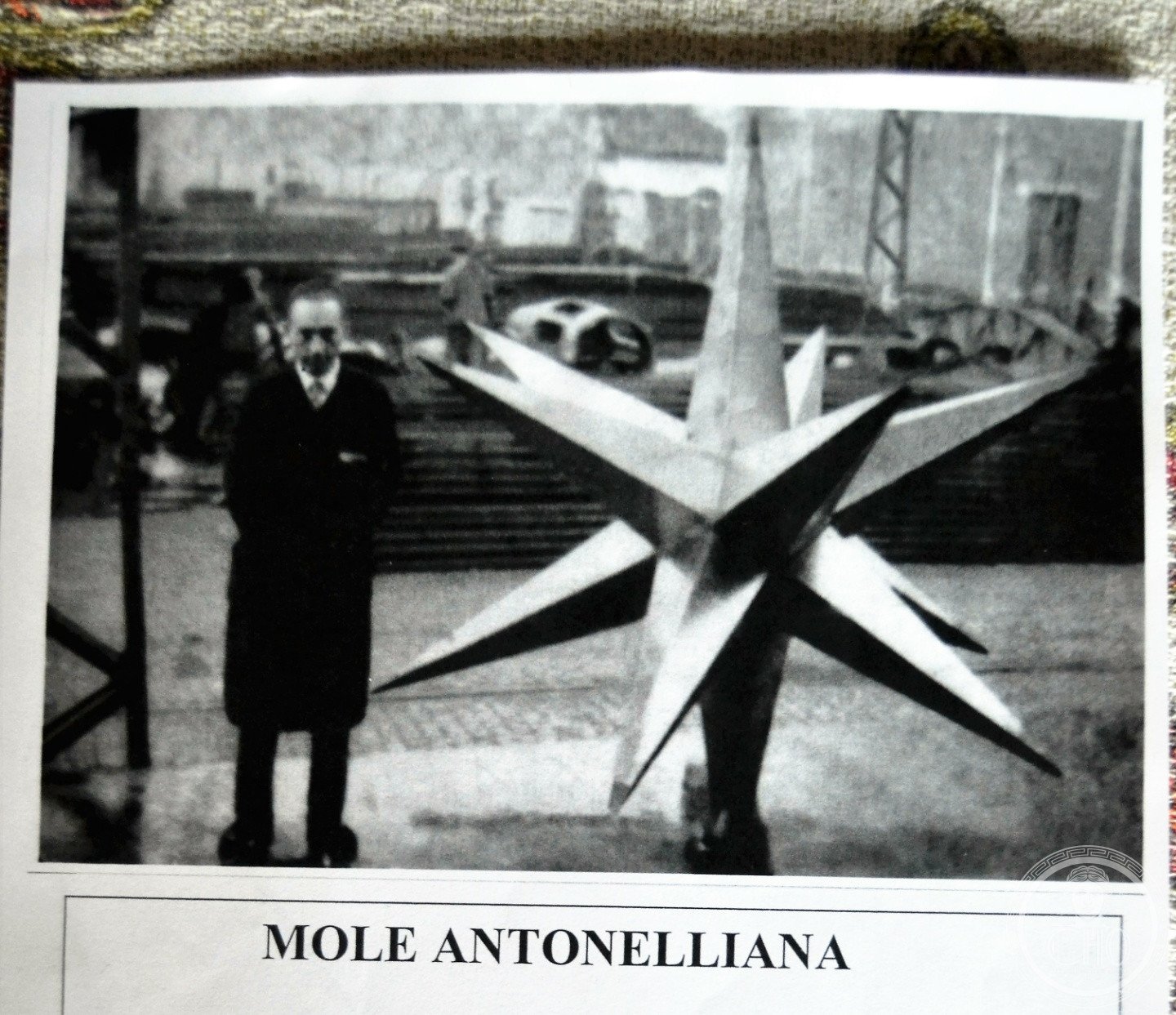
From 1889 to 1908, the Mole held the distinction of world’s tallest masonry building at 167.5 meters. On 11 August 1904, a copper Winged Genius statue crowning the summit was struck by lightning during a storm, yet miraculously remained balanced on the terrace below. In 1906, engineer Ernesto Ghiotti replaced it with a five-pointed star. Architect Annibale Rigotti oversaw interior decoration from 1905 to 1908.
The Mole housed the Museum of the Risorgimento from 1908 until its relocation to Palazzo Carignano in 1938. It served as a venue for temporary exhibitions until 2000, when it became a permanent museum dedicated to cinema.
What you see
The tower’s defining feature is its extraordinary height achieved through masonry construction. The original five-pointed copper star, approximately four meters in diameter, crowns the structure. Originally lit by gas lamps, the Mole was among the first buildings to feature nighttime illumination.
While the exterior retains its masonry character, twentieth-century renovations introduced reinforced concrete and steel beams internally, ensuring structural stability and modern functionality. The interior spaces, decorated by Rigotti, support the building’s transformation into a museum.
Cultural significance
The Mole Antonelliana exemplifies the intersection of religious, civic, and national identity in nineteenth-century Italy. Its evolution from synagogue to national monument reflects the complex cultural landscape of the Risorgimento period. The structure stands as a symbol of Turin and of Italy itself, recognized internationally as an architectural achievement.
Today’s Cinema Museum positions the Mole as a center for film heritage and contemporary cinema culture, cementing its role as a living monument rather than a static historical artifact.
Key facts
- Height: 167.5 meters (world’s tallest masonry building, 1889–1908)
- Architect: Alessandro Antonelli
- Interior decoration: Annibale Rigotti (1905–1908)
- Inaugurated: March 1888
- Current use: Museum of Cinema
- Address: Via Montebello, 20, 10124 Turin
- Phone: 011 813 8560
- Website: museocinema.it
Practical information
The Mole Antonelliana houses the National Cinema Museum, one of Europe’s major institutions dedicated to film history and culture. Opening hours and admission fees are available on the official website. The museum’s exhibits span cinema’s history and contemporary practice.
Getting there
The Mole is located in Turin’s historic center on Via Montebello. Public transportation serves the area; consult local transit maps for current routes and schedules. Detailed directions and visitor information are provided on the museum website.
Sources & resources
Find it on the map
See this place and what’s around it →📷 Diventa un fotografo di Cultural Heritage Online
Condividi le tue foto dei luoghi: restano pubblicate con la tua firma come autore. Più vengono viste, più ti fai conoscere — e presto un concorso premierà le foto più apprezzate.
Accedi o registrati gratis per aggiungere una fotoDo you manage this place?
This page is read by travellers and heritage enthusiasts who find it on Google. Keep it accurate — and make it work for you. Free for non-profit heritage institutions.