
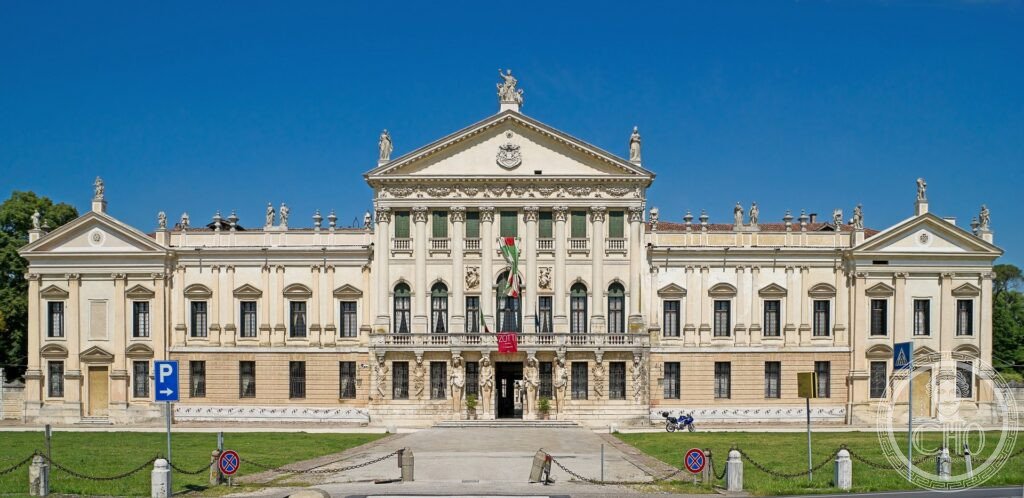
Il labirinto di siepi di villa Pisani — 1600 m di percorso in 1,6 ettari — ha ospitato Napoleone, i Savoia e il giovane Mussolini come ospiti della stessa villa dove Gianbattista Tiepolo ha dipinto la più grande apoteosi veneziana del Settecento.
At a glance
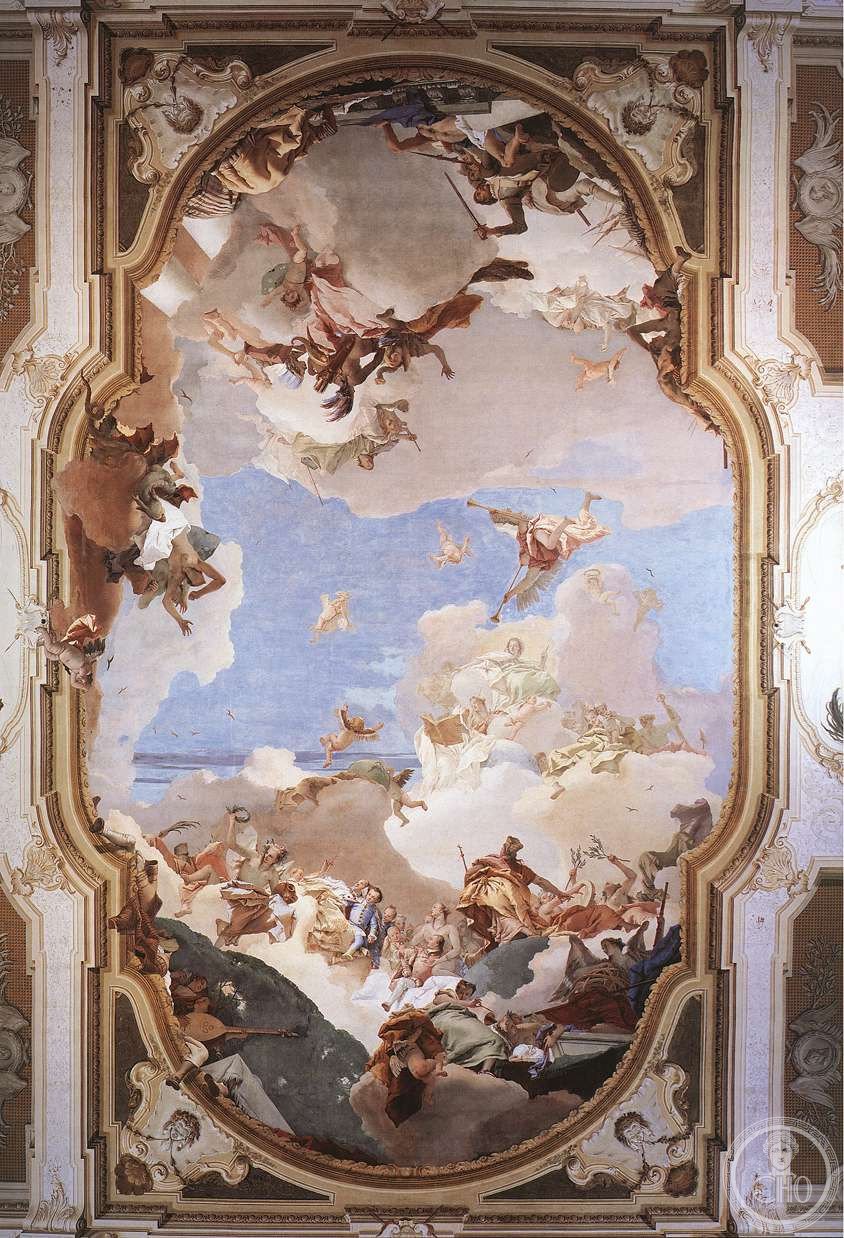
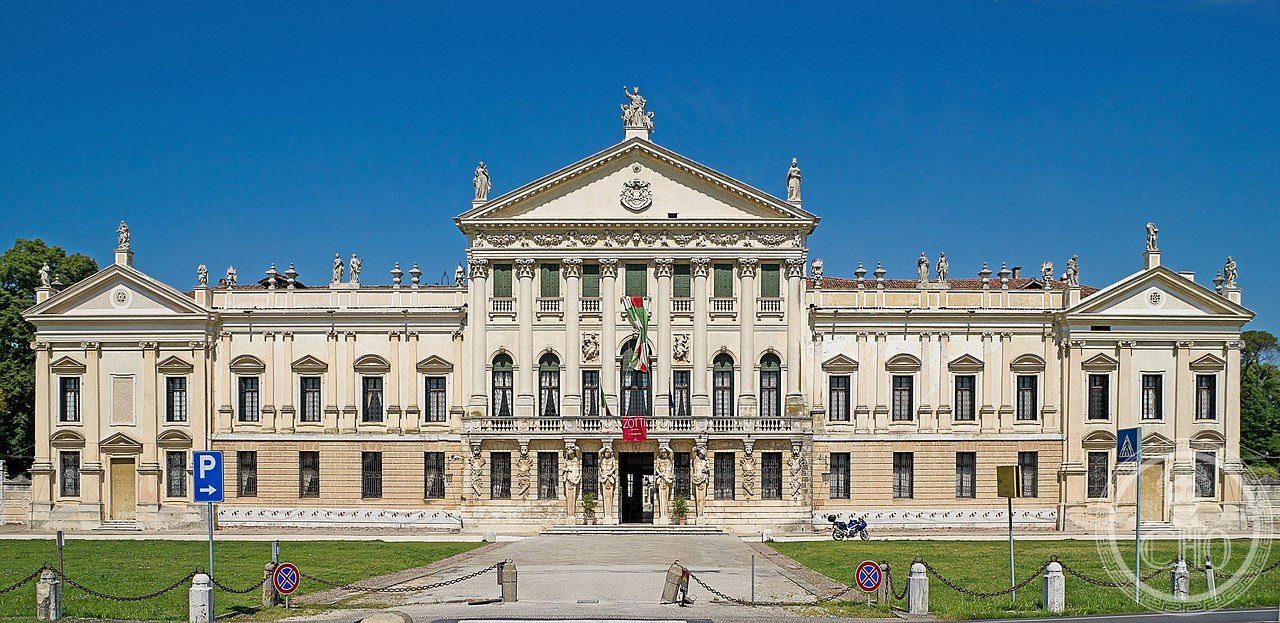
Villa Pisani stands on the Riviera del Brenta at Stra, 22 km west of Venice, on the canal that Venetian noble families used as their summer escape route from the Serenissima. The villa was built between 1721 and 1735 for Alvise Pisani, Doge of Venice from 1735 to 1741, to designs by Girolamo Frigimelica with contributions by Giambattista Frigimelica and Girolamo Frigimelica. The main reception hall was frescoed in 1760-1762 by Giambattista Tiepolo and his son Giandomenico with the Apoteosi della famiglia Pisani — one of the last great ceiling fresco cycles of the Venetian Baroque. Napoleon purchased the villa from the Pisani in 1807 and used it as an imperial residence; subsequent owners included the Beauharnais viceroys of Italy, the Savoy royal family, and Victor Emmanuel III. The park behind the villa contains Europe’s largest surviving hedge maze — 1.6 hectares of dense yew, with 1,600 m of internal paths and a central tower.
Key facts
- Architect: Girolamo Frigimelica (design); Giambattista Frigimelica (execution); built 1721–1735
- Patron: Alvise Pisani, Doge of Venice (1735–1741); the most powerful family in early 18th-century Venice
- Frescoes: Apoteosi della famiglia Pisani, Giambattista Tiepolo and Giandomenico Tiepolo, 1760–1762; ballroom ceiling, ballroom and ground floor state rooms
- Labyrinth: designed by Frigimelica c. 1720; 1.6 hectares of yew hedge, height 5 m, 1,600 m of paths; one of the largest surviving historic mazes in Europe
- Famous residents: Napoleon Bonaparte (1807); Eugène de Beauharnais viceroy of Italy; House of Savoy (19th–20th century); Victor Emmanuel III
- Today: Museo Nazionale di Villa Pisani; managed by Polo Museale del Veneto; park and maze open daily
History
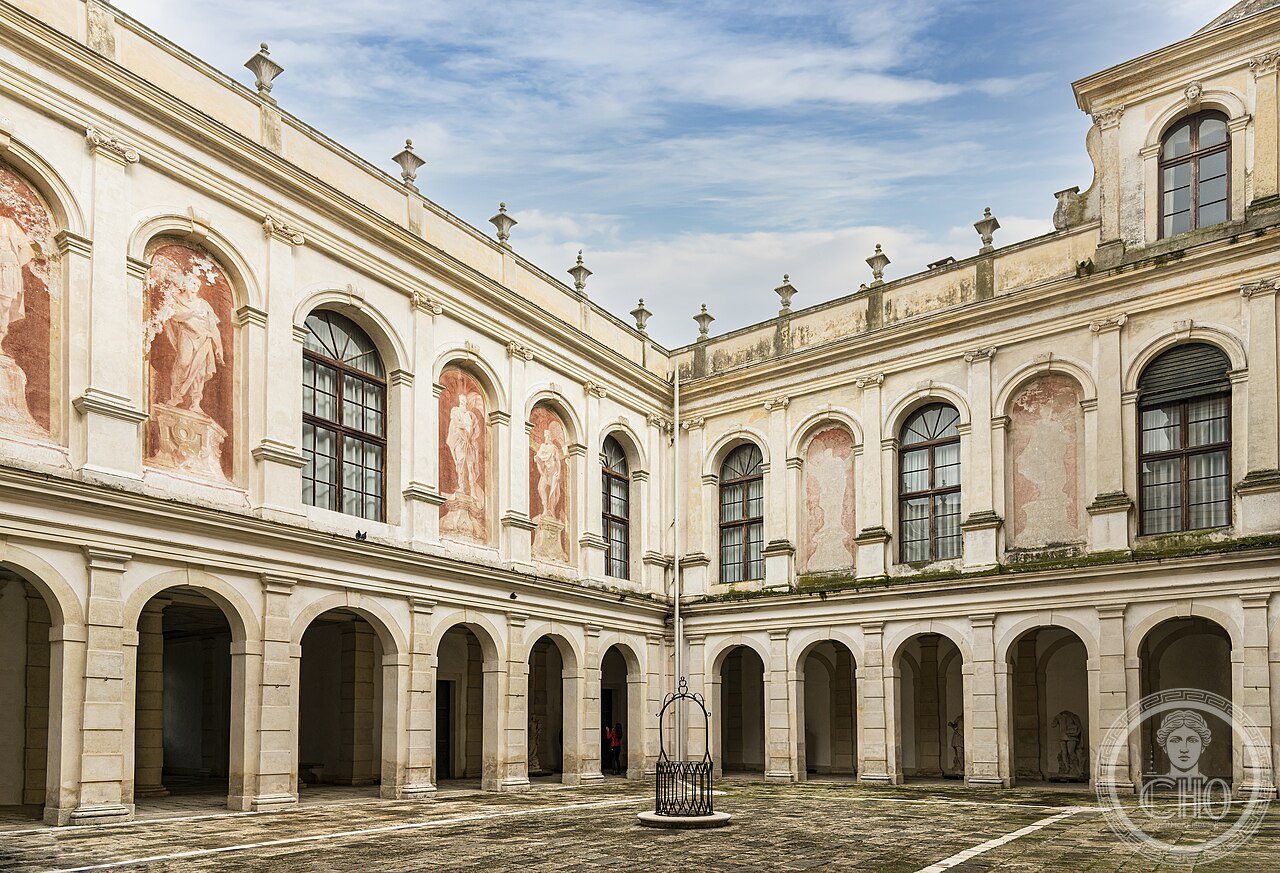
The Pisani family acquired the Stra property in the 17th century and built a smaller villa there; the present building was commissioned by Alvise Pisani around 1721, when the family was at the peak of its political and financial power. The architectural programme was ambitious: a 114-room main building with a double external staircase and a projecting ionic portico — entirely unlike the relatively restrained villas of Palladio — and an enormous formal park that included the hedge maze designed by Girolamo Frigimelica, a hippodrome for horse racing, a botanical garden, and a canal system. The ballroom fresco cycle by Giambattista Tiepolo, commissioned in 1760 when Alvise’s successor was trying to preserve Venetian influence during the War of Austrian Succession, was one of the last great Venetian aristocratic commissions before the Republic fell to Napoleon in 1797.
Napoleon visited Stra in 1807 and was so struck by the villa that he purchased it from the bankrupt Pisani heirs for 9,000 Napoleondors. It became an imperial stopover on the road between Paris and Venice and received all the emperors of the Napoleonic era. The Beauharnais viceroys renovated the interiors and added the empire-style furniture; the Savoy family used it as a summer residence throughout the 19th century. In 1869, King Vittorio Emanuele II installed the young Crown Prince Umberto here with his wife Margherita of Savoy; legend holds that Umberto as a child became lost in the maze and had to be rescued. The villa was transferred to the state in 1882 and has been a museum since 1906.
What you see
The villa faces the Naviglio del Brenta with a broad ceremonial facade of 29 bays, the central block projecting under a Ionic portico with a double horseshoe staircase descending to the canal landing. The main salone on the first floor opens into the ballroom where Tiepolo’s ceiling fills the entire vault: figures of the Pisani family are carried aloft by winged Virtues toward an allegorical apotheosis of Venice, the illusionistic architecture opening the ceiling to a luminous sky in Tiepolo’s characteristic manner — warm gold and pale blue, the figures weightless despite their grandeur.
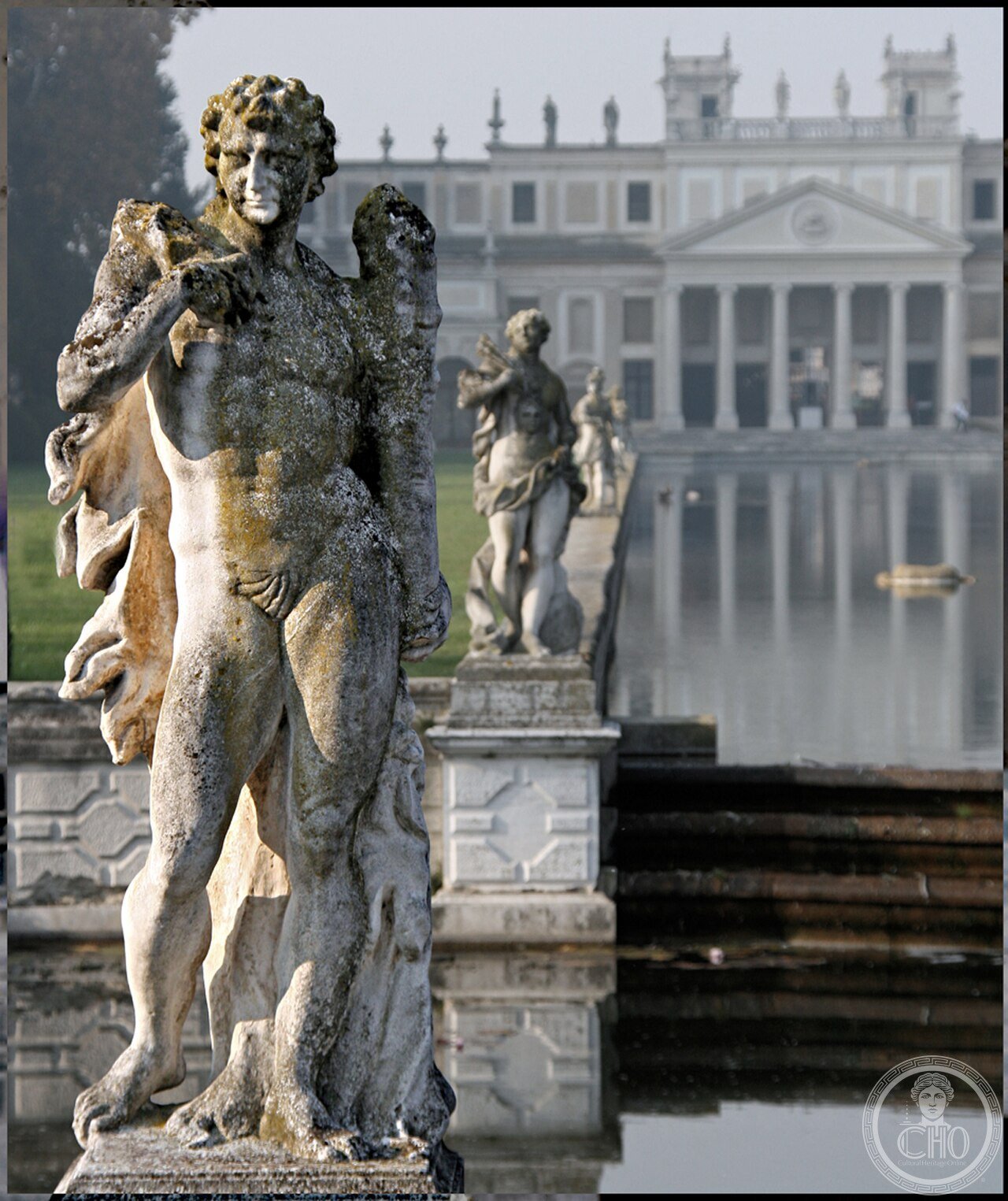
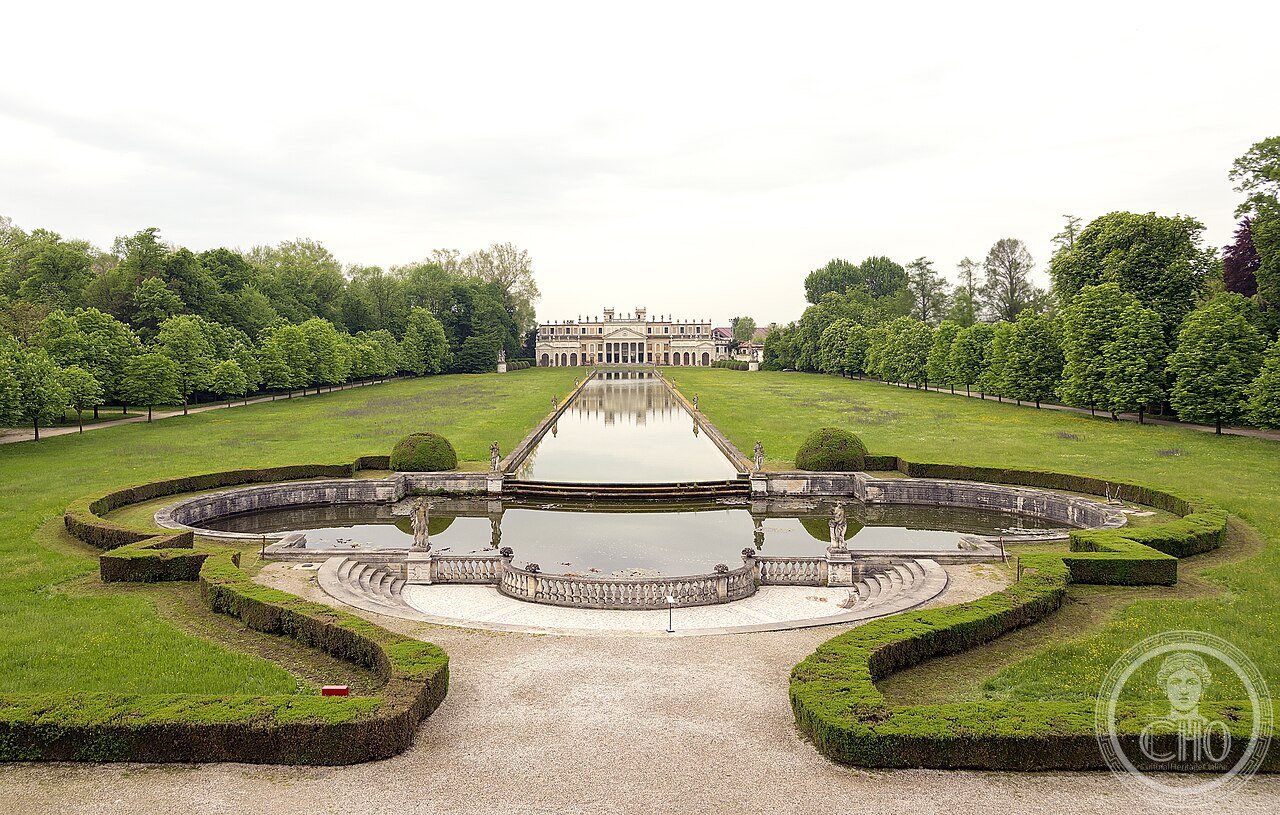
Behind the villa, the park extends for 10 hectares. The hedge maze is the most visited element: a 5-metre wall of dense yew with a central tower you can climb after negotiating the 1,600-metre path. The maze has been continuous since Frigimelica designed it around 1720, making it one of the three oldest surviving hedge mazes in Europe. The park also contains stabling, a hippodrome track (now a lawn), a coffee house, and several garden pavilions from different periods of the villa’s occupation.
Practical information
- Opening hours: Tuesday–Sunday 09:00–18:00 (summer); 09:00–16:00 (winter); closed Mondays
- Admission: combined museum + park ticket; maze access included; Polo Museale del Veneto museum card accepted
- Best season: spring and autumn; summer for maze foliage at maximum height
- Time needed: 2–2.5 hours for museum + maze + park
- Tip: the maze is best done in the morning before crowds; take a photo of the route map at the entrance
Getting there
By bus from Venice (ACTV line 53E, from Piazzale Roma, about 55 minutes). By car from Venice or Padova on the SS11 Riviera del Brenta; Stra is 22 km from Venice. By bicycle: the Riviera del Brenta cycle path runs from Padova to Venice and passes the villa gate. GPS: 45.4084° N, 12.0118° E.
Nearby
- Riviera del Brenta — 30+ Palladian and Baroque villas along the Naviglio Brenta between Padova and Venice; villa-hop by bike or burchiello boat
- Padova — Cappella degli Scrovegni (Giotto frescoes), Orto Botanico UNESCO, 15 km west
- Venezia — 22 km east; served by bus or burchiello riverboat
Sources
- Wikipedia — “Villa Pisani, Stra” (en.wikipedia.org/wiki/Villa_Pisani,_Stra)
- Polo Museale del Veneto — Museo Nazionale di Villa Pisani (villapisani.beniculturali.it)
- Giambattista Tiepolo, Apoteosi della famiglia Pisani, 1760–1762, documented in Massimo Gemin and Filippo Pedrocco, Giambattista Tiepolo, Marsilio, 1993
- Riviera del Brenta tourist board (rivieradelbrenta.com) for villa cycling itinerary
Find it on the map
See this place and what’s around it →
📷 Become a Cultural Heritage Online photographer
Share your photos of places: they stay published under your name as the author. The more they're seen, the more you get noticed — and soon a contest will reward the most appreciated photos.
Log in or sign up free to add a photoIs this page about you?
This page is read by travellers and heritage enthusiasts who find it on Google. Tell us how you are connected to this place and we will take it from there.