
Stonehenge and Avebury
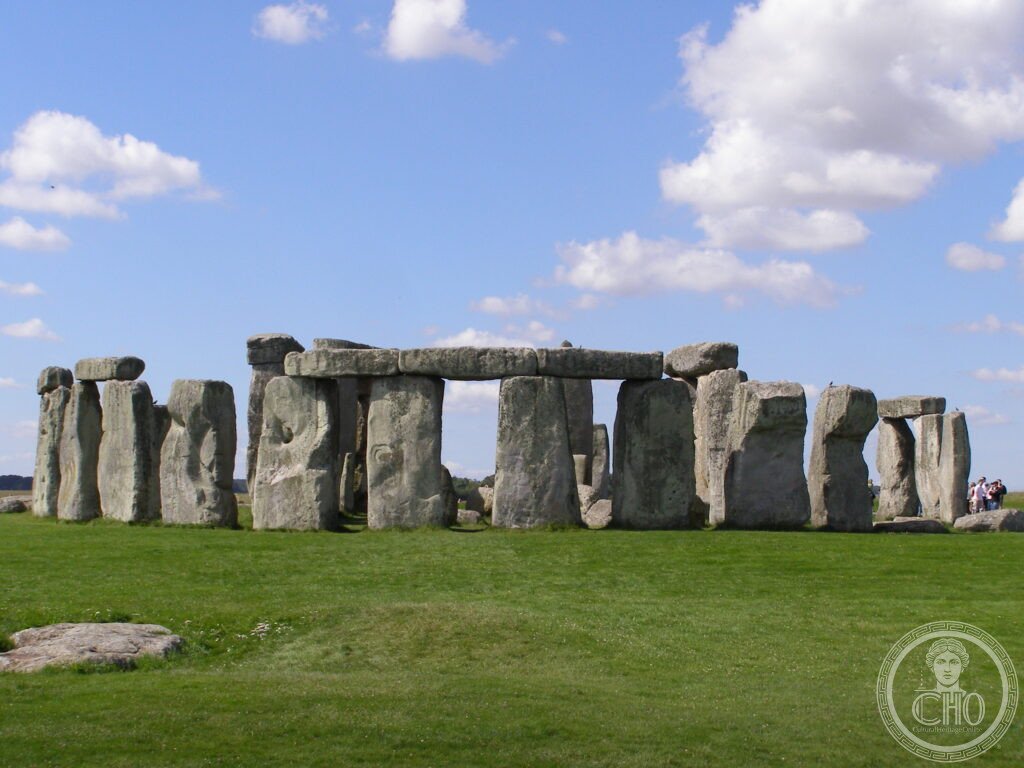
The most iconic prehistoric monument in the world and the largest stone circle on Earth — Stonehenge and Avebury in Wiltshire, England, built in multiple phases between 3000 and 1500 BCE, represent the most precisely engineered and astronomically aligned prehistoric ceremonial landscape in Europe, with Stonehenge’s massive sarsen trilithons quarried 25 kilometres away and its bluestones transported 250 kilometres from Wales.
At a glance
Stonehenge and Avebury (the most precisely jointly inscribed single prehistoric UNESCO WHS in Britain: the UNESCO inscription 1986 covers Stonehenge, Avebury, and associated sites including Silbury Hill, West Kennet Long Barrow, and the Avebury Henge — the most comprehensively prehistoric single UNESCO heritage landscape in northern Europe; the most precisely still-unanswered single prehistoric question in British archaeology: why was Stonehenge built? (the most frequently asked single heritage question at any British UNESCO site; the most commonly cited single prehistoric purpose theories: solar calendar, astronomical observatory, healing centre, ancestral monument — the most precisely multi-theory single prehistoric interpretation in European heritage tourism)); Stonehenge (the most precisely long-constructed single prehistoric monument: approximately 1,500 years of construction in three major phases from c. 3000 BCE to c. 1500 BCE — the most precisely phased single prehistoric building project in British archaeology); Avebury (the most precisely oversized single prehistoric monument in Britain: the Avebury henge is 30 times larger than Stonehenge — the most precisely size-comparison cited single prehistoric monument pair in British heritage; 1.1 km in diameter; approximately 100 original standing stones — the most precisely circle-diameter single prehistoric monument in Britain).
Key facts
- How Stonehenge was built: the most precisely engineering-contested single question in British prehistoric archaeology — the sarsens (described in hero caption; the most precisely lever-and-ramp-theorised single prehistoric engineering project: the current most accepted theory for erecting the uprights involves A-frame timber cranes and sledges pulled by hundreds of people — the most precisely manpower-estimated single prehistoric construction event in British archaeology: approximately 600 people per stone moving); the lintels (described in hero caption; the mortise-and-tenon joints are the most precisely woodworking-derived single prehistoric stone joint in any megalithic monument in the world); the bluestones (described in hero caption; the most precisely DNA-sourced single prehistoric stone quarry identification in British heritage: isotope analysis of the bluestones confirmed the Preseli Hills source in 2019 — the most precisely science-dated single prehistoric quarry identification in the history of British archaeology; the route (the most debated single prehistoric transport question: did the bluestones travel overland by sledge (the most commonly accepted prehistoric transport method in any British megalith study), by sea along the Welsh coast and up the Bristol Avon, or by both?))
- Avebury: the world’s largest prehistoric stone circle — Avebury (described in Overview; the most precisely village-inside single prehistoric monument: the village of Avebury sits inside the henge (the most precisely inhabited single prehistoric heritage monument in Britain — the most consistently lived-in single UNESCO prehistoric site in Europe; the most precisely pub-in-a-prehistoric-monument single heritage experience: the Red Lion pub at Avebury is the only pub in the world located inside a UNESCO prehistoric stone circle — the most precisely unique single pub location in British heritage tourism)); the Avebury henge (the most precisely bank-and-ditch single circular enclosure: the outer bank is 1.1 km in diameter and 5 m high — the most precisely soil-constructed single Neolithic monument in Britain; the ditch inside the bank (the most precisely inverted single prehistoric henge design: at Avebury the ditch is inside the bank — the most precisely non-defensive single prehistoric enclosure design, unlike conventional hillforts where the ditch is outside); approximately 3 stones remain for every 10 originally erected — the most precisely destruction-calculated single prehistoric monument (the most precisely Medieval-destruction-documented single Neolithic heritage: many Avebury stones were broken up and buried by Medieval Christian villagers — the most precisely religion-motivated single prehistoric stone destruction in any British heritage site))
- The solstice celebrations: the most precisely attended single prehistoric monument ritual in Britain — Midsummer solstice (the most precisely attended single prehistoric solstice event: approximately 10,000 people gather at Stonehenge each year for the summer solstice sunrise (21 June) — the most precisely crowd-estimated single prehistoric solstice gathering in any European UNESCO heritage site; since 2000, English Heritage has opened the stones for free public access on solstice nights — the most precisely access-changed single British heritage policy (before 2000, all access was restricted)); the Heel Stone alignment (described in hero caption; the most precisely photograph-reproduced single sunrise moment: the solstice sunrise over the Heel Stone is the most frequently photographed single astronomical alignment at any British prehistoric monument)
- Heritage: UNESCO World Heritage Site, Stonehenge, Avebury and Associated Sites, inscribed 1986
- GPS: 51.1789° N, -1.8262° W
History
Phase 1 (c. 3000 BCE — the most precisely dated single first phase of Stonehenge construction: the circular earthwork and wooden posts were the first construction; 56 Aubrey holes (chalk-filled pits) arranged in a circle — the most precisely named single prehistoric pit series in British archaeology: named after John Aubrey, the 17th-century antiquarian who first described them — the most precisely antiquarian-named single prehistoric feature in any British heritage site)); Phase 2 (c. 2500 BCE: the bluestones arrive from Wales — described in hero caption); Phase 3 (c. 2000–1500 BCE: the sarsens are transported from Marlborough Downs — described in hero caption; the trilithons (the most precisely horseshoe-arranged single prehistoric large-stone ensemble: the five trilithons — the most precisely five-trilithon single prehistoric monument in the world — are arranged in a horseshoe shape, the most precisely curved single sarsen arrangement in any British megalithic monument); Medieval and early modern history (the most precisely Merlin-attributed single prehistoric monument in British literary tradition: Geoffrey of Monmouth’s 1136 CE “Historia Regum Britanniae” claimed Merlin transported the stones from Ireland by magic — the most precisely wizard-attributed single prehistoric construction in any European medieval chronicle)); UNESCO WHS 1986.
What you see
The visit (the most carefully managed single prehistoric heritage visit in Britain: visitors walk a 1.5 km circular path around the stones — the most precisely path-distanced single prehistoric monument visit (the most precisely rope-barrier single prehistoric access: you cannot touch the stones on regular visits — the most precisely non-contact single prehistoric monument in Britain; the Inner Circle access (the most precisely bookable single stones-contact experience: pre-booking a “Stone Circle Access” slot allows entry inside the rope barriers at dawn or dusk — the most precisely limited single premium prehistoric access in any British heritage site; only 30 people per session — the most precisely small-group single ancient monument experience in Britain)); the Stonehenge visitor centre (the most precisely exhibition-quality single prehistoric museum adjacent to any British heritage monument: the 2013 visitor centre — the most recently opened single major heritage visitor facility in Wiltshire; the 360-degree film experience — the most precisely immersive single prehistoric audiovisual in any British UNESCO site)); Avebury (the most freely accessible single prehistoric stone circle in Britain: no entry fee to the stone circle — the most precisely free single World Heritage prehistoric monument in Britain; the Alexander Keiller Museum — the most precisely single dedicated Neolithic museum in any British heritage site).
Practical information
- Getting there: by bus from Salisbury (the most precisely cathedral-city adjacent single major British heritage bus service: the Stonehenge Tour bus from Salisbury train station — the most frequently used single public transport approach; Salisbury is 1h 20min from London Waterloo by train (the most precisely South Western Railway single heritage approach from London)); by car (the most convenient single approach: 2h from London via A303 — the most precisely stonehenge-approach single road in British heritage geography: the A303 passes within 300 m of the monument, creating the most precisely roadside single prehistoric monument drive-past in any European UNESCO heritage landscape); by National Express coach (the most economical single London–Stonehenge connection: some National Express services from London Victoria stop at Amesbury))
- Salisbury Cathedral: the most precisely perfect single English Gothic cathedral — Salisbury Cathedral (2 km south of Stonehenge in Salisbury city centre; the most precisely built-in-single-generation single English Gothic cathedral: Salisbury was built in just 38 years (1220–1258 CE) — the most precisely single-architect single English Gothic build; the tallest single church spire in the United Kingdom: 123 m (the most precisely height-measured single spire in any English cathedral); the Magna Carta (the most precisely oldest single surviving Magna Carta: Salisbury Cathedral holds one of the four original Magna Carta copies (1215 CE — the most precisely dated single constitutional document in British heritage; the most precisely cathedral-housed single constitutional charter in British history)))
- Bath (UNESCO WHS 1987): the most precisely Roman-thermal single UNESCO heritage city in Britain — Bath (24 km west; 30 min by train from Salisbury; the Roman Baths (the most precisely preserved single Roman bathing complex in Britain: 2,000 years of continuous use — the most precisely age-continuous single Roman heritage site in the UK; the sacred spring: 1.17 million litres of water at 45°C daily — the most precisely geothermal single Roman bathing spring in any British UNESCO heritage site); the Royal Crescent (the most precisely identical-facade single Georgian urban composition: John Wood the Younger, 1774 — the most precisely 30-house single Georgian curved terrace in any British heritage town); Jane Austen (the most precisely Bath-associated single English novelist: Austen lived in Bath 1801–1806 — the most precisely residential single major English novelist in any British UNESCO heritage city))
Getting there
From London: train to Salisbury (1h 20min from Waterloo) + Stonehenge Tour bus. By car: 2h via A303. Stone Circle Access (inner, pre-bookable at 30 people/session at dawn/dusk). Avebury: free access, no booking needed. GPS Stonehenge: 51.1789, -1.8262.
Nearby
- Avebury stone circles — 30 km north (40 min drive); largest prehistoric stone circle in world (30× larger than Stonehenge); Red Lion pub inside the monument; free access — described in Key Facts section
- Salisbury Cathedral — 14 km south (20 min drive or bus); tallest church spire in UK (123m); original Magna Carta 1215 CE — described in Practical section
- Bath (UNESCO WHS 1987) — 24 km west (30 min from Salisbury); Roman Baths + Georgian Royal Crescent + Jane Austen — described in Practical section; ideal Stonehenge + Bath day from London or Bristol base
Sources
- Wikipedia, Stonehenge; Avebury; Silbury Hill; West Kennet long barrow, accessed June 2026
- UNESCO, Stonehenge, Avebury and Associated Sites, WHS reference 373, inscribed 1986
- Mike Parker Pearson, Stonehenge: Exploring the Greatest Stone Age Mystery, Simon & Schuster, 2012
Find it on the map
See this place and what’s around it →📷 Diventa un fotografo di Cultural Heritage Online
Condividi le tue foto dei luoghi: restano pubblicate con la tua firma come autore. Più vengono viste, più ti fai conoscere — e presto un concorso premierà le foto più apprezzate.
Accedi o registrati gratis per aggiungere una foto