
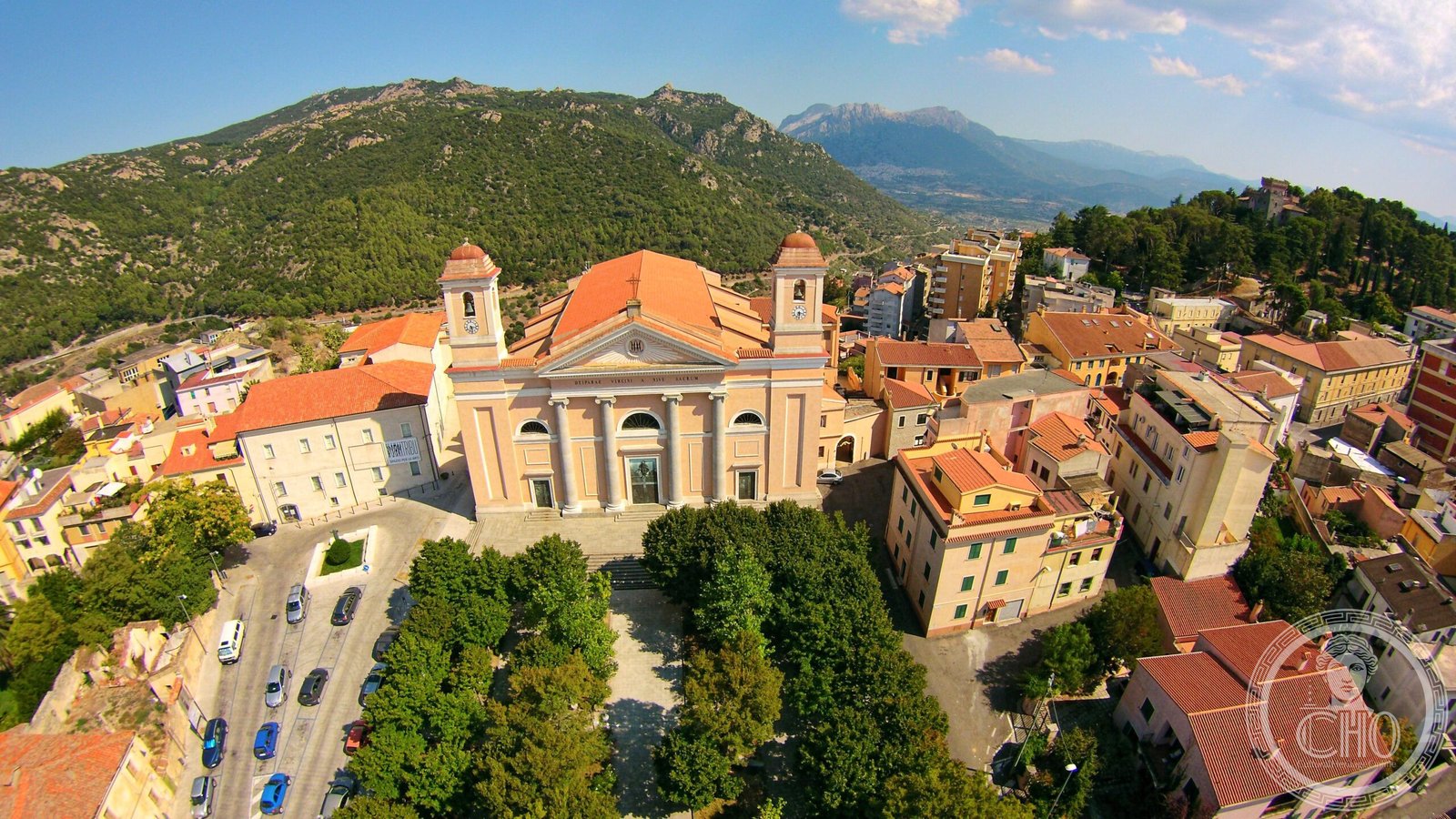
Nuoro
Known as the Sardinian Athens, Nuoro is a cultural centre whose narrow cobblestone streets, historic neighborhoods and artistic heritage have shaped European consciousness since the 19th century.
At a glance
Nuoro pulses with intellectual life across intimate plazas and ancient stone alleys. The town produced Nobel laureate Grazia Deledda, sculptor Francesco Ciusa and the Satta brothers, artists who opened Sardinia to the world. Walking its centro storico reveals courtyards, porticoes and unexpected squares—a landscape of human scale and cultural depth.
History
Since the 19th century, Nuoro has been a beacon of cultural ferment. Artists, writers and sculptors made the town their home, establishing it as a centre of intellectual exchange that radiated across Europe. Ortobene, the sacred mountain at Nuoro’s edge, has been inhabited since prehistoric times, as evidenced by domus de Janas (ancient rock tombs). Corso Garibaldi, once Via Majore, has anchored the town’s social and commercial life through successive generations.
What you see
The historic centre comprises distinct neighborhoods: Séuna, home to farmers and artisans, and Santu Pedru, which housed shepherds and landowners. Stone houses with characteristic courtyards and porticoes line the labyrinthine streets. The Church of the Graces and the Cathedral of Santa Maria della Neve stand as architectural anchors, while Ortobene mountain rises dramatically at 1,000 metres, crowned by a statue of Christ the Redeemer and enclosed within parks such as Sedda Ortai. High granite rocks of singular shapes create dramatic vistas.
Cultural significance
Nuoro’s cultural weight derives from its artists and writers. Grazia Deledda, born here, won the Nobel Prize in Literature and rests in the church of Solitudine at Ortobene’s foot. Francesco Ciusa’s sculptures, displayed in the museum bearing his name, earned first prize at the Venice Biennale in 1907. The town remains a living archive of Sardinian identity, celebrated annually during the Festival of the Redeemer in August, when folk groups from across the island process to Ortobene in traditional costume.
Key facts
- Address: Via Dante, 44, 08100 Nuoro
- Coordinates: 40.3221547, 9.3348521
- Phone: 0784 216700
- Official website: http://www.comune.nuoro.it/
- Museums: Deleddian Museum, Ciusa Museum, Nuoro Museum of Art (MoA), Museum of Sardinian Folk Life and Traditions
- Festival of the Redeemer: last Sunday in August
Practical information
Outdoor cafés line Corso Garibaldi, ideal for observing daily life. Quaint restaurants and trattorias are scattered throughout the old quarter. Opening hours for museums are not listed; check the official website or phone ahead. The Festival of the Redeemer occurs annually on the last Sunday in August, featuring a procession to Ortobene.
Getting there
Nuoro is located in central Sardegna. You can reach the town centre at Via Dante, 44. Ortobene mountain is accessible by road or on foot from the town, with marked pilgrimage routes used during festival celebrations.
Sources & resources
Find it on the map
See this place and what’s around it →Historical events at this place (1)
- 2019 Workshop Nuoro 2019
📷 Diventa un fotografo di Cultural Heritage Online
Condividi le tue foto dei luoghi: restano pubblicate con la tua firma come autore. Più vengono viste, più ti fai conoscere — e presto un concorso premierà le foto più apprezzate.
Accedi o registrati gratis per aggiungere una foto