
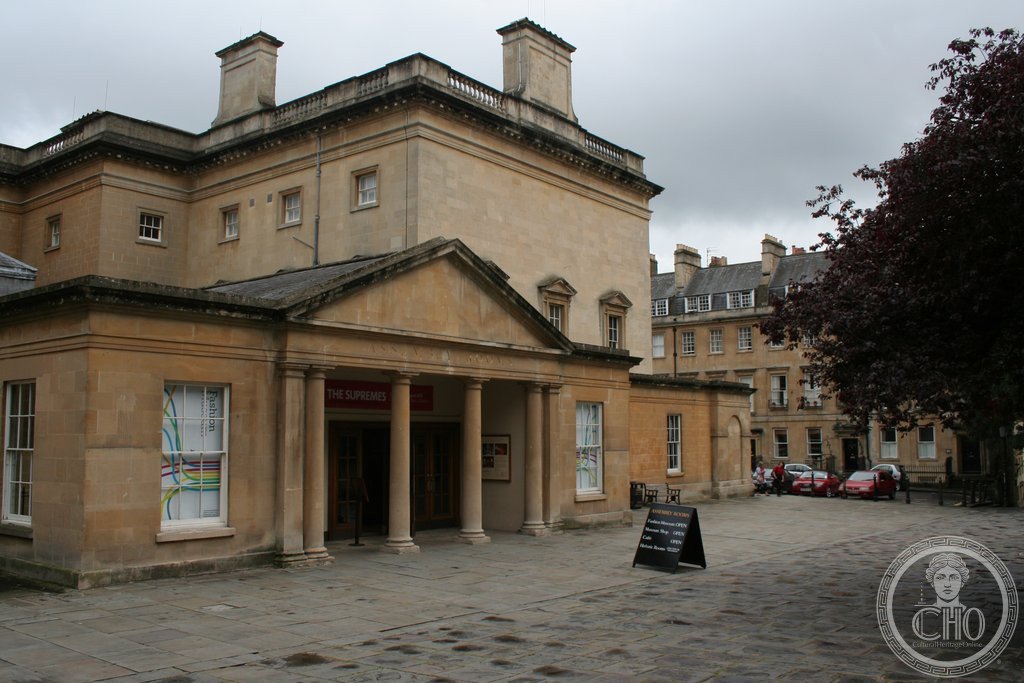
Museum of Bath Architecture
Housed in the Countess of Huntingdon’s Chapel, a pioneering Gothic Revival structure built in 1765, this museum celebrates Bath’s architectural heritage within one of the city’s most distinctive religious buildings.
At a glance
The Museum of Bath Architecture occupies the Countess of Huntingdon’s Chapel, an early example of Gothic Revival design in Bath. Built for Selina Hastings, Countess of Huntingdon, the chapel stands as the sole survivor among the many chapels she commissioned across England. Today it functions as a museum dedicated to the city’s architectural legacy.
History
The chapel was completed in 1765 for Selina Hastings, Countess of Huntingdon, a prominent religious figure who built numerous chapels throughout the country. At its completion, it stood alone as Bath’s only example of medieval Gothic styling—a striking departure from the classical Greek and Roman idioms dominating 18th-century architecture. Gothic Revival motifs were typically confined to country-house follies and castle gardens during this period.
Lady Huntingdon’s friendship with Horace Walpole, pioneer of the Gothic Revival movement at Strawberry Hill, may have influenced the chapel’s design. Walpole himself visited and offered a measured assessment: “It’s very clean, with real gothic windows, but I’m not converted.” The chapel remains the only one built to Lady Huntingdon’s own architectural drawings.
What you see
The front façade displays two triple windows with ogee heads arranged across a two-story elevation, originally containing the chaplain’s apartment. The chapel proper occupies the rear of the building, set back from the street. Its interior retains the original functional design: a flat ceiling and a second-floor gallery remain visible, reflecting the austere aesthetics of its initial purpose as a working chapel.
Cultural significance
This building marks an important moment in British architectural taste, when Gothic Revival emerged as a serious alternative to neoclassicism. As an intact example from 1765, it documents both religious patronage and the early evolution of revivalist aesthetics in a provincial city better known for Bath stone and Georgian proportion.
Key facts
- Address: The Countess of Huntingdon’s Chapel, The Paragon, The Vineyards, Bath BA1 5NA, United Kingdom
- Coordinates: 51.38665674530942, -2.3605531454086304
- Phone: +44 1225 333895
- Website: http://museumofbatharchitecture.org.uk/
Practical information
Opening hours and admission details are available on the official website. Contact the museum directly for current visiting arrangements and guided-tour availability.
Getting there
The museum is located in central Bath at The Paragon, near The Vineyards, within walking distance of Bath’s main attractions. Public transport connections serve the city centre; consult local transit maps for the most convenient route to this address.
Sources & resources
Find it on the map
See this place and what’s around it →📷 Diventa un fotografo di Cultural Heritage Online
Condividi le tue foto dei luoghi: restano pubblicate con la tua firma come autore. Più vengono viste, più ti fai conoscere — e presto un concorso premierà le foto più apprezzate.
Accedi o registrati gratis per aggiungere una foto