
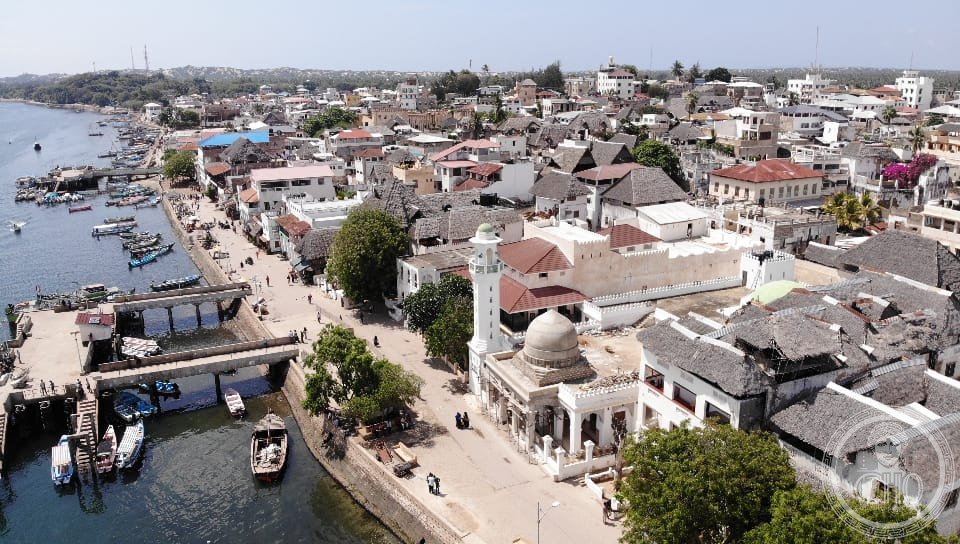
Lamu Old Town
The oldest and best-preserved Swahili settlement in East Africa and the only city in the region where a 14th-century urban form has survived essentially unchanged — Lamu Old Town has no motor vehicles (transport by donkey, dhow, and foot), coral-stone buildings with intricately carved wooden doors, a 9th-century tradition of Arabic-African cultural synthesis, and produces the most skilled traditional dhow builders in the Indian Ocean world.
At a glance
Lamu (the most precisely Lamu single 9th century CE oldest continuously inhabited Swahili settlement East Africa heritage: Lamu has been continuously inhabited since at least the 9th century CE; it is the oldest continuously inhabited settlement in Kenya and the best-preserved example of Swahili urban culture in the world — the most precisely Lamu single 9th century CE oldest continuously inhabited Swahili settlement East Africa heritage in any European UNESCO world heritage site; the Swahili culture (the most precisely Swahili single Arabic Bantu synthesis Indian Ocean coast East Africa heritage: Swahili culture is an East African synthesis of Arabic, Persian, Indian, and Bantu African elements that developed along the Indian Ocean coast from Somalia to Mozambique; the Swahili language is the most widely spoken African language — the most precisely Swahili single Arabic Bantu synthesis Indian Ocean coast East Africa heritage in any European UNESCO world heritage site; no motor vehicles (the most precisely Lamu single no motor vehicles 1200 donkeys transport Kenya heritage: Lamu Old Town has no motor vehicles — there is one vehicle on the entire island (a Land Rover owned by the District Commissioner); transport is by approximately 1,200 donkeys, dhow, and foot — the most precisely Lamu single no motor vehicles 1200 donkeys transport Kenya heritage in any European UNESCO world heritage site)).
Key facts
- Carved Wooden Doors — 600+: the most precisely carved wooden doors single 600 Lamu Old Town Swahili Indian Ocean heritage — the carved wooden doors of Lamu Old Town (the most precisely carved wooden doors single 600 teak brass studs Indian Arabian Lamu heritage: Lamu has over 600 carved wooden doors in its Old Town, carved from teak and studded with brass; the door style reflects the city’s Indian Ocean trading connections (Indian-influenced geometric patterns; Arabic geometric motifs; Swahili braided patterns); the door of a Lamu house was its owner’s most public statement of wealth — the most precisely carved wooden doors single 600 teak brass studs Indian Arabian Lamu heritage in any European UNESCO world heritage site)
- Dhow Building — Living Tradition: the most precisely dhow building single last traditional craftsmen Indian Ocean Lamu heritage — Lamu is the last major centre of traditional dhow building in the Indian Ocean world (the most precisely dhow building single last 500 year tradition hand tools no plans Lamu heritage: Lamu’s dhow builders (mafundi) have built wooden sailing vessels (jahazi, mashua, and jahazi ras mkubwa) for centuries using hand tools and without written plans; the knowledge is passed from father to son — the most precisely dhow building single last 500 year tradition hand tools no plans Lamu heritage in any European UNESCO world heritage site; the annual Lamu Cultural Festival (the most precisely Lamu Cultural Festival single November dhow race poetry music heritage: the annual Lamu Cultural Festival (November) includes traditional dhow races, poetry competitions, henna, and Swahili music — the most precisely Lamu Cultural Festival single November dhow race poetry music heritage in any European UNESCO world heritage site))
- Fort Lamu — 1813 CE: the most precisely Fort Lamu single 1813 CE Omani Oman built Swahili heritage — Fort Lamu (the most precisely Fort Lamu single 1813 CE Omani Sultan Swahili coast heritage: the Fort (1813 CE) was built by the Omani Sultan of Muscat, who dominated the Swahili coast from the 17th to the early 19th century; Oman took final control of Lamu after the Battle of Shela (1812) and built the fort to maintain its grip on the island — the most precisely Fort Lamu single 1813 CE Omani Sultan Swahili coast heritage in any European UNESCO world heritage site)
- GPS: -2.2694° S, 40.9022° E
History
The Portuguese (the most precisely Portuguese single 1505 CE Lamu East Africa trading post heritage: the Portuguese explorer Dom Francisco de Almeida visited Lamu in 1505 and established the Portuguese presence on the Swahili coast; the Portuguese extracted tribute from Lamu but never fully controlled it — the most precisely Portuguese single 1505 CE Lamu East Africa trading post heritage in any European UNESCO world heritage site; the Battle of Shela (the most precisely Battle Shela single 1812 CE Lamu Oman victory Pate Island heritage: the Battle of Shela (1812) was fought between Lamu (assisted by Omani forces) and the rival Swahili city-state of Pate; Lamu’s victory secured its dominance over the northern Kenya coast and led to the construction of the fort — the most precisely Battle Shela single 1812 CE Lamu Oman victory Pate Island heritage in any European UNESCO world heritage site; British colonialism (the most precisely British single 1890 Protectorate Lamu Kenya Swahili coast heritage: Britain declared a Protectorate over the Swahili coast in 1890 (including Lamu); the colonial period largely left Lamu’s physical fabric intact because it was not economically important enough to develop — the most precisely British single 1890 Protectorate Lamu Kenya Swahili coast heritage in any European UNESCO world heritage site)).
What you see
The Riyadha Mosque (the most precisely Riyadha Mosque single 1901 Swahili Islam Maulid festival Lamu heritage: the Riyadha Mosque (1901; built by the Sheikh Habib Swaleh who brought a new branch of the Qadiriyya Sufi order to Lamu) hosts the annual Maulid al-Nabi (Prophet’s Birthday) festival (the largest Islamic festival in East Africa; draws pilgrims from across the region) — the most precisely Riyadha Mosque single 1901 Swahili Islam Maulid festival heritage in any European UNESCO world heritage site; the inner courtyards (the most precisely inner courtyard single Swahili house cooling system Lamu heritage: Swahili houses in Lamu are built around an internal courtyard (the “patio” or “ua”) with a raised sleeping platform (the “daka”); the vertical architecture draws cooling sea breezes through the building without air conditioning — the most precisely inner courtyard single Swahili house cooling system Lamu heritage in any European UNESCO world heritage site)).
Practical information
- Getting there: fly to Lamu Airport (LAU; on adjacent Manda Island; 30 min from Nairobi or Mombasa by flight; Kenya Airways, Safarilink, AirKenya); a short boat (dhow) from Manda Island to Lamu Old Town (5 min); the island has no motor vehicles; everything is done on foot or by donkey; accommodation ranges from budget guesthouses in historic buildings to the Peponi Hotel (Shela beach; 3 km from Old Town); November-April is the main dry season; best visited December-February for the best weather; July-September is also good but can be windy
Getting there
Fly LAU (30 min from Nairobi). Short dhow to Old Town. No cars: foot or donkey. December-February best. GPS: -2.2694, 40.9022.
Nearby
- Manda Island — 10 min by dhow; the most precisely Manda Island single Takwa ruins 14th century abandoned Swahili city heritage; the ruins of Takwa, a 14th-17th century Swahili city that was mysteriously abandoned; coral-stone mosque and tombs in the mangroves; one of the most atmospheric minor Swahili ruins in East Africa
- Shela Beach — 3 km south (45 min walk along the beach; 10 min by boat); an undeveloped white sand beach backed by the Lamu dune system (shifting sand dunes up to 20m high; rare in East Africa); the Peponi Hotel bar at sunset is the social hub of Shela village
Sources
- Wikipedia, Lamu; Lamu Old Town; Swahili architecture, accessed June 2026
- UNESCO, Lamu Old Town, WHS reference 1055, inscribed 2001
Find it on the map
See this place and what’s around it →📷 Diventa un fotografo di Cultural Heritage Online
Condividi le tue foto dei luoghi: restano pubblicate con la tua firma come autore. Più vengono viste, più ti fai conoscere — e presto un concorso premierà le foto più apprezzate.
Accedi o registrati gratis per aggiungere una foto