
Kyoto — Ancient Imperial Capital
The most densely Buddhist and Shinto city in Japan and the country’s imperial capital for over a thousand years — Kyoto, laid out on the Chinese Tang dynasty grid of Chang’an in 794 CE, was miraculously spared from American firebombing in 1945, preserving 17 UNESCO World Heritage components, 1,600 Buddhist temples, and 400 Shinto shrines within a single prefecture.
At a glance
Kyoto (UNESCO WHS 1994 as “Historic Monuments of Ancient Kyoto (Kyoto, Uji and Otsu Cities)” — the most componentised single Japanese UNESCO inscription: 17 separate historic monuments (the most components in any single Japanese WHS inscription)); the city was Japan’s imperial capital from 794 CE (the Heian period) to 1869 CE (when the Meiji Emperor moved the capital to Tokyo) — 1,075 years (the most continuously held single imperial capital tenure in Japanese history); the wartime survival (the most consequential single wartime architectural preservation decision in the history of the 20th century: US Secretary of War Henry Stimson, who had visited Kyoto before the war, removed Kyoto from the atomic bomb target list in 1945 — the most personally motivated single military-heritage decision in World War II; the most frequently cited single example of cultural memory saving a city); 1,600 Buddhist temples; 400 Shinto shrines; 200 Zen gardens — the most precisely concentrated single heritage inventory in any Japanese city.
Key facts
- Fushimi Inari Taisha and the torii gates: the most photographed single Shinto pathway in Japan — Fushimi Inari (the most visited single Shinto shrine in Japan: 3+ million visits at the New Year alone — the most populous single religious pilgrimage event in any Japanese city; the 10,000 torii gates (the most precisely counted single series of ritual gates in Japanese heritage: 10,000 vermilion torii gates in a 4-km tunnel path ascending Mount Inari to 233 m; the most densely gated single mountain trail in Shinto religious heritage; the gates are donated by businesses and individuals — the most commercially sponsored single ritual landscape in Japanese religion; each gate is inscribed with the donor’s name on the back (the most precisely personalised single votive donation in any Japanese Shinto shrine)); the fox statues (kitsune: the most symbolically associated single animal in Inari Shinto worship — the fox as divine messenger; the most precisely described single divine animal role in the Shinto pantheon))
- Ryoan-ji and the Zen rock garden: the most internationally famous single meditation garden in the world — Ryoan-ji (the most internationally replicated single garden design: the dry landscape garden (karesansui) of Ryoan-ji (completed c. 1499 — the most precisely approximately dated single famous Japanese garden; the design is disputed: no one knows who designed it — the most prominently anonymous single masterwork in Japanese garden history); the garden (15 rocks in 5 groups set in a rectangular bed of raked white gravel: 30 m × 10 m — the most precisely measured single meditation garden in Japan; the most studied single garden design in the history of landscape architecture; no matter where you stand on the garden’s viewing platform, you can see only 14 of the 15 rocks at any one time — the most precisely calibrated single visual paradox in any garden in the world (the 15th rock can only be seen in full from above, in the mind, or in enlightenment — the most precisely described single path to enlightenment via a single hidden stone)); the UNESCO inscription: Ryoan-ji is one of the 17 components of the Kyoto UNESCO WHS (1994))
- Kiyomizu-dera and the wooden stage: the most dramatically overhung single Japanese temple platform — Kiyomizu-dera (the most visited single Buddhist temple by Japanese nationals: the Temple of Pure Water (Otowa-san Kiyomizu-dera; founded 778 CE; the current buildings date from 1633 — the most precisely Tokugawa-era rebuilt single major temple in Kyoto); the wooden stage (the most engineering-impressive single wooden platform in Japan: 13 m above the hillside; 139 wooden pillars; constructed without a single nail (the most frequently cited single carpentry fact in any Japanese temple description — the most precisely nail-free single large wooden stage in Japanese heritage); the expression “jumping off the stage at Kiyomizu” (the most precisely idiom-embedded single temple platform in the Japanese language: the expression means undertaking a reckless, determined decision — the most dramatically self-motivated single Japanese proverb involving a building)); the spring water (the three Otowa streams (the most precisely divided single sacred spring in Japan: three streams of water falling into a pool below — one for longevity, one for love, one for success in studies; drinking from all three is considered greedy — the most precisely greedy single sacred water act in Kyoto))
- Heritage: UNESCO World Heritage Site, Historic Monuments of Ancient Kyoto (Kyoto, Uji and Otsu Cities), 17 components inscribed 1994
- GPS: 35.0116° N, 135.7681° E
History
The founding (Heian-kyō — “tranquillity and peace capital” — was established in 794 CE by Emperor Kammu; laid out on a grid modelled precisely on the Tang Dynasty capital Chang’an (the most precisely copied single Chinese urban plan in Japanese history: the rectangular grid with the Imperial Palace at the northern end — the most precisely north-anchored single palace position in Japanese urban planning); the Heian period (794–1185 CE: the most culturally productive single period in Japanese court history; the world’s first novel (Murasaki Shikibu’s The Tale of Genji; c. 1008 CE — the most precisely early dated single work of literary fiction in world literature; the most continuously read single Japanese novel of any century; the most precisely described single court romance in Japanese classical literature) was written in Kyoto; Japanese court poetry (waka), painting (yamato-e), and calligraphy reached their classical forms in Heian Kyoto); the medieval period (the Onin War (1467–1477) destroyed most of Kyoto — the most extensively incinerated single Japanese imperial city in its medieval history; the subsequent Sengoku period (1467–1615) saw continuous rebuilding); the Tokugawa period (1603–1868: the most architecturally active single period in Kyoto’s temple-rebuilding history: most of the current temple buildings date from the 17th century); UNESCO WHS 1994.
What you see
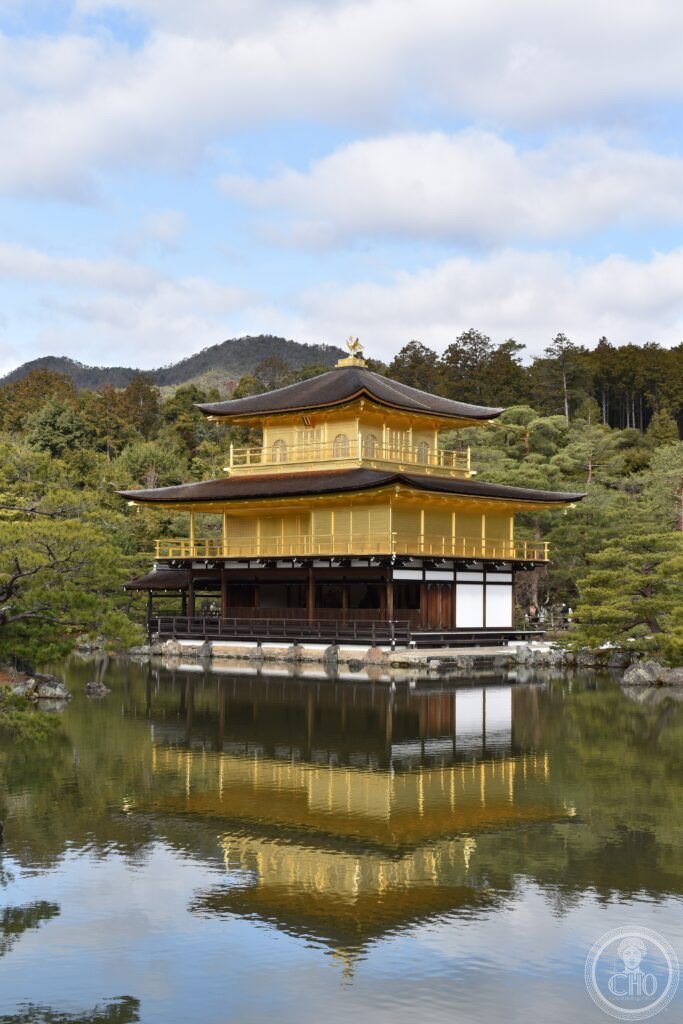
The Kyoto visit (the most season-dependent single heritage experience in Japan: spring (late March – early May: cherry blossom — the most internationally celebrated single natural heritage event in Japan) and autumn (mid-November – late November: autumn foliage — the most photogenically coloured single season in any Japanese heritage city) are the peak seasons; the essential circuit: east Kyoto (the most heritage-dense single area: Gion (the most famous geisha district in Japan: Hanamikoji Street — the most photographically atmospheric single street in any Japanese city at dusk; the okiya (geisha houses) and ochaya (tea houses) of the Gion Kobu area — the most precisely private single geisha district in Kyoto); Kiyomizu-dera (described in Key Facts); Philosopher’s Path (the most contemplatively prescribed single walking route in Kyoto: 2-km canal-side path connecting Nanzen-ji to Ginkaku-ji (the Silver Pavilion) — the most named-after-philosopher single walking route in Japanese heritage); north-west Kyoto (Kinkaku-ji + Ryoan-ji — described in overview and Key Facts); south-east (Fushimi Inari — best visited at dawn (the most crowd-free single major Japanese heritage site at 6am) or late evening (the gates lit by lanterns: the most atmospherically lit single torii-gate path in Japan)).
Practical information
- Getting there: Kyoto Station (the most architecturally ambitious single train station in Japan after Tokyo Station: the 1997 building by Hiroshi Hara — the most precisely controversial single station design in modern Japan: the futurist steel-and-glass megastructure in a city of wooden temples generated the most public architectural controversy in modern Japanese heritage); from Tokyo (Shinkansen Nozomi: 2h 15min — the most frequently used single tourist route in Japan; from Osaka (Shinkansen or local JR Biwako Line: 15 min); the JR Pass (the most cost-effective single public transport pass for multi-city Japan travel: covers most Shinkansen and JR local trains; Kyoto bus network: the most comprehensive single bus network for heritage tourism in any Japanese city — covers all 17 UNESCO components and more))
- Nara (UNESCO WHS 1998): Japan’s first permanent imperial capital and the city of the world’s largest bronze Buddha — Nara (45 km south of Kyoto; 45 min by Kintetsu Express; Japan’s capital 710–784 CE; the Tōdai-ji (the largest wooden building in the world: 57.5 m wide × 50.1 m deep × 48.7 m high — the most precisely measured single large wooden building in Japan (and the world); the Daibutsu (Great Buddha): 14.98 m tall — the largest bronze seated Buddha in Japan; cast 743 CE (the most precisely dated single largest bronze casting in 8th-century Japan)); the deer of Nara (1,200 wild sika deer roaming freely through the city — the most precisely counted single urban wild deer population in any UNESCO city; the deer are designated as National Treasures of Japan (the most precisely protected single urban wildlife in Japanese heritage law))); UNESCO WHS (Historic Monuments of Ancient Nara) 1998
- Osaka Castle and the street food culture: Japan’s second-largest city and its most food-obsessed — Osaka (15 min from Kyoto; the most food-culturally distinct single large Japanese city: the most frequently cited Japanese culinary capital for casual street food; the term “kuidaore” (eat yourself to ruin) originated in Osaka — the most precisely glutton-positive single Japanese city motto; Dotonbori (the most photogenically neon-lit single entertainment and food district in Japan); the Osaka Castle (1583; built by Toyotomi Hideyoshi — the most historically consequential single castle completion in Japanese unification history: Hideyoshi unified Japan from this castle; the most visible single symbol of Japanese national unification; the castle keep was rebuilt in concrete in 1931 — the most architecturally compromised single major Japanese castle (concrete interior, original 16th-century stone walls))
Getting there
Kyoto Station: Shinkansen Nozomi from Tokyo 2h 15min; from Osaka 15min. JR Pass covers most connections. City buses cover all UNESCO monuments. Arashiyama and Fushimi Inari also reachable by local train (JR and Kintetsu lines). GPS: 35.0116, 135.7681.
Nearby
- Nara (UNESCO WHS 1998) — 45 km south (45 min Kintetsu Express); world’s largest wooden building (Tōdai-ji) + giant bronze Buddha + 1,200 wild deer — described in Practical section
- Osaka — 15 min by Shinkansen or local train; Japan’s food capital + Osaka Castle — described in Practical section; the ideal Japan base: Kyoto (heritage/temples) + Osaka (food/urban) within 15 minutes of each other
- Hiroshima and Miyajima (UNESCO WHS 1996) — 3h west by Shinkansen Nozomi; the most morally significant modern memorial city in the world + the most photographically famous Shinto shrine in Japan — Hiroshima (the Atomic Bomb Dome (Genbaku Dōmu): the only building within the explosion radius to remain partially standing on 6 August 1945 — the most precisely preserved single architectural witness to nuclear destruction; the Peace Memorial Museum (the most emotionally affecting single museum in Japan)); Miyajima (described in CHO’s Miyajima Itsukushima place card: the floating torii gate of Itsukushima Shrine)
Sources
- Wikipedia, Kyoto; Kinkaku-ji; Fushimi Inari-taisha; Ryoan-ji; Kiyomizu-dera, accessed June 2026
- UNESCO, Historic Monuments of Ancient Kyoto, WHS reference 688, inscribed 1994
- Donald Richie, A Tractate on Japanese Aesthetics, Stone Bridge Press, 2007
Find it on the map
See this place and what’s around it →📷 Diventa un fotografo di Cultural Heritage Online
Condividi le tue foto dei luoghi: restano pubblicate con la tua firma come autore. Più vengono viste, più ti fai conoscere — e presto un concorso premierà le foto più apprezzate.
Accedi o registrati gratis per aggiungere una foto