

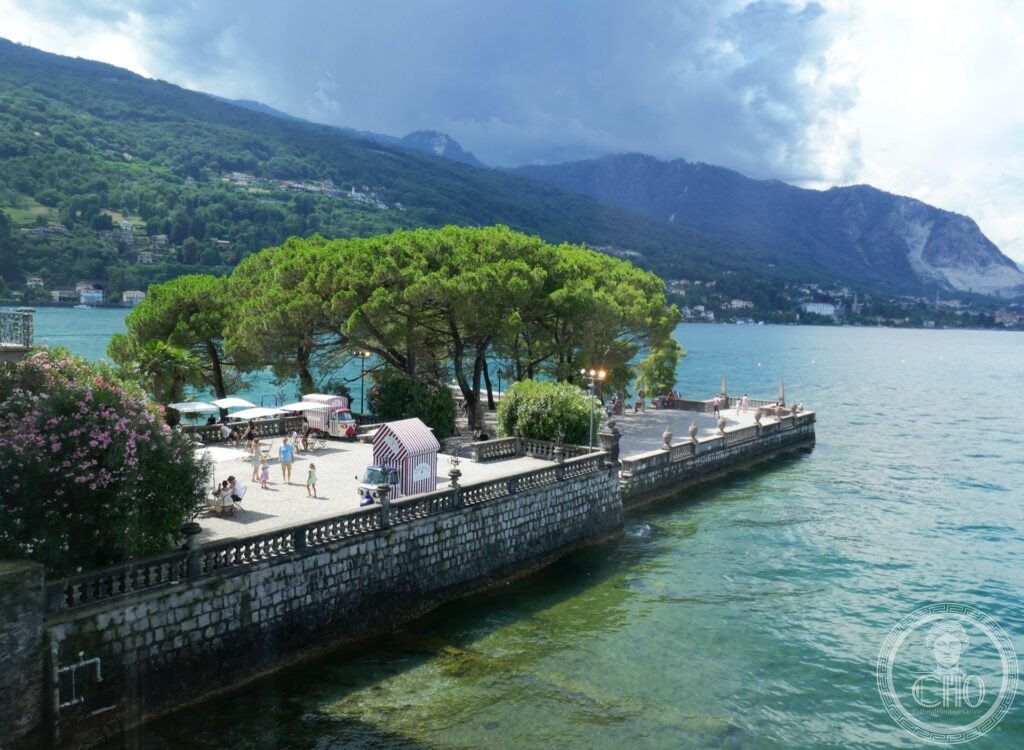
Carlo III Borromeo turned a bare rock in Lake Maggiore into a Baroque ship of ten terraces: the garden climbs from the waterline towards the sky with stone unicorns, white obelisks and flowers all year round.
At a glance
Isola Bella is a small island on Lake Maggiore, connected by a short boat crossing to the town of Stresa in Piedmont. Before 1632, it was a rocky outcrop with a few fishermen’s houses; after Carlo III Borromeo began construction of a palace and garden in that year, it became one of the most spectacular baroque gardens in Europe. The island was essentially built up — soil was brought by boat, terraces were cut into the rock, and the whole was designed to read from the lake as a ship sailing the water, with the palace at the prow and ten ascending garden terraces for the hull. The Borromeo family, who own Isola Bella to this day, opened it to tourists in the 19th century. Today it receives over 800,000 visitors a year, remaining one of the most visited gardens in northern Italy.
Key facts
- Founded: 1632, Carlo III Borromeo; named for his wife Isabella d’Adda (“Isabella Bella” → Isola Bella)
- Construction: palace 1632–1671 (never fully completed as designed); gardens completed late 17th century
- Garden plan: ten terraces, the upper ones with geometric parterres and topiary; designed to recall the shape of a ship from the lake
- White obelisks: four obelisks topped by Borromeo family devices mark the upper terraces; the unicorn is the Borromeo heraldic animal
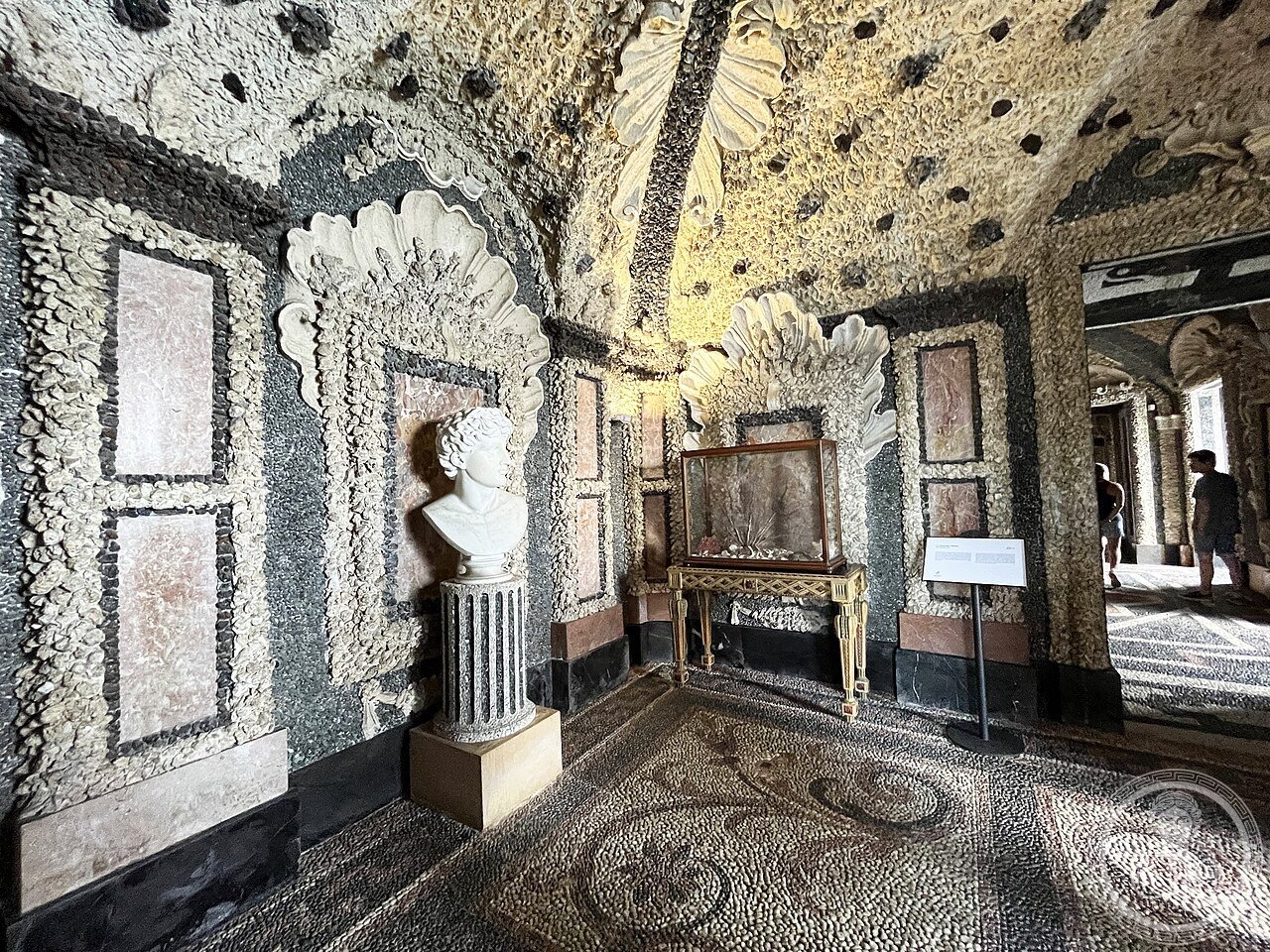
- Grotti: six artificial grottoes below the garden level, decorated with shells, pebbles and tufa — a Mannerist tradition applied to a lakeside setting
- Famous guests: Napoleon Bonaparte (slept here 1797); Josephine; the Borromeo family continue to reside seasonally
History
The Borromeo family — a Milanese banking dynasty related by marriage to the Visconti and Sforza — had owned the Lake Maggiore islands since the 15th century. Carlo III Borromeo began the transformation of the bleak rock in 1632, apparently to create a monument to his beloved wife Isabella d’Adda, and named the island in her honour (Isabella + Bella). Construction was technically demanding: the island had no soil, and the garden terraces required the importation of thousands of tonnes of earth by boat from the Piedmontese shore.
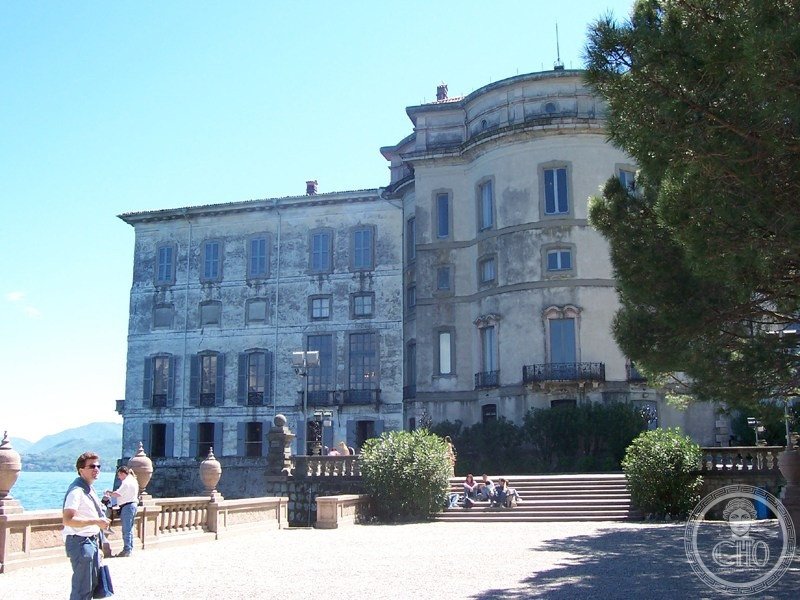
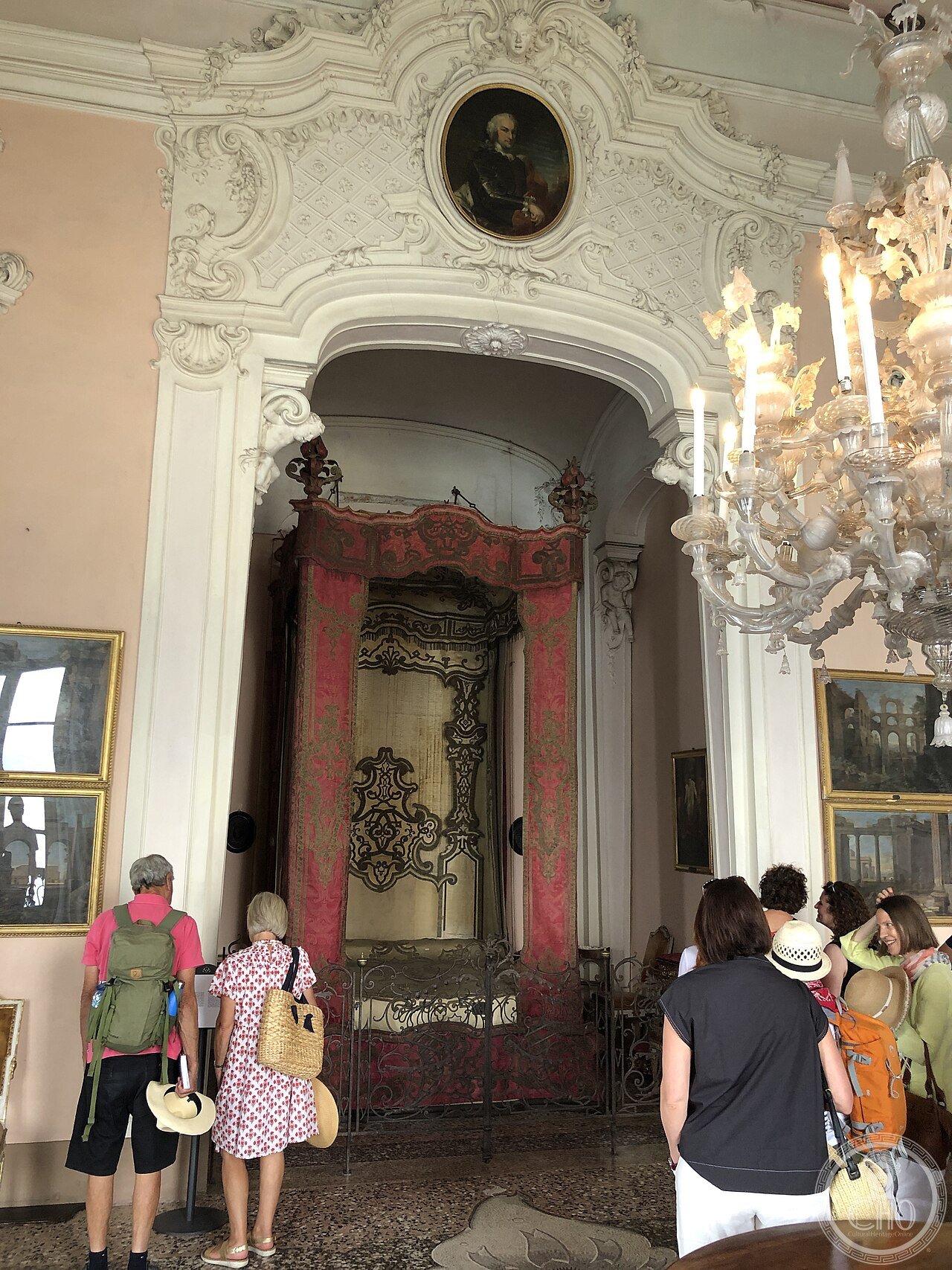
Work continued for decades; the palace was substantially complete by 1671 but never finished according to the original grandiose plan, which would have surrounded the garden with four towers. The grottoes beneath the garden — six interconnected shell-encrusted rooms — were a popular attraction from the beginning; Napoleon slept in one of the palace rooms in October 1797, the night before the signing of the Treaty of Campo Formio that ended the War of the First Coalition. By the 19th century, the romantic landscape cult made Isola Bella internationally famous: Turner painted it from the lake in 1826 and Stendhal described it in La Chartreuse de Parme. The Borromeo family opened the palace to paying visitors and the island has been a major tourist destination ever since.
What you see
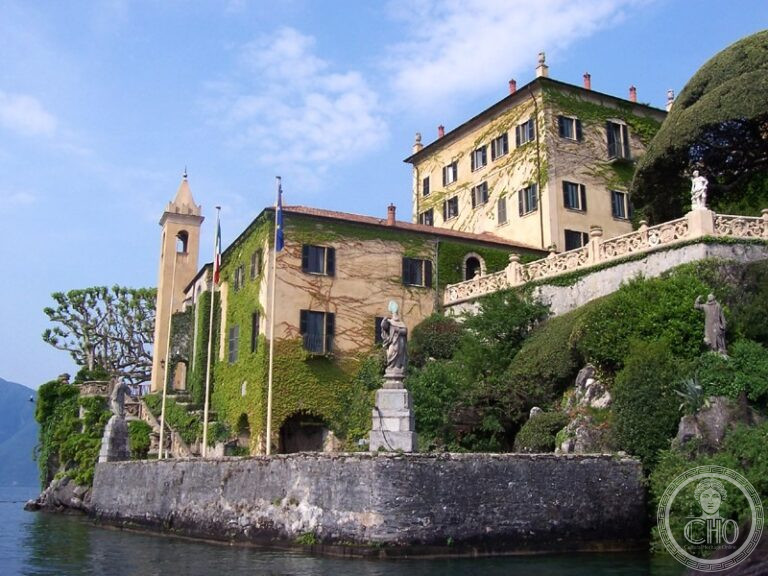
The approach by boat from Stresa or Baveno reveals the garden at its most theatrical: ten terraces stacked above the waterline, the topiary pyramids and white obelisks rising against the sky, the palace facade at the far end. Landing on the island, you enter the palace courtyard before the garden — a sequence that deliberately keeps the view back toward the lake for maximum theatrical reveal when you finally ascend to the upper terrace and look out over the water.
The garden itself is intimate in its details: the parterres of clipped box, the orange and lemon trees in terracotta pots, the topiary peacocks and pyramids, the hundreds of camellias that flower from February to May. The unicorns and obelisks on the upper terrace create a skyline that is recognisable from anywhere on the lake. The grottoes below are a cool underground world of shells and pebbles where the Borromeo kept their fish tanks and their collection of curiosities.
Practical information
- Access: by boat from Stresa (Navigazione Lago Maggiore); ferries every 15–30 minutes in season
- Opening hours: daily 09:00–17:30 (late March to mid-October); closed in winter
- Admission: palace + gardens ticket; priced jointly with Isola Madre (second Borromeo island)
- Best season: April–May for camellias and wisteria; September–October for clear Alpine light and smaller crowds
- Time needed: 2 hours for palace + garden
Getting there
Stresa is on the Milan–Domodossola train line (50 minutes from Milan Centrale). Ferry to Isola Bella runs from the Stresa waterfront, journey 8 minutes. By car: A26 motorway from Milan (Arona exit), then SS33 to Stresa. GPS: 45.8975° N, 8.5258° E.
Nearby
- Isola Madre — the larger Borromeo island with English garden and white peacocks, 3 km north by ferry
- Villa Taranto, Verbania — 16,000-species botanical garden on the Lake Maggiore western shore, 8 km north
- Stresa — belle époque lakeside resort town with the Mottarone cable car and Palazzo dei Congressi
Sources
- Wikipedia — “Isola Bella” (en.wikipedia.org/wiki/Isola_Bella)
- Fondazione Borromeo — Isola Bella (isoleborromee.it)
- Vernon Lee, The Spirit of Rome, John Lane, 1906 (description of Borromeo islands)
- Navigazione Lago Maggiore — ferry timetables and combined tickets
Find it on the map
See this place and what’s around it →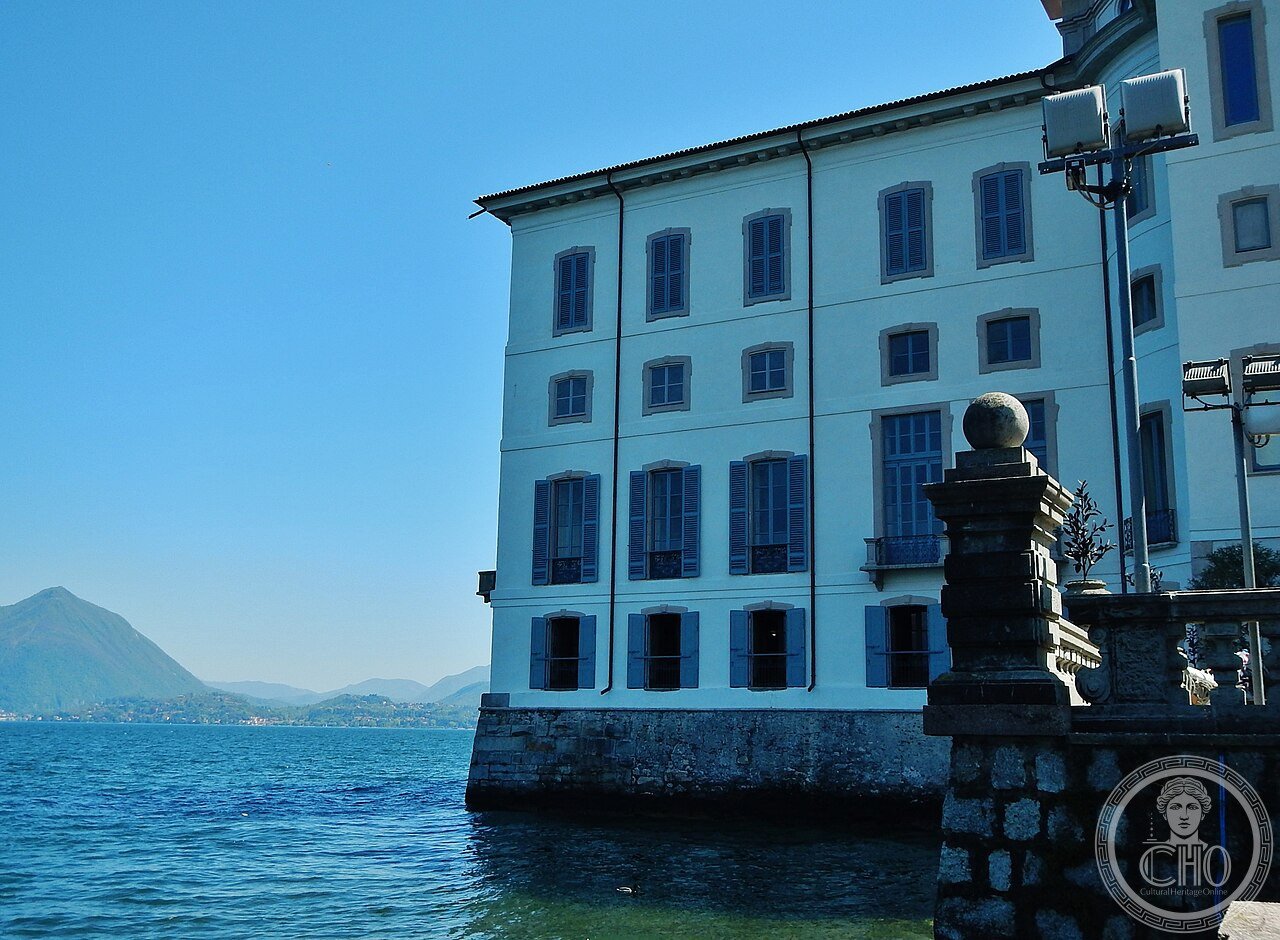
📷 Become a Cultural Heritage Online photographer
Share your photos of places: they stay published under your name as the author. The more they're seen, the more you get noticed — and soon a contest will reward the most appreciated photos.
Log in or sign up free to add a photo