
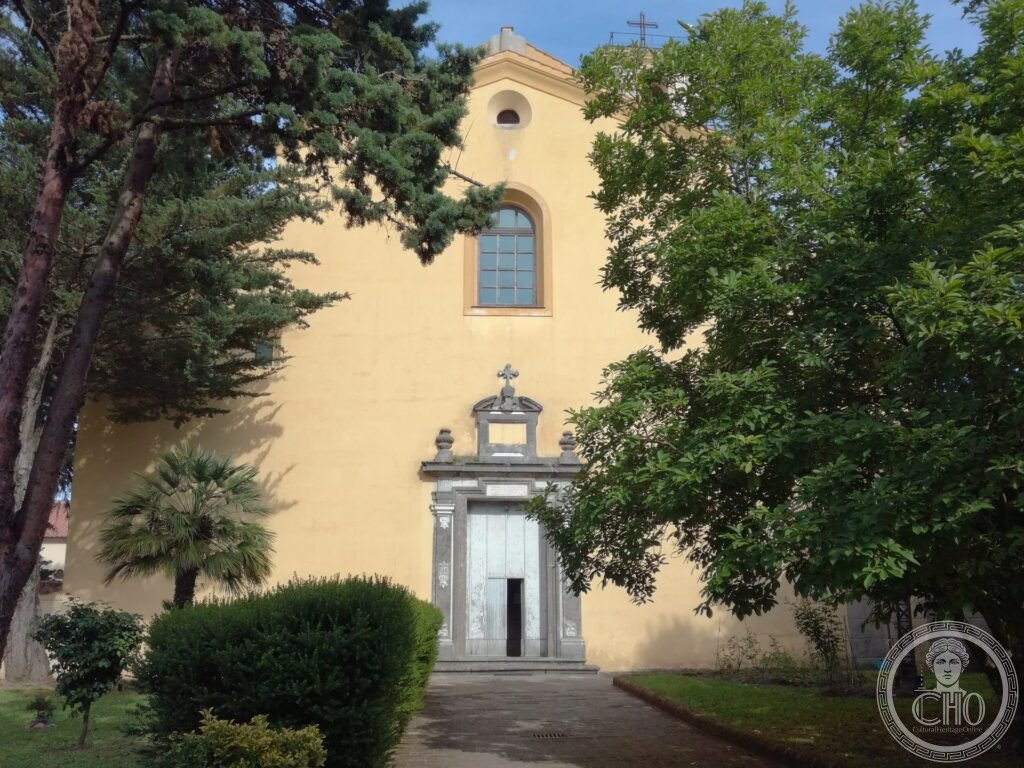
Romuald of Ravenna climbed to 1,100 metres in the Casentino in 1012 and founded here the hermitage that would give rise to a monastic order joining the solitude of the hermit to the obedience of the cenobite — an improbable balance the Camaldolese monks still live out today in separate cells in the centuries-old fir wood.
At a glance
Camaldoli is a Benedictine hermitage in the Casentino Forests National Park, near Arezzo in eastern Tuscany, at an altitude of about 1,100 m. It was founded in 1012 by Saint Romuald of Ravenna, a Benedictine monk who sought a stricter form of eremitic life than the Benedictine Rule normally allowed. Romuald’s innovation was to combine two forms of monastic life — the hermitage (where monks live in individual cells in a forest, meeting only for the Divine Office) and the cenobitic monastery (a community living under a common rule, with a shared refectory and chapter) — in a single institution governed by a double house. The hermitage (Eremo) is 3 km higher up the mountain from the monastery (Monastero); both still function today. The Casentino beech and fir forest around Camaldoli is one of the most ancient managed forests in Italy: it has been under the monks’ stewardship since 1012 and is now part of a national park and a UNESCO biosphere reserve.
Key facts
- Founded: 1012 by Saint Romuald of Ravenna (c. 952–1027); approved by Pope Benedict VIII in 1018
- Camaldolese Order: combines eremitic life (hermitage, individual cells) and cenobitic life (monastery, common life); daughter-order of Benedictines; spread to Germany, Poland, France, Americas
- Eremo: 20 individual hermit cells in the forest at 1,100 m; each cell has a small oratory, bedroom, workshop and garden; the monks meet only for the Office and meals on feast days
- Monastery (Monastero): 3 km lower, 800 m altitude; full cenobitic community; pharmacy famous for herbal preparations
- Forest: Foresta di Camaldoli — under monastic stewardship since 1012; ancient firs (Abies alba) and beeches; now in Parco Nazionale Foreste Casentinesi; UNESCO biosphere reserve
- Lorenzo de’ Medici: hosted the Platonic Academy at the monastery in 1468; Cristoforo Landino immortalised the 1468 gathering in his Disputationes Camaldulenses, with Marsilio Ficino among the humanists linked to Camaldoli
History
Romuald of Ravenna was one of the most restless reformers of early 11th-century monasticism. After years of wandering between Benedictine monasteries and hermit caves throughout northern Italy, he received land from Count Maldolo in the Casentino forest and founded the hermitage that bore the count’s name: “campus Maldoli” → Camaldoli. Pope Benedict VIII approved the foundation in 1018, and the Camaldolese Congregation was formally constituted as a distinct order within the Benedictine family in the 11th century.
The Camaldolese became known for their intellectual tradition: the monastery library and scriptorium were notable from the 12th century, and in 1468 Lorenzo de’ Medici hosted a gathering of Platonic philosophers at Camaldoli (the “Platonic Academy of Camaldoli”) that included Marsilio Ficino and later became celebrated in Renaissance intellectual history. The monastery pharmacy — producing herbal medicines, liqueurs and cosmetics from plants grown in the monastic herb garden — has been in operation since the Middle Ages; it is one of the most famous monastic pharmacies in Tuscany.
What you see
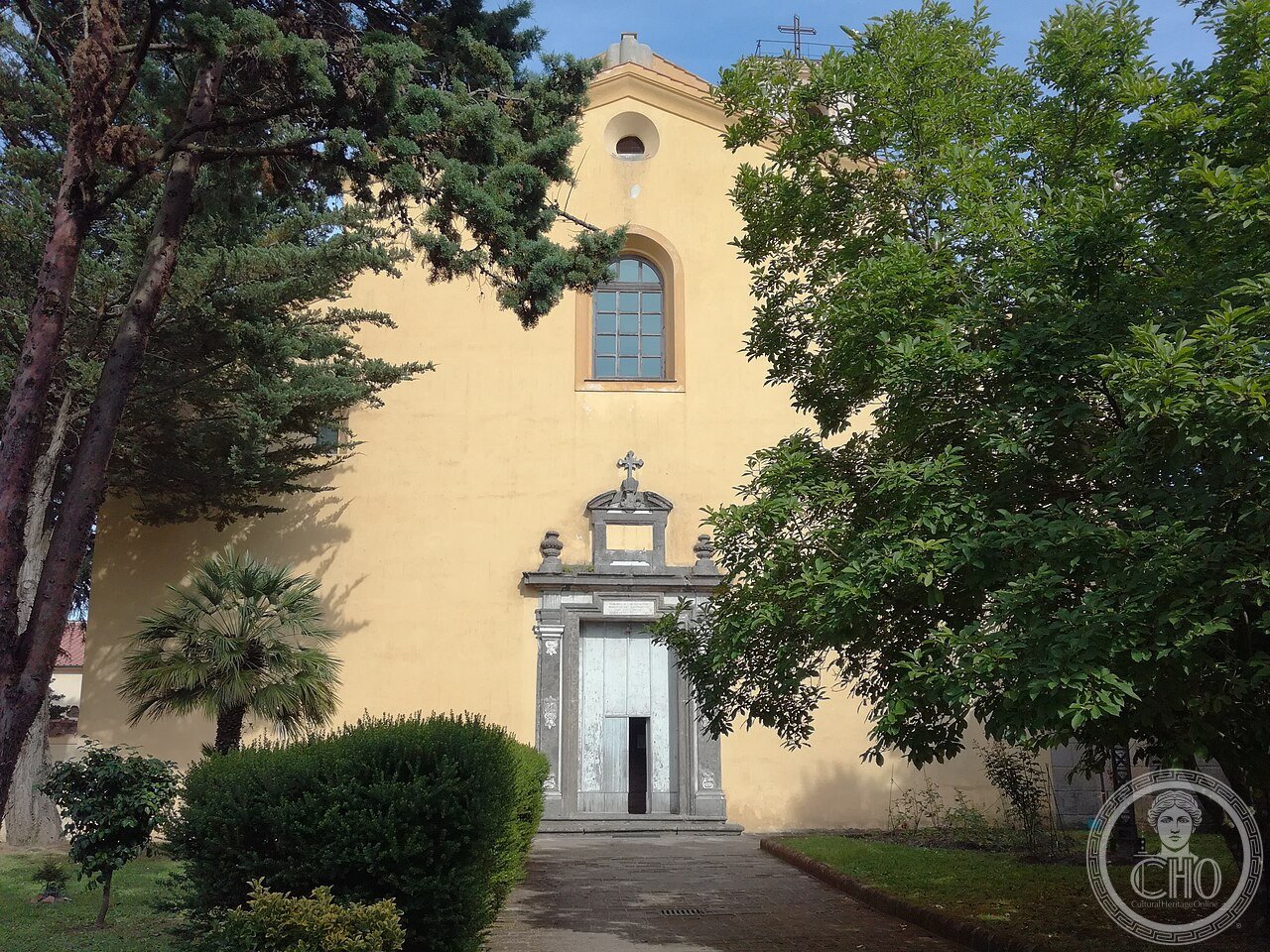
The approach to the Eremo from the car park below is on foot through the ancient fir forest — trees of extraordinary girth, the forest floor carpeted in wood anemone and fern, almost no undergrowth, the canopy 30 m overhead. The hermitage itself is a walled village of individual cells: white-plastered stone houses, each with its own private garden enclosed by a high wall, arranged along a single lane that leads to the church. The church is modest by monastic standards — a single nave, the cells’ individual oratories attached to each house, the community gathering here only for major feasts. The atmosphere is one of intentional simplicity: the forest, the silence, the white walls, the bells marking the hours.
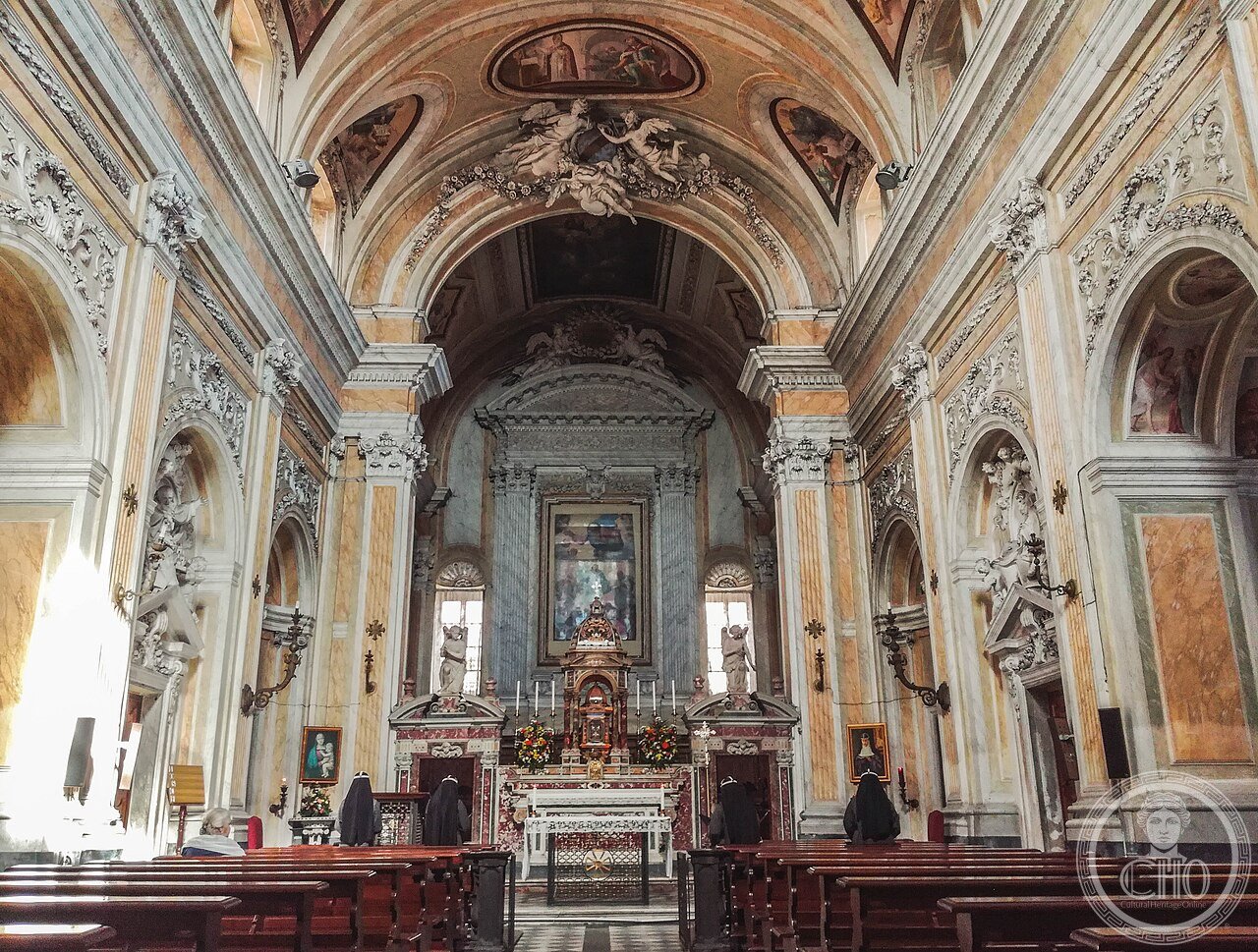
The monastery 3 km below (the Monastero di Camaldoli) is more accessible and more conventionally monastic: a Baroque church with 16th-century frescoes, a cloister, a refectory, and the famous pharmacy with its full range of products. The pharmacy was founded in 1048 and has operated continuously; its herbal liqueurs (Elisir di Camaldoli), creams and tinctures are sold in the shop and available to order by post.
Practical information
- Eremo: open daily 06:30–10:30 and 15:00–17:30 (winter); 06:30–10:30 and 15:00–18:30 (summer)
- Monastero: open daily 09:00–12:30 and 14:30–18:30; pharmacy open same hours
- Silence: visitors are asked to maintain silence in the hermitage area; this is an active community of hermits
- Best season: spring and autumn for forest atmosphere; winter for snow and absolute silence; summer for day-trippers from Florence (60 km)
- Time needed: Eremo 45 minutes; Monastero + pharmacy 1 hour; combined 2.5 hours
Getting there
By car from Florence (60 km): SS70 east through Pontassieve and Consuma pass, then north to Camaldoli; the road is mountain-grade with hairpins. By car from Arezzo (50 km): SS71 north through the Casentino valley to Bibbiena, then forest road to Camaldoli. GPS Eremo: 43.7997° N, 11.7831° E.
Nearby
- La Verna — the Franciscan sanctuary on the rocky spur where Saint Francis received the Stigmata in 1224, 25 km south; the two great Casentino sanctuaries
- Poppi — the Casentino’s most beautiful medieval castle (Conti Guidi), 15 km south-west
- Parco Nazionale Foreste Casentinesi — the largest temperate forest in Italy, covering 36,000 hectares around the monastery
Sources
- Wikipedia — “Hermitage of Camaldoli” (en.wikipedia.org/wiki/Hermitage_of_Camaldoli)
- Giustino Farnedi OSB, Camaldoli: una storia nella storia, Monte Senario, 1983
- Parco Nazionale Foreste Casentinesi — history of the Camaldoli forest
- Camaldoli monastery — official website (camaldoli.it)
Find it on the map
See this place and what’s around it →
Events here — now on & upcoming
- Feast of Saint Romuald — June 1919 Jun 2027See the event →
📷 Become a Cultural Heritage Online photographer
Share your photos of places: they stay published under your name as the author. The more they're seen, the more you get noticed — and soon a contest will reward the most appreciated photos.
Log in or sign up free to add a photoIs this page about you?
This page is read by travellers and heritage enthusiasts who find it on Google. Tell us how you are connected to this place and we will take it from there.