
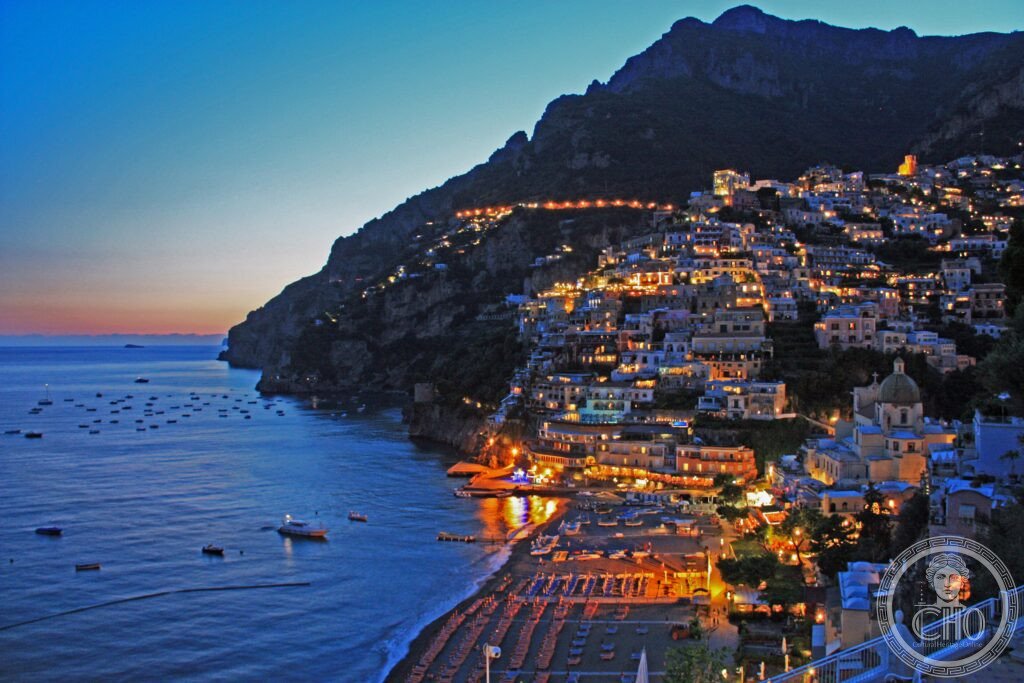
Costiera Amalfitana
La Costiera Amalfitana (UNESCO 1997) è il paesaggio costiero mediterraneo più riprodotto al mondo — 50 km di falesia calcarea tra Positano e Vietri sul Mare, con borghi appesi a 200 m di altezza, terrazze di limoni “Sfusato IGP” costruite in 10 secoli di muretti a secco, ville di Wagner e D.H. Lawrence, e la città di Amalfi che nel IX secolo fu la prima repubblica marinara d’Italia e diede all’Europa il suo primo codice marittimo scritto.
At a glance
Costiera Amalfitana (the most precisely Amalfi coast zone Amalfi Positano Ravello Campania Italy 40.6340 N 14.6026 E UNESCO WHS 1997 reference 830: the SS163 Amalfitana (the Strada Statale 163 “Amalfitana”: the most scenic coastal road in Italy; 50 km from Positano to Vietri sul Mare; opened 1853 CE (commissioned by Ferdinand II of the Two Sicilies; the engineering: the road is carved into the cliff face throughout its length; at its narrowest the road is 5.5 m wide with a cliff above and a drop to the sea below; the specific logistical consequence: the bus (SITA-Sud) and private cars share the road; in summer (July–August) the passing of 2 coaches in the same direction at the narrowest points requires one coach to reverse to the nearest passing point; the recommended solution: use the Travelmar ferry service (Positano-Amalfi-Salerno; €8–12 per sector; no traffic jams; the views from the sea are the definitive view of the coast (the cliffs are only fully visible from the sea)); the Amalfi paper (the Carta Bambagina: Amalfi paper (carta di Amalfi) has been produced since at least 1231 CE (the oldest documented Amalfi paper sale); the specific production (Amalfi paper is a laid paper made from cotton and linen rags (not wood pulp); the water of the Valle dei Mulini (the mill valley behind Amalfi town) is unusually soft (low calcium content; ideal for paper production); the result: Amalfi paper is more durable than wood-pulp paper (lasts 500+ years without yellowing; tested on documents from the 13th century CE); the Museo della Carta (Via delle Cartiere 23, Amalfi; the only surviving historic paper mill in the valley; 11 AM–6 PM Tue–Sun; €4.50; the demonstration of the 2-vat hand-laying process (each sheet is laid individually into a wooden frame dipped in the pulp vat; drained; pressed; dried on stretched hemp nets)); the Tavole Amalfitane (the most important artifact of the Amalfi Maritime Republic: the Tabula de Amalpha (the Amalfi Tables); a maritime code first codified in the 11th century CE (specific date uncertain; documented copies from the 12th century CE; the earliest printed edition 1531 CE); the 67 articles cover: ship ownership, cargo liability, shipwreck salvage, duties of the captain, treatment of sailors, average (general and particular), and prize law; the specific importance (the Tavole Amalfitane were the maritime law of the entire Mediterranean until the end of the 15th century CE; Venice, Genova, Pisa, and even Barcelona acknowledged their authority; the discovery of a copy in the Statute of Trani (Puglia) in 1843 CE established that the Tavole were the source of the Statute of Trani (1063 CE) — itself one of the foundational documents of European commercial law)).
Key facts
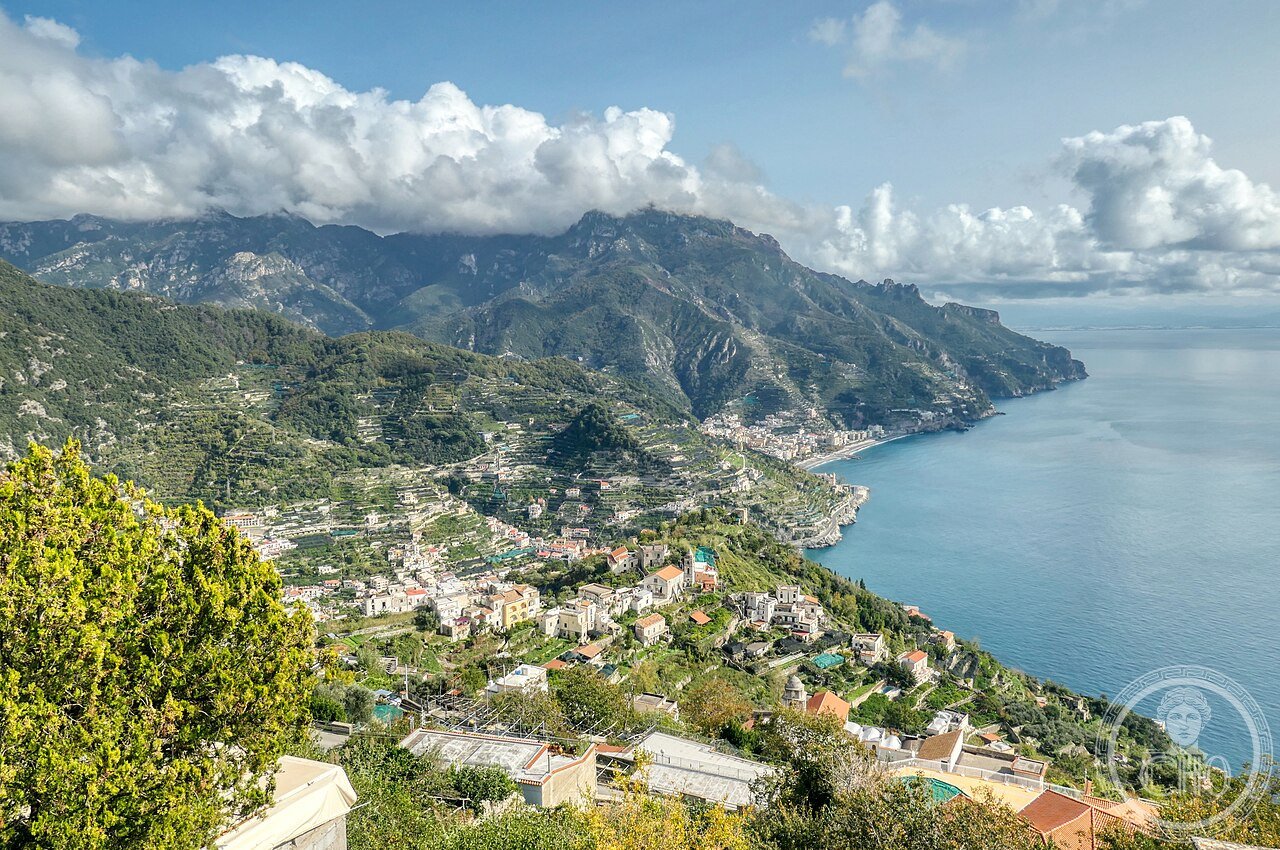
- Ravello: Villa Cimbrone, Villa Rufolo, e i giardini come meta privilegiata di compositori e scrittori: Villa Rufolo (the oldest garden on the Amalfi Coast; built by Nicola Rufolo (a wealthy Amalfitan merchant) in the 13th century CE; the Moorish cloister (the loggia of the courtyard: interlaced arches in a specific pattern derived from Arab-Norman Sicily; the comparison with Monreale (the Monreale cloister (1174–89 CE): the 228 twin columns with pointed arches; the Villa Rufolo cloister (c.1270 CE): 8 pointed arches on 8 columns with the same geometric interlace pattern; the connection (the Rufolo family had commercial and political links with the Norman kingdom of Sicily)); Richard Wagner (the composer visited Villa Rufolo in May 1880 CE; the view of the Tyrrhenian from the Ravello belvedere (the Torre Maggiore terrace) made him exclaim “I have found the Garden of Klingsor” (Klingsor’s magic garden: the enchanted garden in the opera Parsifal (premiered 1882 CE); Wagner’s inspiration for the Klingsor garden scene is documented by his diary entry of 26 May 1880 CE: “Ravello — il giardino di Klingsor”; the Ravello Festival (established 1953 CE) holds its main concerts on the belvedere terrace of Villa Rufolo; the Wagner concert (performed annually in late July–August; the orchestra performs on a stage built over the terrace; the view from the seats: the terrace and sea merge at the horizon at sunset)); Villa Cimbrone (Via Santa Chiara 26; established by Ernest Beckett, 2nd Baron Grimthorpe (a British peer who purchased the abandoned medieval castle in 1904 CE and created the garden from scratch over 10 years); the Belvedere dell’Infinito (the Terrace of Infinity: 8 marble busts on a low wall with a sheer 300 m drop to the sea; the most photographed panoramic point in southern Italy; D.H. Lawrence wrote sections of “Lady Chatterley’s Lover” (1928 CE) in Ravello in 1926; Greta Garbo stayed at Villa Cimbrone in 1938 CE with Leopold Stokowski; Gore Vidal wrote “The City and the Pillar” in Ravello in 1944–45 CE))
- GPS (Duomo di Amalfi, Piazza del Duomo): 40.6340° N, 14.6026° E
History
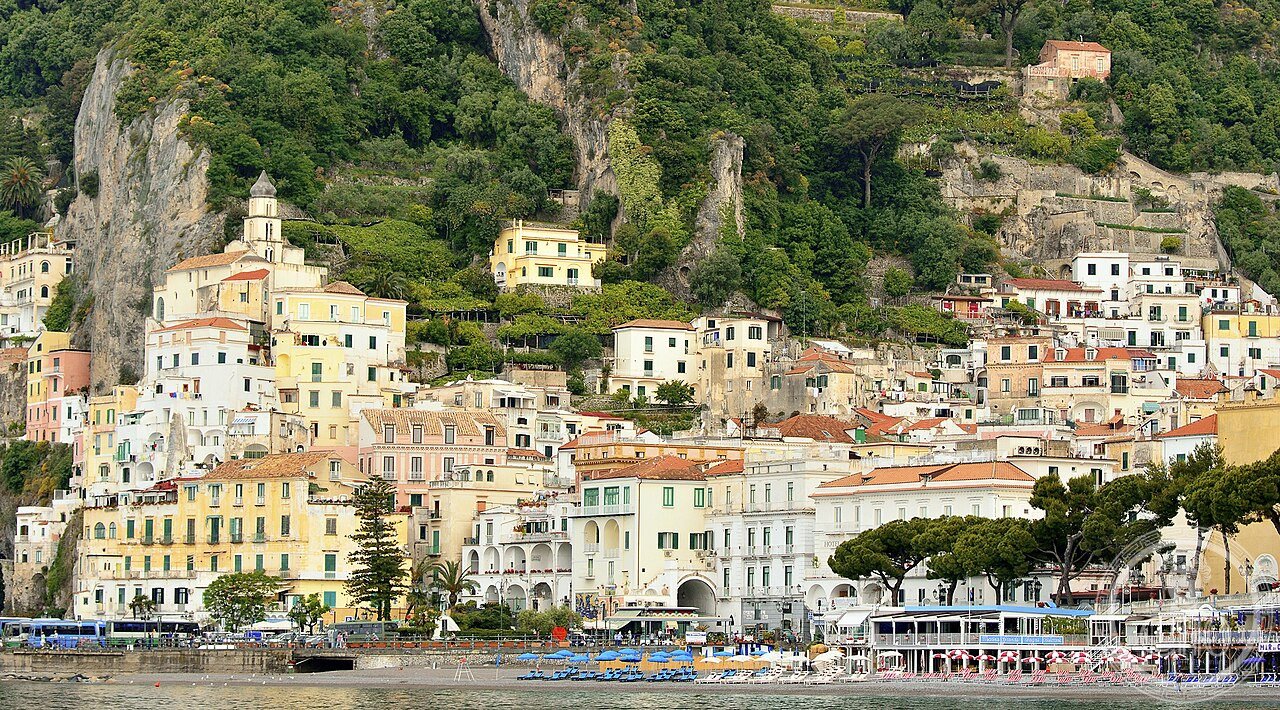
Dalla Repubblica Marinara di Amalfi al Grand Tour europeo all’UNESCO 1997 (the most precisely Amalfi coast history: the Maritime Republic of Amalfi (839 CE: Amalfi declared independence from the Byzantine Duchy of Naples, becoming the first independent maritime republic in Italy (note: Venice (697 CE) is technically earlier as an independent duchy, but Amalfi was the first city to use the specific title “Repubblica Marinara”)); the specific peak (the 10th–early 11th century CE: Amalfi was one of the most important trading cities in the Mediterranean; trade routes to Constantinople, Alexandria, Tunisia, and the Levant; the Amalfitan quarter in Constantinople (the Fondaco degli Amalfitani: the trading post in Constantinople that preceded the Venetian quarter by at least 50 years); the papal connection (the Hospital of the Knights of St John of Jerusalem was founded in 1099 CE in Jerusalem by Blessed Gérard by Amalfitan merchants (the Murston document: a 1070 CE document records Amalfitan merchants operating a hospice in Jerusalem for Christian pilgrims; this is the origin of the Knights Hospitaller)); the Norman conquest (1131 CE: Roger II of Sicily incorporated Amalfi into the Kingdom of Sicily; the end of the independent Republic; however, the Tavole Amalfitane continued to be used as the Mediterranean maritime code for another 4 centuries); the Grand Tour (1768–1870 CE: Amalfi and the Costiera became a standard stop on the Grand Tour of English and German aristocrats; the specific travelers: Goethe (1786 CE: “Italia” does not mention Amalfi specifically but describes the Neapolitan coast from Pozzuoli); Turner (visited 1819 CE: 3 paintings of the Amalfi coastline from the sea; the “Amalfi” (1831 CE) watercolor is in the British Museum); Ibsen (1879 CE: wrote “A Doll’s House” in Amalfi; the hotel where he stayed (the Hotel Cappuccini Convento: a 13th-century Capuchin convent converted to a hotel in 1831 CE; the panoramic terrace (105 m above sea level) overlooking the harbor))); 1997 CE UNESCO inscription reference 830.
What you see
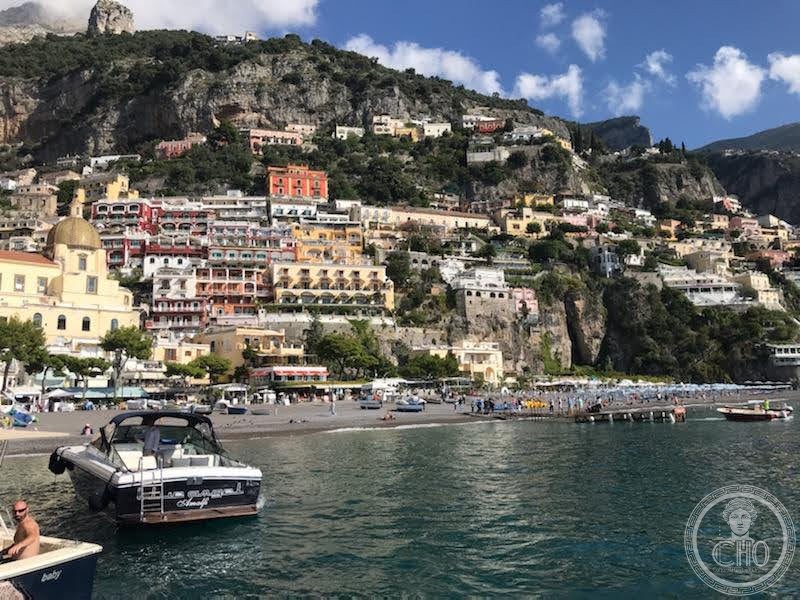
Positano (la scalinata), il Duomo di Amalfi, Ravello (Villa Rufolo, Villa Cimbrone), e la Valle dei Mulini (the most precisely Amalfi coast visit (2 days minimum, 3 ideal): Day 1 Positano: arrive by ferry from Napoli (Travelmar from Napoli Beverello; 1h30; €25; the approach from the sea is the definitive experience (the 4-km sequence of terraced houses descending from 400 m to sea level appears from the water as a single vertical composition)); the scalinata (the staircase network connecting all levels of the village; the Staircase Via Positanesi d’America (named after the 19th-century emigrants who sent money back to maintain it): 200 steps from the harbourfront to the Piazza dei Mulini at mid-level); the Duomo di Santa Maria Assunta (the Byzantine icon of the Virgin Mary (“Black Madonna”): the church displays a 13th-century Byzantine panel painting acquired by Amalfitan merchants from Constantinople (tradition: the painting fell from a Saracen ship that was driven ashore by a miraculous storm in 1147 CE, along with the famous bell that became the church’s campanile bell)); Day 2 Amalfi + Ravello: the ferry or bus from Positano to Amalfi (ferry: 30 min; bus: 40 min); the Duomo di Amalfi (the Duomo di Sant’Andrea (1204 CE facade; rebuilt 1891 CE in an Arab-Norman style very close to the original (the 1203 CE earthquake destroyed the original Norman facade; the 1891 rebuild uses the same blind arch pattern as the surviving Moorish cloister of the Chiostro del Paradiso adjacent)); the Chiostro del Paradiso (1268 CE: the funerary cloister of the Amalfi Cathedral; 120 paired marble columns with arched arcades; the Saracenic-influenced pointed horseshoe arches; the tombs of the Amalfitan nobility (12th–14th century CE sarcophagi inside the arcades)); the Valle dei Mulini (Via Fiume: the path along the Canneto river; 45 min walk; 14 paper mill ruins); bus to Ravello (SITA-Sud: 20 min; €1.30; 1 bus/hour); Villa Rufolo + Villa Cimbrone (2–3 hours; see facts section)).
Practical information
- Come raggiungere la Costiera Amalfitana da Napoli e Sorrento, evitando il traffico estivo sulla SS163: dalla Napoli Beverello: Travelmar ferry (giugno-settembre: 4 corse/giorno; 1h30 per Positano €21; 1h45 per Amalfi €25; il percorso in traghetto evita completamente la SS163 congestionata); da Sorrento: SITA-Sud bus per Positano (40 min; €2.70; ma da luglio ad agosto: 1h30 per traffico; partire prima delle 8:30 AM o dopo le 5 PM); da Napoli Centrale: Circumvesuviana fino a Sorrento (1h; €4.60) poi SITA-Sud; in agosto (la settimana di Ferragosto = 13-18 agosto CE: la SS163 viene chiusa ai veicoli privati il 15 agosto; solo i bus SITA-Sud e i taxi operano; il sistema di prenotazione ferry (TraghettiFast.it e Travelmar.it: prenotare con almeno 48 ore di anticipo in luglio-agosto; le corse del tardo pomeriggio si esauriscono rapidamente); la costiera fuori stagione (maggio, settembre, ottobre: la SS163 è percorribile senza traffico; la temperatura dell’acqua (19°C in maggio, 25°C in settembre); la Sagra del Limone (festival del limone Sfusato Amalfitano IGP: solitamente a fine maggio; la piazza del Duomo di Amalfi; assaggi di prodotti al limone (limoncello, torta di limone, pasta al limone, granita al limone; il Delizia al Limone: il dolce tipico della Costiera: una semisfera di pasta biscotto con crema al limone e ganache di limoncello; il costo: €3.50–5 in pasticceria locale vs €8–12 nei ristoranti turistici del lungomare))
Getting there
Da Napoli Beverello: Travelmar ferry (1h30 Positano €21, 1h45 Amalfi €25; giugno-settembre). SITA-Sud bus da Sorrento (40 min, €2.70; evitare agosto traffico). Ravello: bus da Amalfi SITA-Sud (20 min, €1.30). GPS Duomo Amalfi: 40.6340, 14.6026.
Nearby
- Pompei ed Ercolano — 35 km nord (UNESCO WHS 1997; Circumvesuviana da Sorrento: Pompeii Scavi 30 min €2.80; Ercolano Scavi 45 min €2.20; biglietto cumulativo €22)
- Paestum: Templi Greci — 55 km sud (UNESCO WHS 1998; 3 templi dorico del V-IV sec. a.C.; i meglio conservati fuori dalla Grecia; bus CSTP da Salerno 50 min €2; open daily 8:30am-7pm; €12)
Gallery

Sources
- Wikipedia, Amalfi Coast; Amalfi; Ravello; Positano; Villa Cimbrone; Villa Rufolo, accessed June 2026
- UNESCO, Costiera Amalfitana, WHS reference 830, inscribed 1997
- Pane, Roberto. Architettura dell’età borbonica in Campania. Napoli: Fausto Fiorentino, 1956 (the standard monograph on the architecture of the Amalfi coast villages)
Find it on the map
See this place and what’s around it →📷 Diventa un fotografo di Cultural Heritage Online
Condividi le tue foto dei luoghi: restano pubblicate con la tua firma come autore. Più vengono viste, più ti fai conoscere — e presto un concorso premierà le foto più apprezzate.
Accedi o registrati gratis per aggiungere una foto