
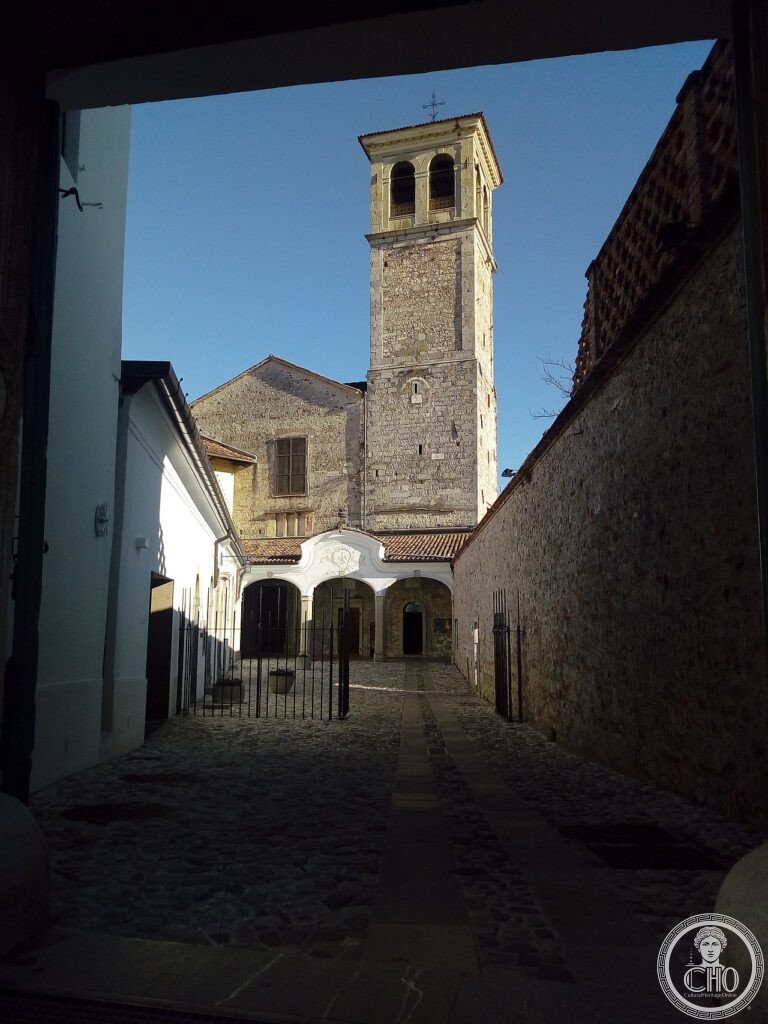
Cividale del Friuli
Cividale del Friuli (UNESCO 2011, rif. 1318 Longobardi in Italia) fu la prima capitale longobarda in Italia — fondata da Cesare come Forum Iulii e scelta da Alboino nel 568 CE come testa di ponte per la conquista, conserva il Tempietto Longobardo (VIII sec. CE), il monumento longobardo più integro al mondo, con sei sante in stucco policromo che guardano dall’alto del borgo medievale sul Natisone turchese.
At a glance
Cividale del Friuli Longobardi (the most precisely Cividale zone Cividale del Friuli Udine Friuli-Venezia Giulia Italy 46.0933 N 13.4330 E UNESCO WHS 2011 reference 1318 Longobards: the site (Cividale del Friuli: the first Lombard capital in Italy (568 CE; Alboino (the Lombard king who led the invasion of Italy in April 568 CE: 200,000 people crossed the Alps through the Julian Alps pass (the “Claustra Alpium Iuliarum” defense line) between April 1 and April 6, 568 CE; the specific crossing point: the Predil Pass (1156 m altitude; Friuli); Cividale was the first Italian city occupied)); the Tempietto Longobardo (the most complete surviving Lombard interior in the world: a small oratory (8.5 m × 5.8 m × 7.4 m height) with its original 8th century CE stucco program almost entirely intact; the 6 female saints in stucco (the most important sculptural element: 6 female figures in high relief (the figures are 1.1–1.2 m tall; the relief depth is 15-25 cm; the faces are individually modeled with distinct physiognomies) over a windowsill in the west wall; their identity: disputed (the most accepted identification: the 3 on the left = St. Anastasia + St. Eufemia + St. Costanza; the 3 on the right = St. Crisogono + St. Tecla + St. Agata; a 2002 CE study by Gianvittorio Signorotto proposes instead that the 6 represent virtues (Fede, Speranza, Carità, Prudenza, Giustizia, Fortezza))); the Forum Iulii (Cividale del Friuli: the city whose name gave the name to the entire region of Friuli (Forum Iulii → Friuli: the phonetic reduction of the Latin toponym through the medieval Lombard dialect); Julius Caesar founded the city c.50 BCE as a supply base for the Pannonian campaigns)).
Key facts
- Il Tempietto Longobardo di Cividale: perché le 6 sante in stucco dell’VIII sec. CE sono la più importante opera d’arte plastica sopravvissuta di tutta l’arte longobarda: the Tempietto stucco program (the Tempietto Longobardo (the “little temple”: the popular name for the Oratorio di Santa Maria in Valle (the official dedication since 1195 CE)); the stucco program: the entire interior surface (walls, arches, windowsills, lunettes) was originally covered with polychrome stucco (the original polychromy: a 2008 CE XRF spectroscopy analysis by the Universitadi Udine found residues of: (1) red lead (Pb₃O₄) on the faces and hands of the 6 figures; (2) azurite blue (2CuCO₃·Cu(OH)₂) on the robes; (3) gold leaf (gold + copper alloy) on the halos and the frieze above the 6 figures); the 6 saints (the most photographed element of the entire UNESCO Longobards in Italy inscription; the specific body proportion: the Tempietto figures use the Lombard (Germanic) body canon (the Körperschema), which differs from the Byzantine canon: in the Lombard canon, the head:total body ratio is 1:7 (vs Byzantine 1:8); the larger head makes the figures appear more frontal and direct than Byzantine equivalents; the frieze (the interlaced foliate frieze above the 6 figures: 0.8 m high, 5.8 m long; the foliate interlace has been shown (comparison by Francesco Forlani, 2014 CE) to be identical in both design and execution to contemporaneous Lombard goldsmith work (fibulae, belt-plates, sword guards) from Lombard cemeteries of the Friuli: the same craftsmen may have worked in both media)); the location (the Tempietto is inside the Museo Cristiano di Cividale: Via Monastero Maggiore 2; open Tue–Sun 9:30 AM–6 PM; €5)
- GPS (Cividale del Friuli, Ponte del Diavolo): 46.0933° N, 13.4330° E
History
Da Julius Caesar 50 BCE al re Alboino 568 CE al UNESCO 2011 (the most precisely Cividale zone history: the Roman foundation (Forum Iulii: the oldest documentary mention of the city by its Latin name is in the geographic work of Pomponius Mela (c.43 CE De Chorographia 2.3.13): “Forum Iulii in ora Adriatica” (the Forum of Julius, on the Adriatic coast): Cividale is 70 km from the Adriatic but Mela’s geography was known to be imprecise); the Lombard capital (568 CE: King Alboino (king of the Lombards 560–572 CE) entered Italy through the Julian Alps with approximately 200,000 people (warriors + families + allies from other Germanic and Pannonian peoples); Cividale was chosen as the first capital because of its existing Roman infrastructure (roads, granaries, aqueduct) and its position controlling the only Alpine pass from Pannonia into Italy)); the Lombard Duchy (the Duchy of Forum Iulii (Cividale): the first and most important of the 36 Lombard duchies in Italy (568–776 CE); the duchy controlled the territory from the Alps to the Adriatic; the most important duke: Rodoaldo (duke of Forum Iulii c.660–671 CE) who built the Tempietto Longobardo (the documentary evidence: a 9th century CE chronicle (Paulus Diaconus, Historia Langobardorum 5.22) describes “oraculum novum pulcherrimum” (a beautiful new oratory) at Forum Iulii during the reign of Rodoaldo)); the UNESCO inscription (2011 CE: reference 1318 “Longobards in Italy: Places of the Power (568-774 AD)” — 7 sites in total).
What you see
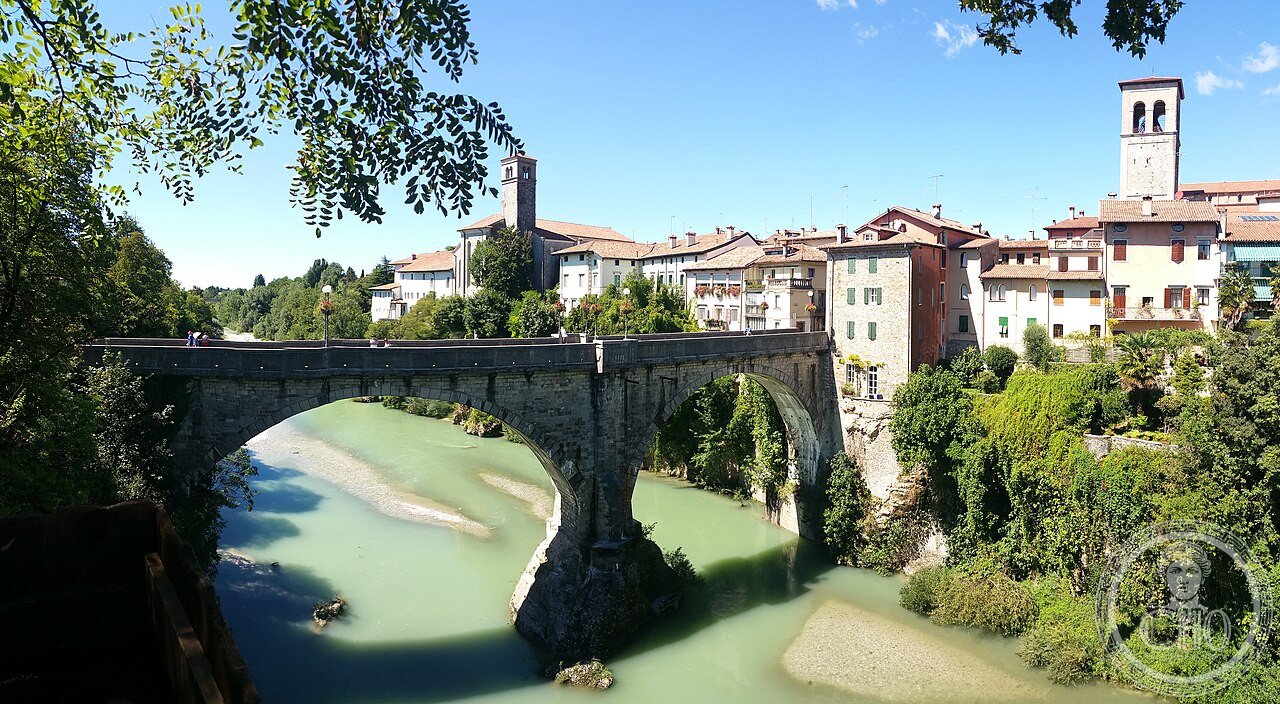
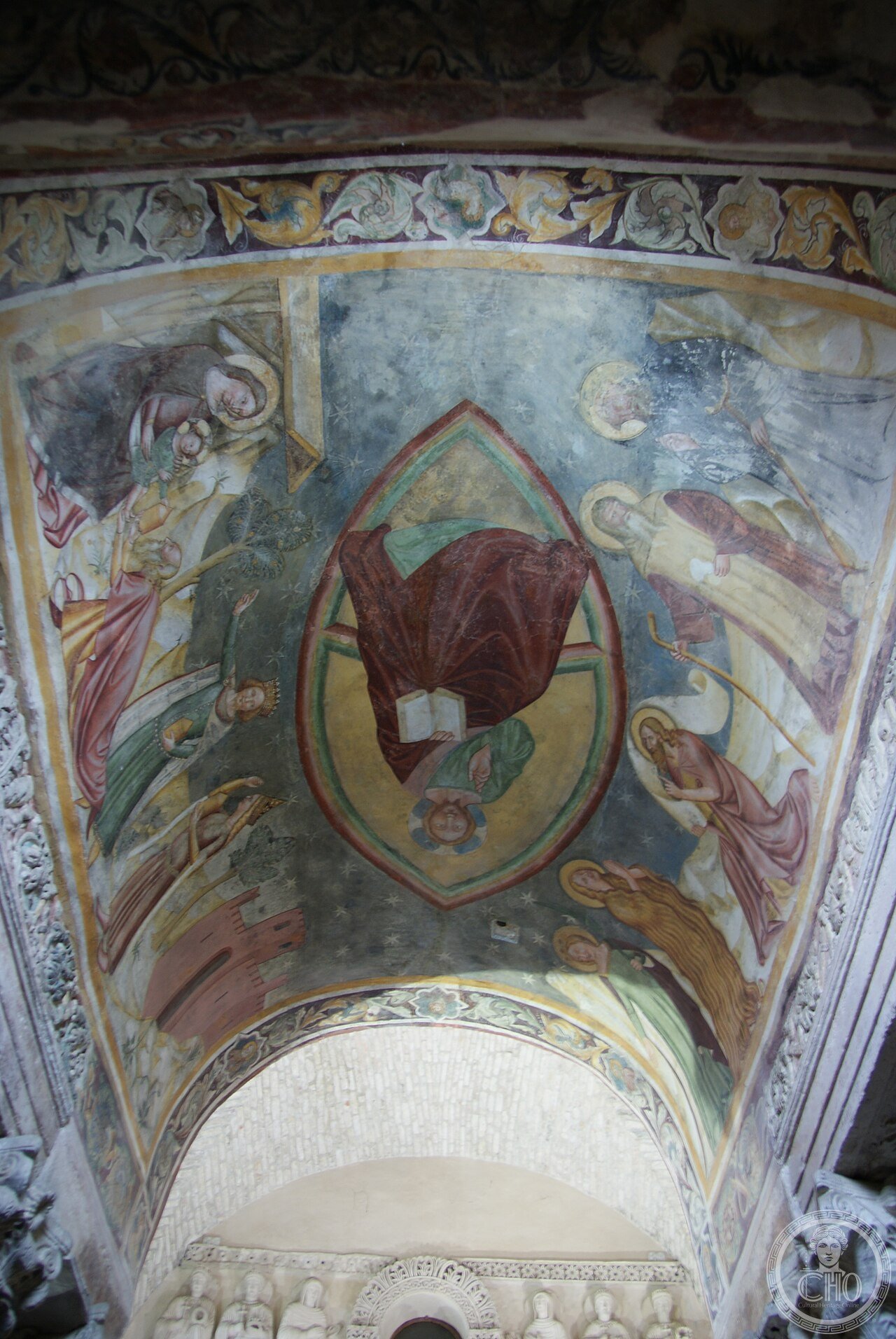
Il Tempietto, il Duomo, il Battistero, il Natisone, e il borgo (the most precisely Cividale zone visit (2.5–3 hours): the Tempietto Longobardo (the principal attraction: Museo Cristiano, Via Monastero Maggiore 2; the viewing sequence: enter from the east door → turn west: the 6 sante in stucco are in the west wall lunette at 3 m height (use the binoculars available at the museum entrance to see the facial details: the individualized physiognomy of each saint is visible only at zoom); the Duomo di Santa Maria Assunta (the cathedral of Cividale: begun 1453 CE in Gothic style on the site of the 7th century CE Lombard basilica; the facade (16th century CE by Pietro Lombardo (1435–1515 CE); the “Altare di Ratchis” (the Altar of King Ratchis (742-744 CE): the most important surviving Lombard sculpted object; 3 marble panels (85 cm × 175 cm each) with the Majestas Christi (Christ in a mandorla carried by angels) on the front, the Visitation and Nativity on the sides; the Museo Cristiano); the Battistero del Callisto (the Baptistery of Patriarch Callisto (730 CE): an octagonal building (10 m diameter) with 5 Lombard carved marble columns (c.730 CE; the columns are 3.2 m tall with interlaced palmette capitals in the Lombard goldsmith style); the Ponte del Diavolo (the Devil’s Bridge: the 1442 CE bridge; GPS: 46.0933, 13.4330; the best viewpoint: from the Belvedere di Purgessimo park (100 m northwest of the bridge); the turchese/smeraldo color of the Natisone river).
Practical information
- Come raggiungere Cividale da Udine e combinare il Tempietto con il Duomo, il Battistero e il Ponte del Diavolo: il trasporto (Venezia → Udine: Trenitalia IC (1h30; €18) o Frecciarossa (1h10; €28); Udine → Cividale: ferrovia Ferrovia Udine-Cividale SpA (20 min; €2.60; ogni 30 min; il treno locale della ferrovia privatizzata dell’Udine–Cividale; aperta 1886 CE; tuttora in servizio con convogli Stadler Flirt 2020 CE); la visita (il circuito completo: Tempietto (1h) → Duomo con Altare di Ratchis (30 min) → Battistero del Callisto (20 min) → Ponte del Diavolo e Natisone (30 min) → pranzo: Osteria Al Fortino (Via Carlo Alberto 46; i “cjarsons carnici” (i ravioli dolci-salati del Friuli: ripieno di ricotta + erbe aromatiche + uvetta + cioccolato fondente; €14)); partenza da Udine 9:00 → rientro 16:30))
Getting there
Ferrovia Udine–Cividale (20 min, €2.60, ogni 30 min). Auto: A23 uscita Udine Nord poi SS54 (30 min). GPS Tempietto: 46.0933, 13.4330.
Nearby
- Abbazia di Rosazzo (Manzano) — 10 km (la più antica abbazia del Friuli (Benedettini, c.1070 CE); il chiostro romanico; i vigneti di Friulano e Ribolla Gialla; €5)
- Aquileia (UNESCO 1998 rif. 825) — 45 km (il mosaico paleocristiano più grande del mondo (37.000 m²); il porto romano fluviale; la Basilica di Santa Maria Assunta (313 CE))
Gallery
Sources
- Wikipedia, Cividale del Friuli; Tempietto Longobardo; Baptistery of Callisto, accessed June 2026
- UNESCO, Longobards in Italy: Places of the Power (568-774 AD), WHS reference 1318, inscribed 2011
- Paulus Diaconus. Historia Langobardorum, c.790 CE (primary source for the 568 CE Lombard invasion)
Find it on the map
See this place and what’s around it →📷 Diventa un fotografo di Cultural Heritage Online
Condividi le tue foto dei luoghi: restano pubblicate con la tua firma come autore. Più vengono viste, più ti fai conoscere — e presto un concorso premierà le foto più apprezzate.
Accedi o registrati gratis per aggiungere una foto