
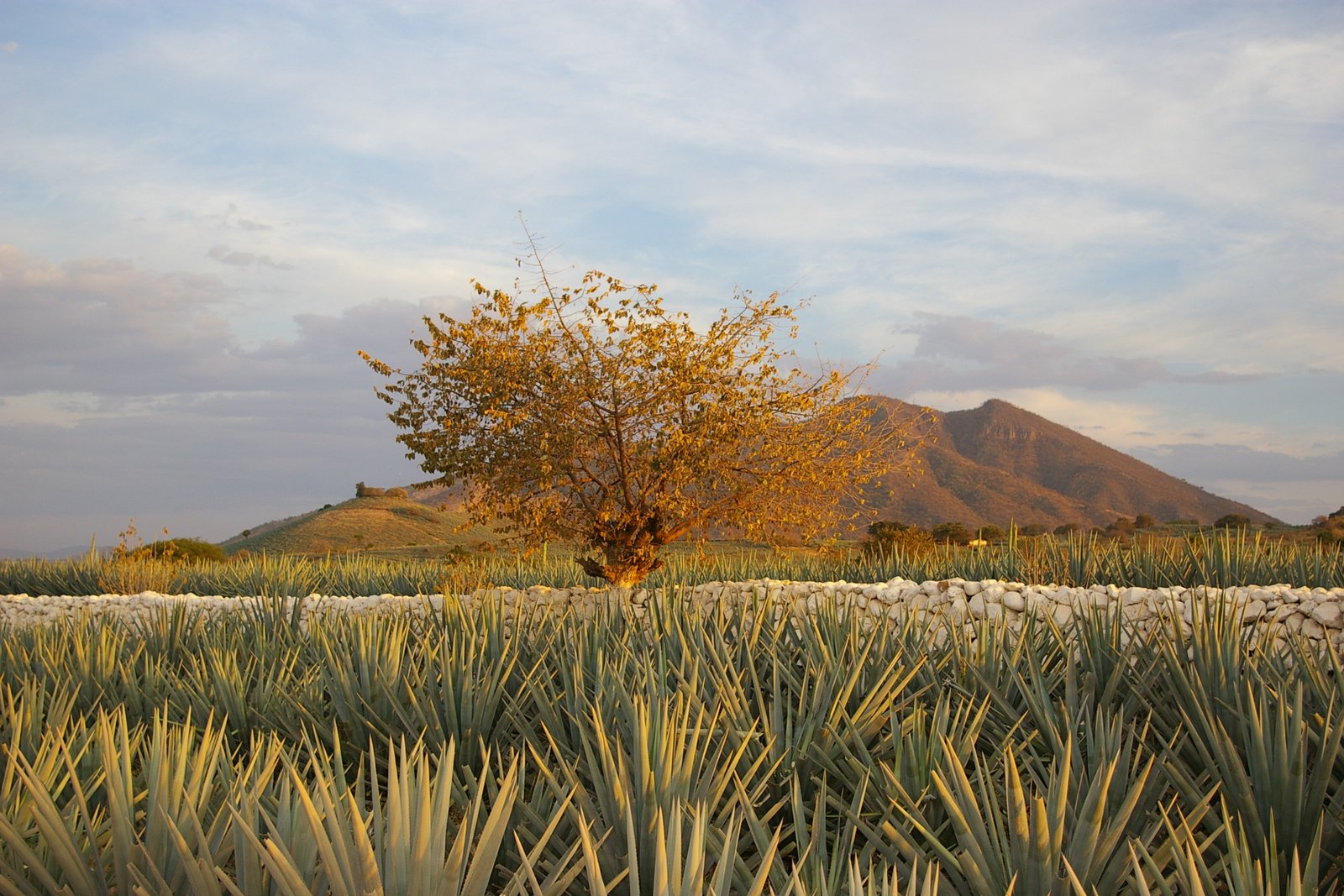
A vast silver-blue sea of agave stretches between an extinct volcano and a deep canyon in Jalisco — the world’s most iconic agro-industrial landscape and the living birthplace of tequila, recognised by UNESCO in 2006 for blending ancient pre-Hispanic cultivation with a 500-year-old distillation tradition that defines Mexico’s national identity.
At a glance
The inscribed cultural landscape covers approximately 34,658 hectares of the Jalisco highlands between the extinct Tequila Volcano (2,940 m) and the Río Grande de Santiago canyon. Its defining feature is the endless geometry of blue agave fields — the silvery-blue succulent Agave tequilana Weber — interspersed with over 150 active distilleries ranging from colonial-era tabernas to modern fábricas. The town of Tequila, founded in 1530, is the historic and commercial heart of the region.
Key facts
- UNESCO inscription: 2006, as a cultural landscape (List No. 1209)
- Area: approximately 34,658 hectares
- Location: Jalisco state, Mexico, between Tequila Volcano and Río Grande de Santiago
- Plant: Agave tequilana Weber (blue agave) — matures in 6–12 years; piña weighs 40–100 kg at harvest
- Harvesters: Jimadores using a coa, a specialised circular cutting blade
- Active distilleries: over 150 in the inscribed area
- Oldest infrastructure: 18th-century tabernas and fábricas
History
The cultivation of agave in this valley predates the Spanish Conquest by millennia. The indigenous Nahua and earlier peoples fermented the sap into pulque, a ceremonially significant drink consumed in religious rituals. When Spanish colonisers arrived in the 16th century they introduced distillation technology, transforming the fermented tradition into a distilled spirit. The first documented distilleries appeared around Tequila town in the late 16th century; by the 18th century the industry had formalised and spread across the Jalisco highlands. The town of Tequila was founded in 1530 and became the nexus of an industry that would define Mexico’s national identity on the world stage. UNESCO’s inscription in 2006 recognised the exceptional convergence of pre-Hispanic agricultural knowledge, colonial-era industrial technology, and a living tradition operating continuously for over 500 years.
What you see
The landscape itself is the monument. Approach from any direction and the eye is drawn to the precise geometric rows of blue-grey agave extending to the horizon — each plant a rosette of stiff, spine-tipped leaves 1–2 metres high. Against the backdrop of Tequila Volcano the effect is simultaneously agricultural and otherworldly. Within this carpet of agave sit the distilleries: colonial stone tabernas with hornos for roasting the harvested piñas, crushing mills (tahona), fermentation vats, and copper pot stills. The town preserves 18th-century distillery facades alongside tasting rooms and the Cuervo estate. The landscape is actively farmed — visitors frequently witness jimadores harvesting, wielding the coa with practised precision to strip each agave to its heart.
Outstanding Universal Value
UNESCO recognised three interlocking layers of significance. First, the pre-Hispanic dimension: the Nahua’s centuries-long management of agave established an agricultural system that shaped the valley’s ecology and economy. Second, the colonial industrial layer: the introduction of distillation created a hybrid technology fusing indigenous botanical knowledge with European craft production. Third, living continuity: unlike many inscribed industrial landscapes frozen at decline, the Tequila landscape remains fully operational — fields are planted, piñas are harvested, fermentation continues, and tequila is exported globally, creating an unbroken chain of practice from pre-Hispanic times to the present.
Practical information
- Base town: Guadalajara (50 km east) provides the widest accommodation; Tequila town has boutique hotels within the distillery zone
- Access: Highway 15D from Guadalajara to Tequila (45 min); the José Cuervo Express train runs weekend excursions from Guadalajara
- Distillery tours: Cuervo, Herradura, Sauza all offer guided tours with tastings; book ahead at weekends
- Best time: November–February (harvest season) to see jimadores at work
- Language: Spanish predominates; main distilleries offer English-language tours
Getting there
Guadalajara International Airport (GDL) is the natural gateway, served by direct flights from North American and European hubs. From Guadalajara, Highway 15D west reaches Tequila town in approximately 45 minutes by car or bus. The José Cuervo Express tourist train departs Guadalajara on weekend mornings and includes distillery access. Tequila town is compact and walkable; the main distilleries are within 10 minutes of the central plaza.
Nearby
Guadalajara, 50 km east, is Mexico’s second city and offers colonial architecture, the birthplace of mariachi, and the Hospicio Cabañas UNESCO World Heritage site. The town of Amatión (15 km south-east) is home to the Herradura distillery estate. Volcán de Tequila (2,940 m) can be climbed for panoramic views over the agave sea. Lake Chapala (50 km south-east) extends a natural landscape itinerary.
Sources
- UNESCO World Heritage: Agave Landscape and Ancient Industrial Facilities of Tequila (List No. 1209)
- Wikipedia: Agave Landscape and Ancient Industrial Facilities of Tequila
- Consejo Regulador del Tequila: crt.org.mx
Find it on the map
See this place and what’s around it →📷 Become a Cultural Heritage Online photographer
Share your photos of places: they stay published under your name as the author. The more they're seen, the more you get noticed — and soon a contest will reward the most appreciated photos.
Log in or sign up free to add a photo