travel

UNESCO Heritage Sites Near Meteora, Greece

UNESCO Heritage Sites Near Meteora, Greece

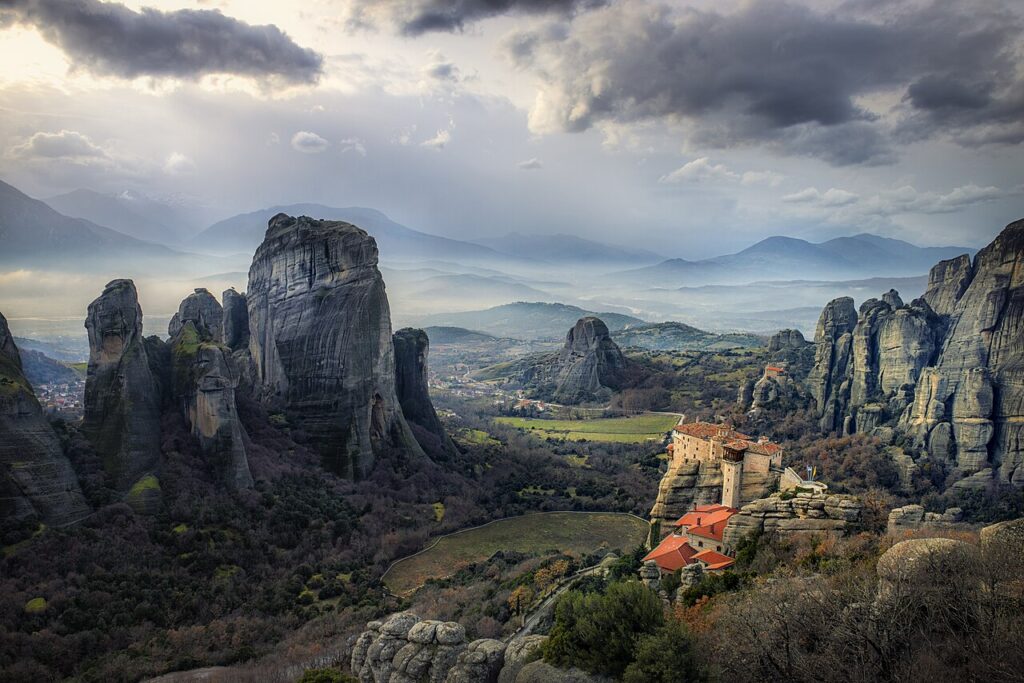
Meteora’s six surviving Orthodox monasteries stand on sandstone pillars up to 400 metres tall in Thessaly, central Greece — formed 60 million years ago and first inhabited by hermit monks in the 9th century. At the site’s 16th-century peak, 24 monasteries operated, their construction materials and inhabitants hoisted up cliff faces in nets; steps into the rock were not cut until the 1920s. UNESCO listed Meteora as a mixed natural and cultural World Heritage Site in 1988.
UNESCO Heritage Sites Near Mount Athos, Greece

UNESCO Heritage Sites Near Mount Athos, Greece

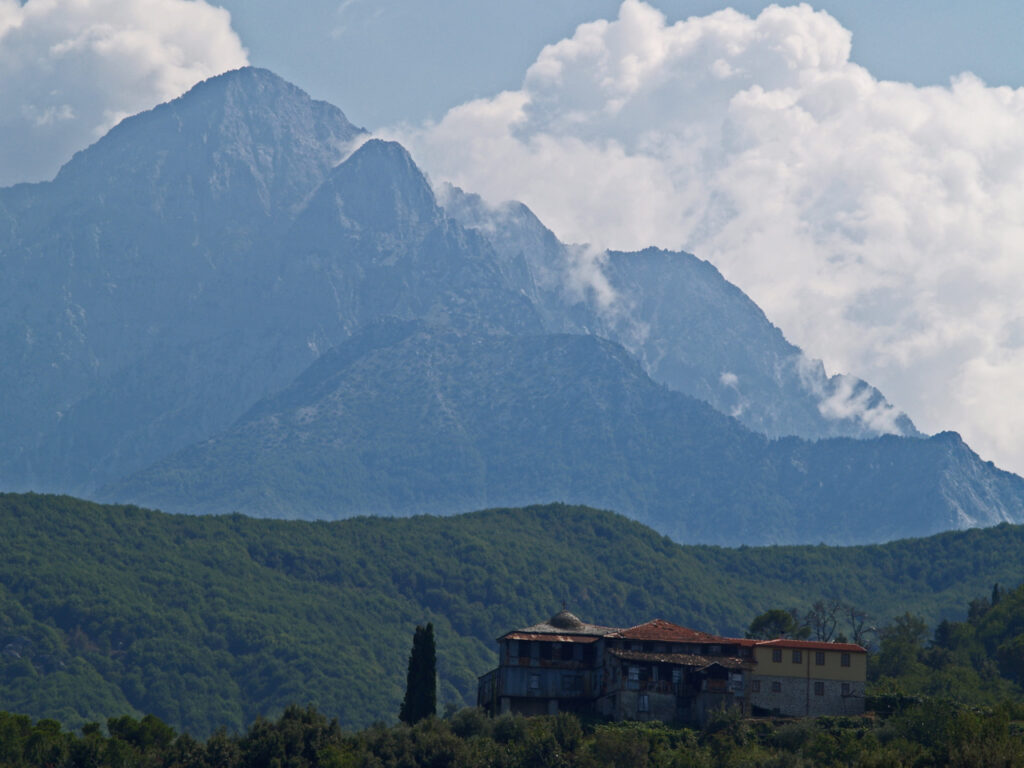
Mount Athos, a 50-km peninsula in northern Greece, has been governed by a self-ruling community of twenty Orthodox monasteries since 963 CE. Women have been excluded from the peninsula since 1046 under a ban now enshrined in EU law; male visitors require a special permit capped at 10 non-Orthodox per day. Its libraries, icons, and Byzantine embroideries — including the 14th-century Epitaphios of Thessaloniki at Vatopedi — make it one of the richest concentrations of Byzantine art outside Istanbul.

UNESCO Heritage Sites Near Boyana Church, Bulgaria

UNESCO Heritage Sites Near Boyana Church, Bulgaria

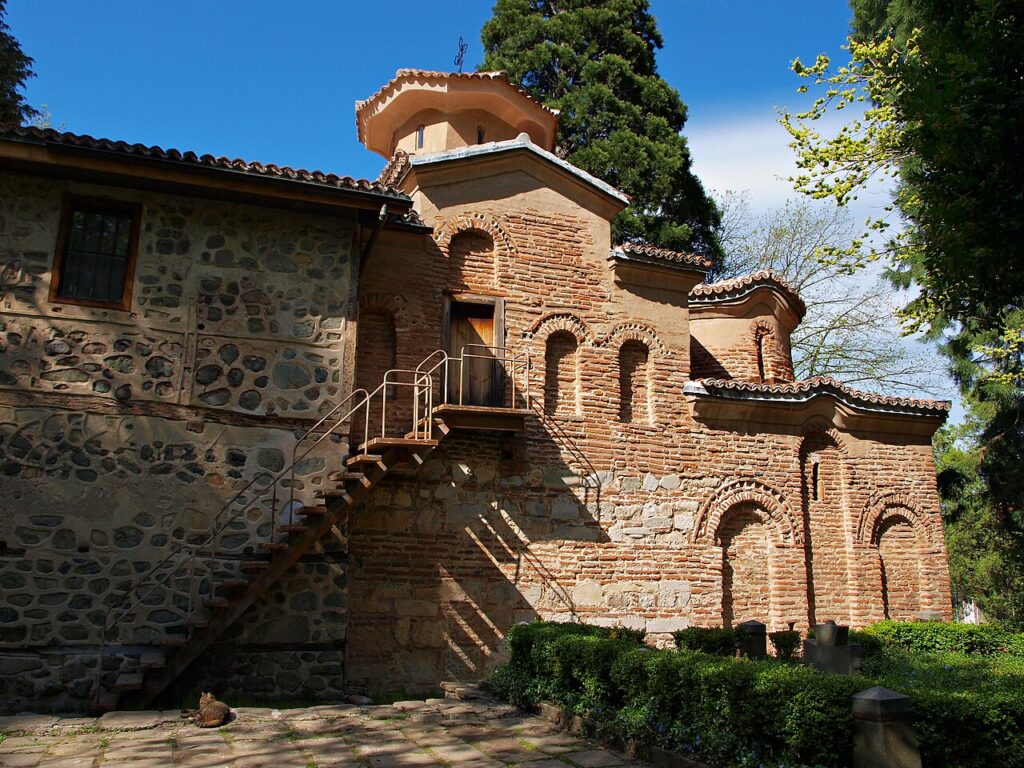
Boyana Church, a UNESCO World Heritage Site since 1979, stands 8 km south of Sofia at the foot of Vitosha Mountain. Its 1259 fresco cycle — painted a decade before the Italian proto-Renaissance — depicts 240 figures including the individualized donor portraits of Sebastokrator Kaloyan and his wife Desislava, considered among the earliest realistic portraits in medieval European art. The narthex containing these paintings measures barely 30 square metres; visitors enter in timed groups of ten.

UNESCO Heritage Sites Near Lavaux Terraces, Switzerland

UNESCO Heritage Sites Near Lavaux Terraces, Switzerland

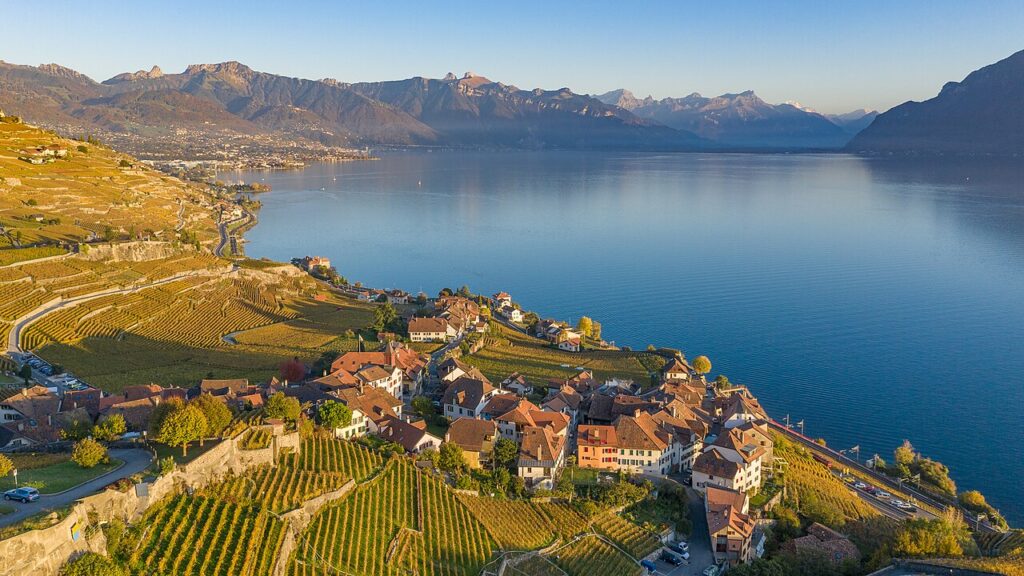
Lavaux’s 830 hectares of vineyard terraces above Lake Geneva, UNESCO World Heritage since 2007, were first cut by Cistercian monks in the 11th century, benefit from a three-sun microclimate unique in viticulture, and appear on Switzerland’s 200-franc banknote — still producing Chasselas wine by methods continuous with those 900-year-old foundations.

UNESCO Heritage Sites Near Brimstone Hill, Saint Kitts

UNESCO Heritage Sites Near Brimstone Hill, Saint Kitts

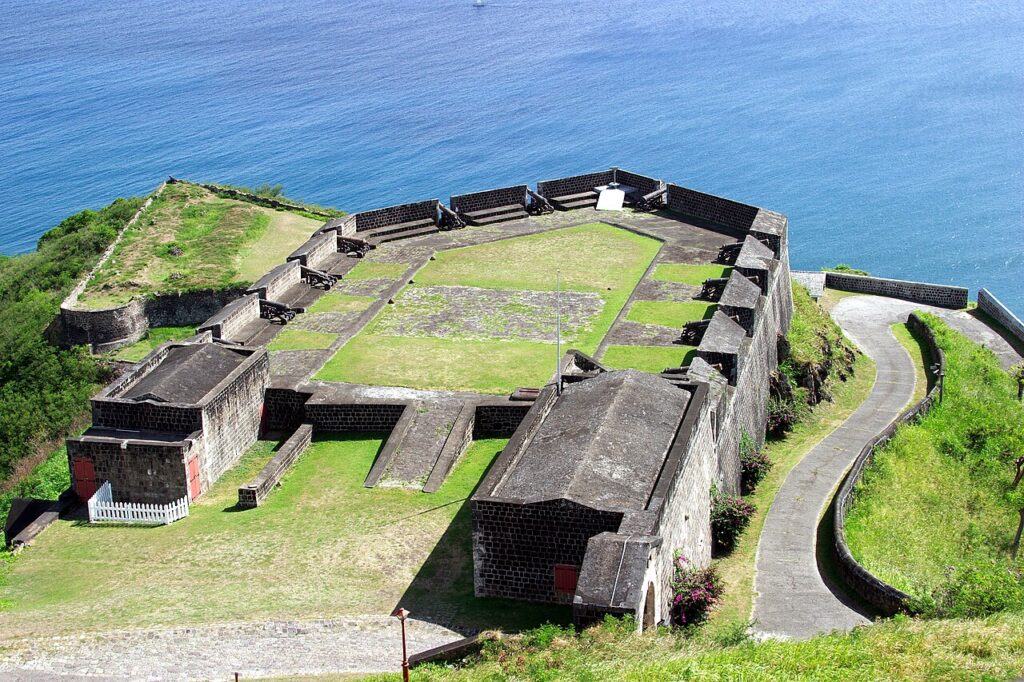
Brimstone Hill Fortress on Saint Kitts, UNESCO World Heritage since 1999, took a century to build using enslaved labour, withstood a month-long French siege in 1782, and remains the best-preserved British colonial military fortification in the Americas — standing alone as the only UNESCO site in the twin-island nation.

UNESCO Heritage Sites Near Santo Domingo, Dominican Rep.

UNESCO Heritage Sites Near Santo Domingo, Dominican Rep.

Santo Domingo’s Zona Colonial, UNESCO World Heritage since 1990, was founded in 1498 by Bartholomew Columbus and contains the oldest cathedral, oldest fort, and oldest paved street in the Americas — and the urban grid that became the template for every Spanish colonial capital that followed.

UNESCO Heritage Sites Near Rila Monastery, Bulgaria

UNESCO Heritage Sites Near Rila Monastery, Bulgaria

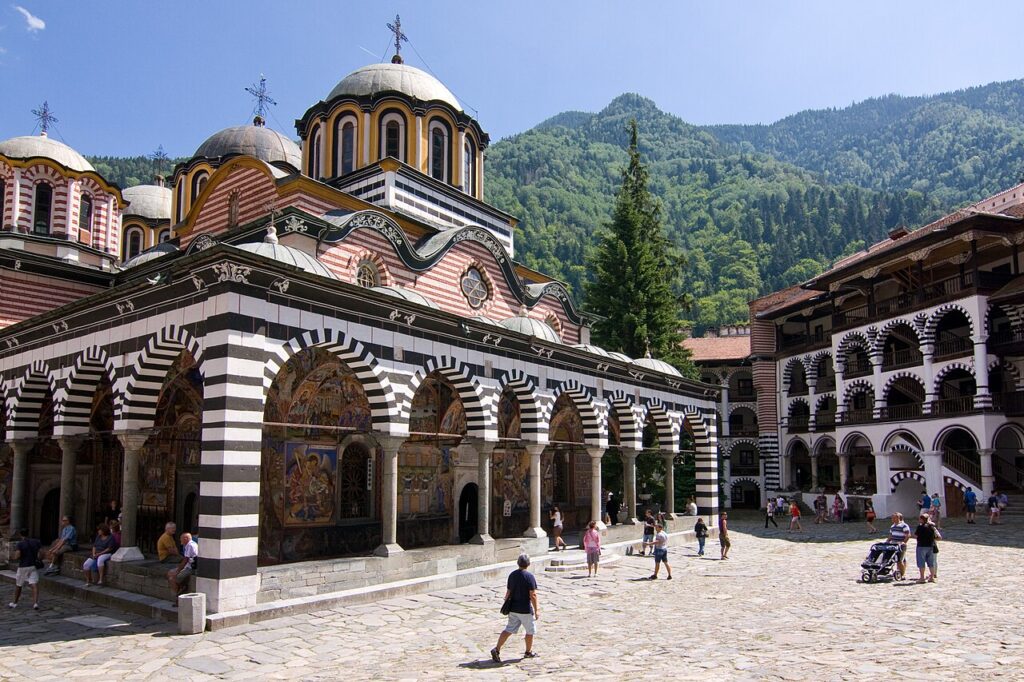
Rila Monastery, UNESCO World Heritage since 1983, sits at 1,147 metres in the Bulgarian Rila Mountains — a 10th-century foundation that preserved Bulgarian culture through Ottoman rule, rebuilt in 1833-1837 with 1,200 portico frescoes and a cross carved over 12 years by a monk who lost his sight completing it.

UNESCO Heritage Sites Near Wooden Churches of Maramureș

UNESCO Heritage Sites Near Wooden Churches of Maramureș

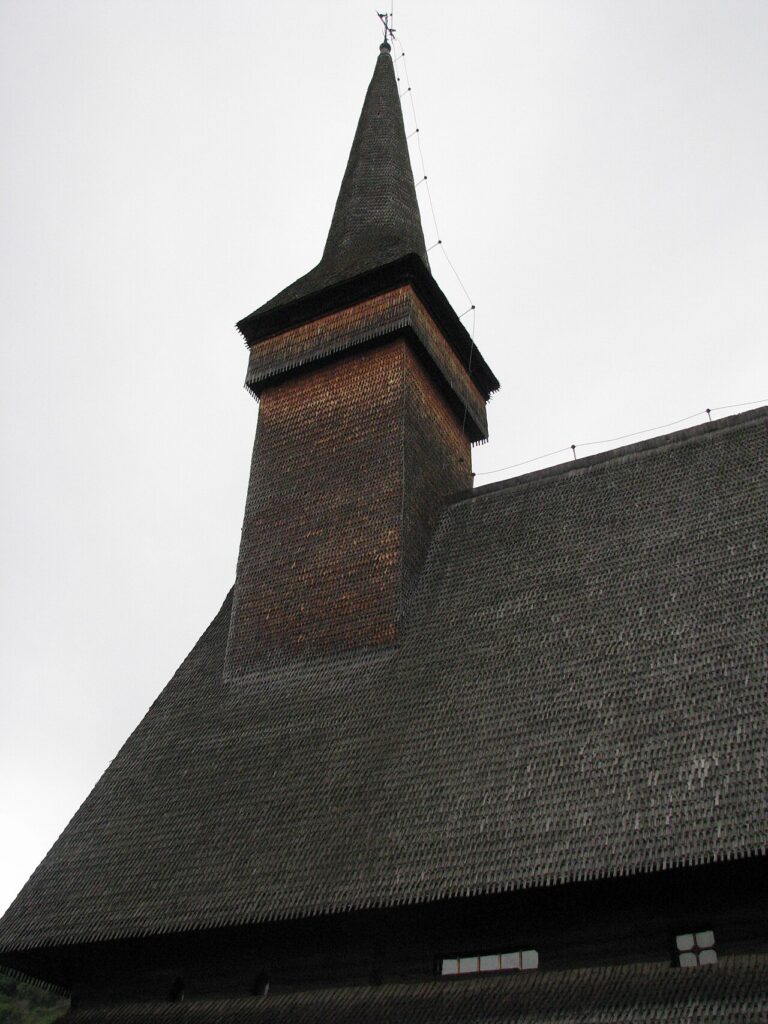
Eight UNESCO-listed wooden Orthodox churches in Maramureș County, northern Romania, combine log-built naves constructed without nails with dramatically tall Gothic spires — the tallest reaching 54 metres at Șurdești — in a living folk tradition where all eight remain active parish churches serving their village communities.

UNESCO Heritage Sites Near Madara Rider, Bulgaria

UNESCO Heritage Sites Near Madara Rider, Bulgaria

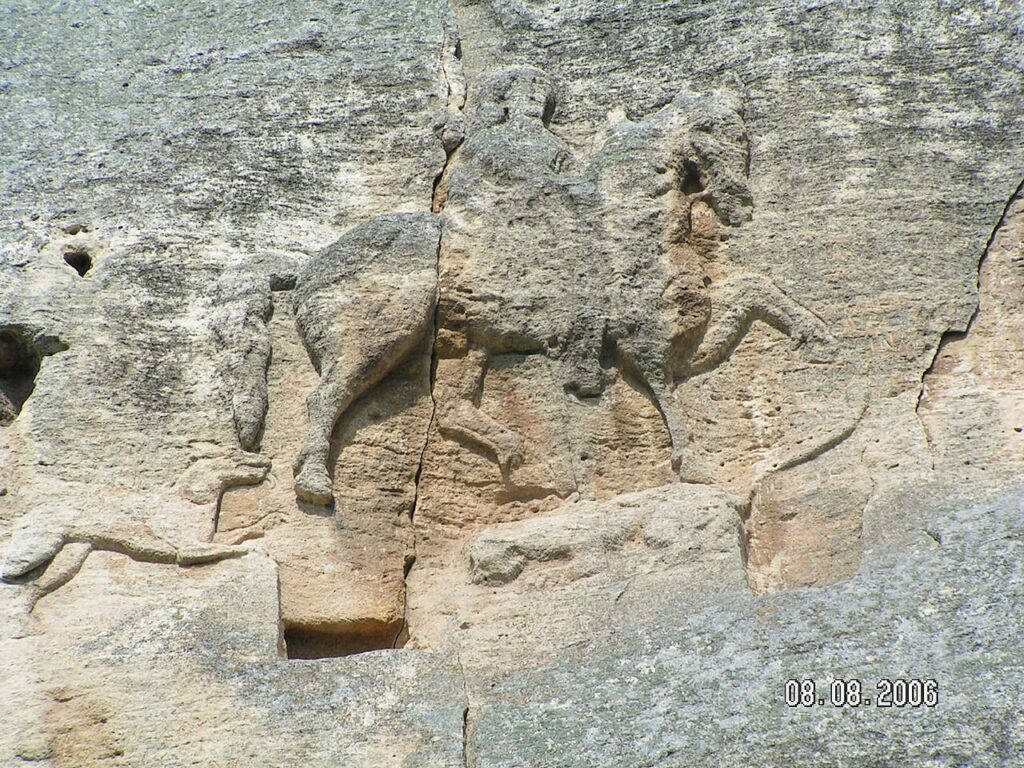
The Madara Rider, a 23-metre bas-relief carved into a northeastern Bulgarian limestone cliff around 705–710 CE by Khan Tervel of the First Bulgarian Empire, is UNESCO-listed since 1979 and unique in Europe as a large-scale medieval rock monument — flanked by Greek inscriptions from three successive Bulgarian khans spanning 705 to 822 CE.

Scroll to Top