travel

UNESCO Heritage Sites Near Churches of Peace in Silesia

UNESCO Heritage Sites Near Churches of Peace in Silesia

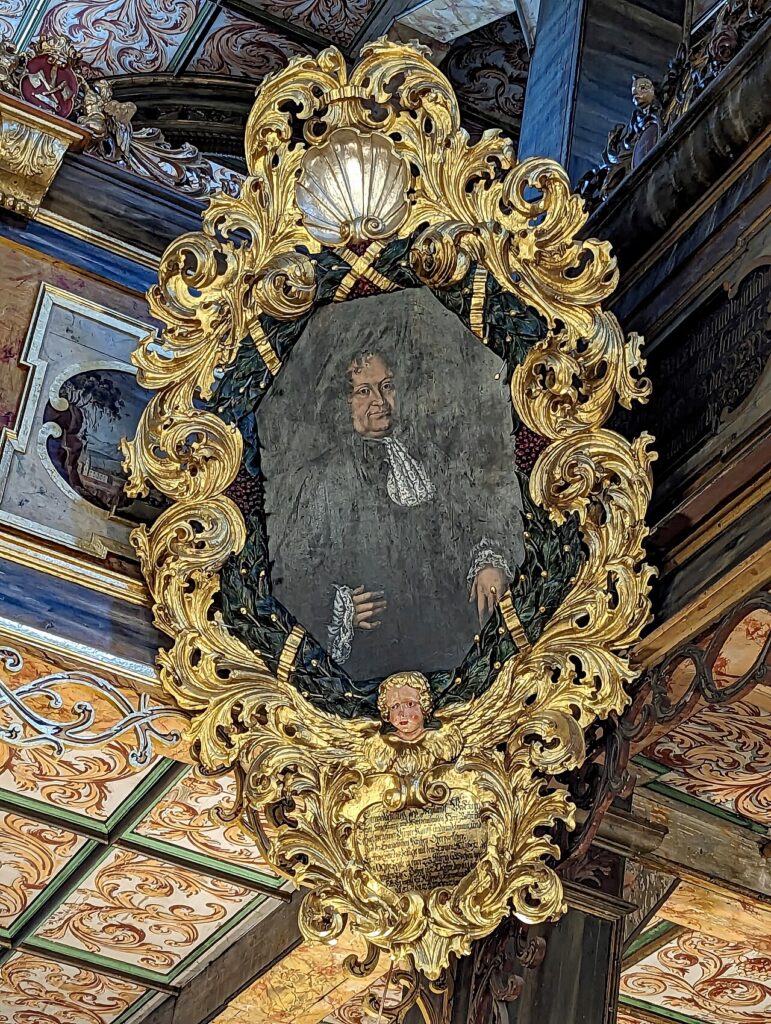
The Churches of Peace in Świdnica and Jawor are the two surviving members of a set of three timber-framed Lutheran churches built in Silesia in 1652–57 under conditions imposed by Habsburg Emperor Ferdinand III: no stone, no brick, outside the city walls, no tower, no bells, completed within a year. The result is the largest timber-framed sacred buildings in Europe — the Świdnica church holds 7,500 people and contains over 2,000 oil paintings on its gallery panels and ceilings. UNESCO-inscribed in 2001.
UNESCO Heritage Sites Near Muskauer Park, Germany/Poland

UNESCO Heritage Sites Near Muskauer Park, Germany/Poland

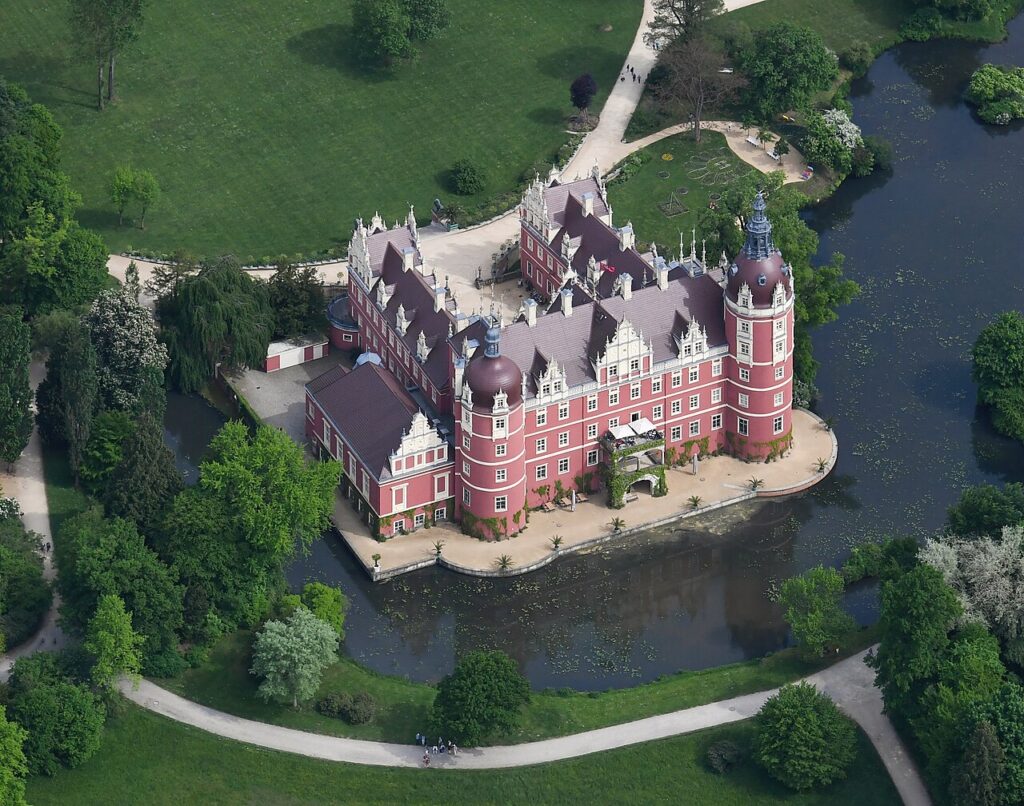
Muskauer Park — Park Mużakowski — is an 830-hectare landscape park straddling the German-Polish border, designed by Prince Hermann von Pückler-Muskau from 1815 to 1844 and inscribed as a UNESCO trans-border World Heritage Site in 2004. Pückler, the father of German landscape design, spent two fortunes on the park before selling it in 1845; the estate was then divided by the Cold War Oder-Neisse border in 1945 and reunited only after 1989. The New Castle on the German side, destroyed in 1945, was fully rebuilt between 2003 and 2015.

UNESCO Heritage Sites Near Wooden Churches of Małopolska

UNESCO Heritage Sites Near Wooden Churches of Małopolska

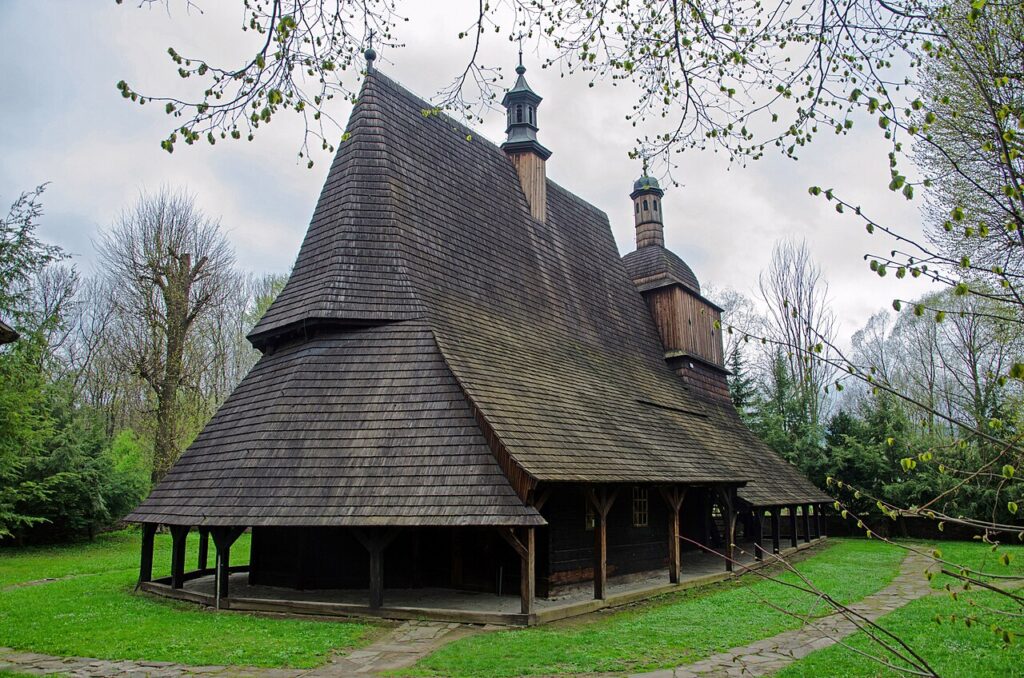
Six Roman Catholic wooden churches in the foothills of the Carpathians in southern Poland were inscribed on the UNESCO World Heritage List in 2003. Built without nails using log-and-blockhouse construction from the late 14th to the early 16th century, they contain polychrome biblical paintings on every interior surface — including what may be the largest surviving medieval painted ceiling in Poland, at Haczów. The most complete interior, at Dębno Podhalańskie, preserves its original Gothic furnishings and 15th-century decoration intact.

UNESCO Heritage Sites Near Kalwaria Zebrzydowska, Poland

UNESCO Heritage Sites Near Kalwaria Zebrzydowska, Poland

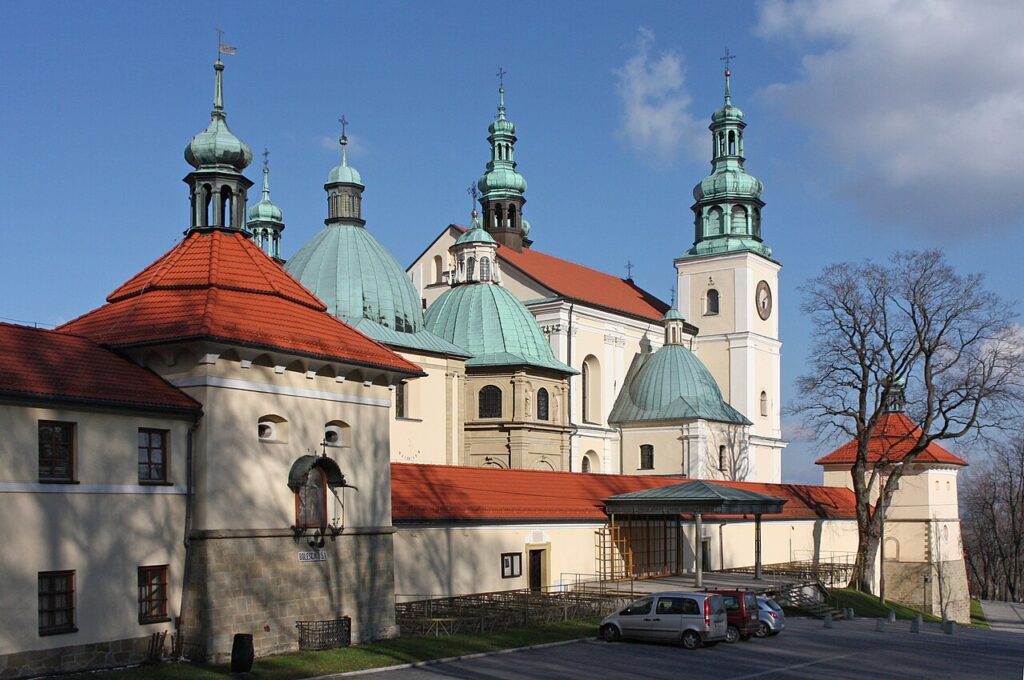
Kalwaria Zebrzydowska is a Mannerist pilgrimage complex in the Beskid Makowski hills, 35 km south of Kraków, where 40 chapels and churches map the topography of Jerusalem across the Polish landscape. Founded in 1600, UNESCO-inscribed in 1999, and visited repeatedly by John Paul II, it sits at the centre of Poland’s densest cluster of World Heritage Sites, with Wieliczka and Kraków 35 km north.

UNESCO Heritage Sites Near Centennial Hall in Wrocław

UNESCO Heritage Sites Near Centennial Hall in Wrocław

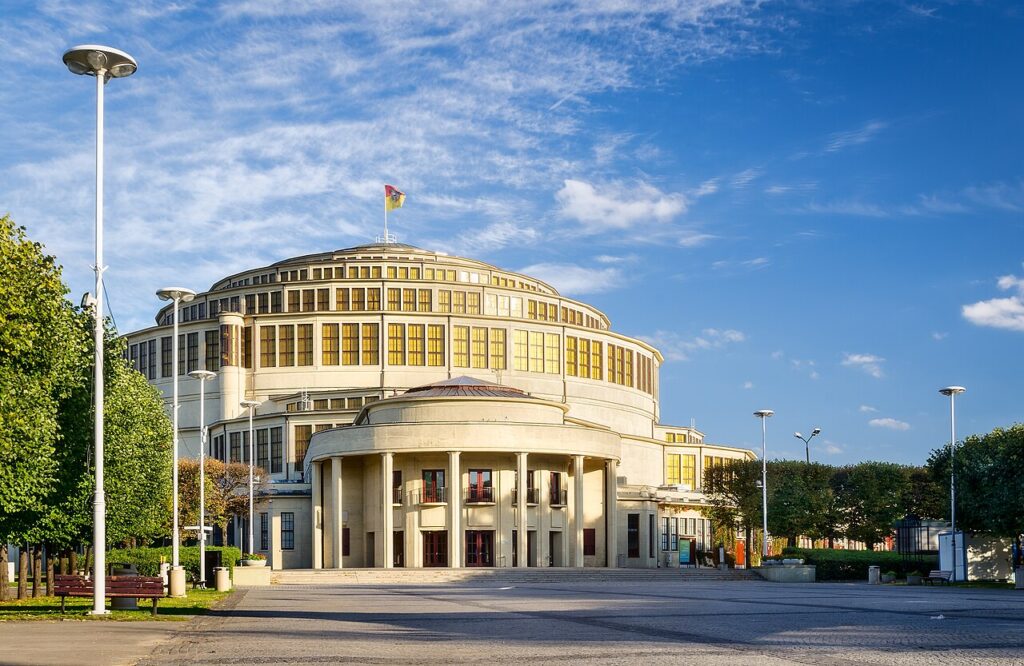
The Centennial Hall in Wrocław, completed in 1913 by city architect Max Berg, contained the world’s largest reinforced-concrete dome at the time of its construction — 65 metres in diameter, seating 10,000 — and is considered a founding document of modern structural architecture. UNESCO inscribed it in 2006; the building was constructed as a German monument in Breslau and became a Polish cultural venue after the city’s population was entirely displaced in 1945.

UNESCO Heritage Sites Near Old Town of Zamość, Poland

UNESCO Heritage Sites Near Old Town of Zamość, Poland

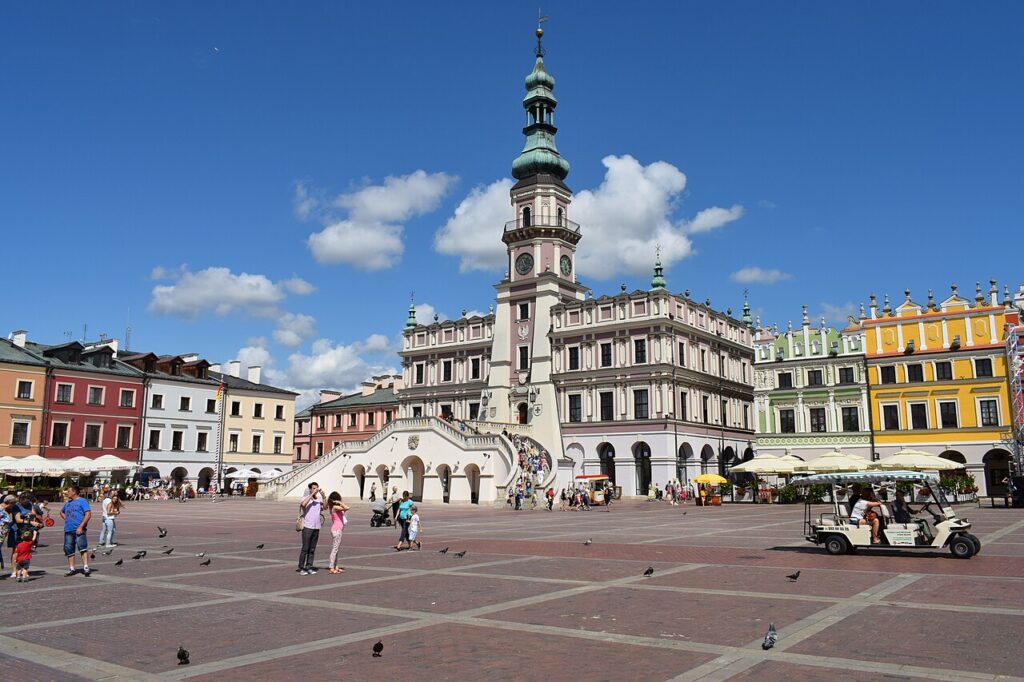
Zamość was founded in 1580 as a complete Renaissance ideal city — designed by Italian architect Bernardo Morando for Poland’s Grand Chancellor Jan Zamoyski, with a 100×100-metre market square, distinctive Armenian merchants’ arcades, and fortifications never successfully breached in four centuries of conflict. UNESCO inscribed it in 1992; the nearest comparable World Heritage sites are Kraków 270 km northwest and Lviv 170 km east.

UNESCO Heritage Sites Near Wieliczka Salt Mine, Poland

UNESCO Heritage Sites Near Wieliczka Salt Mine, Poland

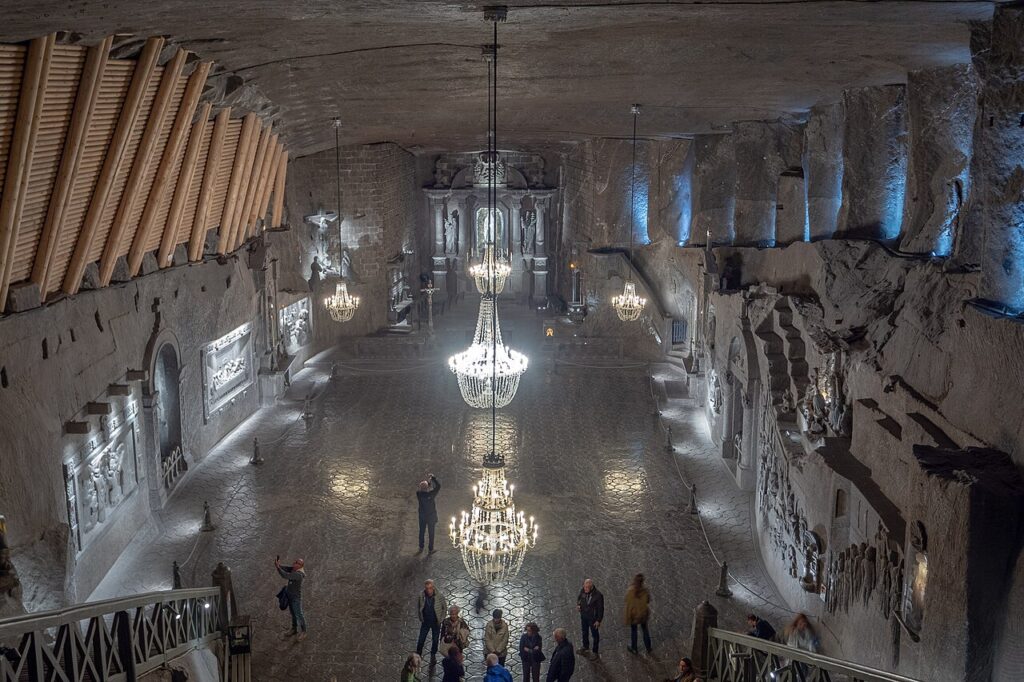
The Wieliczka Salt Mine, one of the first twelve UNESCO World Heritage Sites inscribed in 1978, contains 287 km of tunnels and a cathedral-scale chapel carved from salt over 67 years by miners working in their spare time. Located 14 km from Kraków, it sits at the centre of southern Poland’s densest concentration of World Heritage Sites, with Kalwaria Zebrzydowska 35 km south and Auschwitz-Birkenau 50 km west.

UNESCO Heritage Sites Near Diocletian’s Palace in Split

UNESCO Heritage Sites Near Diocletian’s Palace in Split

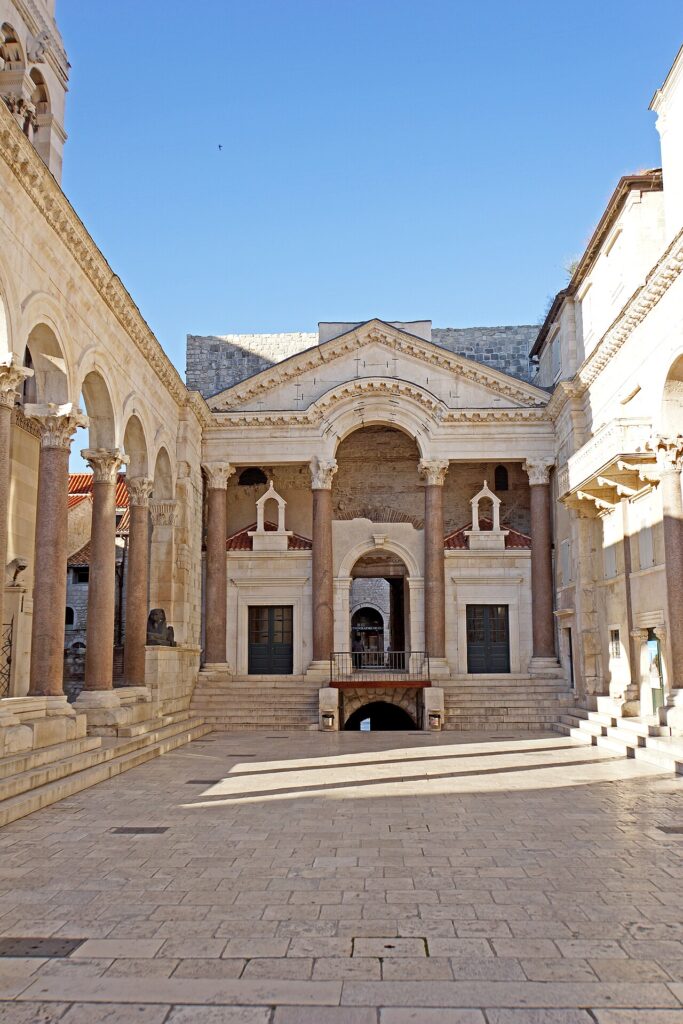
Diocletian’s Palace in Split — built between 295 and 305 CE as the retirement residence of the emperor who voluntarily abdicated — is today a living city of 3,000 inhabitants inside its Roman walls. The emperor’s mausoleum became the Cathedral of Saint Domnius, dedicated to one of his own persecution victims; Egyptian sphinxes from 3,500 years ago still stand on the Peristyle; and the intact basement halls were used as Game of Thrones’ Meereen set.

UNESCO Heritage Sites Near Plitvice Lakes, Croatia

UNESCO Heritage Sites Near Plitvice Lakes, Croatia

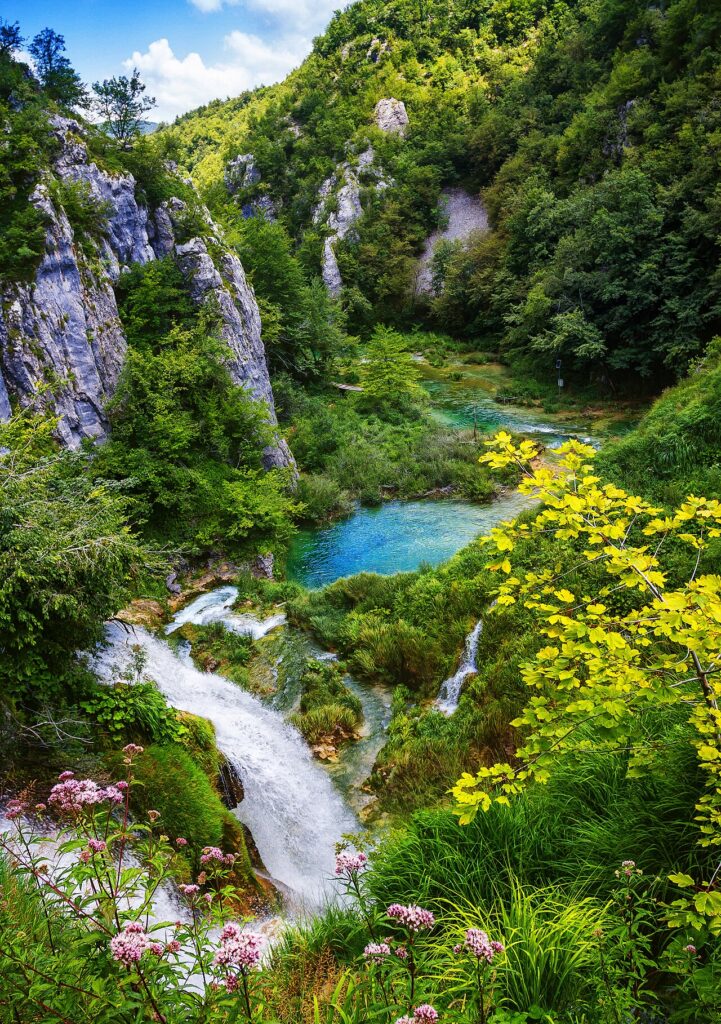
Plitvice Lakes National Park — sixteen travertine-terraced lakes covering 296 km² in central Croatia — has been UNESCO World Heritage since 1979. The lakes’ turquoise colour comes from dissolved minerals and shifts with light and season; the waterfalls are built by living microorganisms and grow millimetre by millimetre each year. Croatia’s highest waterfall, the 78-metre Veliki Slap, anchors the system; the park also witnessed the first armed clash of the 1991 Croatian War of Independence.

Scroll to Top