travel

UNESCO Heritage Sites Near Monastic Island of Reichenau

UNESCO Heritage Sites Near Monastic Island of Reichenau

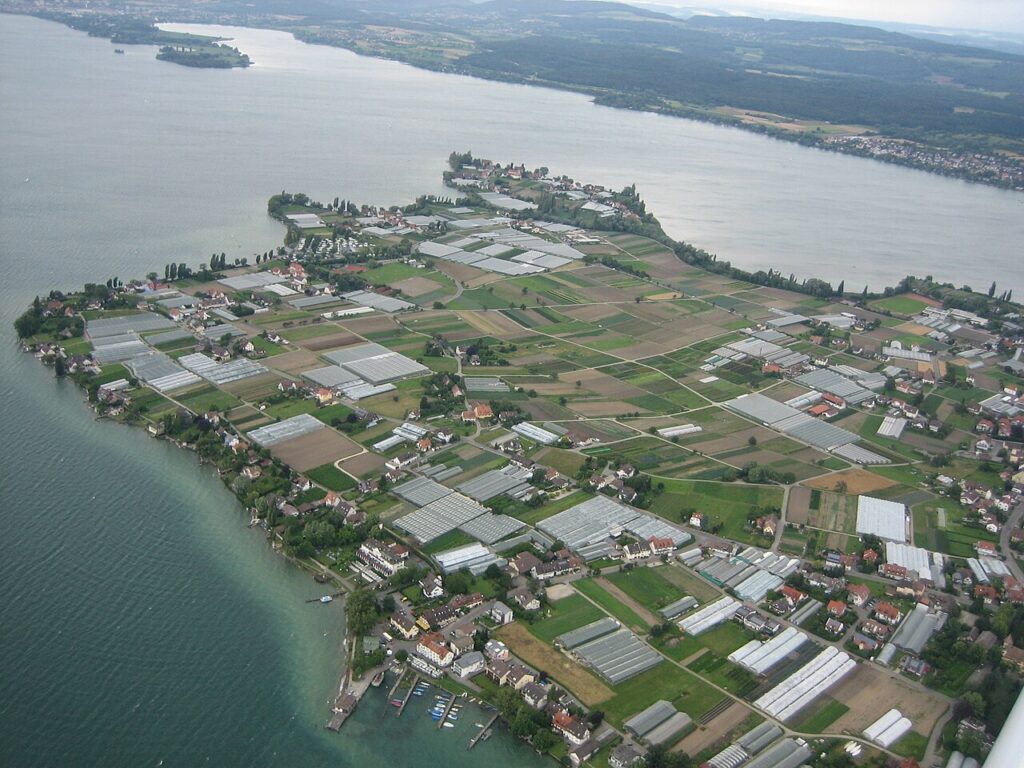
The island of Reichenau in Lake Constance, a UNESCO World Heritage Site since 2000, preserves three Carolingian and Romanesque churches from a Benedictine abbey that served as the leading scriptorium of the Carolingian and Ottonian empires. The church of St George at Oberzell contains 10th-century Ottonian wall paintings depicting the miracles of Christ, plastered over after the medieval period and rediscovered in 1880.

Wartburg Castle on its forested hilltop above Eisenach, Thuringia, Germany

UNESCO Heritage Sites Near Wartburg Castle, Germany

Wartburg Castle above Eisenach in Thuringia, a UNESCO World Heritage Site since 1999, is where Martin Luther translated the New Testament into German in 1521–1522, creating the foundational text of the modern German language. The castle also preserves the Romanesque Palas of 1157–1170 and was the childhood home of Saint Elisabeth of Hungary, canonised just four years after her death in 1231.

UNESCO Heritage Sites Near Kernavė, Lithuania

UNESCO Heritage Sites Near Kernavė, Lithuania

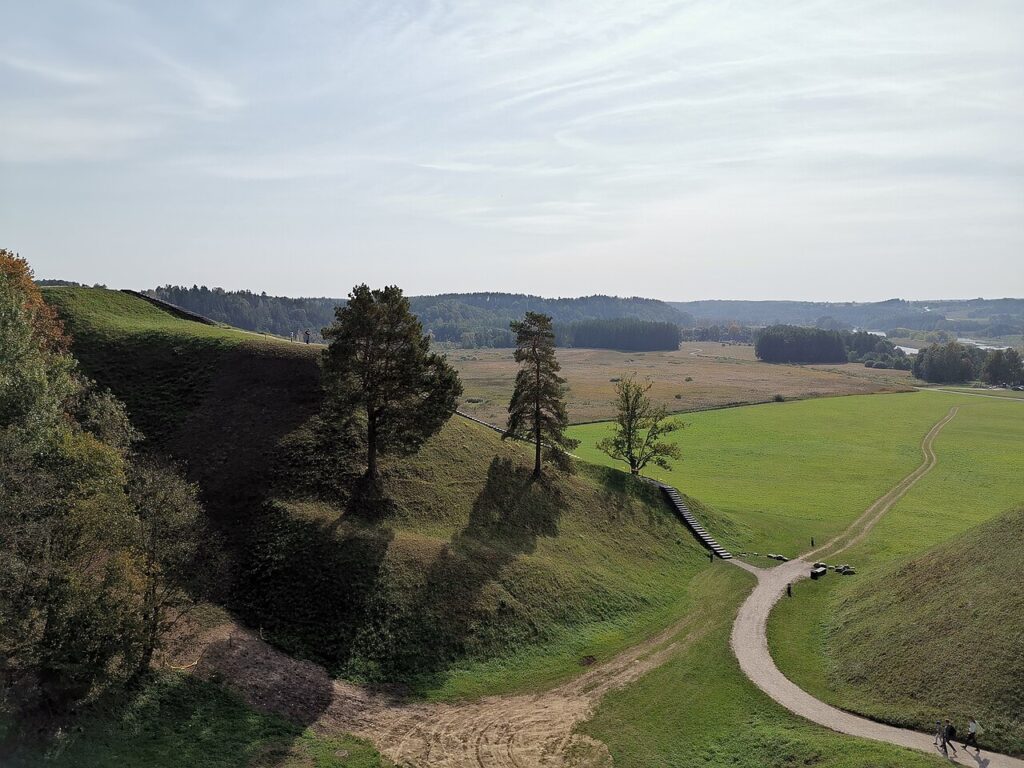
Kernave, on the Neris River 35 km northwest of Vilnius, was the first capital of the Grand Duchy of Lithuania in the 13th century — a state that would grow to be the largest in medieval Europe. Destroyed by the Teutonic Knights in 1390 and never rebuilt, its five hillforts and buried medieval town were preserved intact under six centuries of undisturbed ground until systematic excavation began in the 1980s.

UNESCO Heritage Sites Near Curonian Spit, Lithuania

UNESCO Heritage Sites Near Curonian Spit, Lithuania

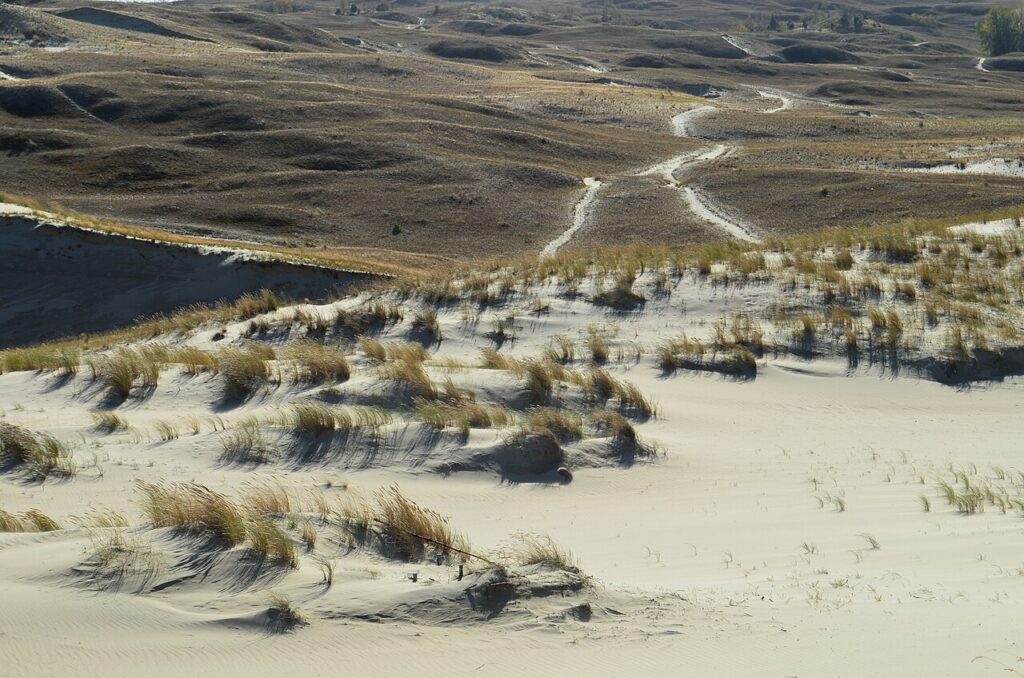
The Curonian Spit stretches 98 km along the eastern Baltic coast, separating the Curonian Lagoon from the sea with sand dunes up to 60 metres high that buried entire villages in the 18th century before systematic reforestation stabilised them from the 1820s onward. The town of Nida on the Lithuanian section preserves Thomas Mann’s summer house, where the Nobel laureate wrote part of “Joseph and His Brothers” in 1930–1932.

UNESCO Heritage Sites Near Caves of the Swabian Jura

UNESCO Heritage Sites Near Caves of the Swabian Jura

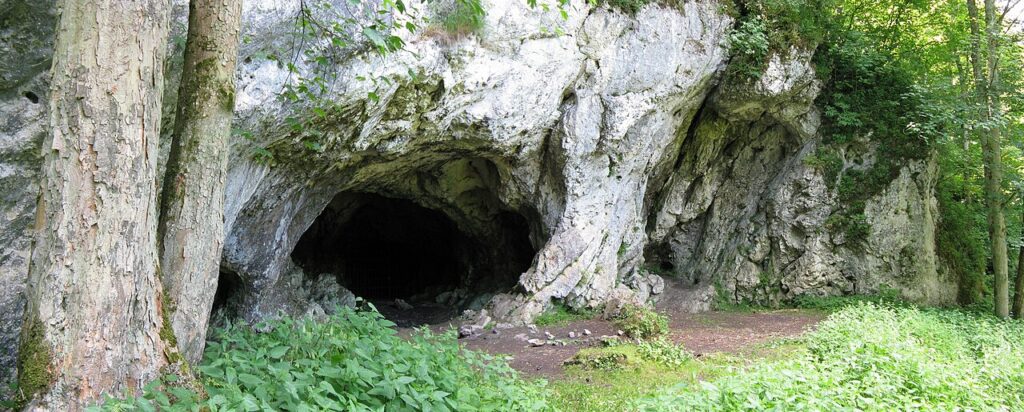
Six caves in the Swabian Jura of Baden-Württemberg contain the world’s oldest known figurative art — ivory carvings dated to 40,000–43,000 years ago, including the Lion Man of Hohlenstein-Stadel and the Venus of Hohle Fels. Both originals are displayed at the Ulmer Museum in Ulm; the cave sites are accessible by car from Schelklingen and Asselfingen.

UNESCO Heritage Sites Near Mines of Rammelsberg and Goslar

UNESCO Heritage Sites Near Mines of Rammelsberg and Goslar

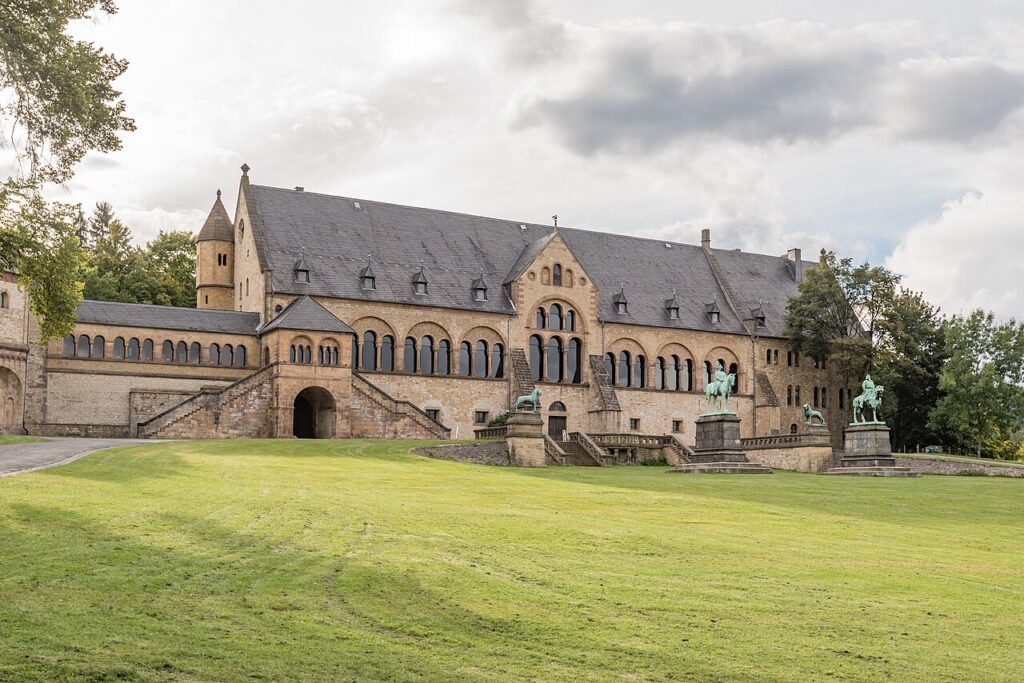
The Rammelsberg mine near Goslar operated for more than 1,000 years, from 968 CE to 1988, funding the Holy Roman Empire with silver, lead, and copper. The adjacent Kaiserpfalz — Germany’s largest surviving Romanesque secular building — was the imperial residence where Emperor Henry III chose to die in 1056, and the surrounding Upper Harz landscape contains 500 km of medieval water channels built to power the mines.

UNESCO Heritage Sites Near Völklingen Ironworks, Germany

UNESCO Heritage Sites Near Völklingen Ironworks, Germany

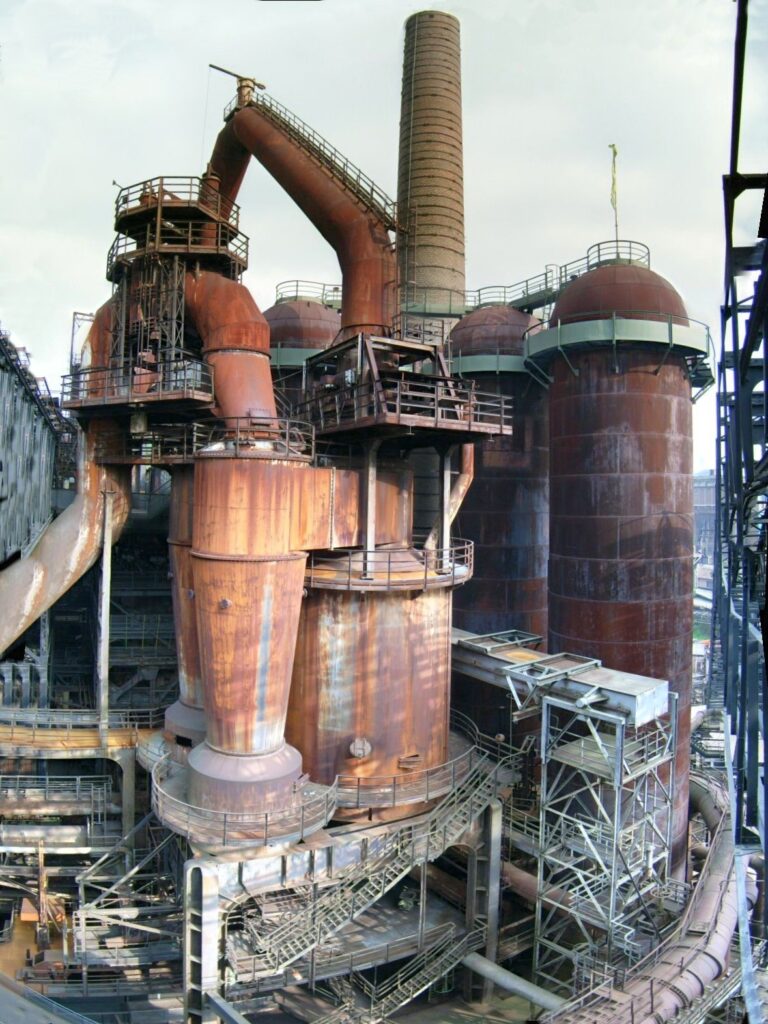
The Völklingen Ironworks in Saarland is the only complete, unmodified ironworks from the 19th and early 20th century preserved in Western Europe and North America, with six blast furnaces, a coking plant, and all processing facilities intact since the final shutdown in 1986. Inscribed on the UNESCO World Heritage List in 1994, the site operated across five different political regimes in a Saarland that changed nationalities four times between 1873 and 1957.

UNESCO Heritage Sites Near Upper Middle Rhine Valley

UNESCO Heritage Sites Near Upper Middle Rhine Valley

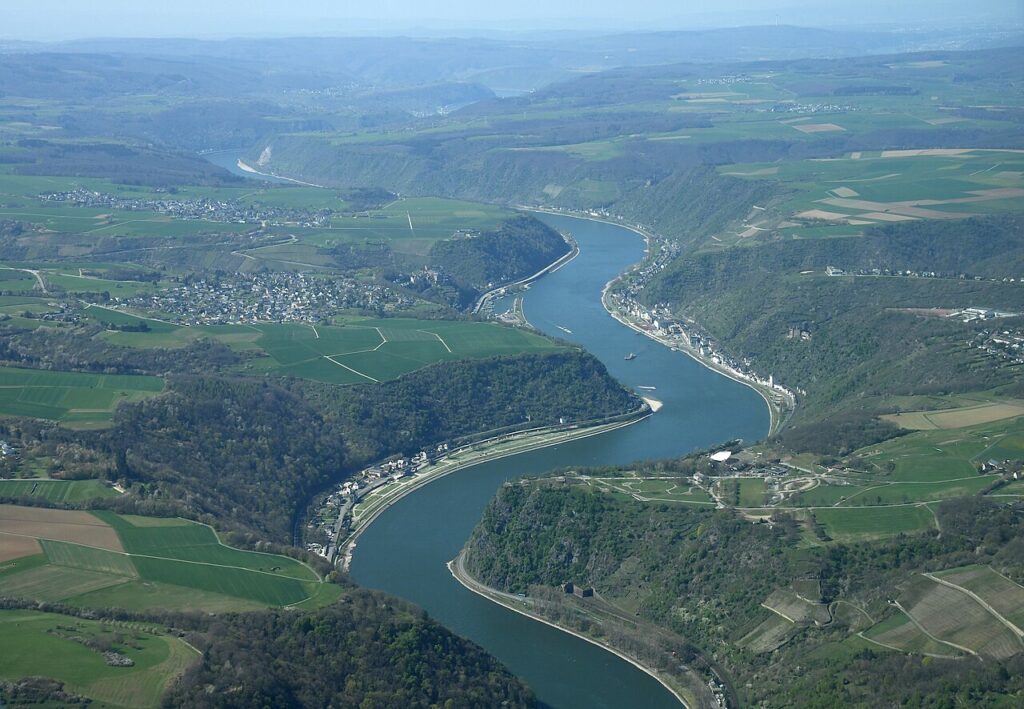
The Upper Middle Rhine Valley between Bingen and Koblenz is a 65-kilometre Rhine gorge with more than forty medieval castles, steep Riesling vineyards, and the Lorelei cliff — a legend invented by Romantic poet Clemens Brentano in 1801 and fixed in European memory by Heinrich Heine in 1824. The valley was inscribed on the UNESCO World Heritage List in 2002.

UNESCO Heritage Sites Near Bergpark Wilhelmshöhe, Kassel

UNESCO Heritage Sites Near Bergpark Wilhelmshöhe, Kassel

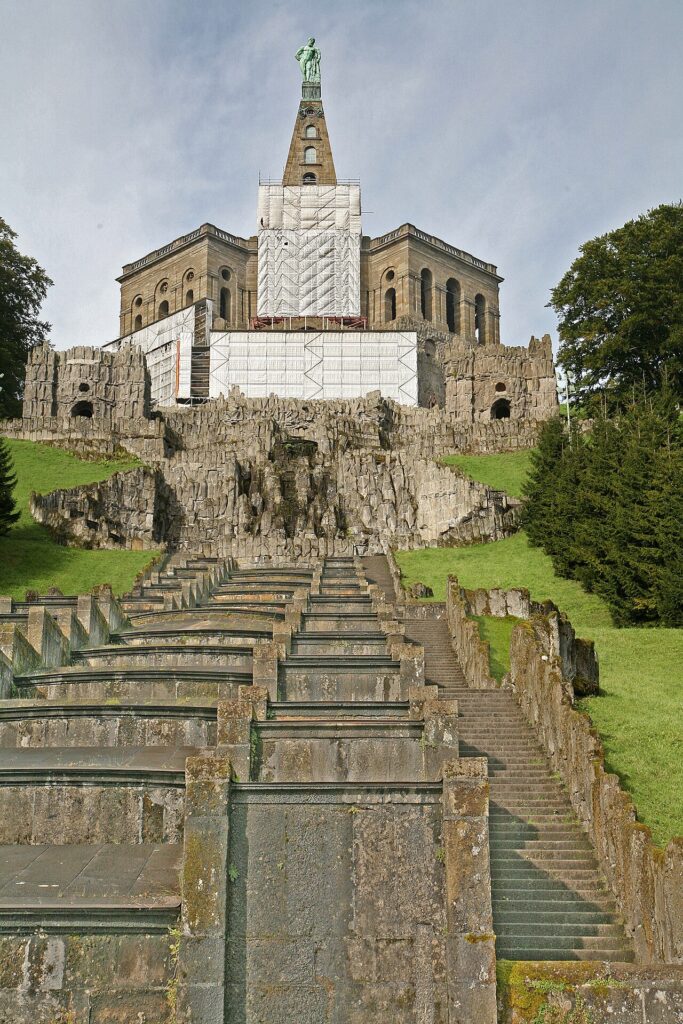
Bergpark Wilhelmshöhe above Kassel combines a 71-metre Baroque Hercules monument with a 850-metre gravity-fed water cascade system, built from 1696 for Landgrave Karl of Hesse-Kassel and inscribed as UNESCO World Heritage in 2013. Wilhelmshöhe Palace at the foot of the park held Napoleon III prisoner after the Battle of Sedan in 1870.

Scroll to Top