travel

UNESCO Sites Near Mount Emei & Leshan: What to See

UNESCO Sites Near Mount Emei & Leshan: What to See

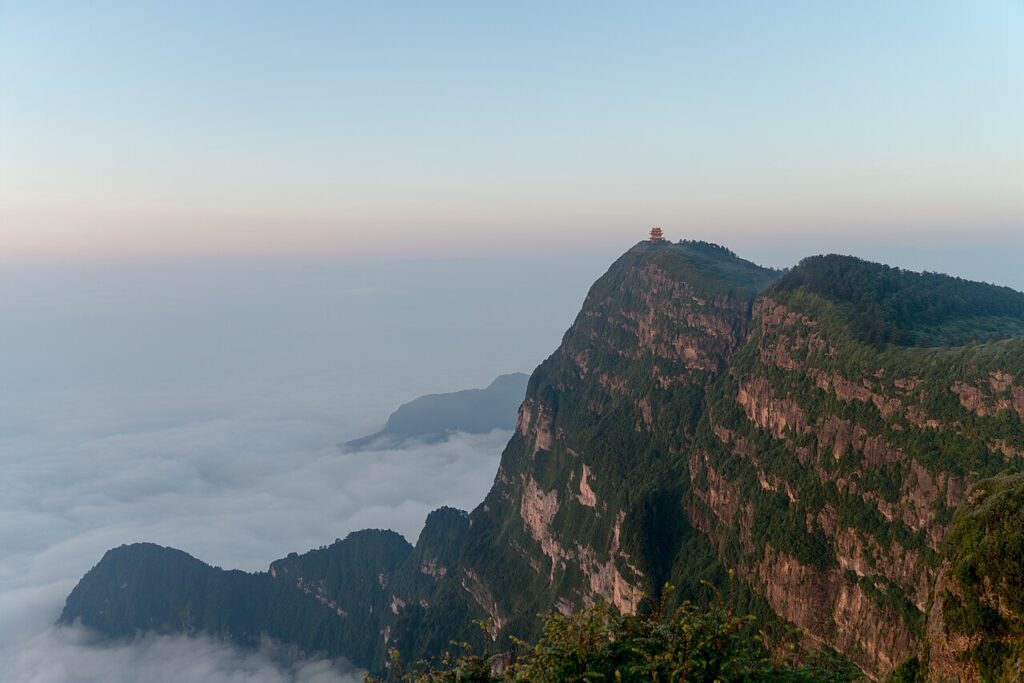
Mount Emei and the Leshan Giant Buddha share a UNESCO World Heritage designation awarded in 1996 for both their natural and cultural significance. The 3,099-metre sacred peak holds over 30 Buddhist monasteries along its pilgrim trail and produces the Brocken spectre atmospheric halo at its summit; 30 kilometres east, the 71-metre Tang dynasty Buddha at the river confluence — funded by a monk who gouged out his own eyes to stop an extortion attempt — remains the largest stone Buddha in the world. One hundred kilometres northwest, the Sichuan Giant Panda Sanctuaries add a third UNESCO inscription to the Chengdu basin itinerary.
UNESCO Sites Near Mount Wutai: What to See

UNESCO Sites Near Mount Wutai: What to See

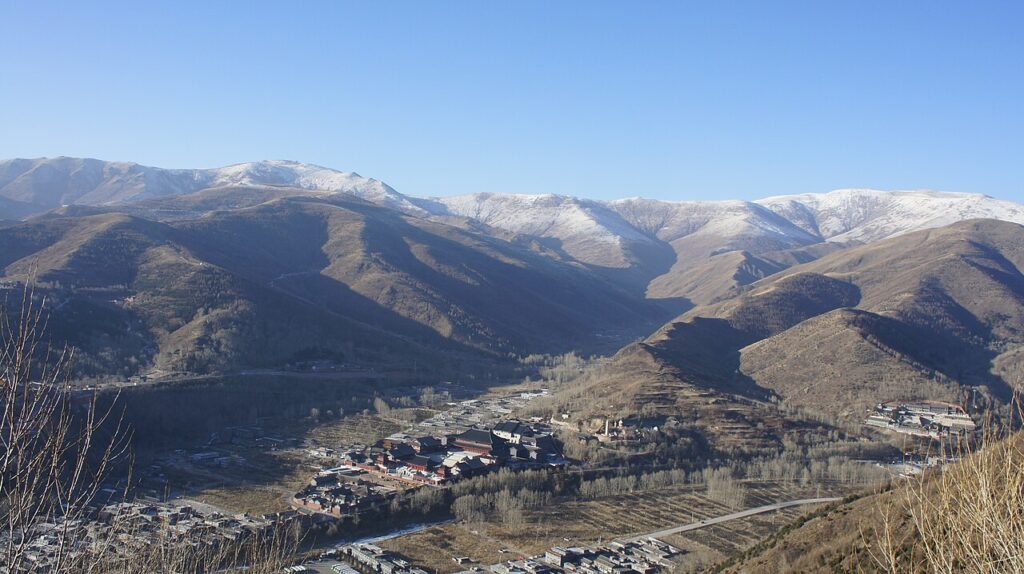
Mount Wutai in Shanxi province holds UNESCO World Heritage status for its 53 monasteries spanning 1,500 years of Chinese Buddhist architecture — including China’s oldest surviving timber-frame building (782 CE) and the second-oldest (857 CE), the latter found in 1937 by architectural historians following a clue in a Dunhuang cave mural. The only Chinese sacred mountain recognised by Mahayana, Tibetan, and Mongolian Buddhist traditions, Wutai connects the history of imperial Buddhist patronage with a landscape still used for active pilgrimage. Two hundred kilometres east, the Yungang Grottoes near Datong add the earliest large-scale Buddhist stone sculpture in China to the same journey.

UNESCO Sites Near Xidi and Hongcun: What to See

UNESCO Sites Near Xidi and Hongcun: What to See

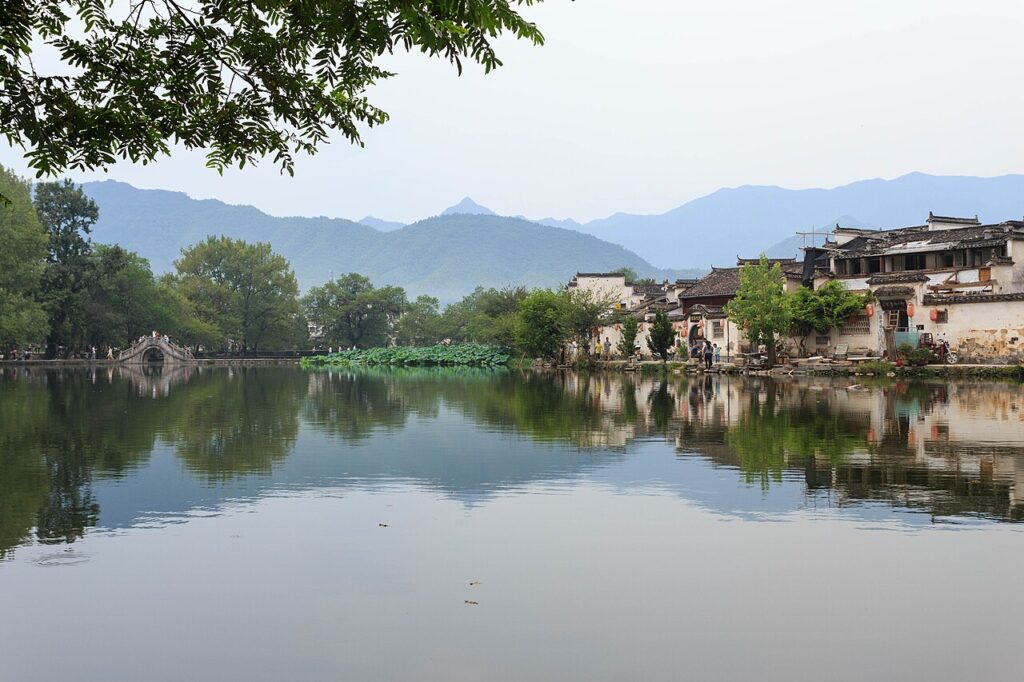
Xidi and Hongcun in southern Anhui hold UNESCO World Heritage status for their 330 intact Ming and Qing dynasty Huizhou houses, built with the salt and tea fortunes of China’s most powerful merchant class. Hongcun’s Ming-period water system — designed as a buffalo in plan and still flowing through every household — became globally recognised after its use as a filming location in Ang Lee’s “Crouching Tiger, Hidden Dragon.” Fifty kilometres north, the Huangshan mountain range adds a second UNESCO inscription to the same journey.

UNESCO Sites Near Wuyi Mountains: What to See

UNESCO Sites Near Wuyi Mountains: What to See

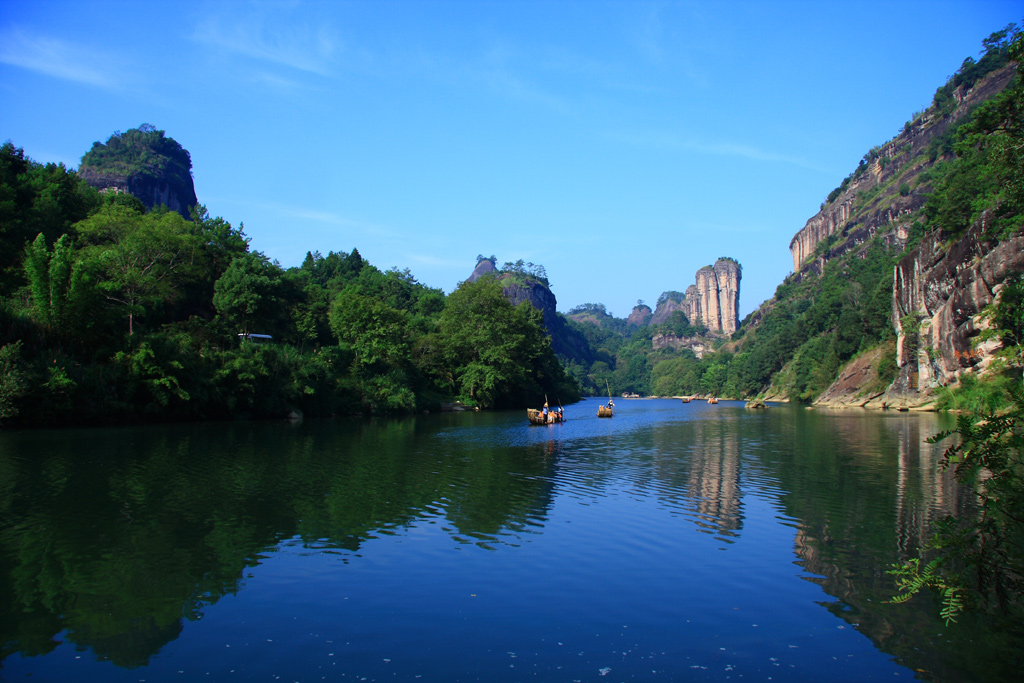
The Wuyi Mountains in Fujian hold UNESCO World Heritage status for both their subtropical forests and their cultural layers — Bronze Age boat coffins on cliff faces 80 metres high, a nine-bend river through sandstone gorges, the original bushes of the world’s most expensive tea, and the academy of a philosopher whose ideas governed Chinese statecraft for 600 years. Thirty kilometres south, the Fujian Tulou earthen buildings offer a second UNESCO inscription on the same journey.

UNESCO Sites Near Huangshan: What to See

UNESCO Sites Near Huangshan: What to See

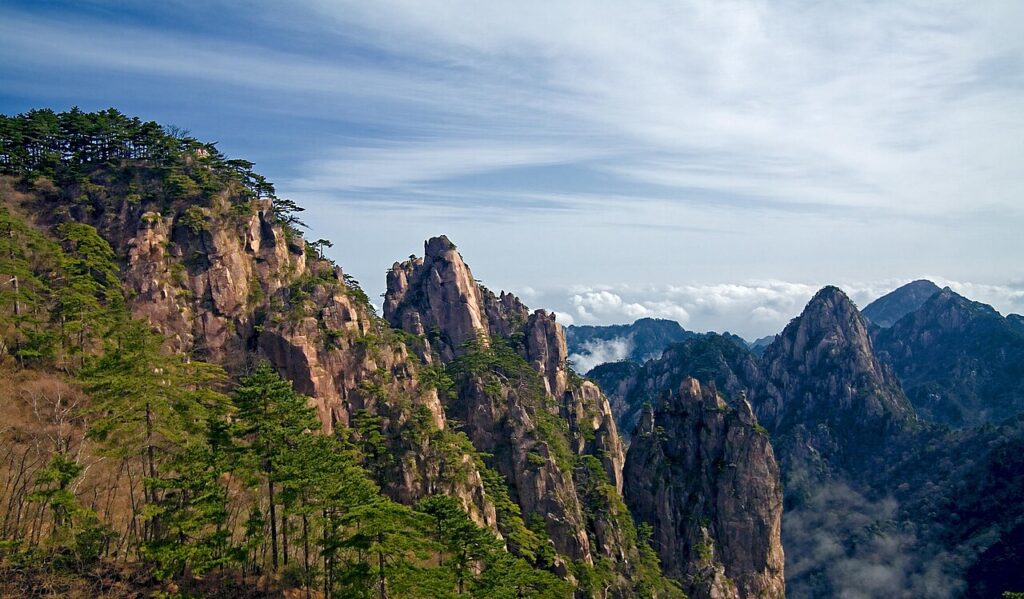
Huangshan (Yellow Mountains) in Anhui, China preserves 72 named granite peaks reaching 1,864 metres, approximately 54,000 registered individual Huangshan pines growing from cliff-face fractures, and a cloud-inversion effect that gave Chinese landscape painting its defining visual vocabulary. The 17th-century Anhui School painters worked directly from the mountain’s forms in a deliberate rejection of imitation, producing a compositional tradition that continues to shape East Asian visual culture.

UNESCO Sites Near Jiuzhaigou: What to See

UNESCO Sites Near Jiuzhaigou: What to See

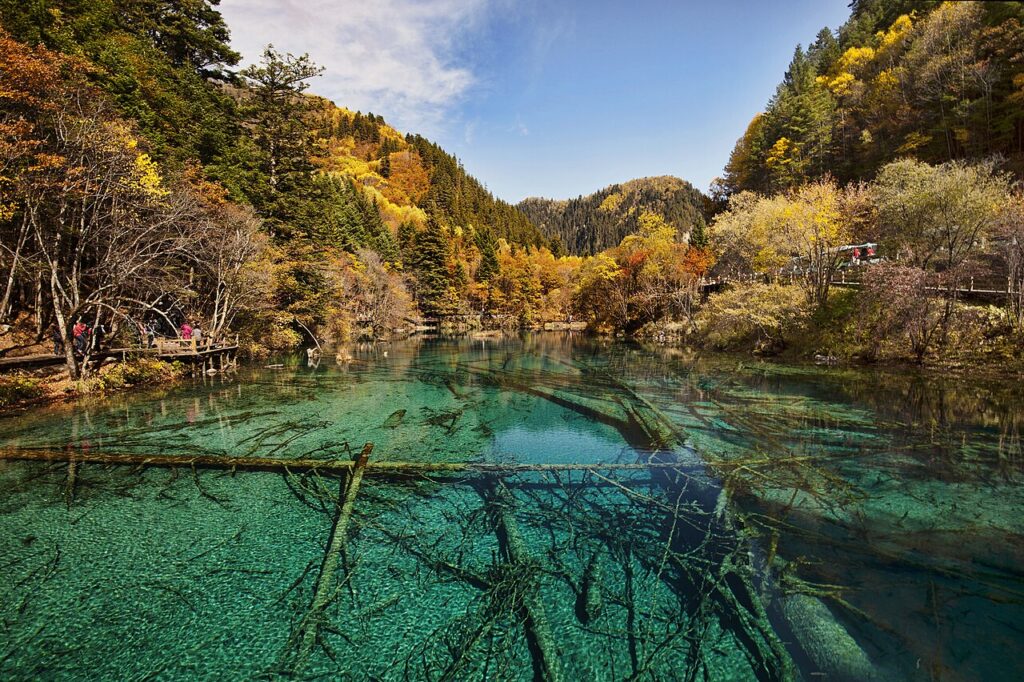
Jiuzhaigou Valley in northern Sichuan preserves a terraced system of 108 multi-coloured travertine lakes with water transparency reaching 20 metres — the same calcium carbonate geology as Croatia’s Plitvice Lakes. A magnitude 7.0 earthquake on 8 August 2017 damaged approximately 100 scenic spots and drained several lakes; the reserve reopened partially in 2019 and recovery is ongoing, with some barriers expected to take decades to rebuild.

UNESCO Sites Near West Lake Hangzhou: What to See

UNESCO Sites Near West Lake Hangzhou: What to See

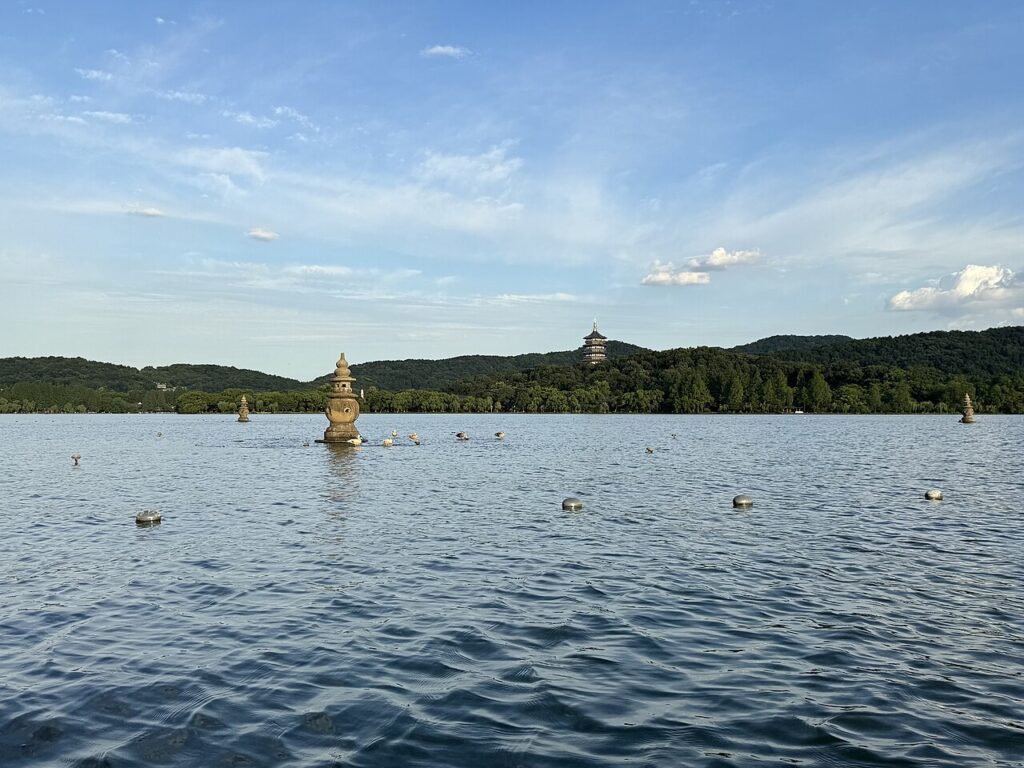
West Lake (Xihu) in Hangzhou has been shaped by 1,500 years of deliberate landscape engineering, including two causeways built by Tang and Song dynasty poet-governors and the codification of Ten Scenes — named viewpoints that structured how the landscape should be experienced. The model proved influential enough that UNESCO inscribed it in 2011 and specifically credited it with shaping garden design in Japan, Korea, and beyond.

UNESCO Sites Near Mogao Caves: What to See

UNESCO Sites Near Mogao Caves: What to See

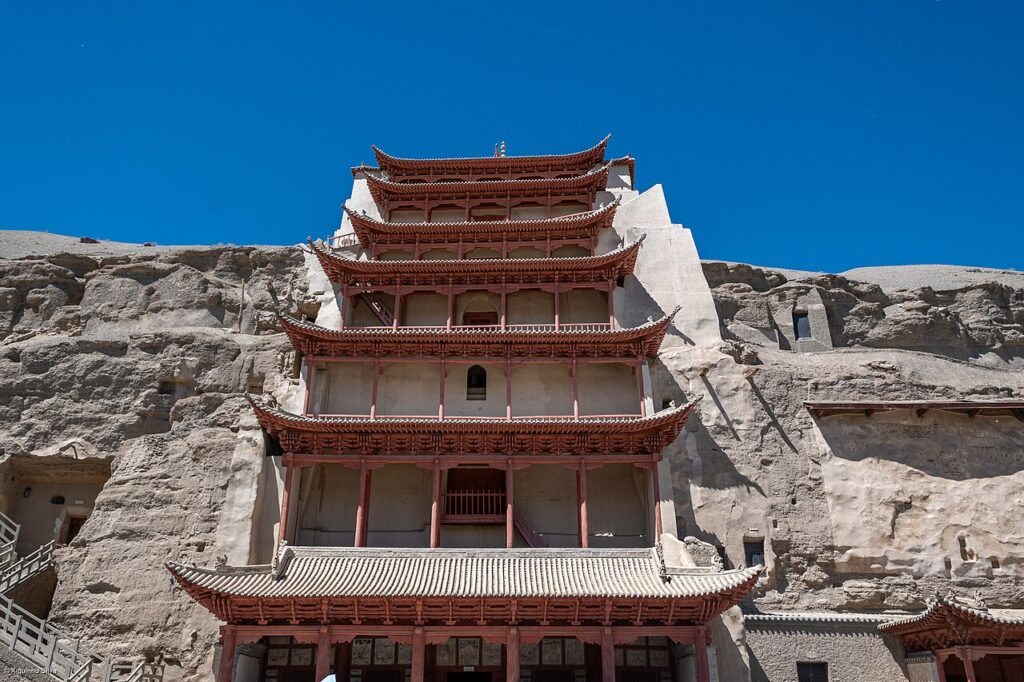
The Mogao Caves near Dunhuang, Gansu province, preserve 45,000 square metres of Buddhist murals painted between the 4th and 14th centuries CE across 492 cave shrines cut into a desert cliff face. A sealed side chamber rediscovered in 1900 contained the 868 CE Diamond Sutra — the oldest dated printed book in existence — along with roughly 40,000 manuscripts, most of which left China in the early 20th century through transactions with Western archaeologists.

UNESCO Sites Near Qal’at al-Bahrain: What to See

UNESCO Sites Near Qal’at al-Bahrain: What to See

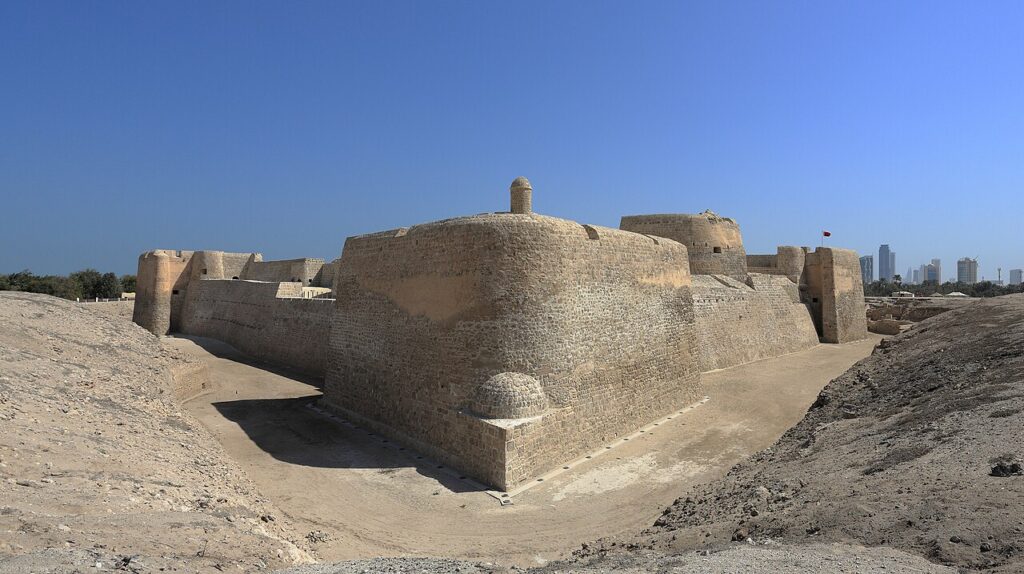
Qal’at al-Bahrain is a 4,000-year tell on the northern coast of Bahrain documenting the capital of Dilmun — the Bronze Age trading hub between Sumer and the Indus Valley that Gilgamesh visited in search of immortality. A Portuguese fort built from 1521 and captured by Safavid Persia in 1602 forms the uppermost occupation layer, above six earlier strata.

Scroll to Top