travel

UNESCO Sites Near Changdeokgung: What to See

UNESCO Sites Near Changdeokgung: What to See

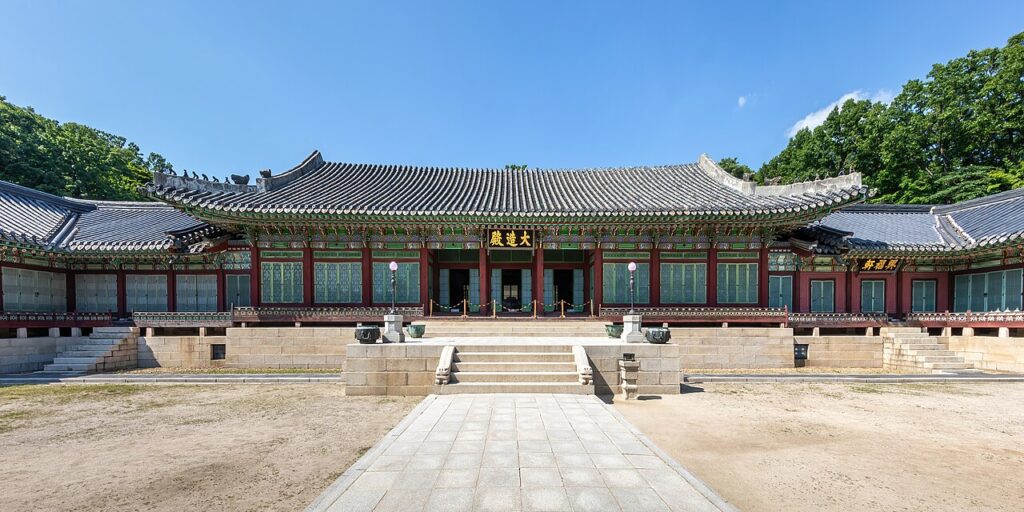
Changdeokgung Palace, inscribed as a UNESCO World Heritage Site in 1997, was built in 1405 and served as the principal seat of the Joseon dynasty’s government for 262 years. Its 32-hectare Huwon garden — a forested hillside landscape of 26 pavilions and centuries-old trees that works with natural terrain rather than imposing a geometric plan — is the finest surviving example of traditional Korean garden design. The last members of the Joseon royal family lived in the palace complex until 1989.
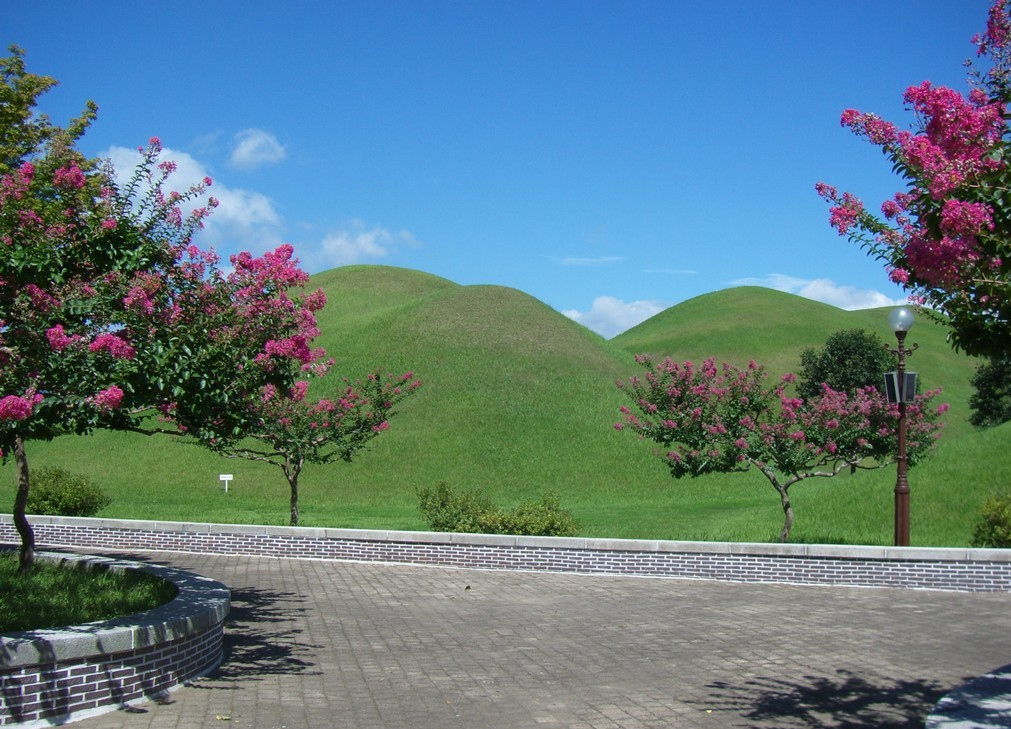
UNESCO Sites Near Gyeongju: What to See

UNESCO Sites Near Gyeongju: What to See

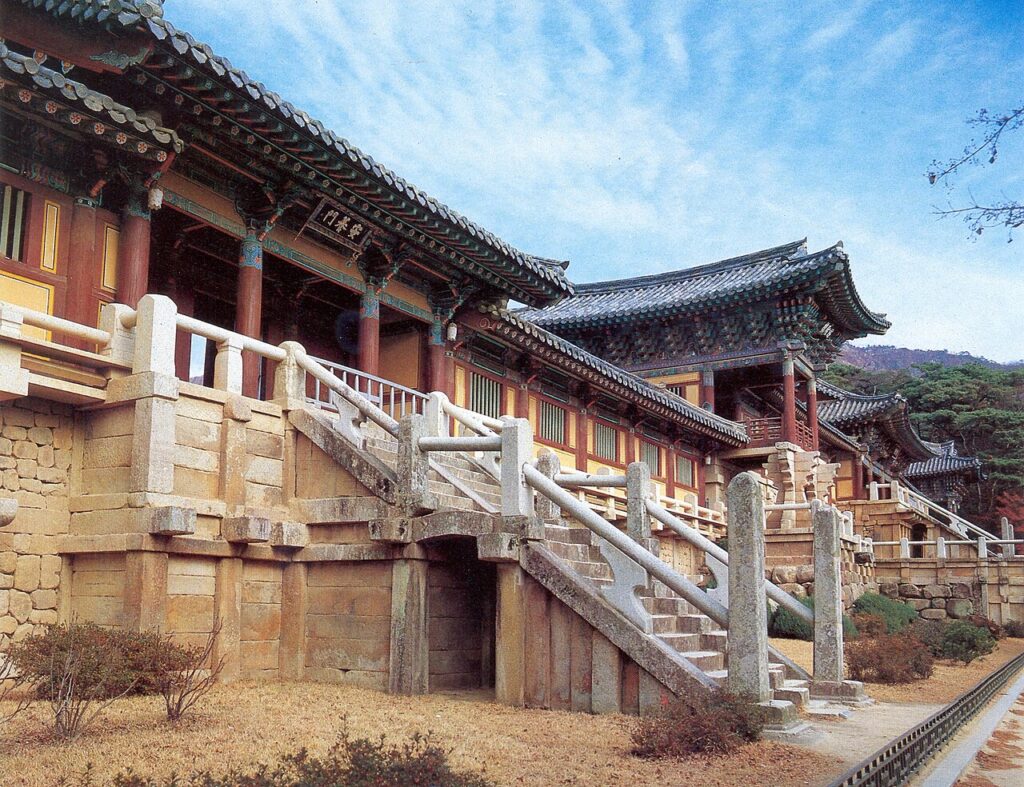
Gyeongju served as the capital of the Silla Kingdom for nearly one thousand years and holds two separate UNESCO World Heritage inscriptions covering six protected zones, including royal burial mounds that yielded approximately 40,000 artefacts and one of the earliest surviving astronomical observatories in Asia. The city’s extraordinary density of archaeological remains — from grass-covered tumuli to the 80-metre temple pagoda foundation destroyed by Mongols in 1238 — has made it one of the most significant heritage destinations in East Asia.

UNESCO Sites Near Nikko: What to See

UNESCO Sites Near Nikko: What to See

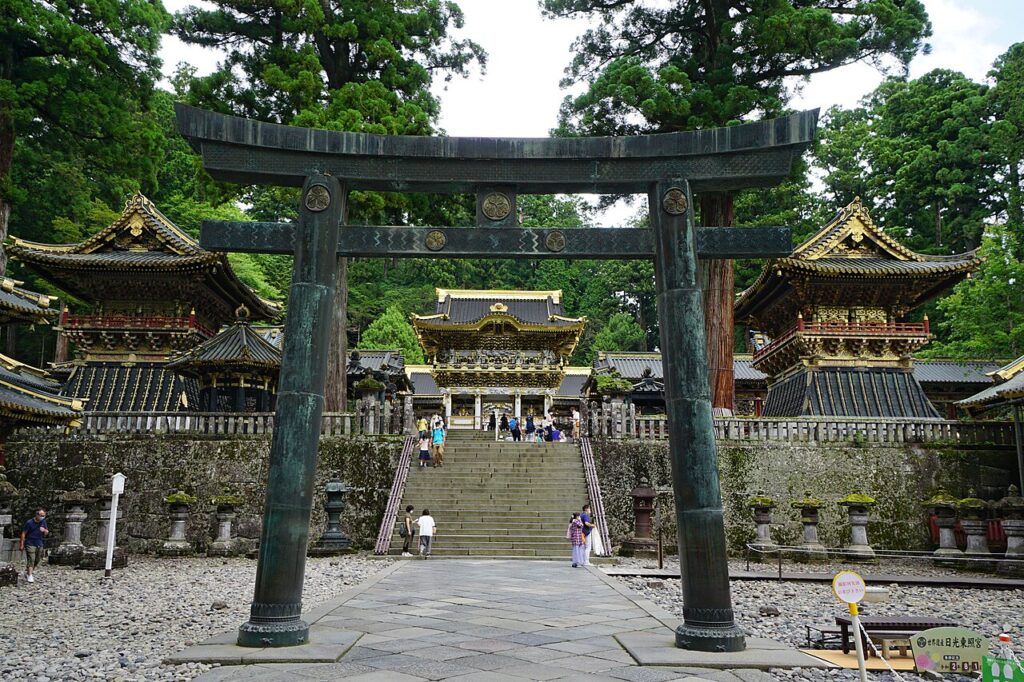
The Shrines and Temples of Nikkō — inscribed by UNESCO in 1999 — is a 103-building mountain complex built in 1634–1636 as the mausoleum of Tokugawa Ieyasu, founder of the shogunate that ruled Japan for 265 years. The Yōmeimon Gate contains one deliberately inverted pillar; the Sleeping Cat carving is attributed to a sculptor who reportedly cut off his own right hand. Nikkō is 140 kilometres north of Tokyo, with no second UNESCO site immediately adjacent.

UNESCO Sites Near Hiroshima Peace Memorial: What to See

UNESCO Sites Near Hiroshima Peace Memorial: What to See

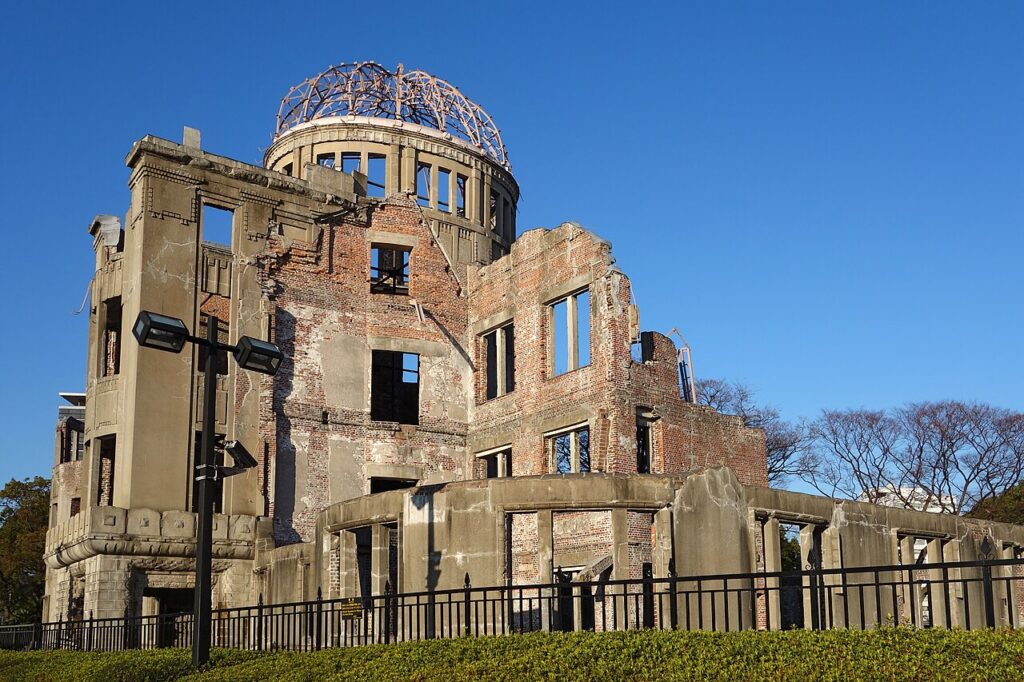
The Hiroshima Peace Memorial — the Genbaku Dome — is the preserved ruin of the only structure that remained standing near the hypocenter of the first atomic bomb dropped on a populated city, on 6 August 1945. UNESCO inscribed it in 1996 despite formal objections from the United States and China. The nearest second UNESCO site, Itsukushima Shrine on Miyajima, is 30 kilometres west by train and ferry.

UNESCO Sites Near Yakushima: What to See

UNESCO Sites Near Yakushima: What to See

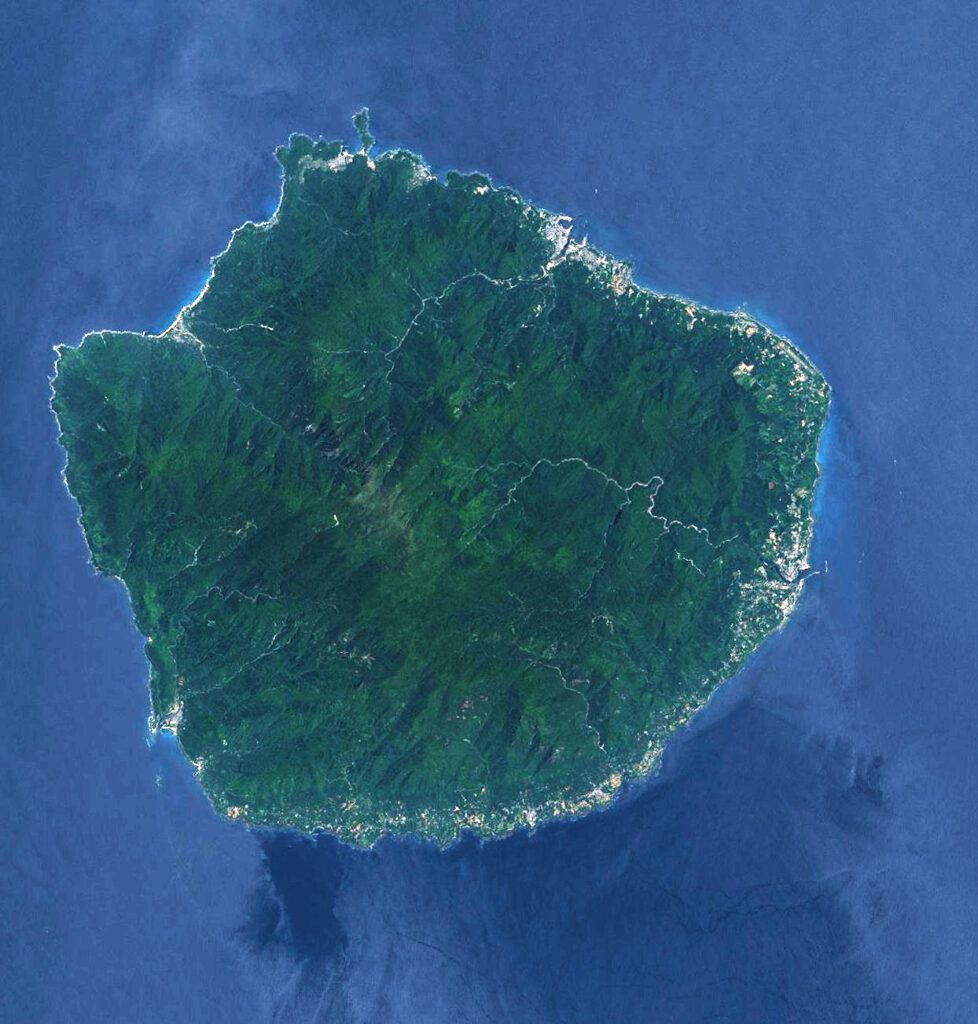
Yakushima is an island of 500 km² in Kagoshima prefecture, Japan, inscribed as UNESCO World Heritage in 1993 — the first natural UNESCO listing in Japan. Its ancient Yakusugi cedar forest includes the Jōmon Sugi, a tree estimated at 2,000–7,200 years old, and the island’s visual character directly inspired Hayao Miyazaki’s film “Princess Mononoke” (1997). The island’s interior rises to 1,936 metres from a subtropical coast, stacking multiple climatic zones in a short distance.

Scroll to Top