Itineraries

Forbidden City Imperial Palaces Beijing: Guide

Forbidden City Imperial Palaces Beijing: Guide

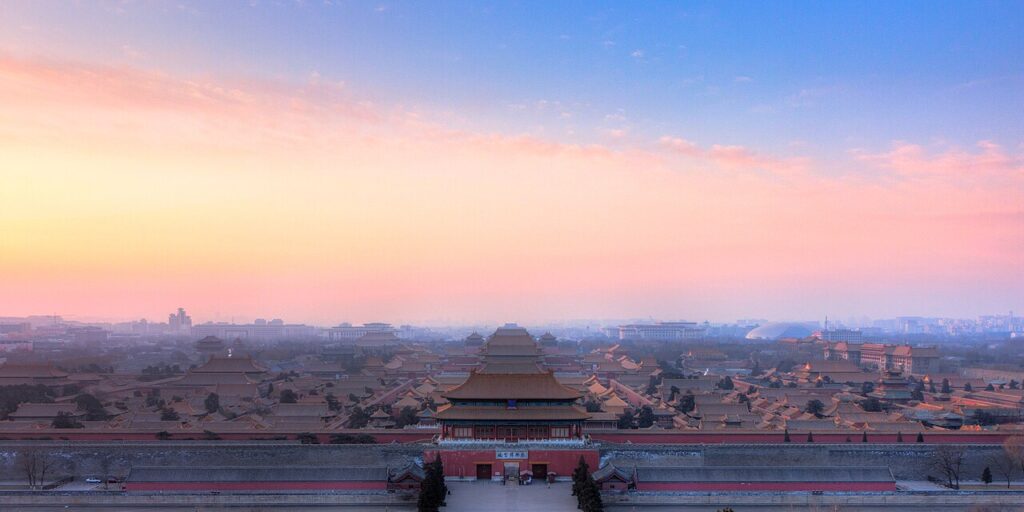
The Forbidden City (Imperial Palaces of Ming and Qing Dynasties, inscribed 1987) — 72 hectares of palace complex in central Beijing, 24 emperors over 491 years — sits 4 km from the Temple of Heaven, 60 km from the Great Wall at Badaling, and 50 km from the Ming Tombs.
The Great Wall of China Fortifications: Travel Guide

The Great Wall of China Fortifications: Travel Guide

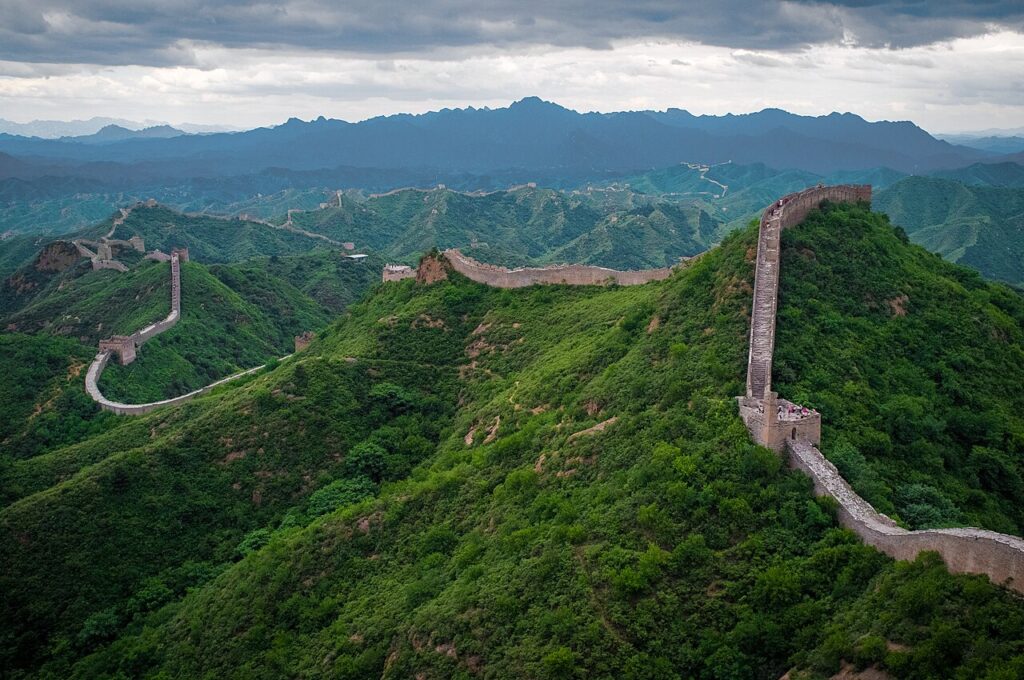
The Great Wall of China — 21,196 km of fortifications inscribed in 1987 — sits within 60 km of the Forbidden City, Summer Palace and Ming Tombs in Beijing, 90 minutes from Yungang Grottoes in Shanxi, and 7 hours from Jiayuguan Fort at the Silk Road’s Gansu gateway.

Mount Taishan Sacred Imperial Peak: Travel Guide

Mount Taishan Sacred Imperial Peak: Travel Guide

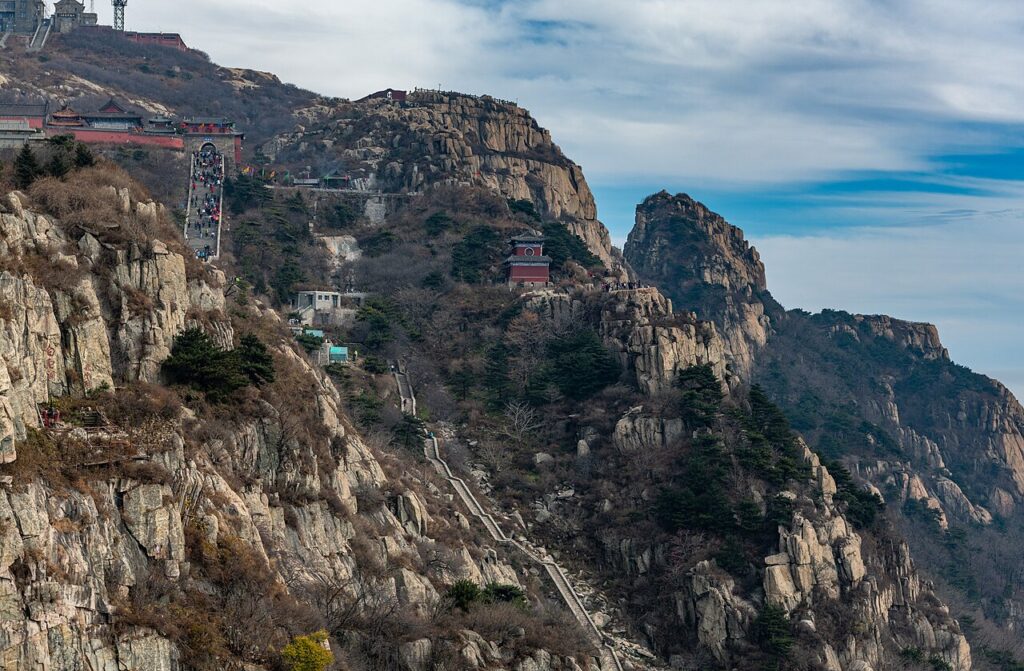
Mount Taishan — China’s most venerated sacred mountain (inscribed 1987), where 72 emperors performed feng and shan sacrifices on the 1,545-metre Shandong peak above 6,600 stone steps and 1,800 carved inscriptions — connects by high-speed rail to Confucius’s birthplace at Qufu (30 min south) and the Forbidden City in Beijing (2 hours north).

Okinoshima Sacred Island & Munakata Shrines: Guide

Okinoshima Sacred Island & Munakata Shrines: Guide

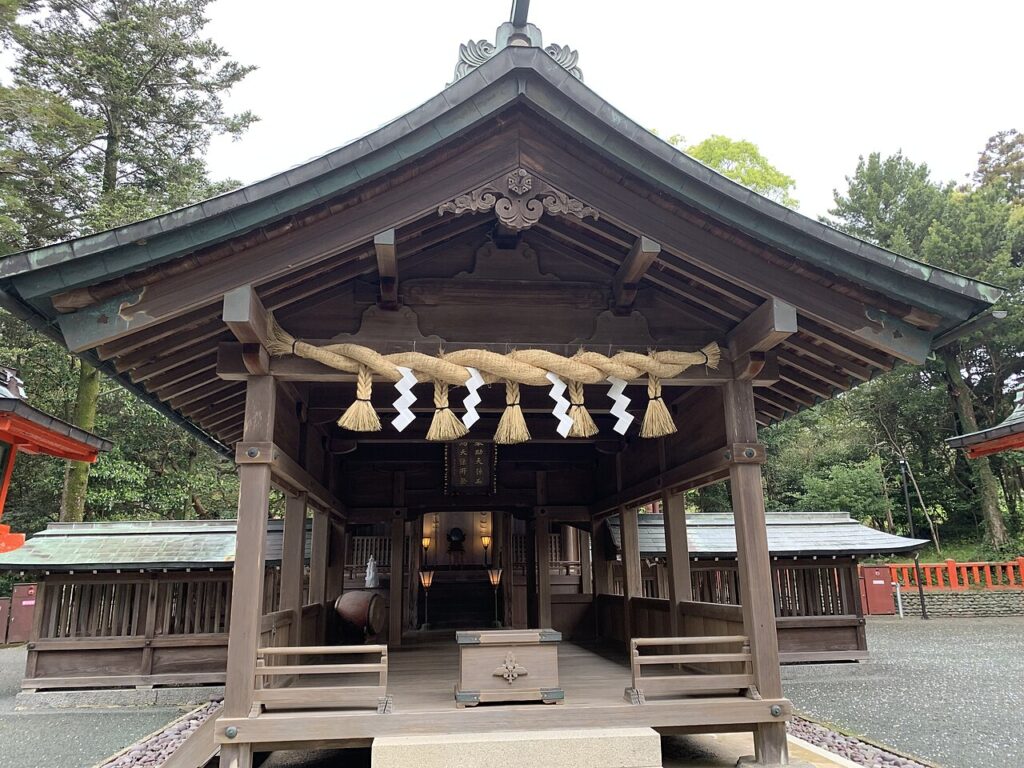
Okinoshima and Associated Sites in the Munakata Region — Japan’s 2017 UNESCO inscription protecting the sacred island 60 km offshore in the Genkai Sea, where 80,000 ritual objects document the 4th–9th-century East Asian trade route — connects west to Itsukushima Shrine and Hiroshima and east to Historic Kyoto and Nara by Sanyo Shinkansen.

Sado Island Gold Mines Edo Technology: Travel Guide

Sado Island Gold Mines Edo Technology: Travel Guide

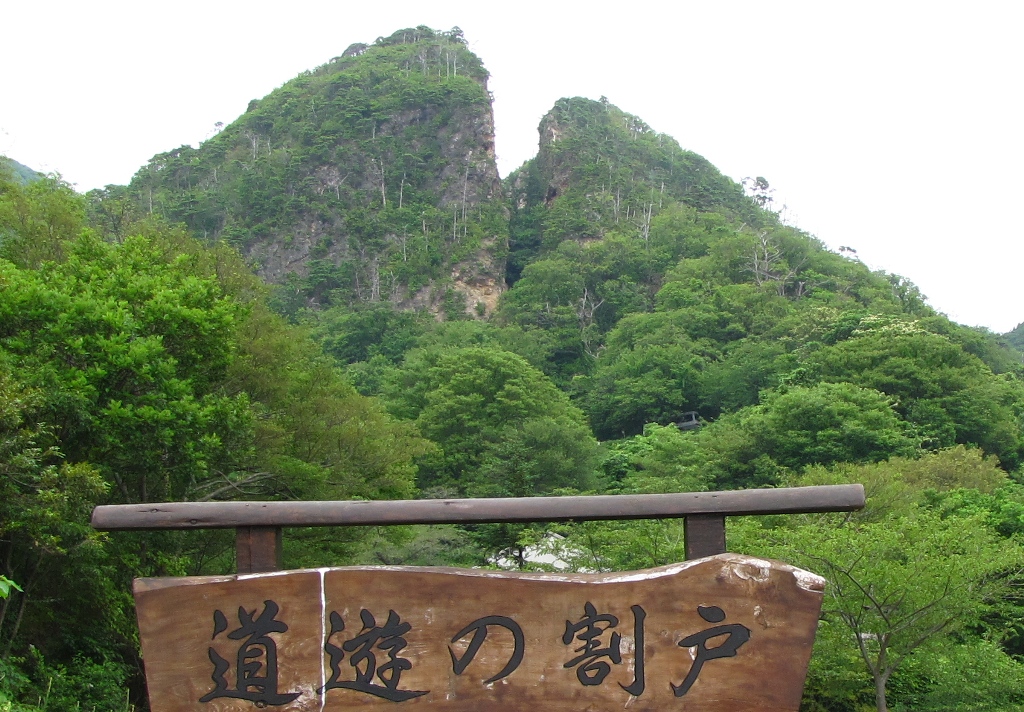
Sado Island Gold Mine — Japan’s newest UNESCO inscription (2024), the 390-year gold mine in the Sea of Japan, 65 minutes by hydrofoil from Niigata — connects by Shinkansen to Shirakawa-go’s mountain farmhouses, the Tomioka Silk Mill and Tokyo’s Le Corbusier museum within 2 hours.

Jomon Prehistoric Sites Northern Japan: Travel Guide

Jomon Prehistoric Sites Northern Japan: Travel Guide

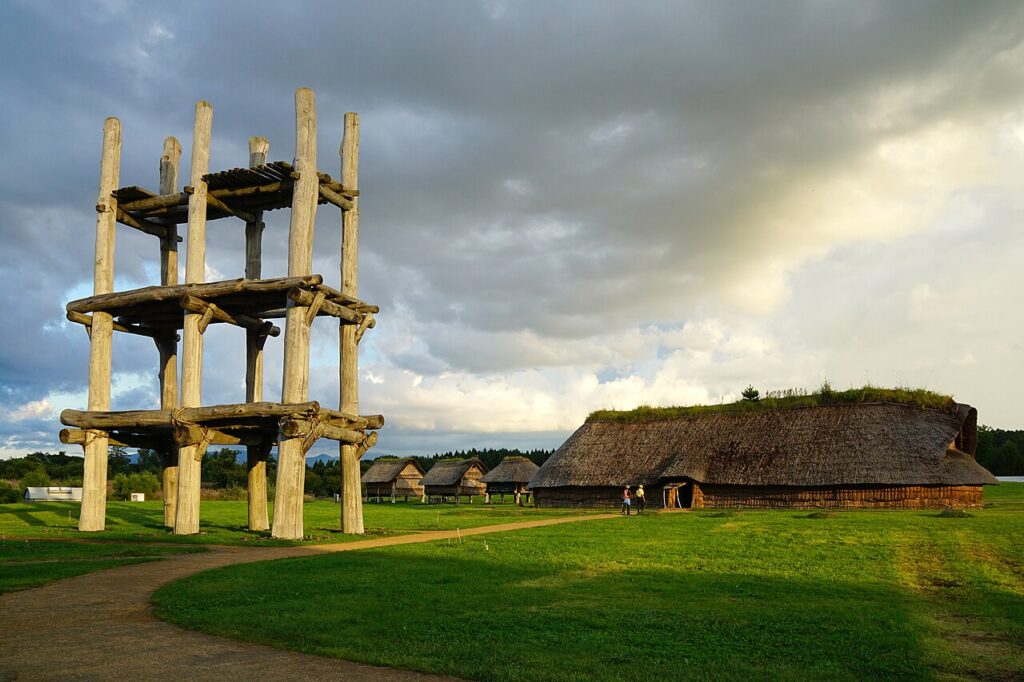
The Jomon Prehistoric Sites in Northern Japan — 17 component sites across Hokkaido and Tohoku inscribed in 2021, including Aomori’s Sannai-Maruyama (occupied 3900–2300 BCE) — connect south to Hiraizumi (150 km) and Shirakami-Sanchi (50 km west), and north to Shiretoko by Shinkansen and limited express.

Amami-Oshima & Okinawa Islands Subtropical Forests

Amami-Oshima & Okinawa Islands Subtropical Forests

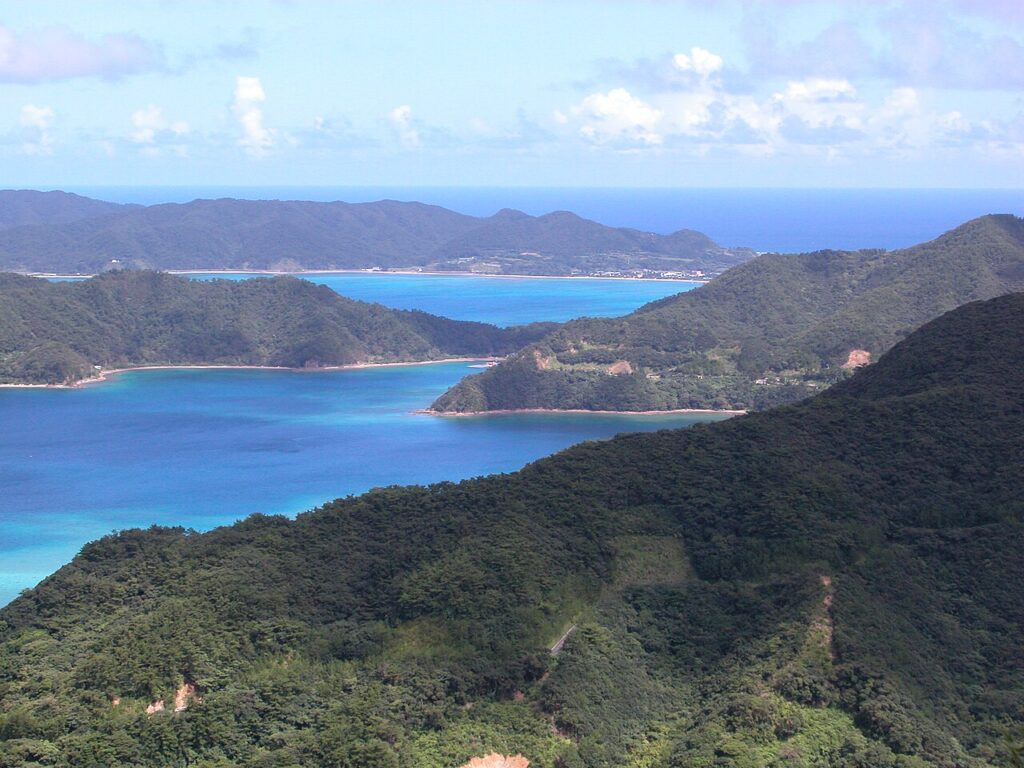
The Amami-Oshima, Tokunoshima, Northern Okinawa and Iriomote natural inscription (2021) — protecting the Amami rabbit, Iriomote cat and Okinawa rail — connects north to Yakushima (160 km) and south to Okinawa’s Ryukyuan gusuku castles (150 km) along the subtropical island arc.

Mozu-Furuichi Kofun Ancient Mounded Tombs: Guide

Mozu-Furuichi Kofun Ancient Mounded Tombs: Guide

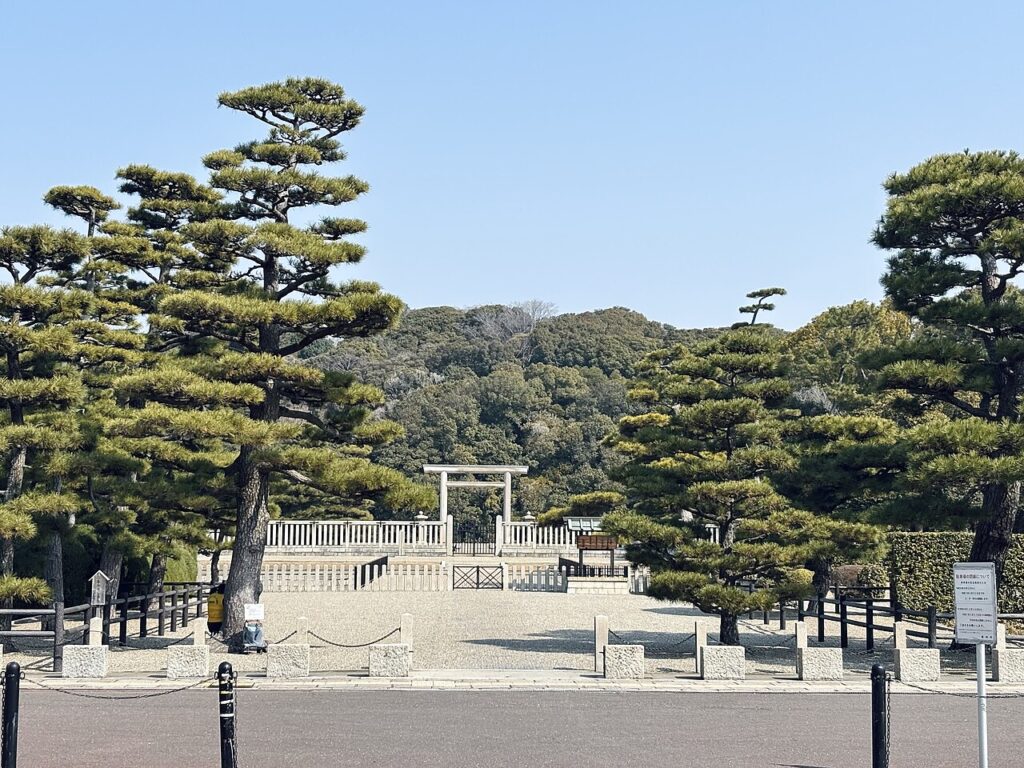
The Mozu-Furuichi Kofun Group — 49 imperial burial mounds inscribed in 2019 in Osaka Prefecture, including the world’s largest burial structure by ground area — sits within 30 km of Ancient Nara, 40 km of Horyu-ji and 60 km of Historic Kyoto by Kintetsu and JR.

National Museum of Western Art Tokyo Le Corbusier

National Museum of Western Art Tokyo Le Corbusier

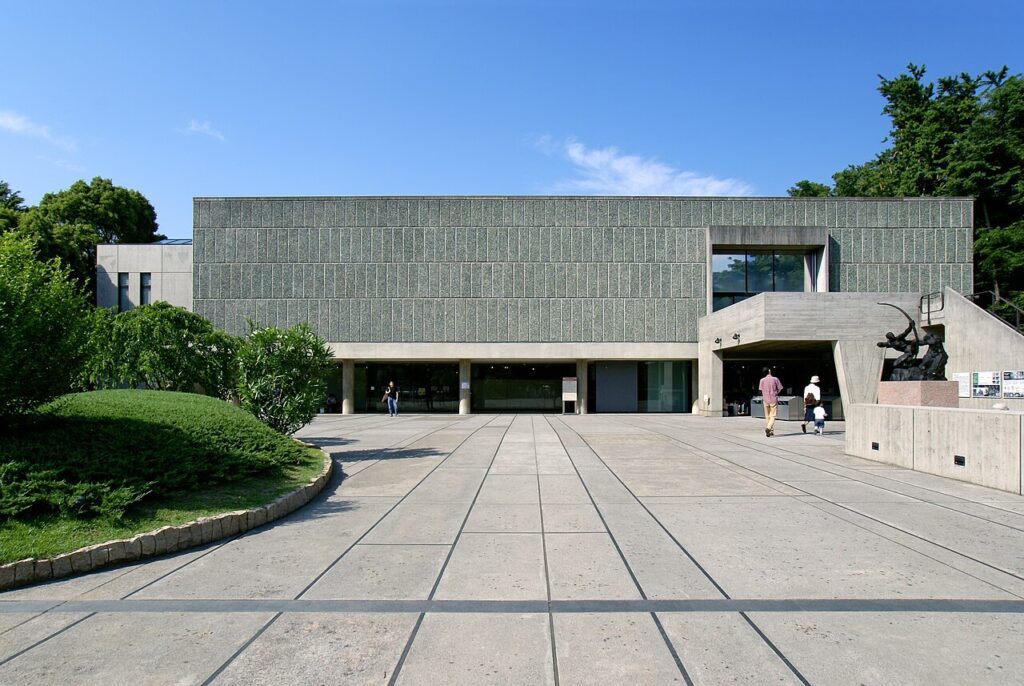
The National Museum of Western Art in Ueno — Le Corbusier’s 1959 Tokyo building inscribed as part of the 7-country Le Corbusier series in 2016 — is within Ueno Park, 90 minutes from the Nikko shrines by Tobu Limited Express and 140 km from the Tomioka Silk Mill by JR.

Scroll to Top