Itineraries

UNESCO Sites Near Yakushima: What to See

UNESCO Sites Near Yakushima: What to See

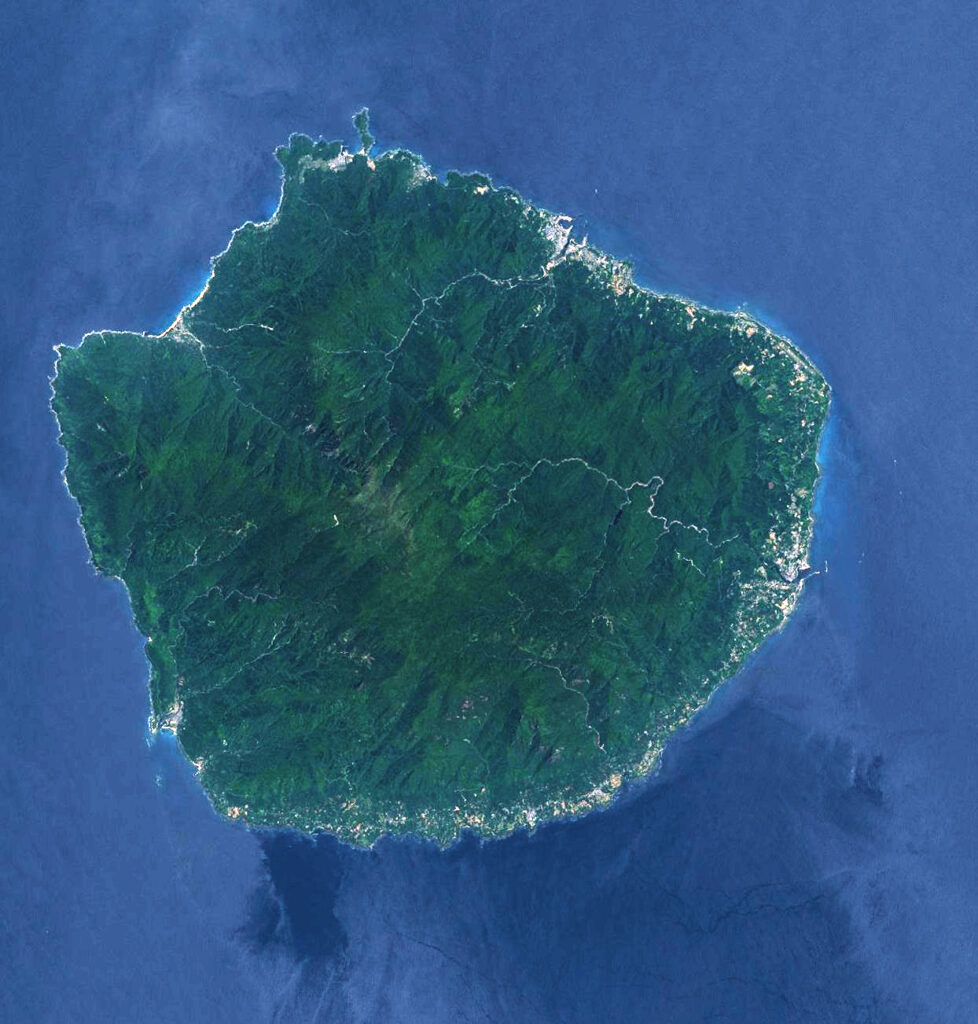
Yakushima is an island of 500 km² in Kagoshima prefecture, Japan, inscribed as UNESCO World Heritage in 1993 — the first natural UNESCO listing in Japan. Its ancient Yakusugi cedar forest includes the Jōmon Sugi, a tree estimated at 2,000–7,200 years old, and the island’s visual character directly inspired Hayao Miyazaki’s film “Princess Mononoke” (1997). The island’s interior rises to 1,936 metres from a subtropical coast, stacking multiple climatic zones in a short distance.

UNESCO Sites Near Horyu-ji: What to See

UNESCO Sites Near Horyu-ji: What to See

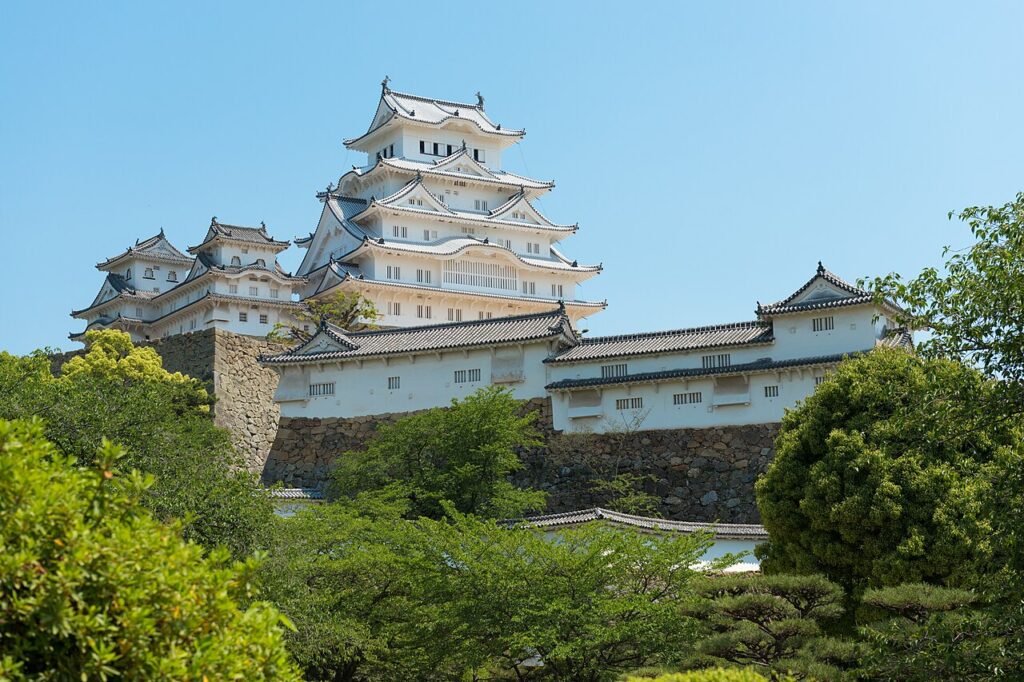
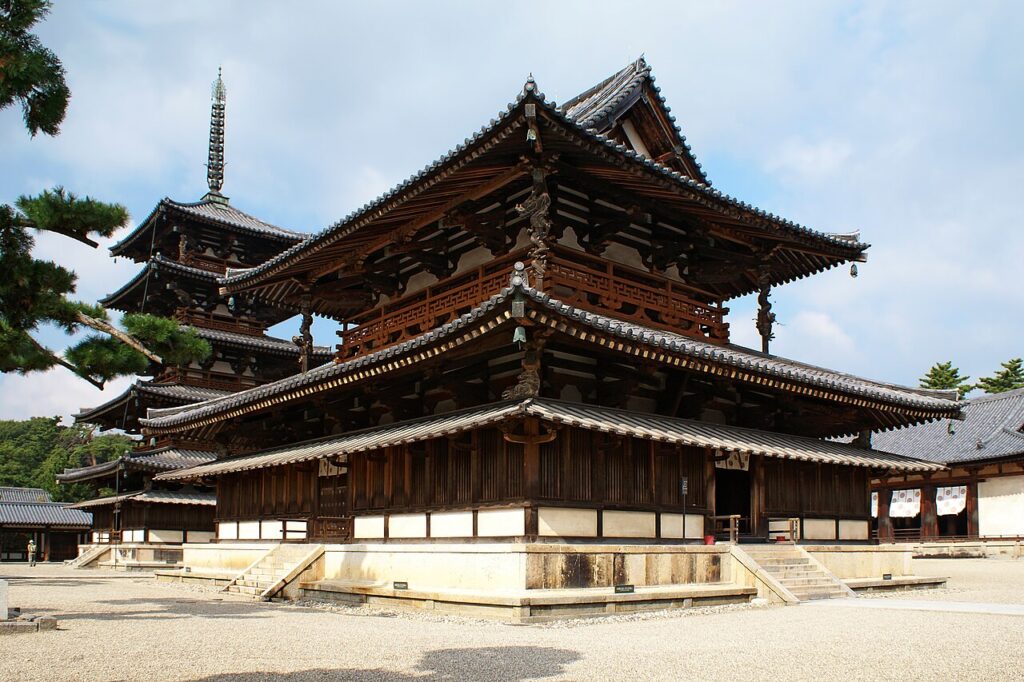
Hōryū-ji in Ikaruga, Nara prefecture, contains the world’s oldest surviving wooden buildings — a five-story pagoda and golden hall from approximately 680–710 CE. Founded in 607 CE by Prince Shōtoku as a Buddhist vow, the temple’s pagoda uses a suspended central pillar that engineers later cited as a precedent for the Tokyo Skytree’s earthquake-damping design. It was inscribed as a UNESCO World Heritage Site in 1993, Japan’s first inscription alongside Himeji Castle.

UNESCO Sites Near Mount Emei & Leshan: What to See

UNESCO Sites Near Mount Emei & Leshan: What to See

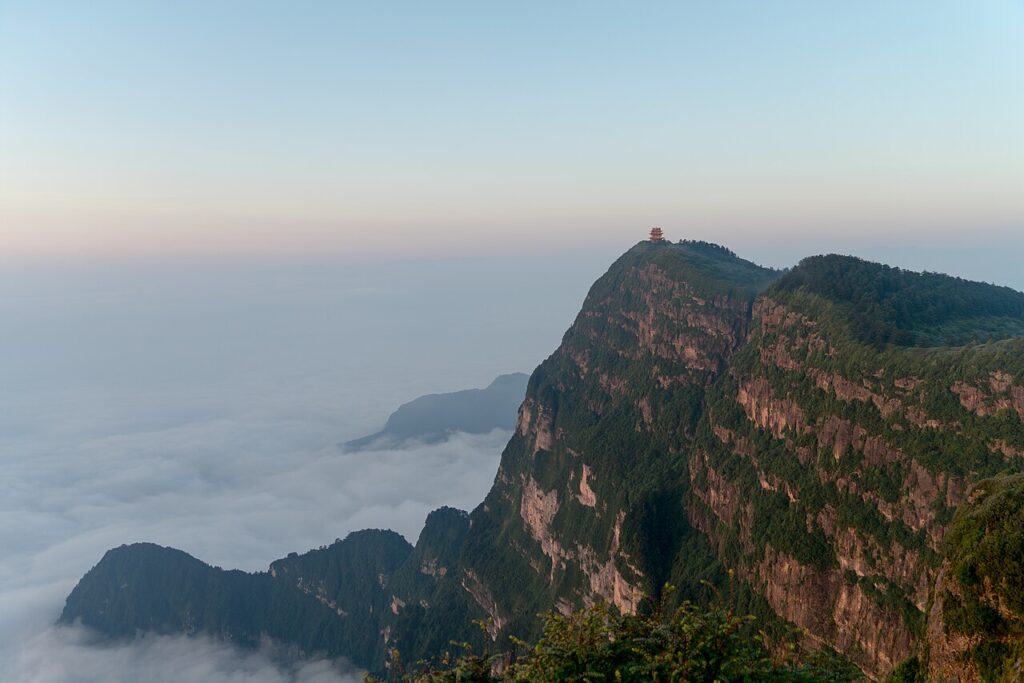
Mount Emei and the Leshan Giant Buddha share a UNESCO World Heritage designation awarded in 1996 for both their natural and cultural significance. The 3,099-metre sacred peak holds over 30 Buddhist monasteries along its pilgrim trail and produces the Brocken spectre atmospheric halo at its summit; 30 kilometres east, the 71-metre Tang dynasty Buddha at the river confluence — funded by a monk who gouged out his own eyes to stop an extortion attempt — remains the largest stone Buddha in the world. One hundred kilometres northwest, the Sichuan Giant Panda Sanctuaries add a third UNESCO inscription to the Chengdu basin itinerary.

UNESCO Sites Near Mount Wutai: What to See

UNESCO Sites Near Mount Wutai: What to See

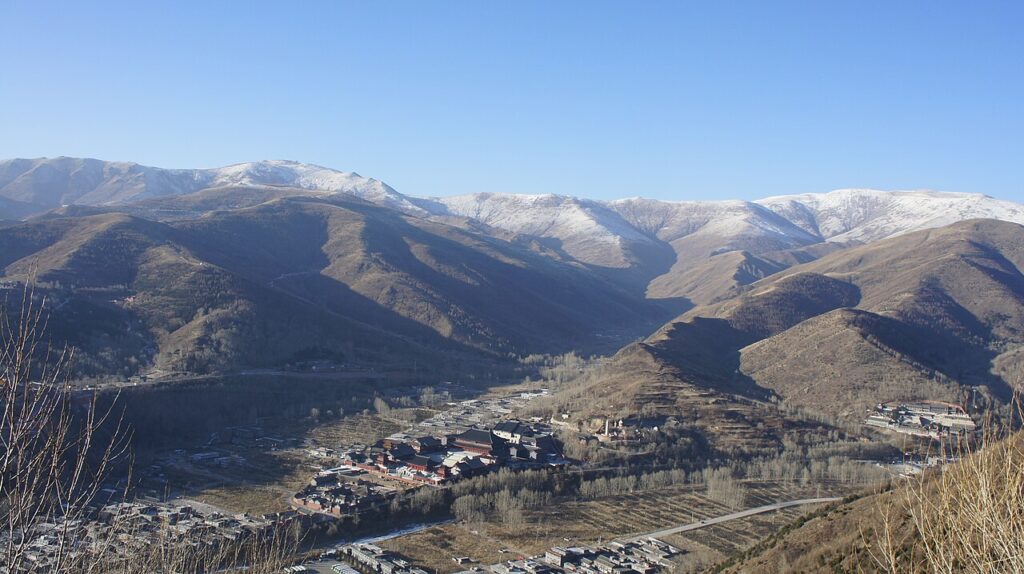
Mount Wutai in Shanxi province holds UNESCO World Heritage status for its 53 monasteries spanning 1,500 years of Chinese Buddhist architecture — including China’s oldest surviving timber-frame building (782 CE) and the second-oldest (857 CE), the latter found in 1937 by architectural historians following a clue in a Dunhuang cave mural. The only Chinese sacred mountain recognised by Mahayana, Tibetan, and Mongolian Buddhist traditions, Wutai connects the history of imperial Buddhist patronage with a landscape still used for active pilgrimage. Two hundred kilometres east, the Yungang Grottoes near Datong add the earliest large-scale Buddhist stone sculpture in China to the same journey.

UNESCO Sites Near Xidi and Hongcun: What to See

UNESCO Sites Near Xidi and Hongcun: What to See

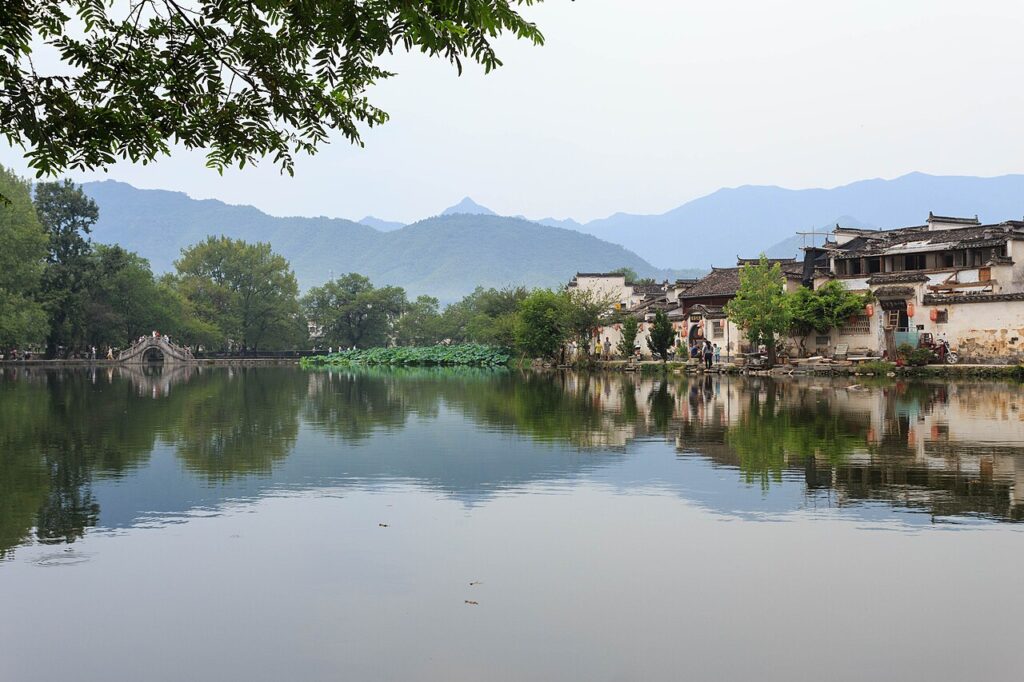
Xidi and Hongcun in southern Anhui hold UNESCO World Heritage status for their 330 intact Ming and Qing dynasty Huizhou houses, built with the salt and tea fortunes of China’s most powerful merchant class. Hongcun’s Ming-period water system — designed as a buffalo in plan and still flowing through every household — became globally recognised after its use as a filming location in Ang Lee’s “Crouching Tiger, Hidden Dragon.” Fifty kilometres north, the Huangshan mountain range adds a second UNESCO inscription to the same journey.

UNESCO Sites Near Wuyi Mountains: What to See

UNESCO Sites Near Wuyi Mountains: What to See

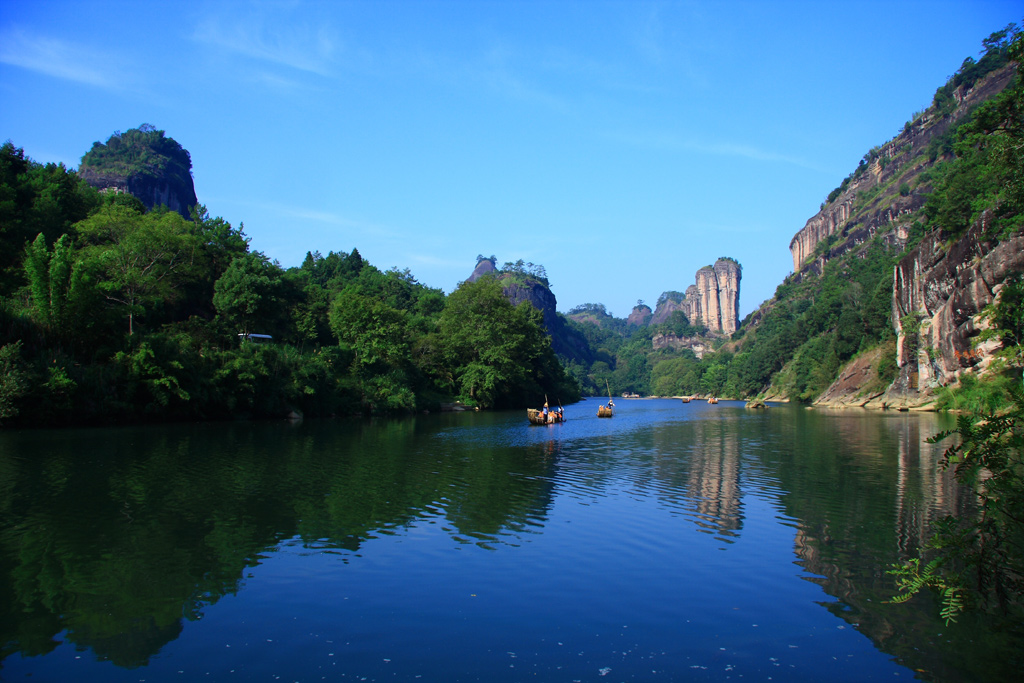
The Wuyi Mountains in Fujian hold UNESCO World Heritage status for both their subtropical forests and their cultural layers — Bronze Age boat coffins on cliff faces 80 metres high, a nine-bend river through sandstone gorges, the original bushes of the world’s most expensive tea, and the academy of a philosopher whose ideas governed Chinese statecraft for 600 years. Thirty kilometres south, the Fujian Tulou earthen buildings offer a second UNESCO inscription on the same journey.

UNESCO Sites Near Huangshan: What to See

UNESCO Sites Near Huangshan: What to See

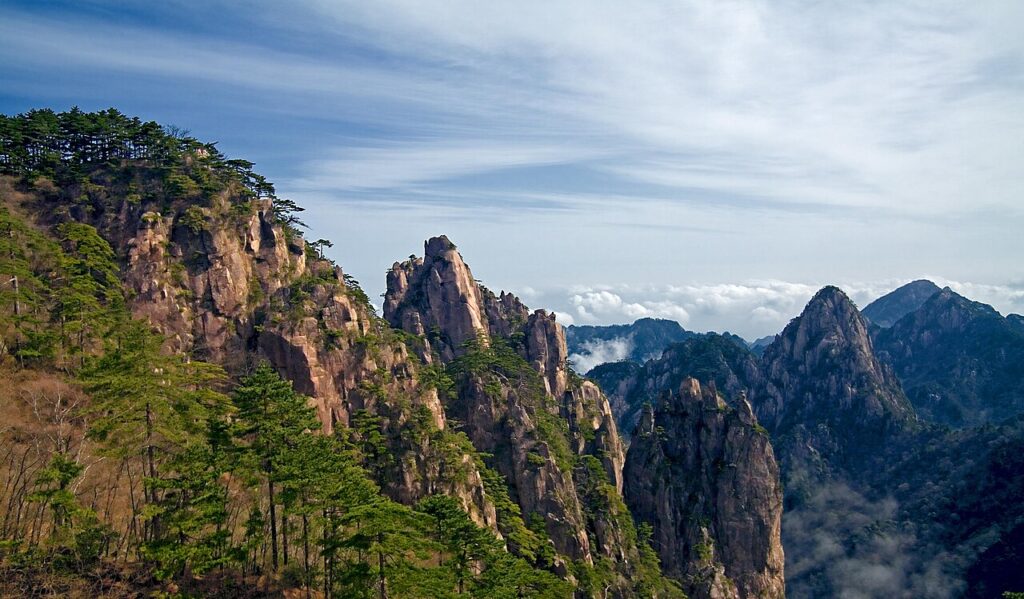
Huangshan (Yellow Mountains) in Anhui, China preserves 72 named granite peaks reaching 1,864 metres, approximately 54,000 registered individual Huangshan pines growing from cliff-face fractures, and a cloud-inversion effect that gave Chinese landscape painting its defining visual vocabulary. The 17th-century Anhui School painters worked directly from the mountain’s forms in a deliberate rejection of imitation, producing a compositional tradition that continues to shape East Asian visual culture.

Scroll to Top