
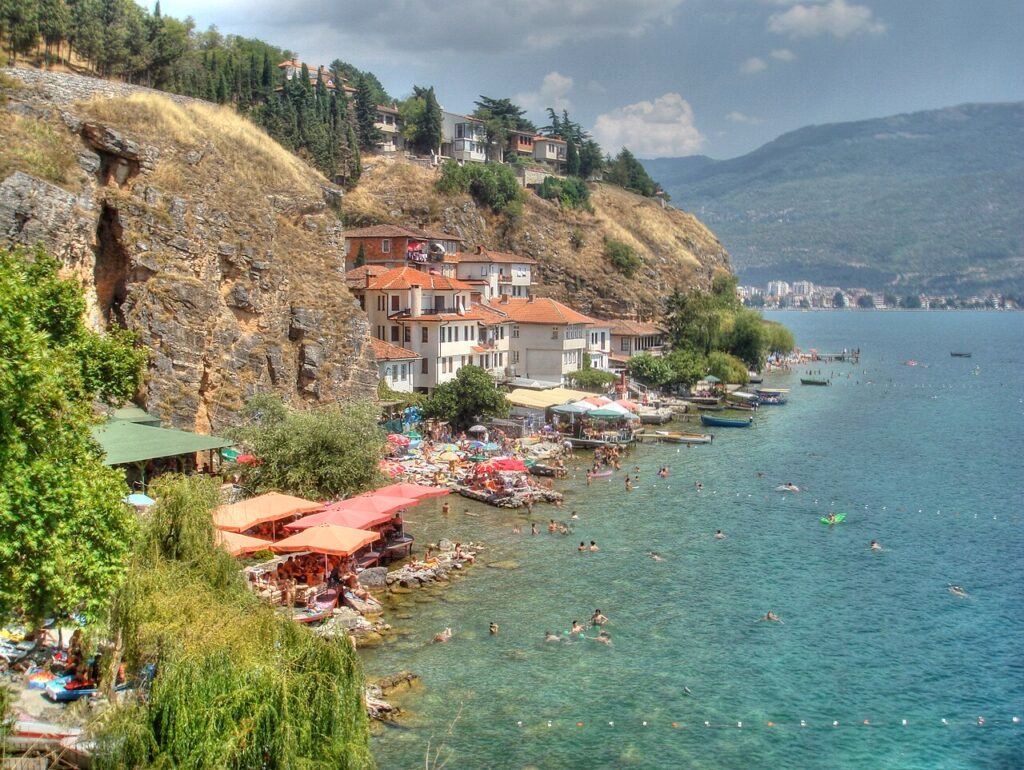
UNESCO Heritage Sites Near Skopje, North Macedonia
Ohrid, 170 km from Skopje, holds North Macedonia’s only UNESCO World Heritage Site — a rare mixed inscription combining one of Europe’s oldest lakes with a medieval town that shaped Slavic literacy.

Ohrid, 170 km from Skopje, holds North Macedonia’s only UNESCO World Heritage Site — a rare mixed inscription combining one of Europe’s oldest lakes with a medieval town that shaped Slavic literacy.
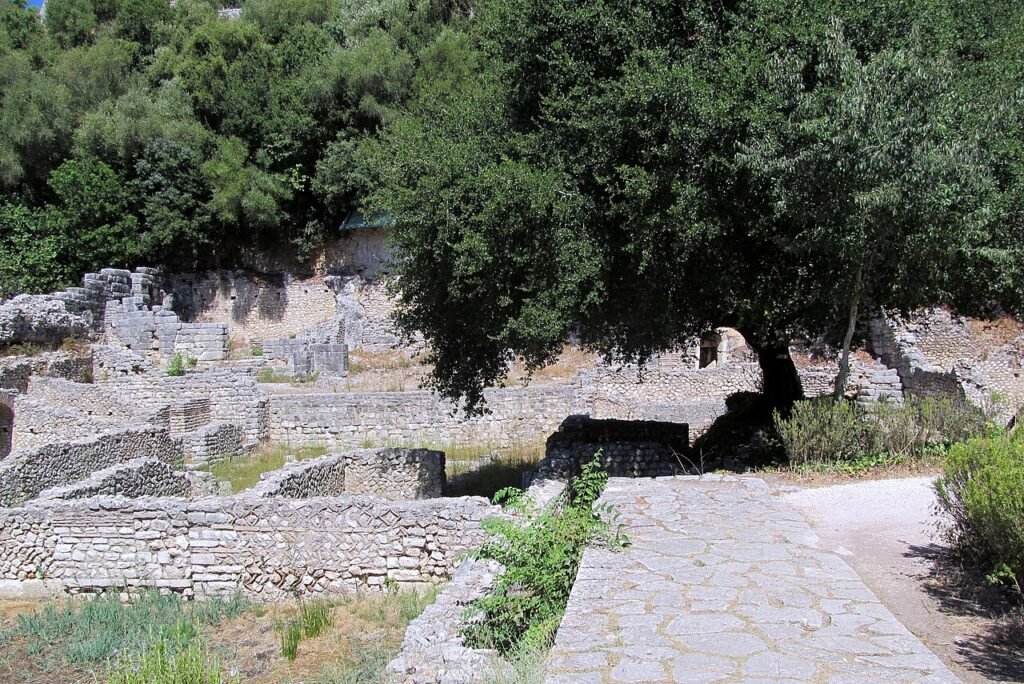
All three of Albania’s UNESCO World Heritage Sites — Butrint, Berat, and Gjirokastra — are reachable from Tirana within three hours, spanning Bronze Age ruins to intact Ottoman townscapes.
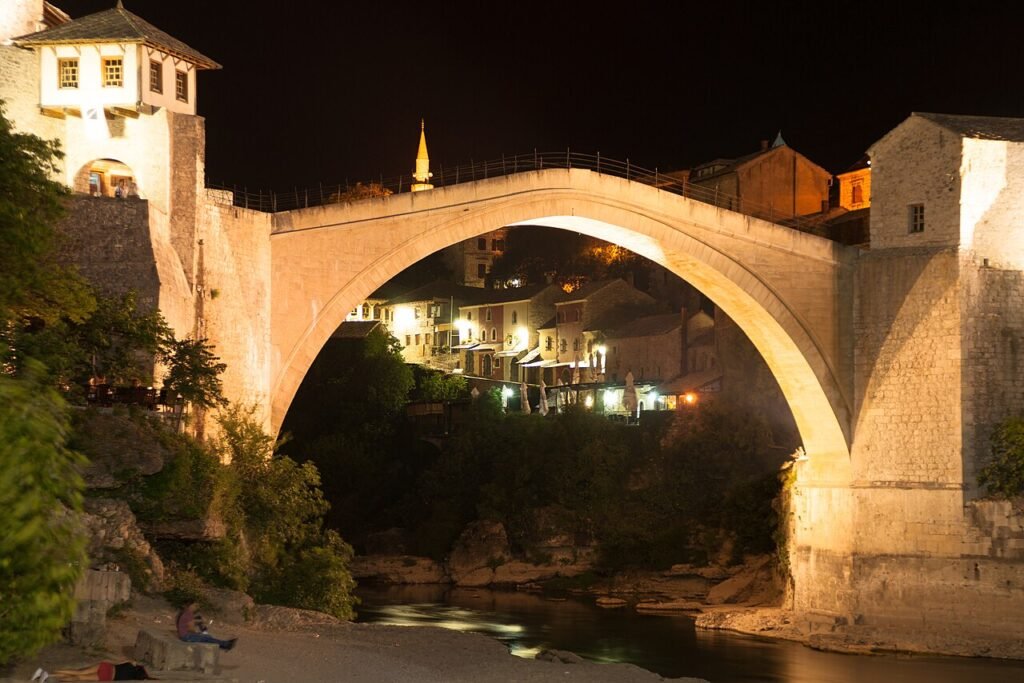
Two UNESCO sites lie within three hours of Sarajevo: Mostar’s rebuilt Ottoman bridge and the mysterious medieval stećci tombstones of southern Bosnia.
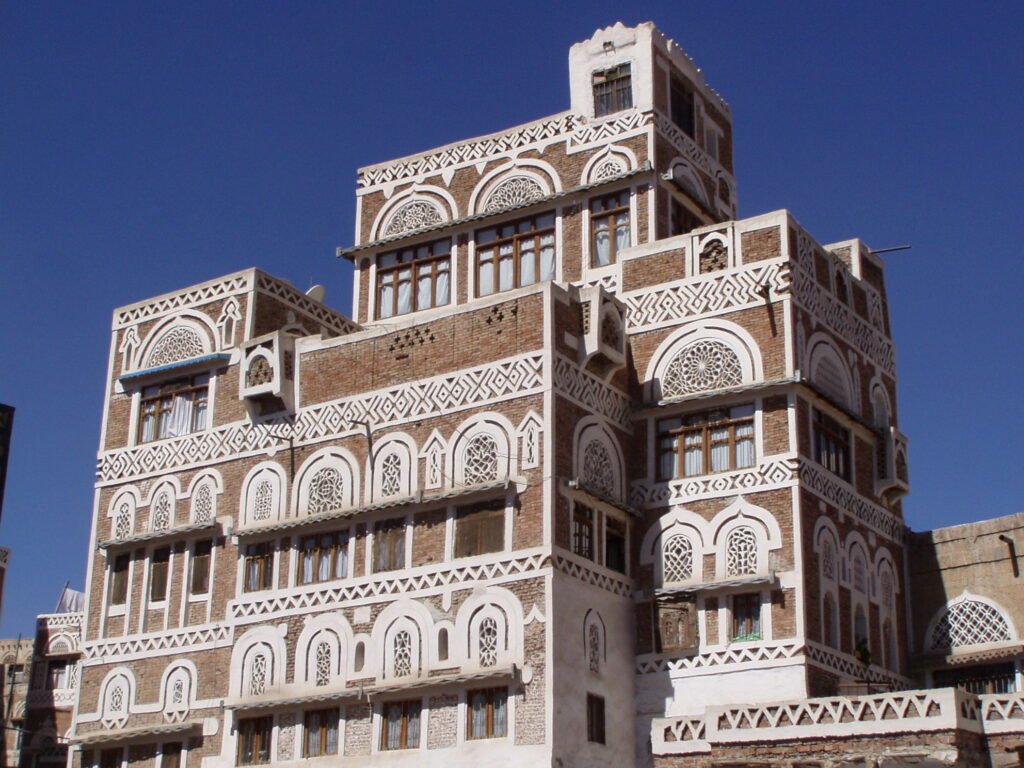
Yemen’s three most accessible UNESCO sites — the Old City of Sana’a, Shibam’s mud-brick skyscrapers, and medieval Zabid — span 2,500 years of Arab-Islamic urbanism.
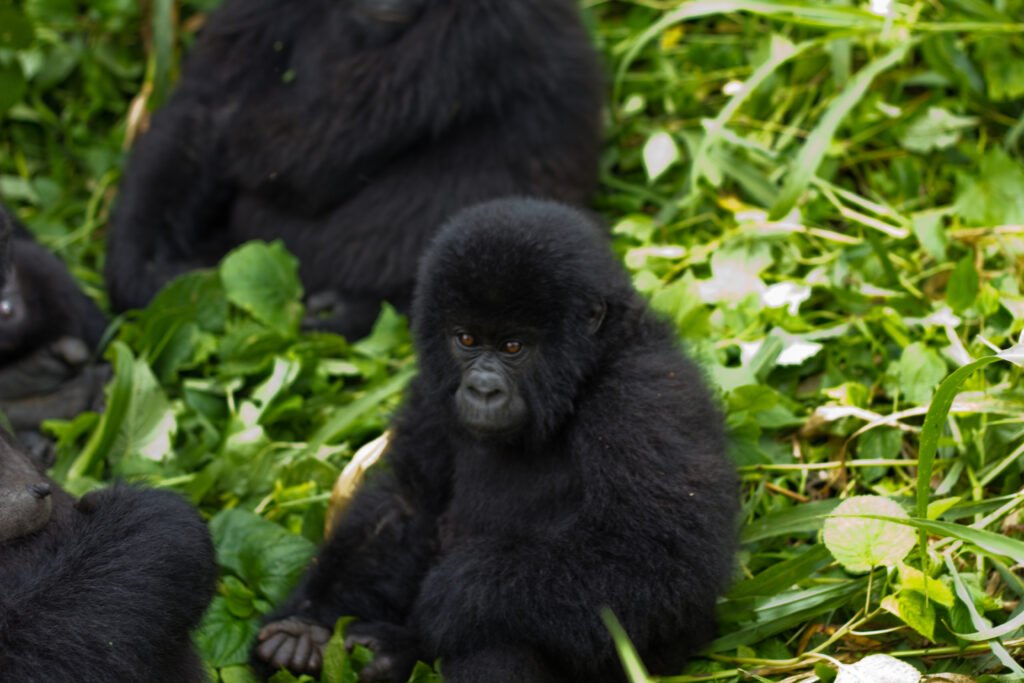
Three UNESCO World Heritage Sites in the DRC’s northeast — Garamba, the Okapi Reserve, and Virunga — hold some of Africa’s rarest wildlife, from mountain gorillas to the last okapis on Earth.
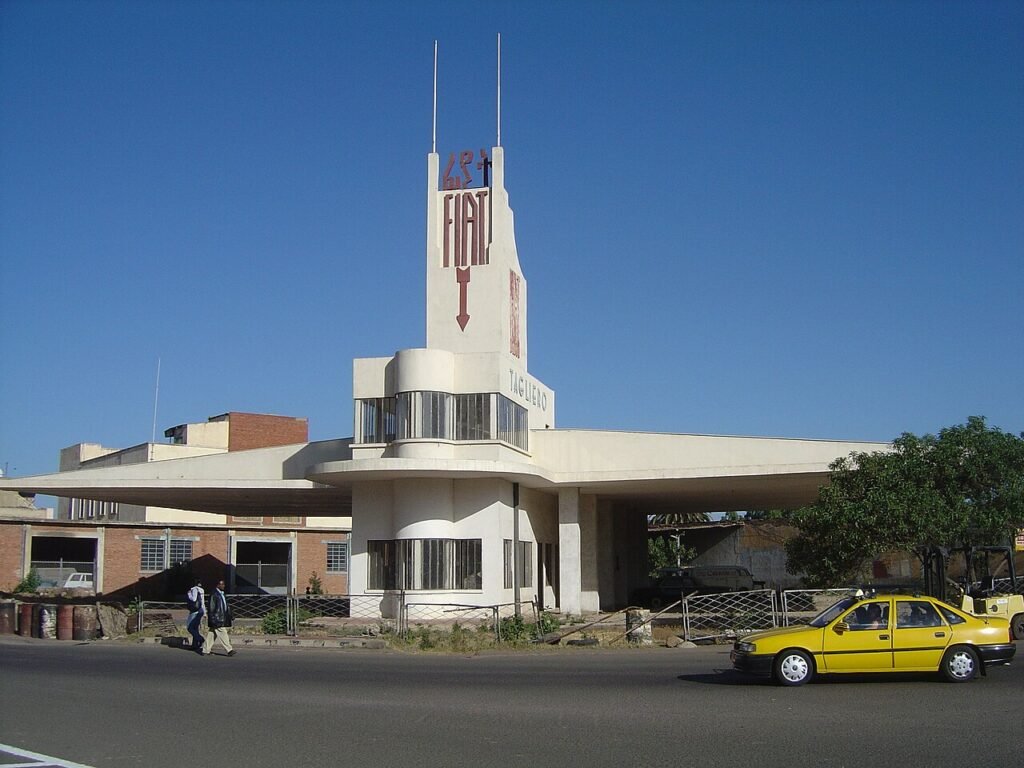
Asmara, Eritrea’s highland capital, is itself a UNESCO World Heritage Site — an open-air collection of 400 Futurist and Art Deco buildings preserved since Italian colonial rule ended in 1941.
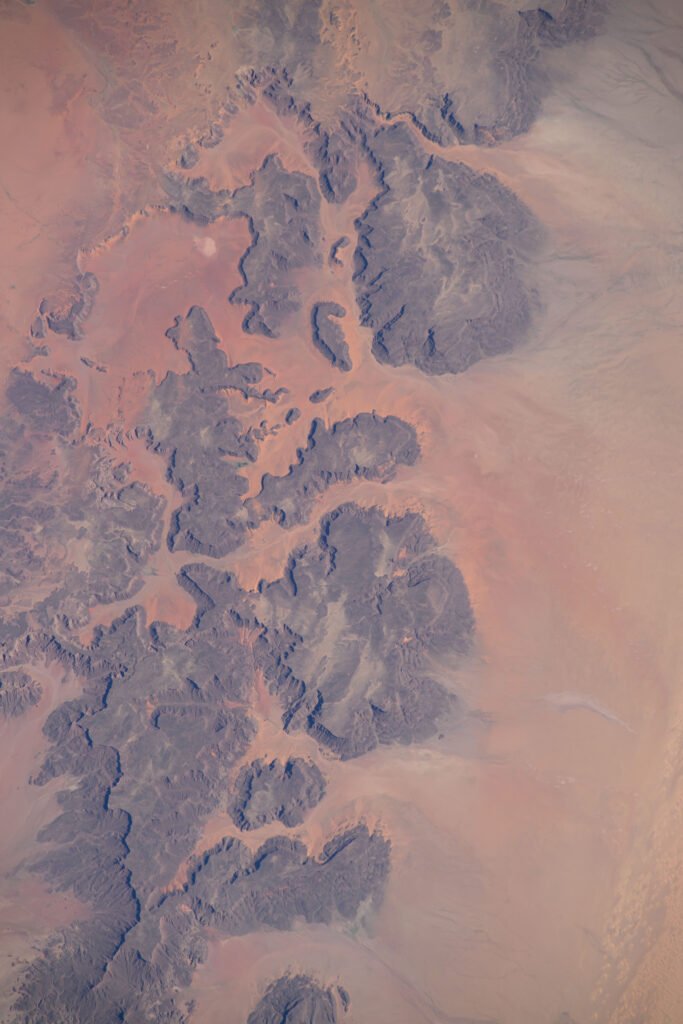
Chad’s two UNESCO sites — the Lakes of Ounianga and the Ennedi Massif — are both reachable from N’Djamena for travellers willing to venture deep into the Sahara.
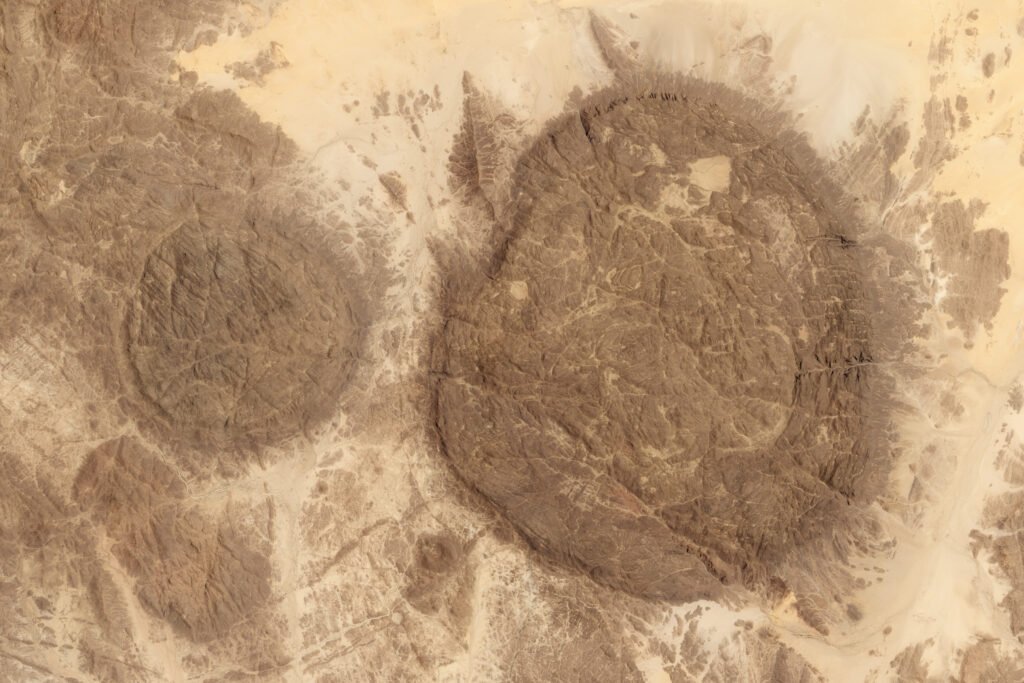
Two UNESCO World Heritage Sites lie within reach of Niamey: the wildlife-rich W-Arly-Pendjari savanna complex and the vast Aïr and Ténéré reserves in the Sahara.
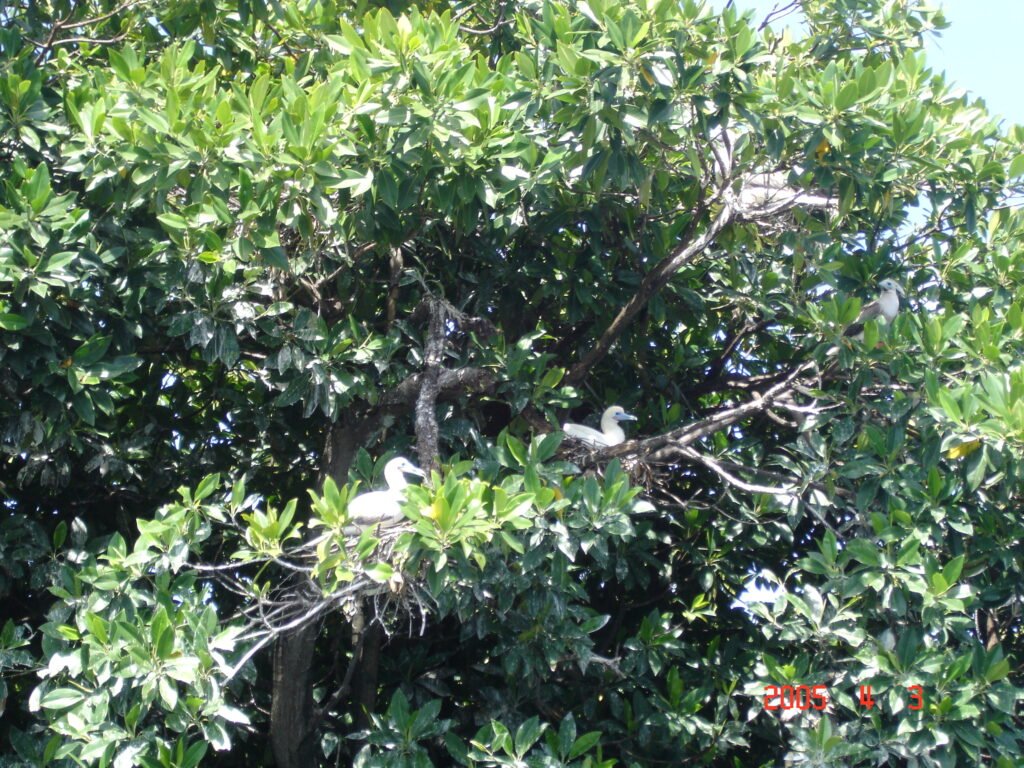
East Rennell — Solomon Islands’ sole UNESCO World Heritage Site — holds the Pacific’s largest inland lake and some of the region’s most intact lowland forest, 230 km south of Honiara.
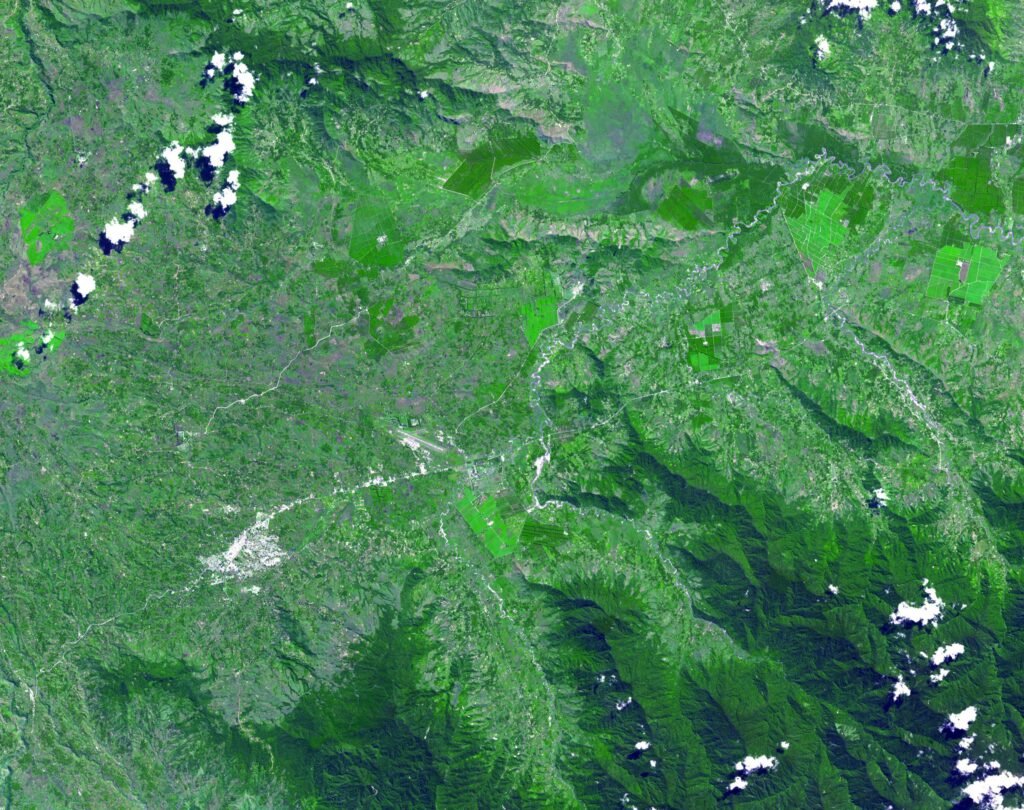
Papua New Guinea’s only UNESCO World Heritage Site is the Kuk Early Agricultural Site — 10,000 years of continuous cultivation in the Western Highlands, reached by a one-hour flight from Port Moresby.