Paola Bonometti
Content Editor

Paola Bonometti

Contributions: 1.239 articles

Nome dell'autore: Paola Bonometti

UNESCO Heritage Sites Near Great Zimbabwe, Zimbabwe

UNESCO Heritage Sites Near Great Zimbabwe, Zimbabwe

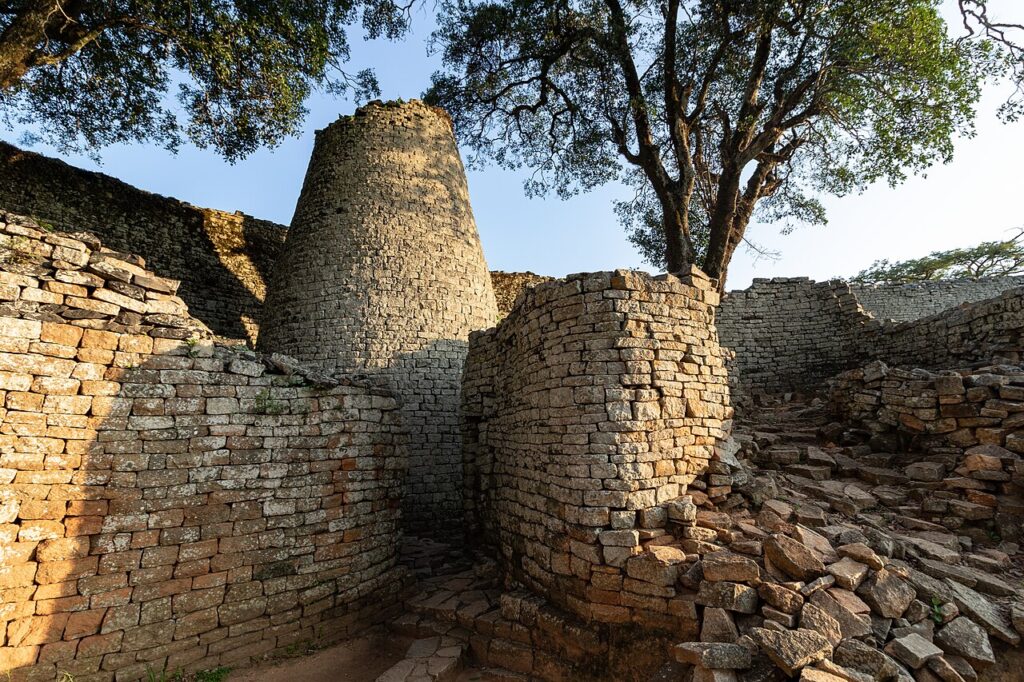
Great Zimbabwe, in Masvingo Province, is the largest ancient stone ruin in sub-Saharan Africa — a city that held up to 18,000 people, built without mortar by ancestors of the Shona between 1100 and 1450 CE. Colonial authorities denied its African origins for decades; the country named itself after the site at independence in 1980.

Rooftops and minarets of Lamu Old Town, Kenya — the oldest surviving Swahili settlement in East Africa, on Lamu Island

UNESCO Heritage Sites Near Lamu Old Town, Kenya

Lamu Old Town, UNESCO-inscribed since 2001, is the oldest continuously occupied Swahili settlement in East Africa, unchanged in street layout since the 14th century and navigated entirely by foot and donkey — no motor vehicles exist except one hospital vehicle. Its 23 documented carved door styles encode the cultural origin of each household’s owner, from Omani Arab merchant conventions to Gujarati Indian trader traditions.

UNESCO Heritage Sites Near Island of Mozambique

UNESCO Heritage Sites Near Island of Mozambique

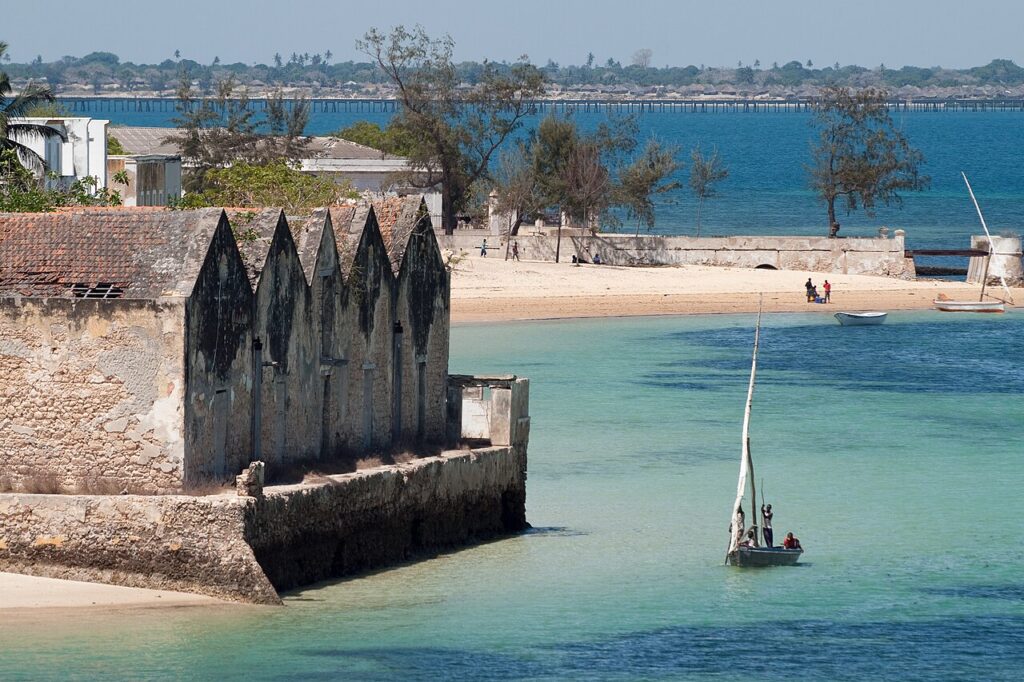
The Island of Mozambique, UNESCO-inscribed since 1991, is a 3.5-kilometre coral island that served as the capital of Portuguese East Africa from 1507 to 1898, the main transit point of the Indian Ocean spice trade, and the origin of the country’s name. Its fort, begun in 1558 and never taken by force, contains a chapel from 1522 that is the oldest standing European building in sub-Saharan Africa.

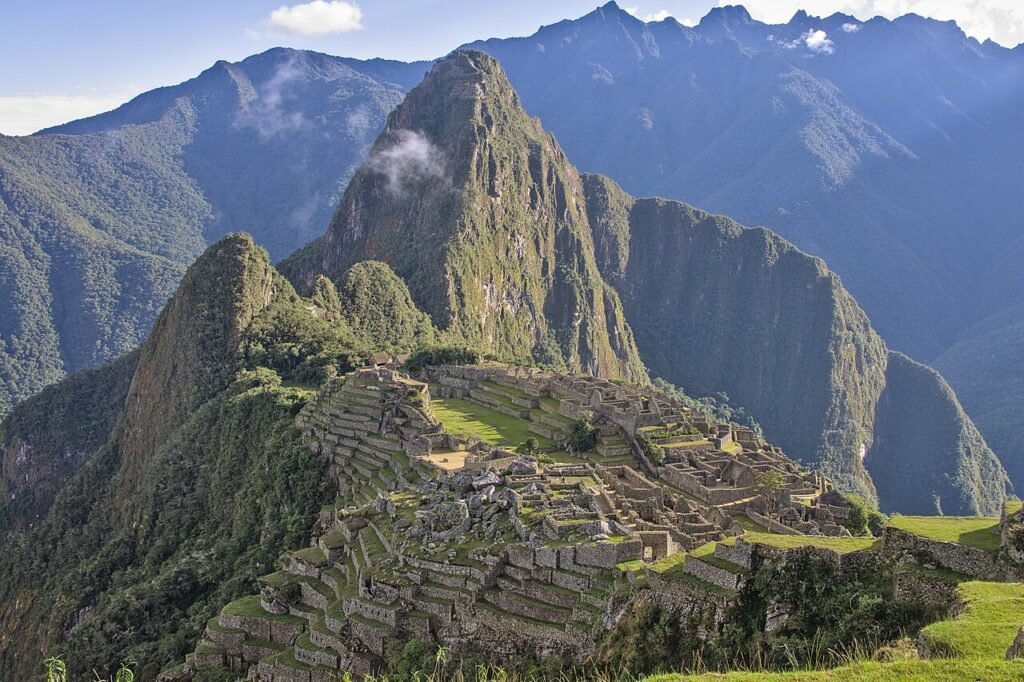
UNESCO Heritage Sites Near Machu Picchu, Peru

UNESCO Heritage Sites Near Machu Picchu, Peru

Machu Picchu (inscribed 1983, mixed cultural and natural site) is the best-preserved Inca royal estate in the Americas: a 15th-century palace of Emperor Pachacuti at 2,430m in the cloud forest, with dry-stone solar temples, agricultural terraces, and the Intihuatana solar calendar stone. Cusco — the Inca imperial capital with Coricancha and Sacsayhuamán — is 80 km south.

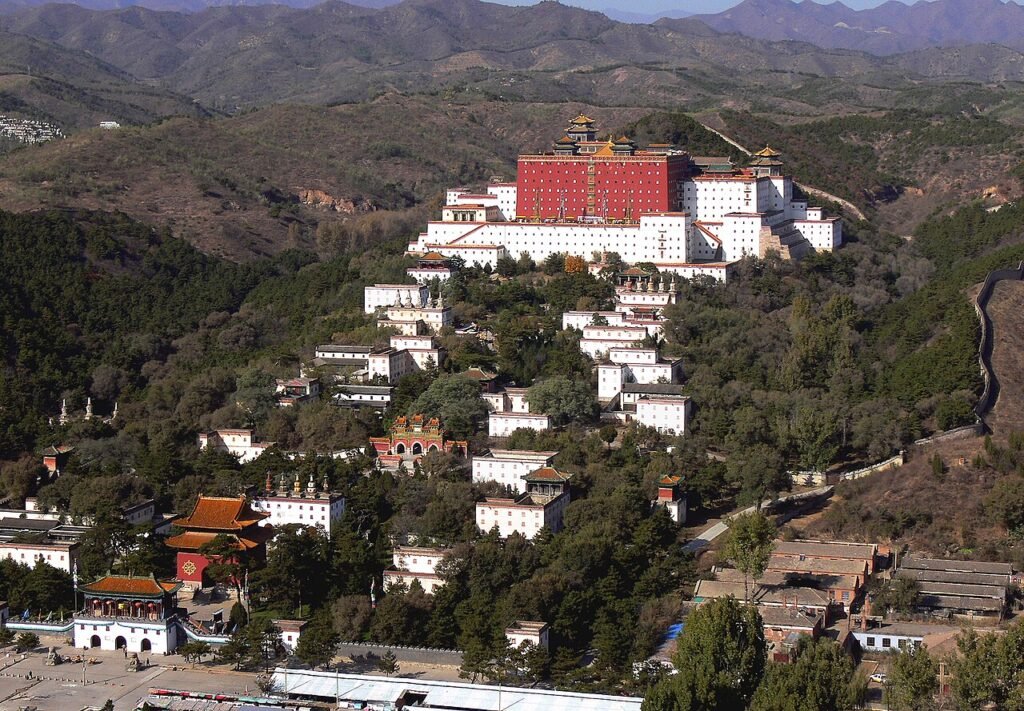
UNESCO Heritage Sites Near Chengde Mountain Resort

UNESCO Heritage Sites Near Chengde Mountain Resort

Chengde’s Mountain Resort and Outlying Temples — inscribed 1994 — is the Qing Empire’s 5,648-hectare summer palace: 12 Outlying Temples in Tibetan, Mongolian, and Chinese architectural styles, including the Temple of Putuozongcheng (Little Potala Palace, 1767–1771) and Puning Temple’s 22.28m wooden Guanyin, the world’s tallest indoor Buddha. Jinshanling’s Great Wall is 1.5 hours south.

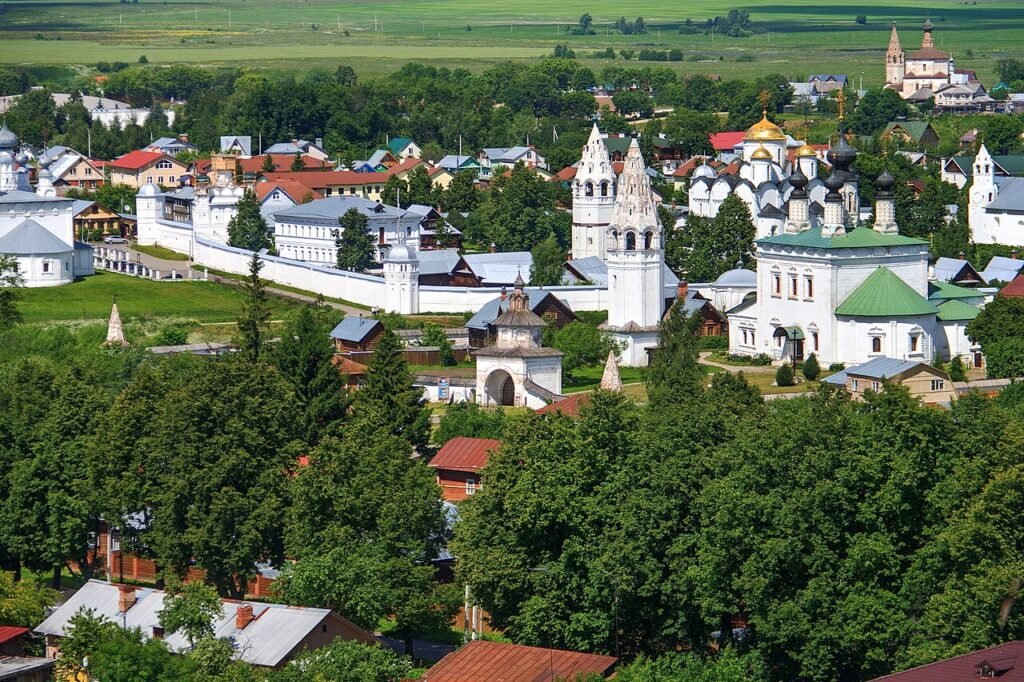
UNESCO Heritage Sites Near Suzdal and Vladimir

UNESCO Heritage Sites Near Suzdal and Vladimir

Vladimir and Suzdal’s White Monuments — inscribed 1992 — preserve the pre-Mongol capital of medieval Russia: Andrei Rublev’s 1408 Last Judgment frescoes in Vladimir’s Cathedral of the Assumption (1158), the Church of the Intercession on the Nerl (1165, the most celebrated Russian medieval church), and Suzdal’s 30-church museum town with royal exile convents.

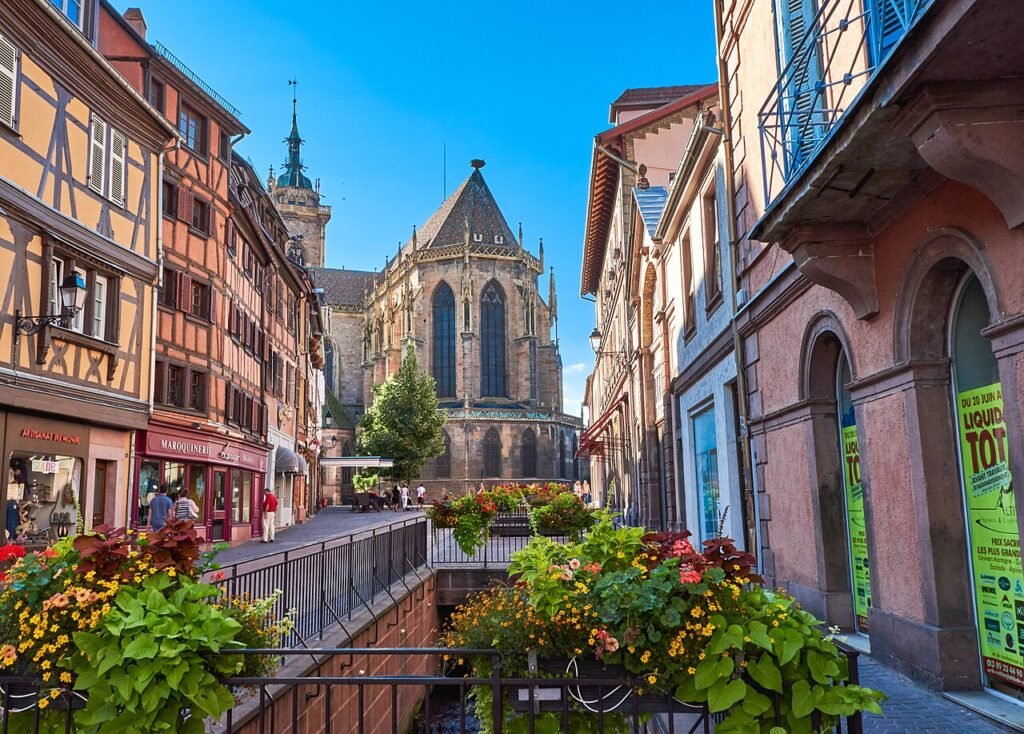
UNESCO Heritage Sites Near Colmar, France

UNESCO Heritage Sites Near Colmar, France

Colmar is the gateway to Alsace’s UNESCO heritage circuit: the Unterlinden Museum’s Isenheim Altarpiece (c. 1512–1516, the greatest Northern Renaissance painted altarpiece, with Grünewald’s medical-realism Crucifixion) and Strasbourg’s inscribed Grande Île (Gothic cathedral, Petite France, Wilhelmine Neustadt) 35 minutes north.

UNESCO Heritage Sites Near Butrint, Albania

UNESCO Heritage Sites Near Butrint, Albania

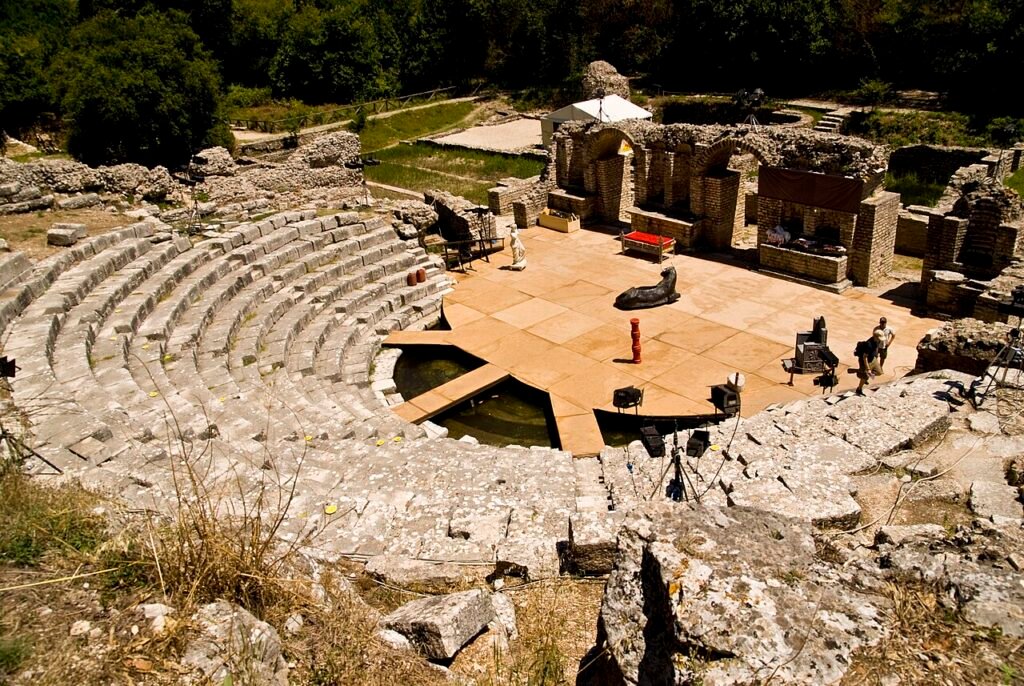
Butrint — inscribed 1992, extended 1999 — is one of the Balkans’ most important ancient cities: a Greek colony (c. 650 BCE) occupied by Romans, Byzantines, Angevins, and Venetians, with a 3rd-century BCE theatre and Albania’s largest Early Christian floor mosaic (c. 450–550 CE, 15×9.5m). Gjirokastra’s stone Ottoman city and Berat’s “thousand windows” are within 1.5–3.5 hours.

UNESCO Heritage Sites Near Mining Sites of Wallonia

UNESCO Heritage Sites Near Mining Sites of Wallonia

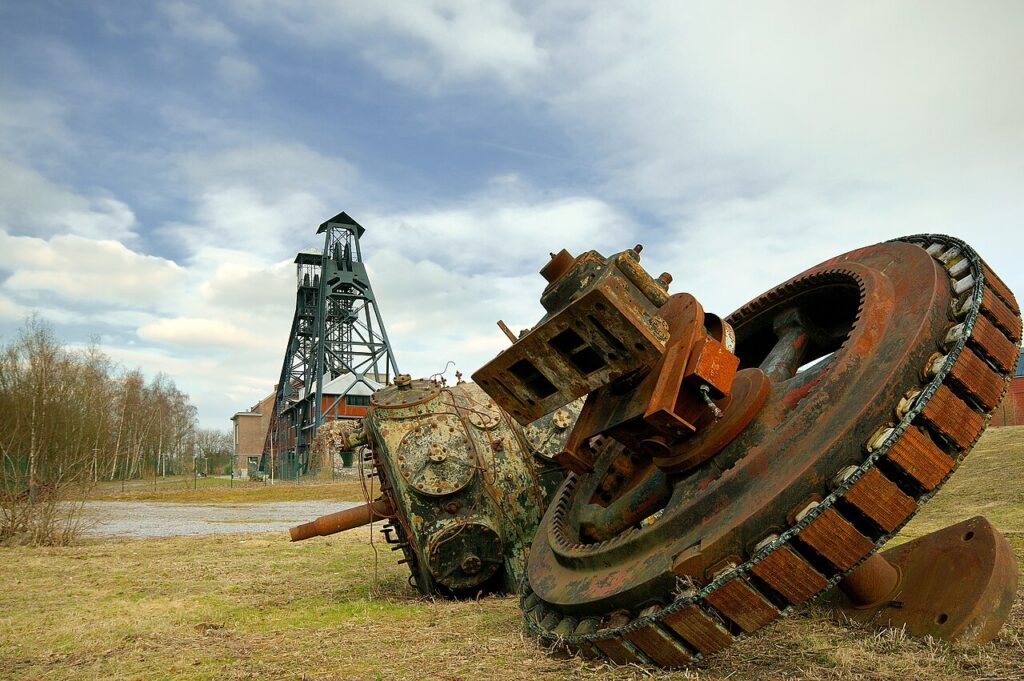
The Major Mining Sites of Wallonia — Grand-Hornu, Bois-du-Luc, Bois du Cazier, and Blegny-Mine — are a UNESCO World Heritage Site inscribed in 2012 as documents of the first industrial revolution on the European continent. The Bois du Cazier in Marcinelle is the site of the 1956 mining disaster that killed 262 men from thirteen countries and directly triggered the European Coal and Steel Community’s first common mine safety standards.

Torna in alto