Paola Bonometti
Content Editor

Paola Bonometti

Contributions: 1.022 articles

Nome dell'autore: Paola Bonometti

UNESCO Sites Near Khajuraho: What to See

UNESCO Sites Near Khajuraho: What to See

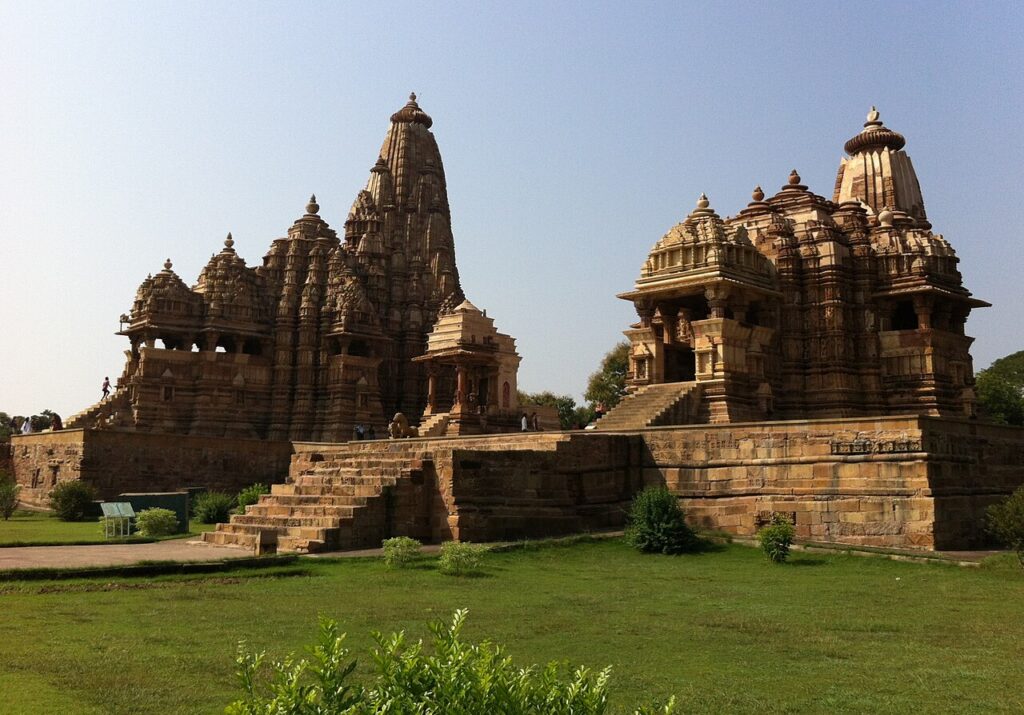
The Khajuraho Group of Monuments is a complex of 25 surviving Hindu and Jain temples built by the Chandela dynasty in Madhya Pradesh between 950 and 1050 CE, abandoned after the 13th-century decline of the dynasty, and undocumented by European observers until 1838. The site’s erotic carvings represent approximately 10% of the total sculptural programme; the Kandariya Mahadeva Temple, at 30.5 metres, is the largest and most architecturally complete survivor.
UNESCO Sites Near Sanchi: What to See

UNESCO Sites Near Sanchi: What to See

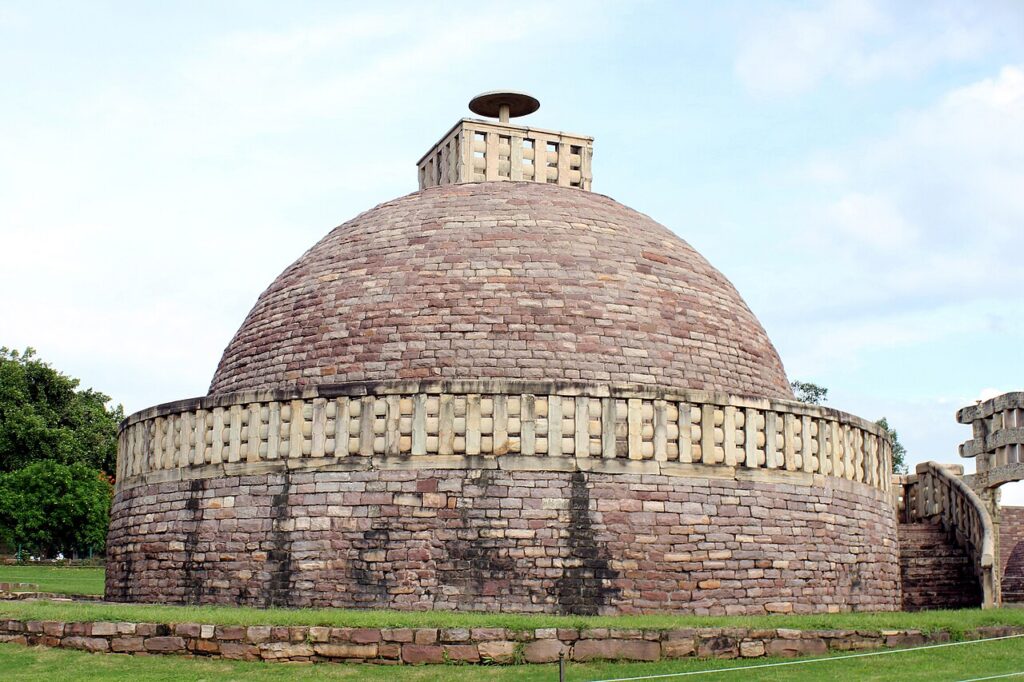
Sanchi is a hilltop Buddhist complex in Madhya Pradesh preserving fifty monuments from the 3rd century BCE to the 12th century CE, including the Great Stupa originally built by Emperor Ashoka over relics of the Buddha and surrounded by four carved stone gateways from the 1st century BCE that depict 547 previous lives of the Buddha in narrative relief carving. The site was abandoned after Buddhism declined in India, rediscovered by British officers in 1818, and restored by the Archaeological Survey of India between 1912 and 1919. The Bhimbetka Rock Shelters UNESCO site is 46 km south via Bhopal.

UNESCO Sites Near Fatehpur Sikri: What to See

UNESCO Sites Near Fatehpur Sikri: What to See

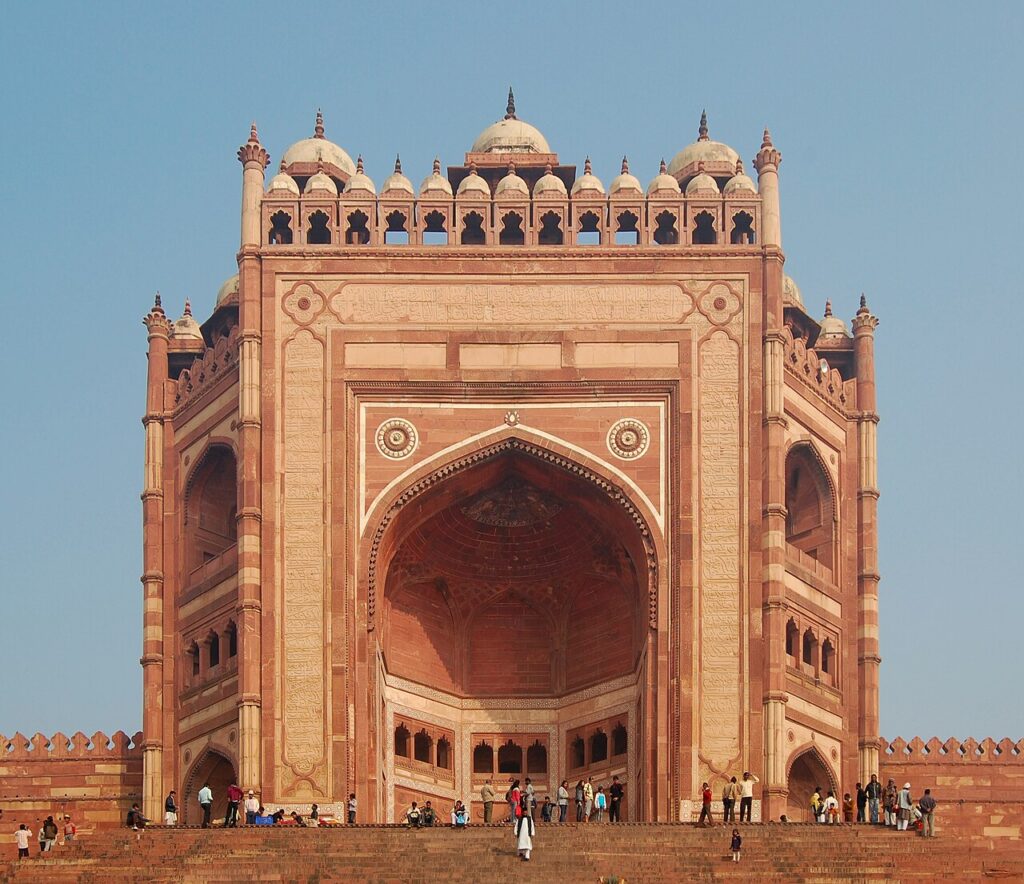
Fatehpur Sikri was the Mughal imperial capital for approximately fourteen years under Akbar before being abandoned around 1585 and never re-inhabited, preserving the palatial complex, mosque and the 54-metre Buland Darwaza gateway almost completely intact. Akbar built the city on a hill in Uttar Pradesh near the village of a Sufi saint whose blessing he had sought for an heir, and the saint’s tomb remains an active pilgrimage site within the UNESCO-listed complex. Agra Fort and the Taj Mahal are 38 and 40 km to the east.

The Amar Singh Gate and massive red sandstone walls of Agra Fort in Agra, Uttar Pradesh, India — the UNESCO-listed Mughal imperial fortress built by Emperor Akbar from 1565, later modified with white marble palaces by Shah Jahan

UNESCO Sites Near Agra Fort: What to See

Agra Fort, built by Emperor Akbar from 1565 in red sandstone and later transformed by Shah Jahan into white marble palaces, served as the Mughal imperial residence for three emperors before becoming the prison where Aurangzeb confined his father Shah Jahan in 1658. From the Musamman Burj tower on the fort’s eastern rampart, Shah Jahan spent his final years with a direct sightline across the Yamuna to the Taj Mahal, 2 km away. Fatehpur Sikri, the third Agra-cluster UNESCO site, is 38 km west.

UNESCO Sites Near the Taj Mahal: What to See

UNESCO Sites Near the Taj Mahal: What to See

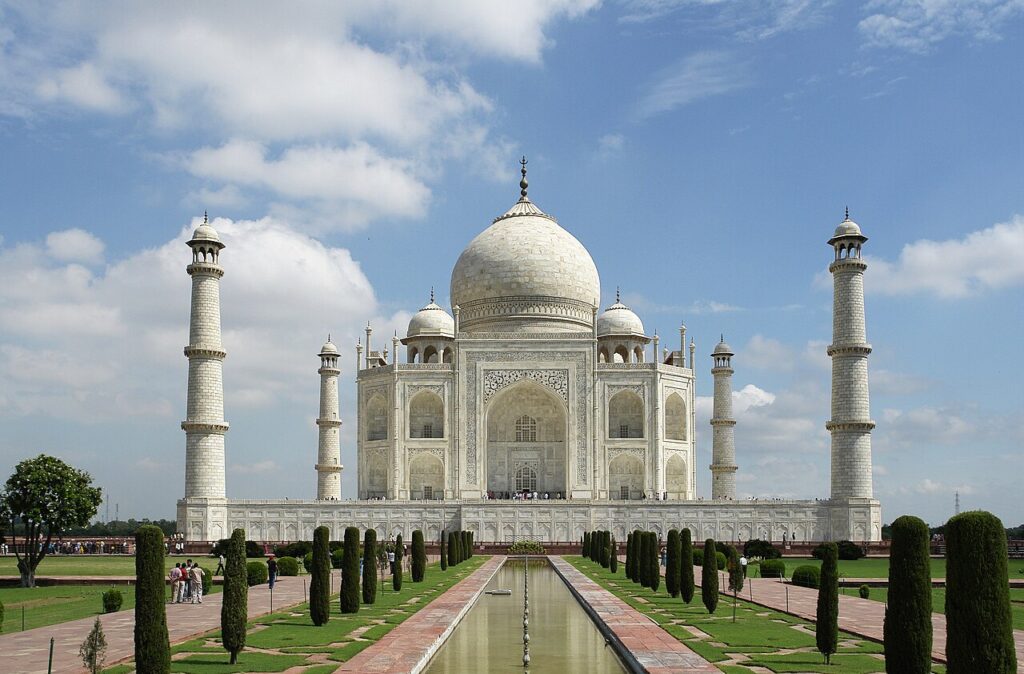
The Taj Mahal in Agra was commissioned in 1632 by Emperor Shah Jahan as the tomb of his wife Mumtaz Mahal, built by approximately 20,000 workers over 21 years using white Makrana marble transported 300 km from Rajasthan. Shah Jahan was later imprisoned in Agra Fort 2 km away, where he spent his final years with a direct view of his wife’s mausoleum across the Yamuna River. Agra Fort and Fatehpur Sikri — two more UNESCO World Heritage Sites — are within 40 km.

UNESCO Sites Near Joseon Royal Tombs: What to See

UNESCO Sites Near Joseon Royal Tombs: What to See

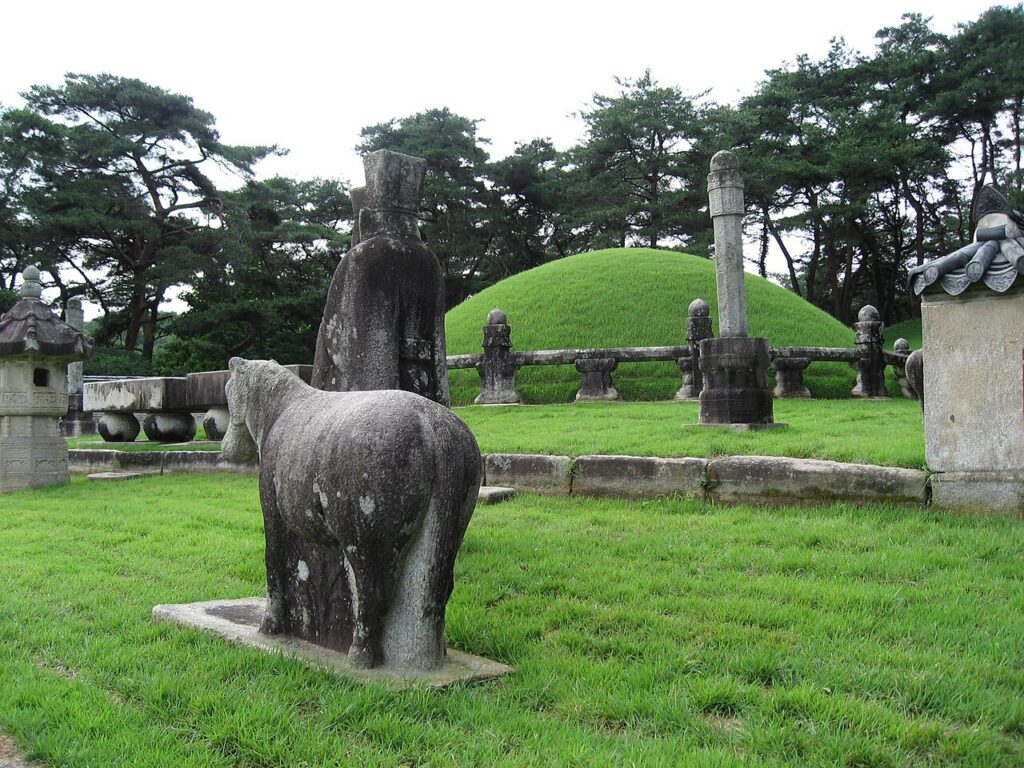
The 40 Royal Tombs of the Joseon Dynasty, inscribed by UNESCO in 2009 and spread across 18 locations within 100 km of Seoul, house the remains of all 27 Joseon kings and their queens in burial mounds built between 1408 and 1966. The most significant individual tomb is Yeong Neung in Yeoju — the grave of King Sejong the Great, who created the Korean Hangul alphabet in 1446, a writing system now used by 80 million people and considered one of the most phonetically precise scripts ever designed.

UNESCO Sites Near Jongmyo Shrine: What to See

UNESCO Sites Near Jongmyo Shrine: What to See

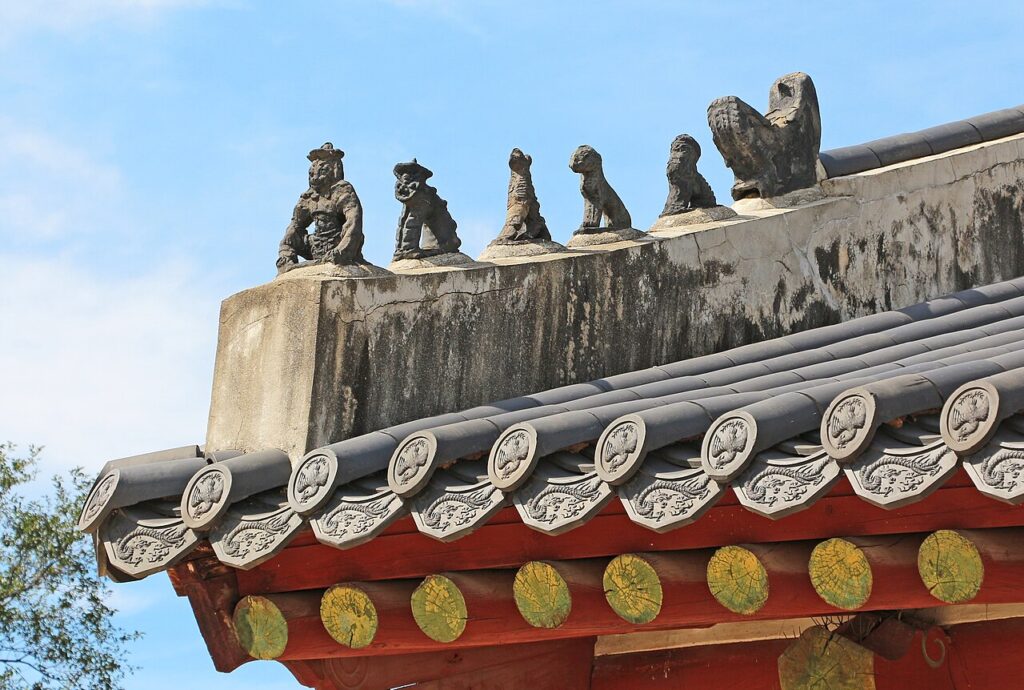
Jongmyo Shrine in central Seoul is the UNESCO-inscribed (1995) royal ancestral shrine of the Joseon dynasty, housing the spirit tablets of 19 kings in the Jeongjeon — at 101 metres, the longest single wooden structure in Asia. The shrine still hosts the annual Jongmyo Jerye ceremony each May, a 630-year-old Confucian ritual of food offerings and court music (Jongmyo Jeryeak, separately inscribed as UNESCO Intangible Heritage in 2001) performed in the presence of the royal spirit tablets. Changdeokgung Palace, another UNESCO site, is 600 metres away.

UNESCO Sites Near Korean Dolmens: What to See

UNESCO Sites Near Korean Dolmens: What to See

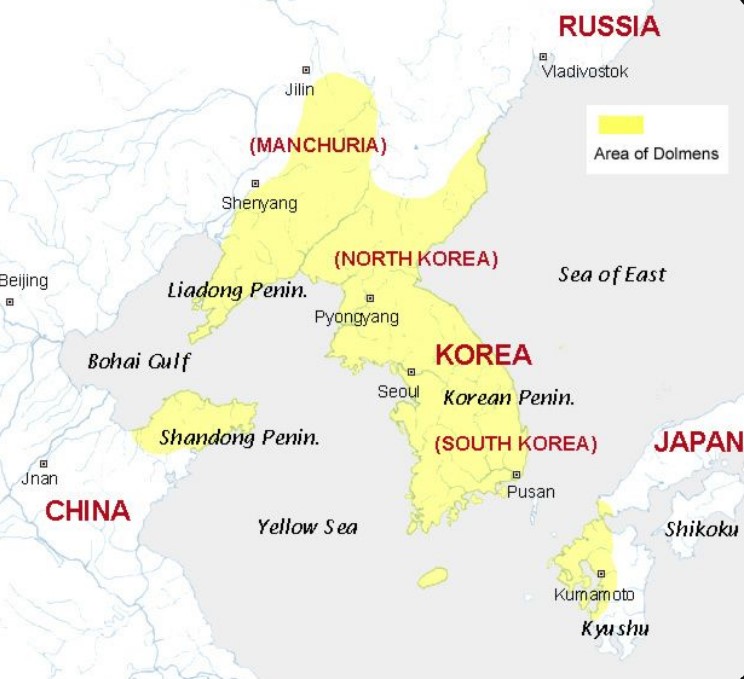
Korea contains approximately 40,000 dolmens — 40 to 50 percent of all megalithic burial monuments found anywhere in the world. Three clusters inscribed by UNESCO in 2000 (Gochang, Hwasun, and Ganghwa) include capstones weighing up to 200 tonnes, moved from quarries kilometres away without metal tools, and represent the full typological range of a burial tradition that lasted from roughly 2000 to 400 BCE across the entire Korean peninsula.

UNESCO Sites Near Jeju Island: What to See

UNESCO Sites Near Jeju Island: What to See

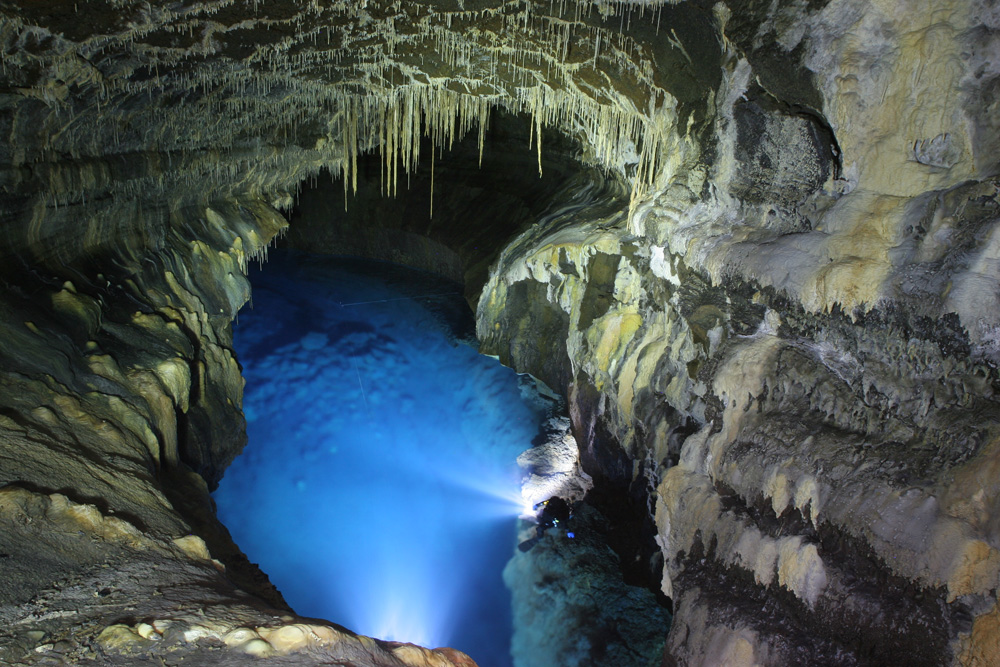
Jeju Island holds South Korea’s first natural UNESCO World Heritage inscription, awarded in 2007 for three volcanic components: the shield volcano Hallasan with its crater lake and 360 parasitic cones, the Geomunoreum Lava Tube System including the rare lava tubes where carbonate stalactites have formed on basalt walls, and Seongsan Ilchulbong, a tuff cone created 5,000 years ago whose crater has never filled with lava. The surrounding waters are still dived by the Jeju haenyeo, women free-divers whose tradition UNESCO listed on the Intangible Heritage register in 2016.

UNESCO Sites Near Hwaseong Fortress: What to See

UNESCO Sites Near Hwaseong Fortress: What to See

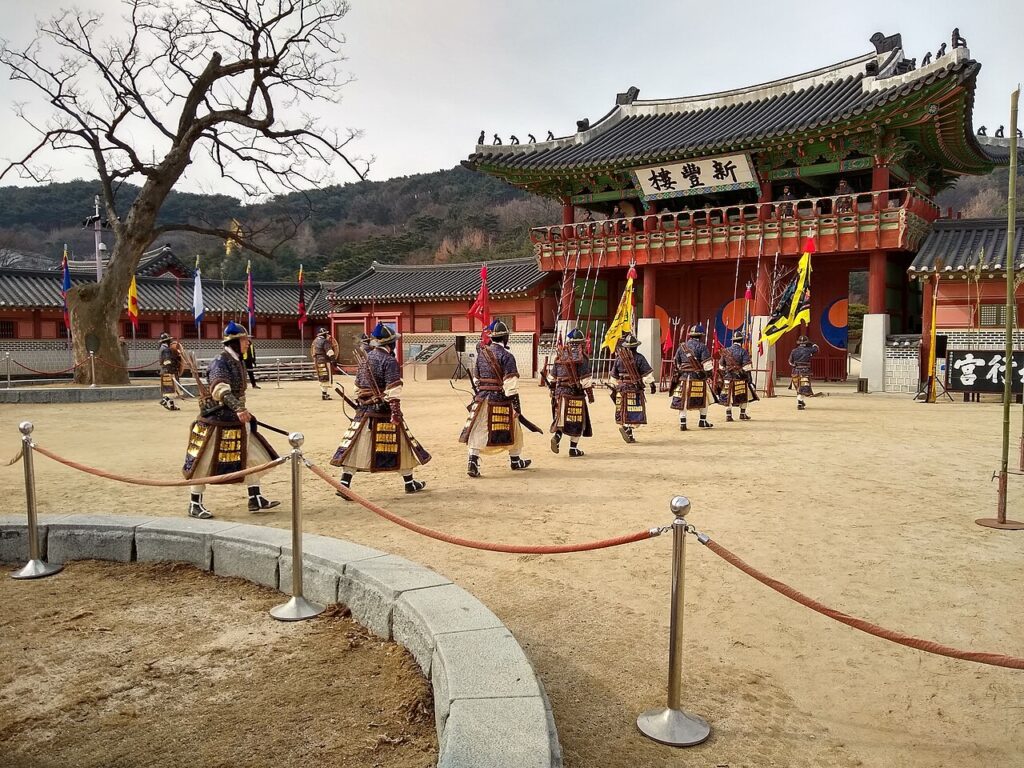
Hwaseong Fortress in Suwon was built between 1794 and 1796 by Joseon king Jeongjo near his father’s tomb — the Crown Prince who died sealed in a rice chest — and designed by the Silhak scholar Jeong Yak-yong using Western military engineering principles. The 5.7-kilometre wall with 48 structures was 70 percent destroyed in the Korean War and rebuilt from 1975 using a detailed 1801 construction manual that recorded every worker, material, and cost of the original build.

Torna in alto