
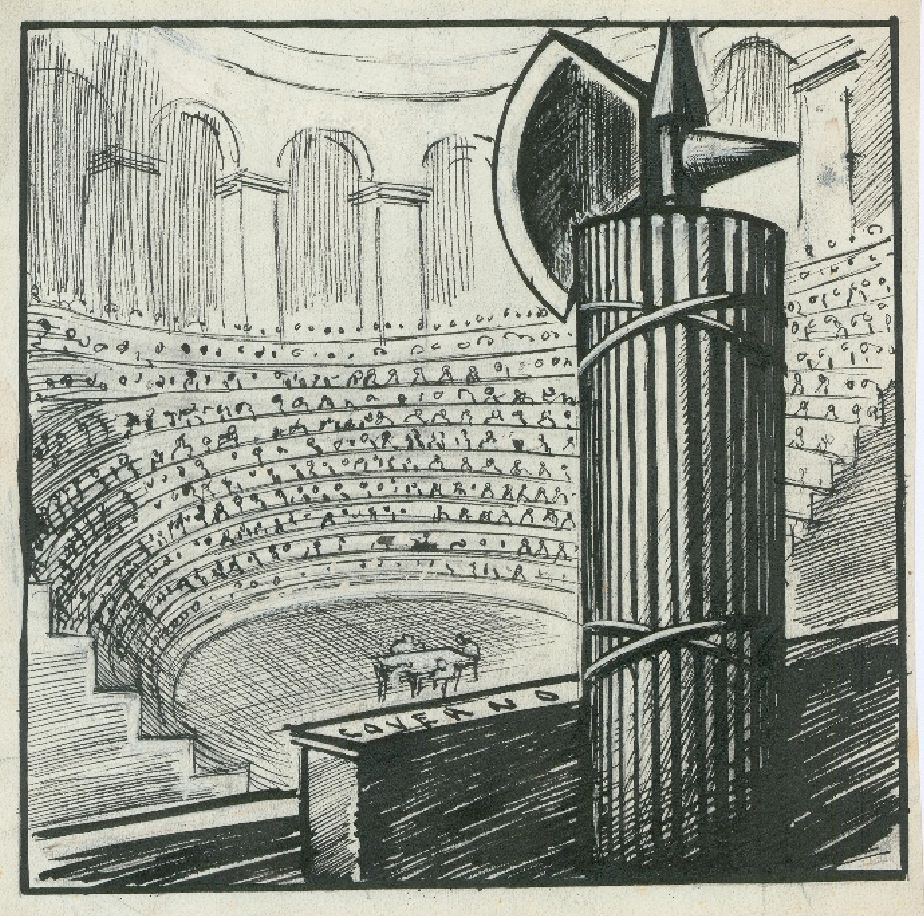
Illustration for Popolo d’Italia by Mario Sironi, 1922
An illustration created by Mario Sironi for Popolo d’Italia on 16 November 1922, exemplifying the artist’s modernist approach to graphic design during the early interwar period.

Stefano Vigolo photographs and documents Italian architecture of the interwar decades — the years known in Italy as the Ventennio — from Rationalism and Art Déco to the buildings that fall between the guidebooks. He is a researcher of the period.
Contributions: 516 articles · 106 heritage places · 7 events · 12 itineraries · 89 photographs
Published on beniculturalionline.it, the Italian archive of this publication, online since 1998. They are being brought into Cultural Heritage Online.
An illustration created by Mario Sironi for Popolo d’Italia on 16 November 1922, exemplifying the artist’s modernist approach to graphic design during the early interwar period.
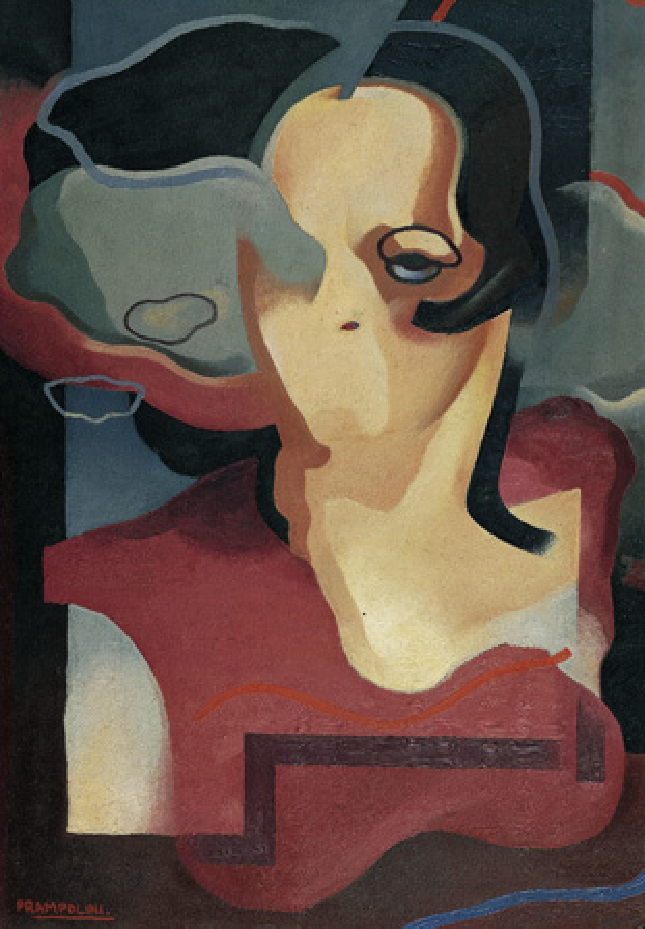
A Futurist interpretation of the Duchess of la Salle Roche-Maure, painted by Italian artist Enrico Prampolini in 1928.
.jpg02.PNG?w=1024&fit=1024,1024&ssl=1 "Magazine Cover by Paolo Garretto, 1933")
A magazine cover illustration by Italian caricaturist and graphic designer Paolo Garretto from 1933. Garretto was known for his satirical drawings and worked across European and American publications.
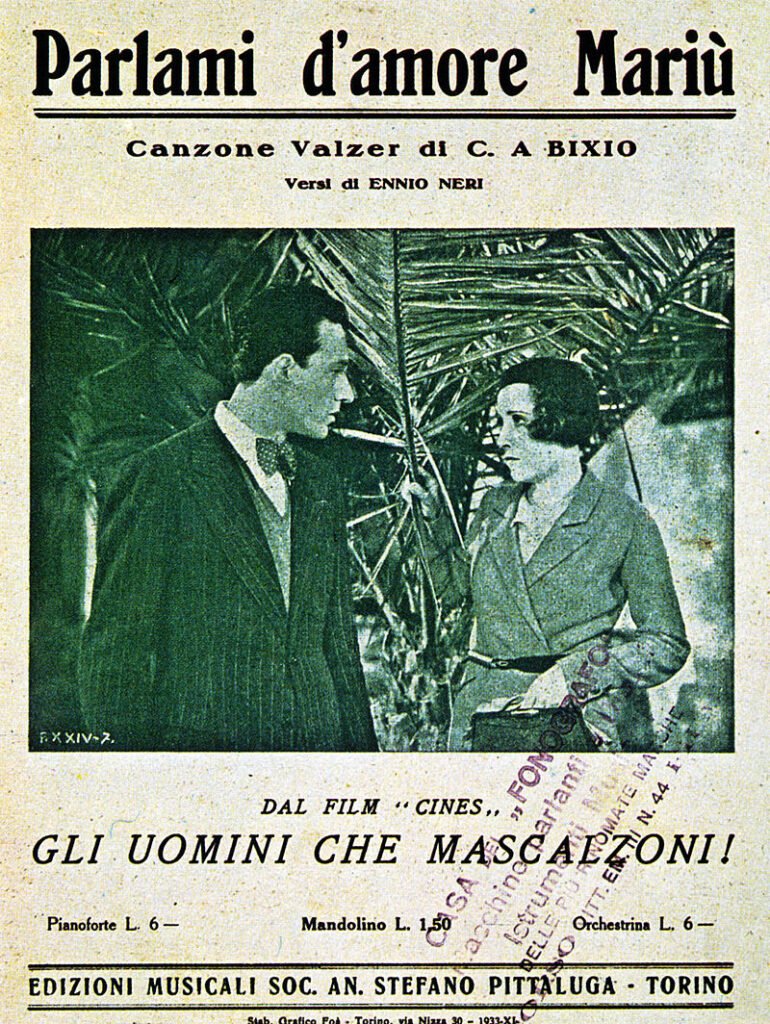
A 1932 Italian song composed by Cesare Andrea Bixio with lyrics by Ennio Neri, performed by Vittorio De Sica in the film What Scoundrels Men Are!, it became a cornerstone of Italian popular music.
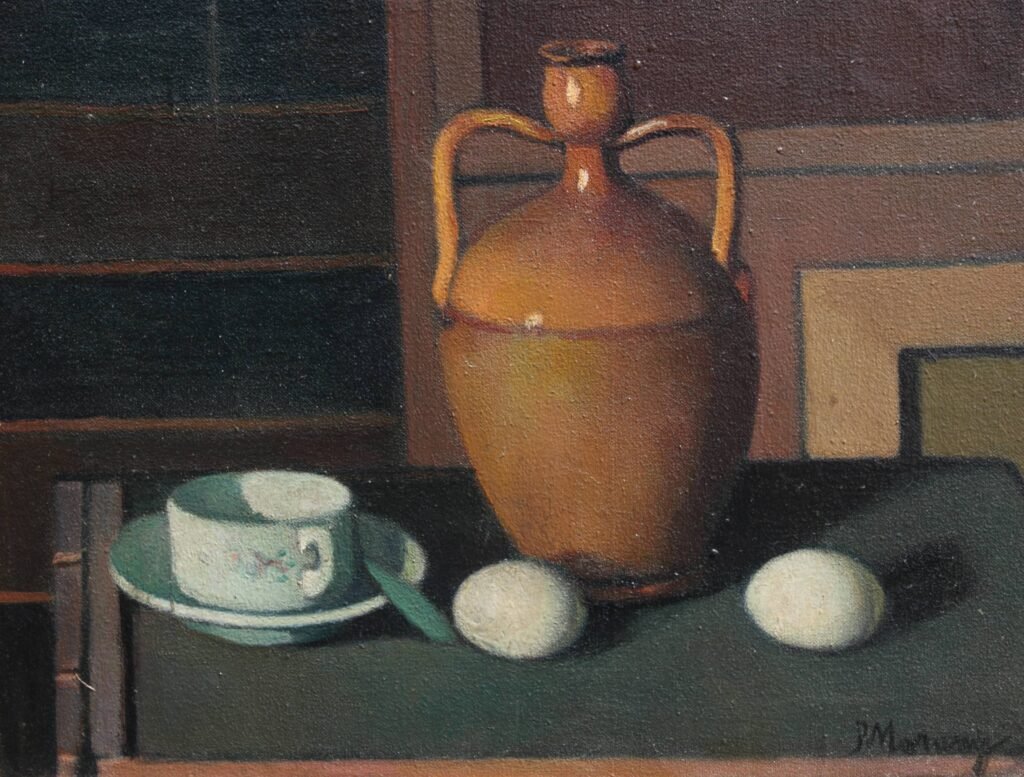
A still life painting by Italian modernist Piero Marussig, created around 1924. The work exemplifies the artist’s engagement with the Novecento Italiano movement.
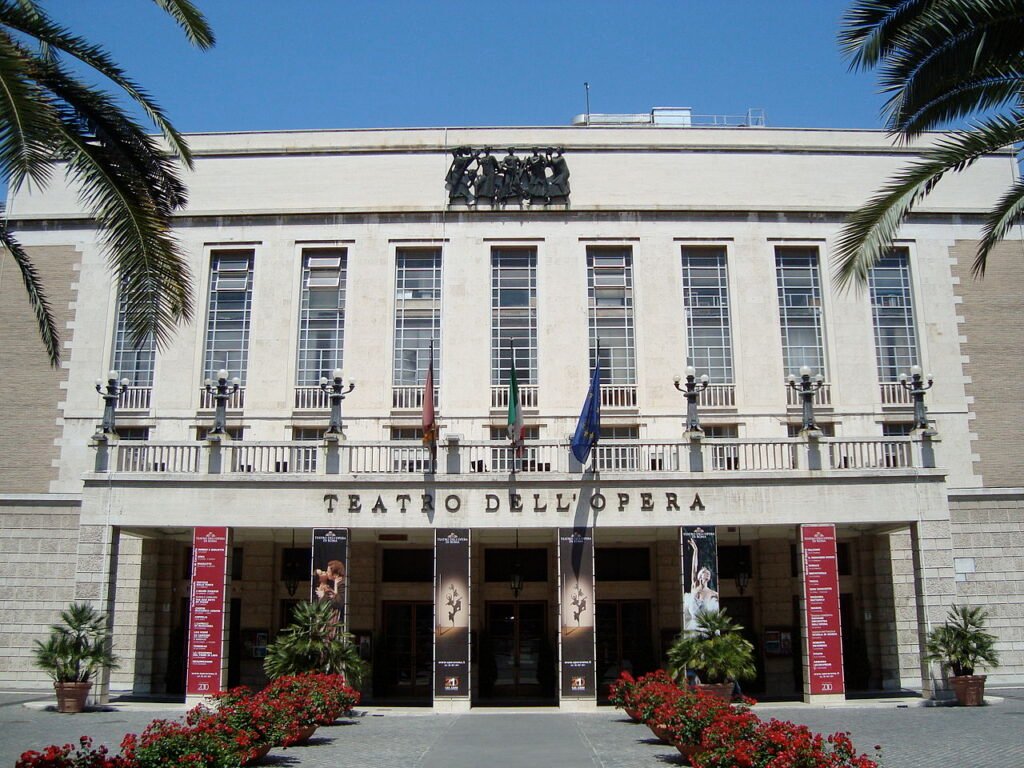
Originally opened in November 1880 as the Teatro Costanzi, Rome’s opera house was designed by Milanese architect Achille Sfondrini and financed by contractor Domenico Costanzi. The building has undergone several modifications and name changes over its history.
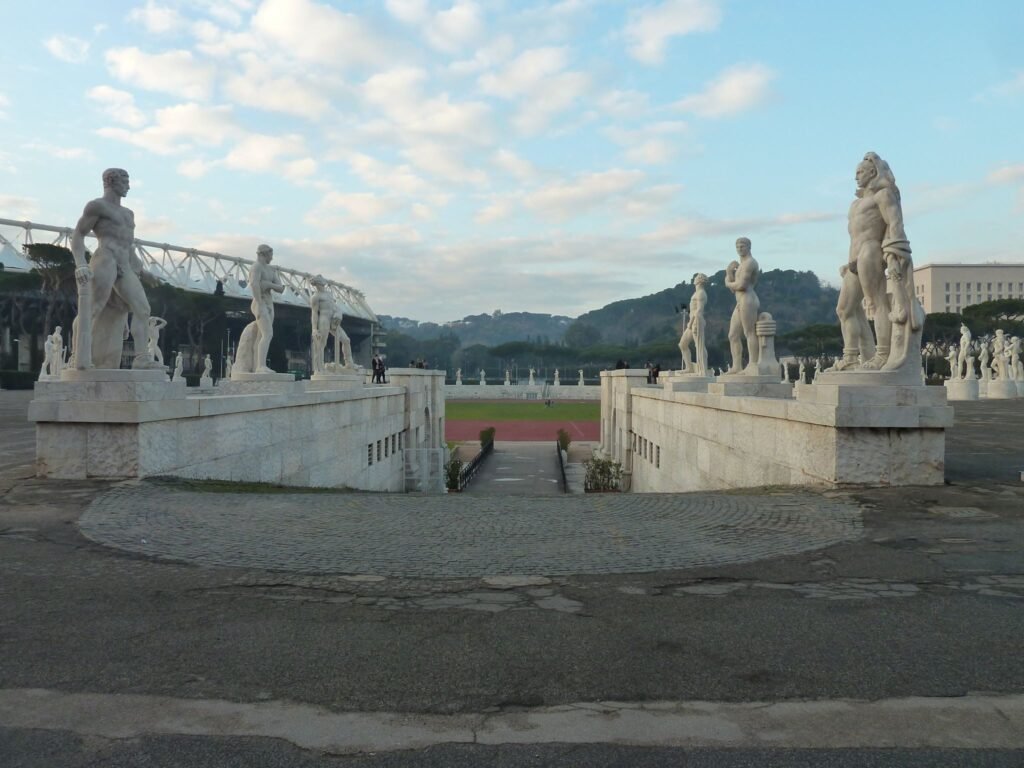
The Stadio dei Marmi is a sports stadium in Rome’s Foro Italico complex, designed by architect Enrico Del Debbio and opened in 1932. The stadium is encircled by sixty classical marble statues of athletes.
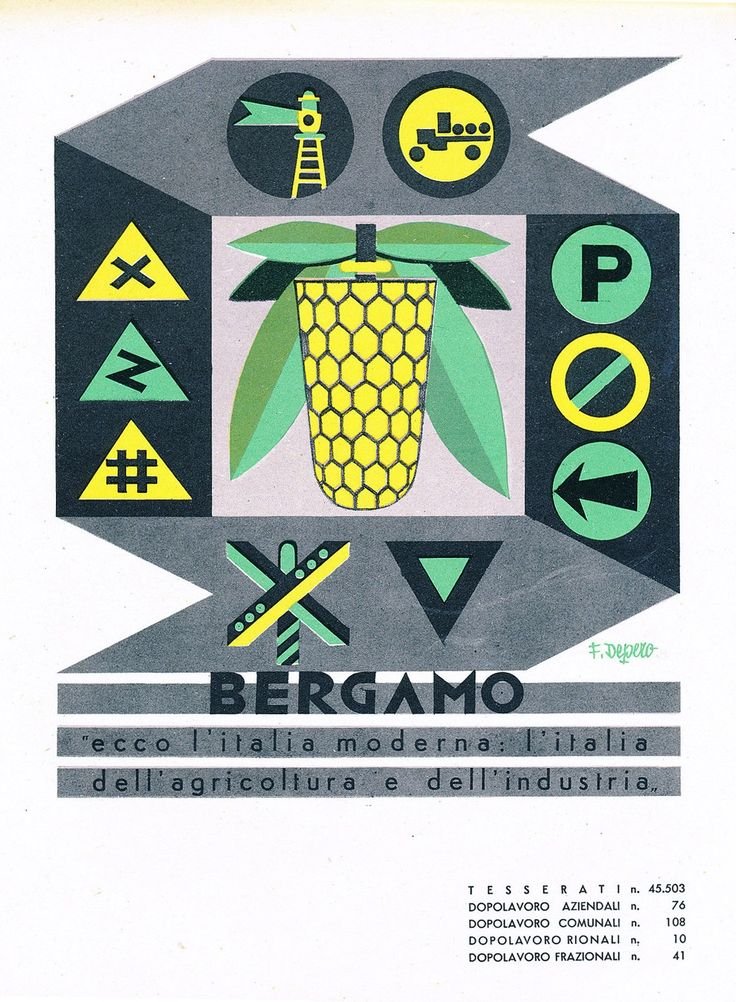
A postcard designed by Fortunato Depero, the Italian Futurist painter, sculptor, and graphic designer. Depero’s work across multiple media exemplified the movement’s drive to reimagine everyday objects.
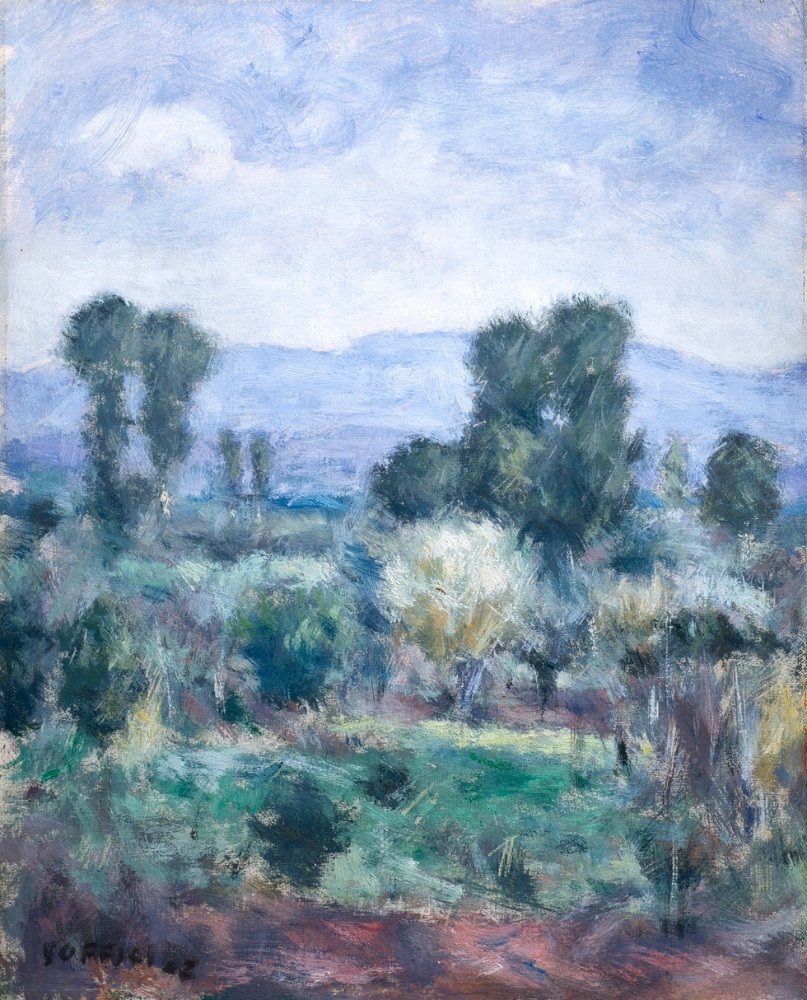
A painting by Ardengo Soffici from 1942 depicting fields in morning light. The work reflects the artist’s mature stylistic development after decades of engagement with modernist movements.
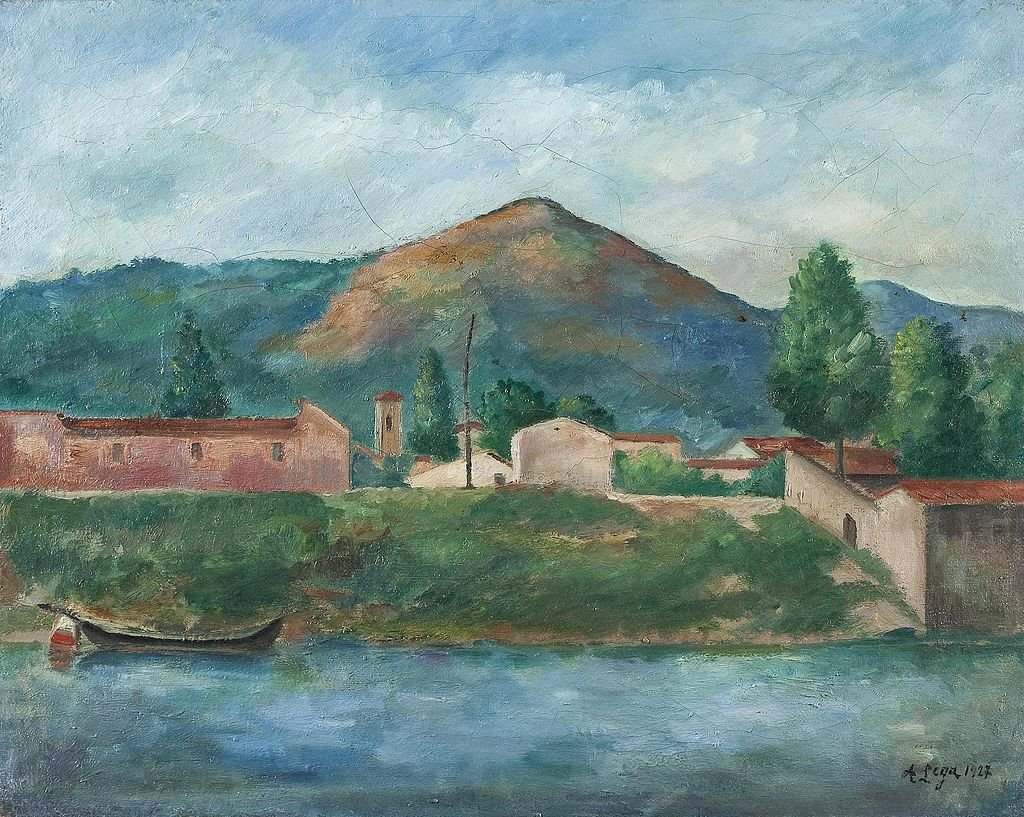
Achille Lega’s Arno, painted in 1927, represents the Italian painter’s mature work during his transition from futurism to cubism. The canvas reflects Lega’s engagement with simplified forms and figurative modernism.