Paola Bonometti
Content Editor

Paola Bonometti

Paola Bonometti is a volunteer with the ABCO association and still contributes to it today.

Contributions: 1,222 articles

Author name: Paola Bonometti

Paola Bonometti is a volunteer with the ABCO association and still contributes to it today.

Sansa Buddhist Mountain Monasteries: Guide

Sansa Buddhist Mountain Monasteries: Guide

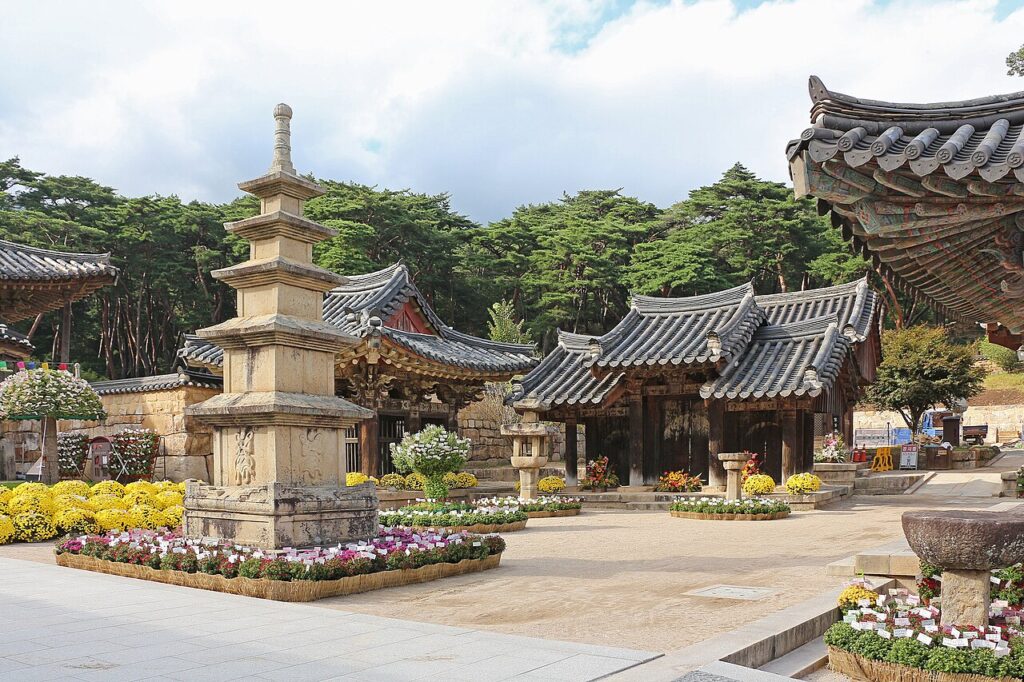
The Sansa Buddhist Mountain Monasteries in Korea, UNESCO-inscribed in 2018, protect seven functioning mountain monasteries — Tongdosa (40 km from Busan, no Buddha statue), Buseoksa (oldest wooden building in Korea), Beopjusa (five-storey wooden pagoda, 2 hours from Seoul), and four more — representing 1,000+ years of Korean Buddhist mountain retreat tradition across the country’s southern mountain ranges.
Baekje Historic Areas Fortress & Tombs: Guide

Baekje Historic Areas Fortress & Tombs: Guide

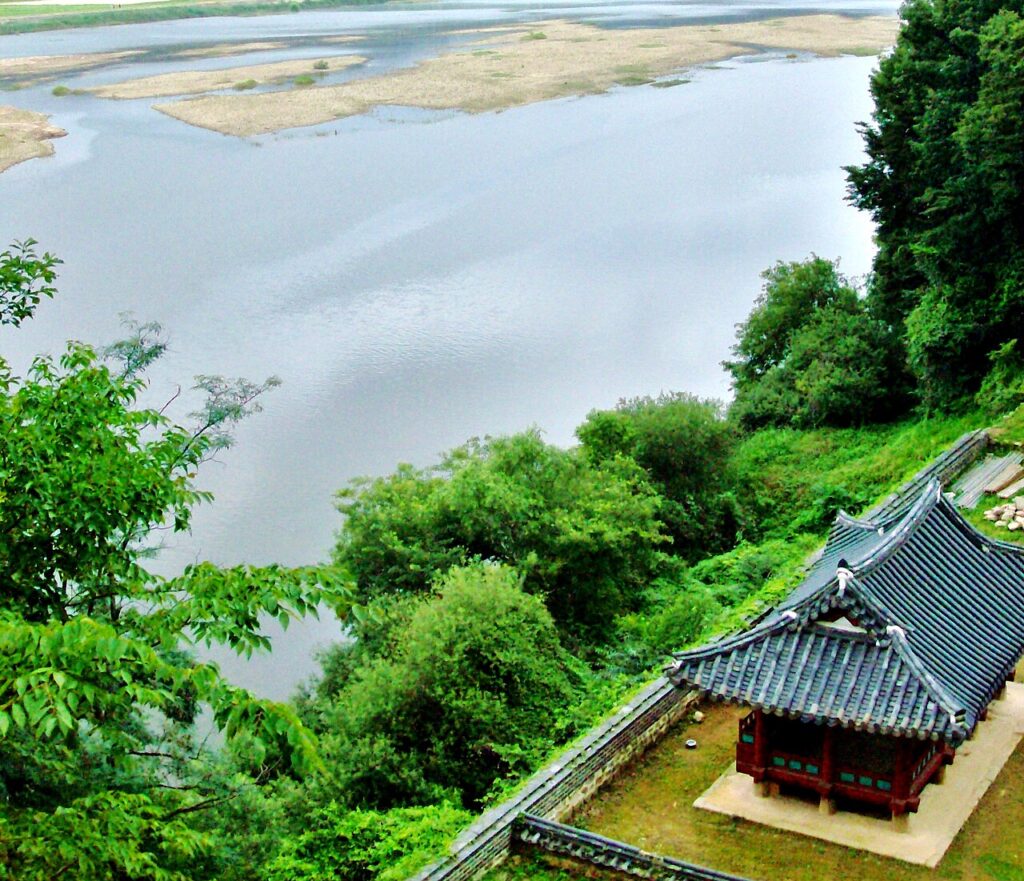
The Baekje Historic Areas, UNESCO-inscribed in 2015, protect 8 sites across Gongju, Buyeo, and Iksan preserving the late Baekje Kingdom (475–660 CE) — including the Muryeong Royal Tomb (2,906 intact artefacts, only named Baekje royal tomb), Korea’s oldest stone pagoda in Buyeo, and the Mireuksa temple site (East Asia’s largest 7th-century Buddhist complex) — 140 km south of Seoul by express bus.

Namhansanseong Mountain Fortress: Travel Guide

Namhansanseong Mountain Fortress: Travel Guide

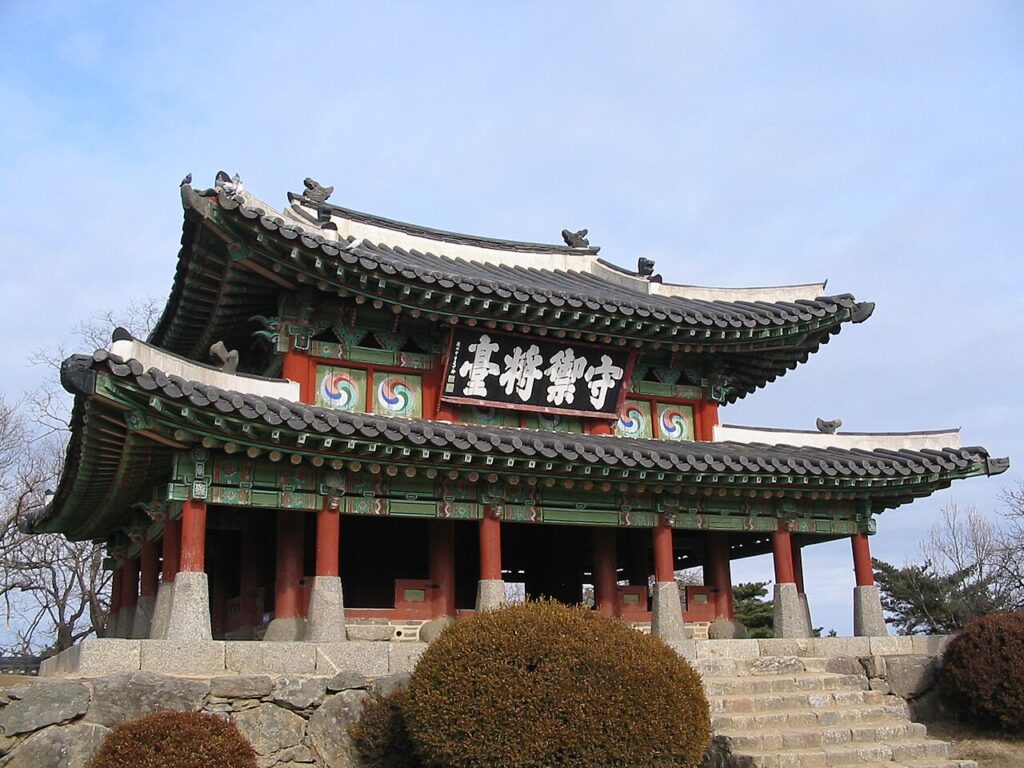
Namhansanseong, UNESCO-inscribed in 2014, is an 11.7-km mountain fortress 25 km southeast of Seoul — the Joseon-period royal refuge where King Injo endured 45 days of Manchu siege in 1636–37, designed with nine Buddhist temples as monk-soldier garrisons, 80 wells, and reserves for 20,000 defenders, 35 km from Hwaseong Fortress Suwon and 25 km from Seoul’s Changdeokgung Palace.

Historic Villages Hahoe and Yangdong: Guide

Historic Villages Hahoe and Yangdong: Guide

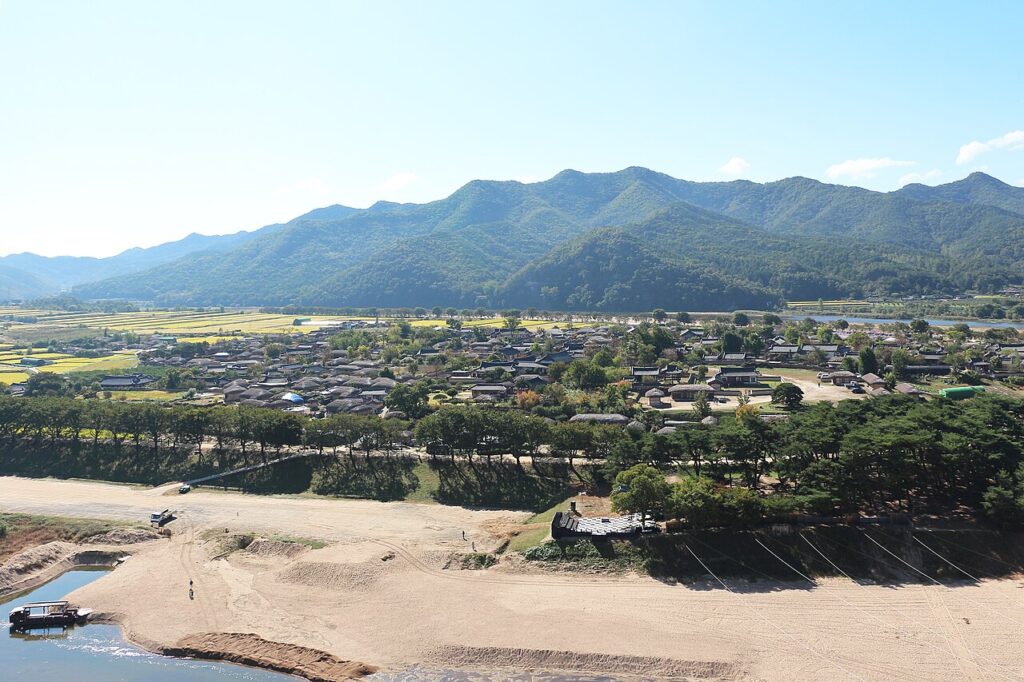
The Historic Villages of Korea — Hahoe and Yangdong, UNESCO-inscribed in 2010, preserve two complete Joseon-period aristocratic clan villages: Hahoe (600-year-old Ryu clan compound on the Nakdong River meander in Andong, 5 km from Byeongsan Seowon) and Yangdong (Won and Yi clan ridge-top houses 15 km from Gyeongju’s Silla royal tumuli and Bulguksa Temple).

Royal Tombs of the Joseon Dynasty: Travel Guide

Royal Tombs of the Joseon Dynasty: Travel Guide

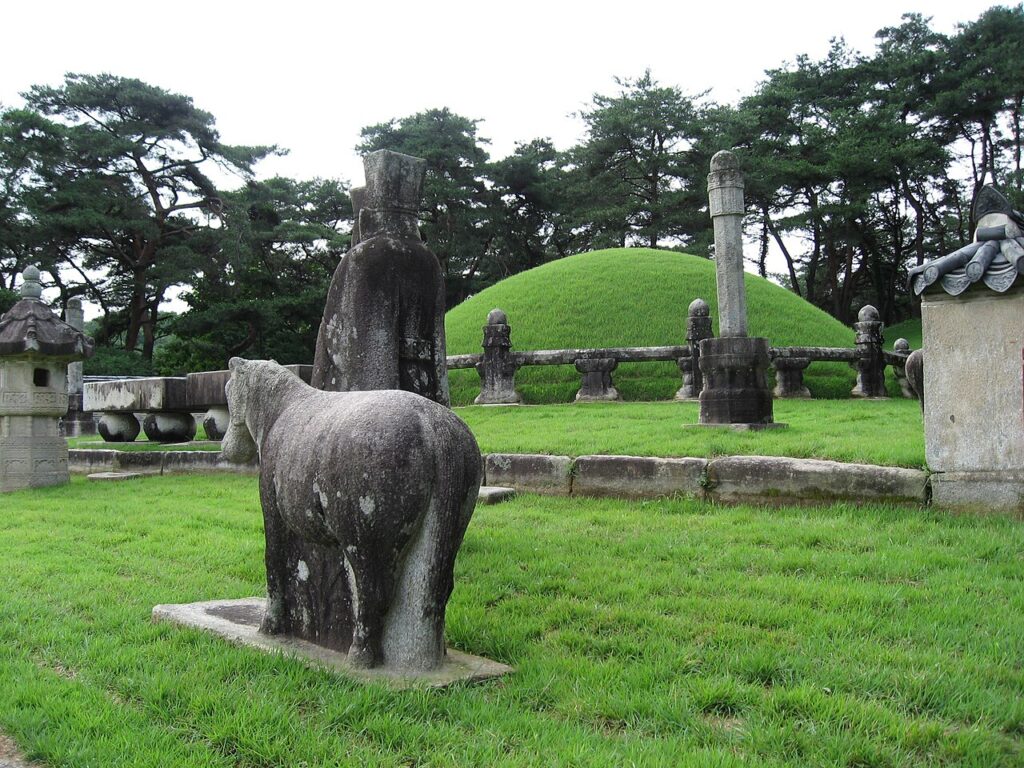
The Royal Tombs of the Joseon Dynasty, UNESCO-inscribed in 2009, preserve 40 tumuli across 18 locations in the hills around Seoul — the burial sites of 27 kings and their queens across the 519-year Joseon dynasty (1392–1897), with stone guardian figures, T-shaped ritual halls, and 400-year-old forested estates intact, ranging from Seolleung beneath Gangnam’s skyscrapers to Yeongneung in the Yeoju countryside.

Jeju Volcanic Island and Lava Tubes: Guide

Jeju Volcanic Island and Lava Tubes: Guide

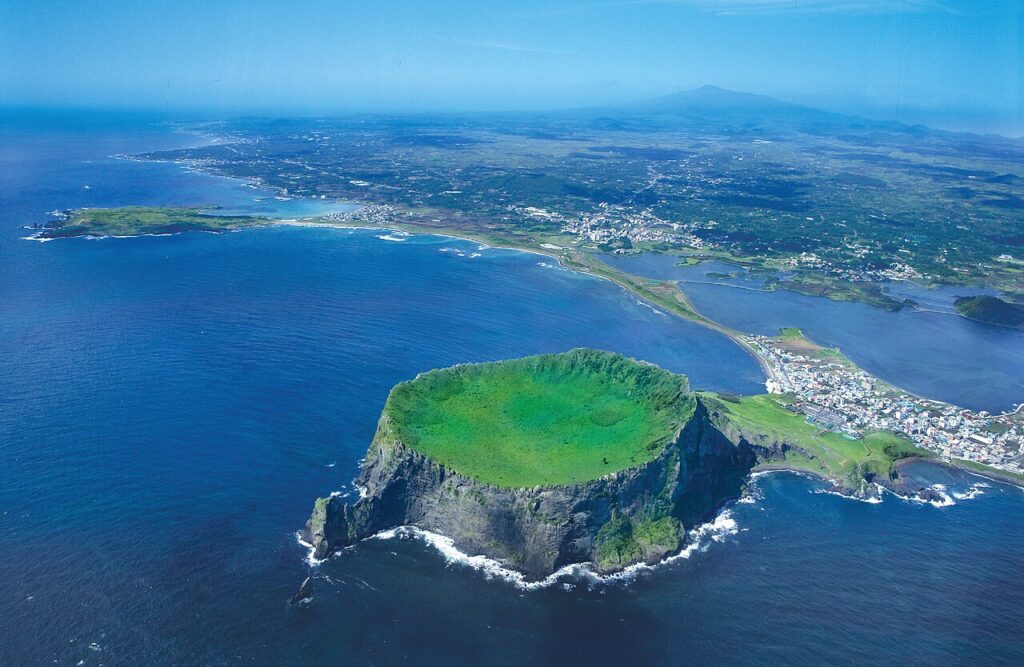
Jeju Volcanic Island and Lava Tubes, UNESCO-inscribed in 2007, protects three components — Hallasan’s 1,950-metre shield volcano summit, the Geomunoreum lava tube system including Manjanggul Cave (world’s longest lava tube at 13.4 km), and Seongsan Ilchulbong’s 5,000-year-old tuff cone — on South Korea’s largest island, 1 hour by air from Seoul and 15 minutes by ferry to Udo Island.

Gyeongju Historic Areas Silla Kingdom: Guide

Gyeongju Historic Areas Silla Kingdom: Guide

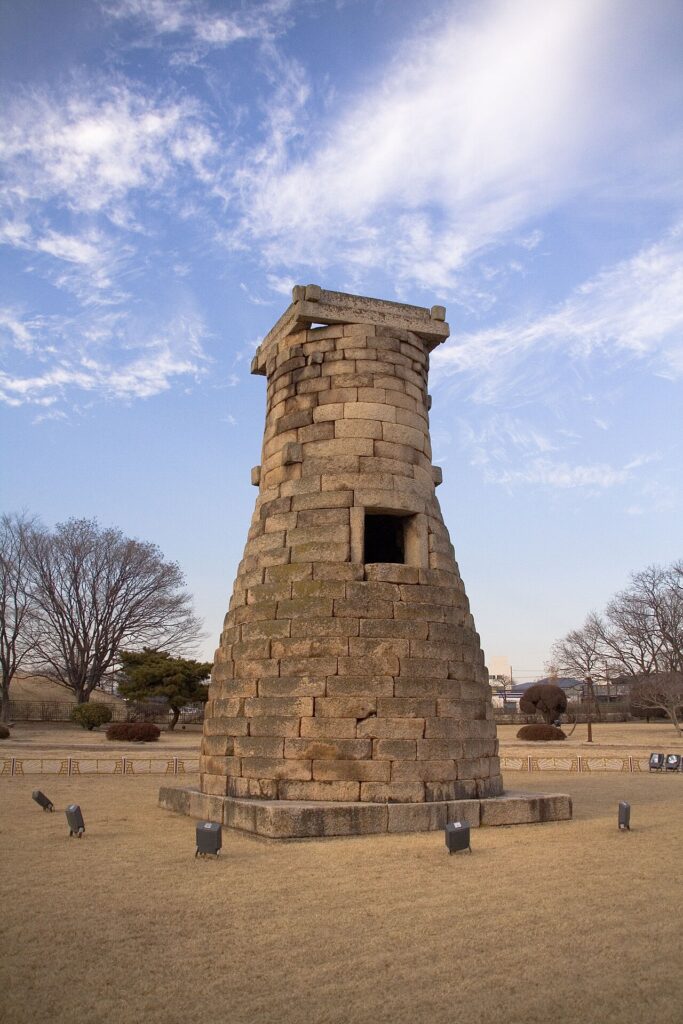
The Gyeongju Historic Areas, UNESCO-inscribed in 2000, preserve the capital of the 1,000-year Silla Kingdom — the Tumuli Park’s 23 royal gold-crown burial mounds, Cheomseongdae’s 7th-century astronomical observatory, Donggung Palace’s 33,000-artefact excavated pond, and the Hwangnyongsa temple foundations — 12 km from Bulguksa Temple and Seokguram Grotto (UNESCO 1995).

Gochang Hwasun Ganghwa Dolmen Sites: Guide

Gochang Hwasun Ganghwa Dolmen Sites: Guide

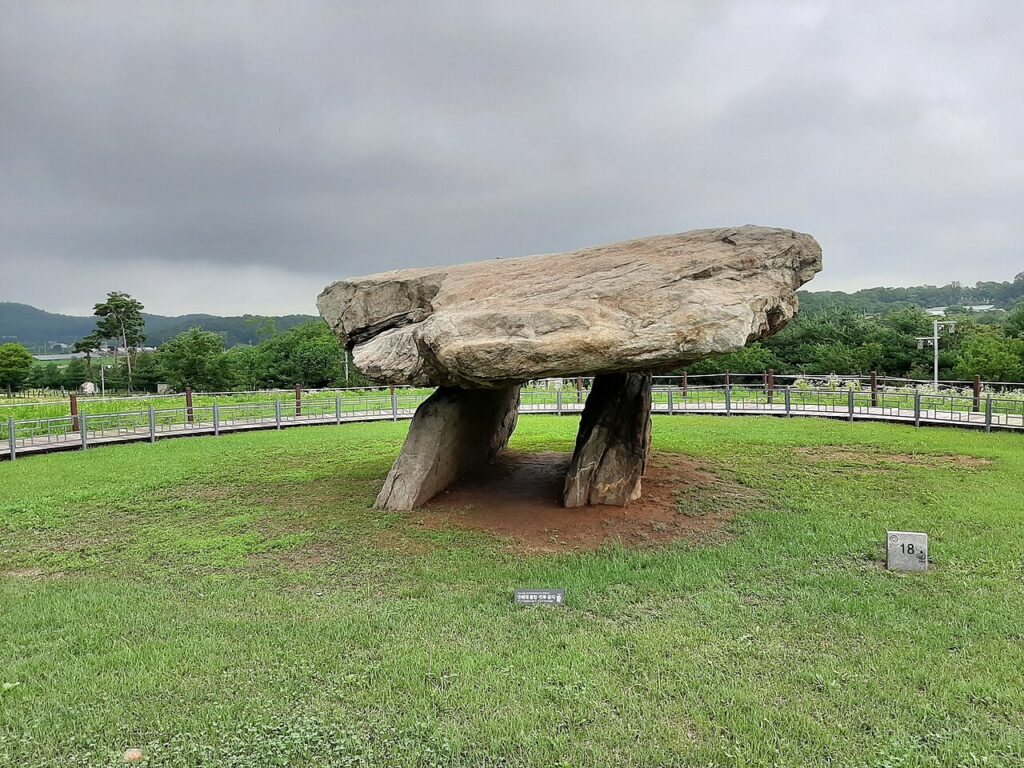
The Gochang, Hwasun and Ganghwa Dolmen Sites, UNESCO-inscribed in 2000, preserve the world’s highest concentration of megalithic monuments — 725 dolmens across three Korean clusters, including the 280-tonne Bugeun-ri table dolmen on Ganghwa Island 80 minutes from Seoul — representing 40% of all dolmens worldwide from the Korean Bronze Age (1000–300 BCE).

Hwaseong Fortress Suwon Military Walls: Guide

Hwaseong Fortress Suwon Military Walls: Guide

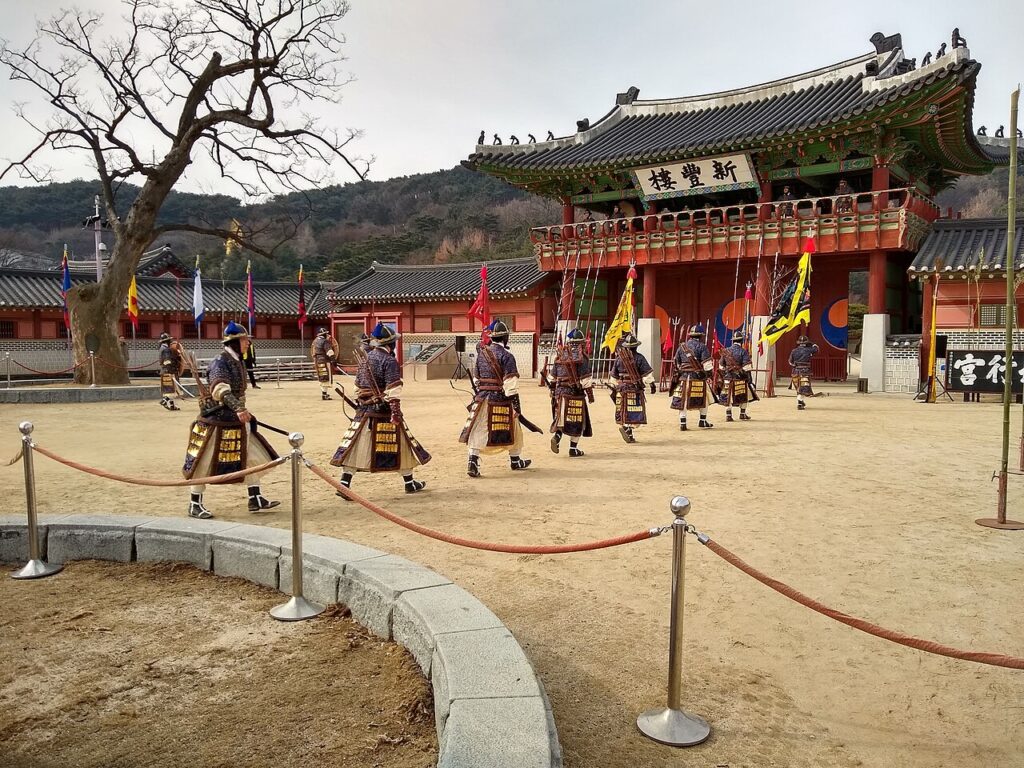
Hwaseong Fortress in Suwon, UNESCO-inscribed in 1997, is a 5.74-km Joseon-era circuit wall (1794-1796 CE) synthesising Korean, Chinese, and European fortification principles — designed by the polymath Jeong Yakyong and built to honour the memory of Crown Prince Sado — 30 minutes by KTX from Seoul’s Changdeokgung Palace and Jongmyo Shrine UNESCO sites.

Changdeokgung Palace Complex Secret Garden: Guide

Changdeokgung Palace Complex Secret Garden: Guide

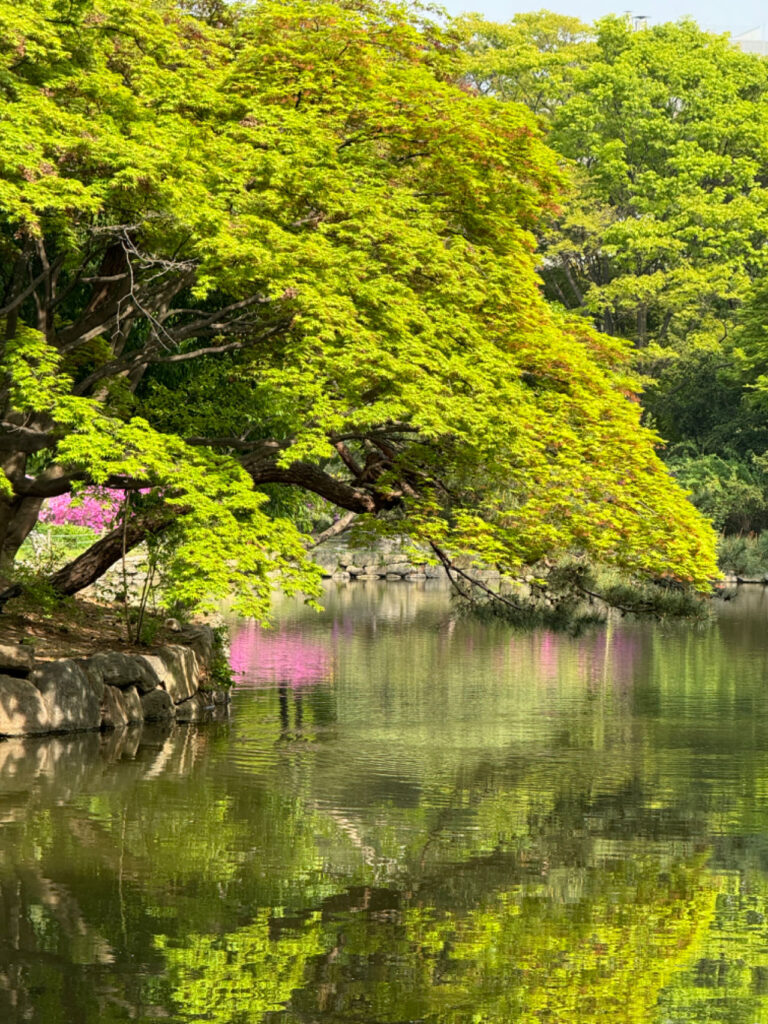
Changdeokgung Palace Complex, UNESCO-inscribed in 1997, served as the primary Joseon royal residence for 270 years and contains the Huwon Secret Garden — 78 hectares of naturalistic royal landscape with 12 irregular ponds, 28 pavilions, and a rice paddy where Korean kings performed ceremonial ploughing — 500 metres from Jongmyo Shrine and 1.5 km from Gyeongbokgung Palace in central Seoul.

Scroll to Top