Paola Bonometti
Content Editor

Paola Bonometti

Paola Bonometti is a volunteer with the ABCO association and still contributes to it today.

Contributions: 1,222 articles

Author name: Paola Bonometti

Paola Bonometti is a volunteer with the ABCO association and still contributes to it today.

Citadel of the Ho Dynasty Stone Fortress: Guide

Citadel of the Ho Dynasty Stone Fortress: Guide

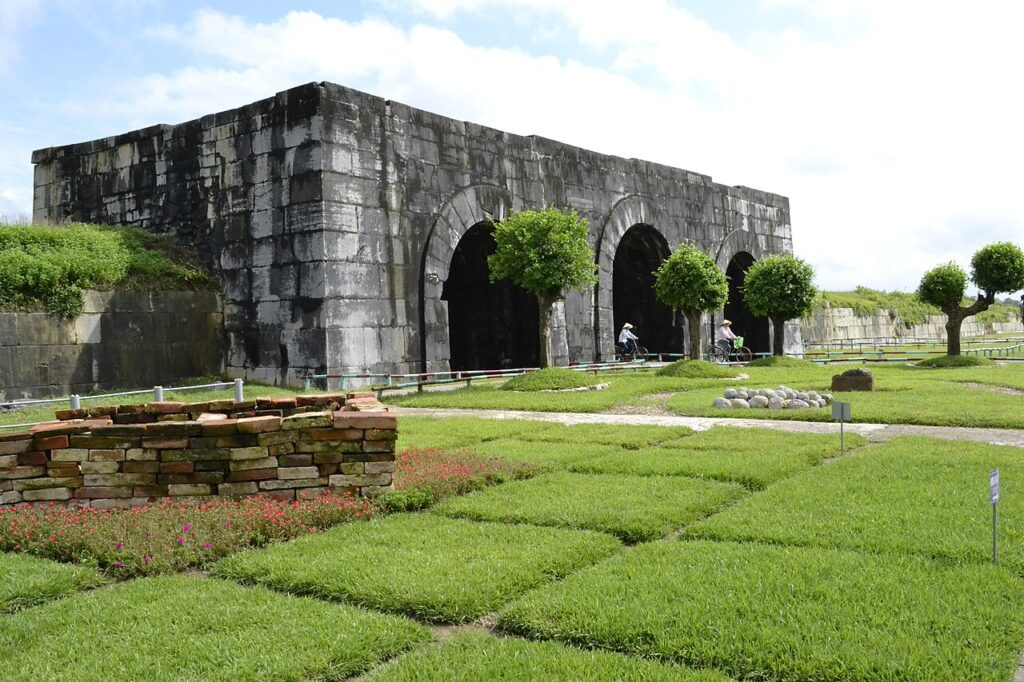
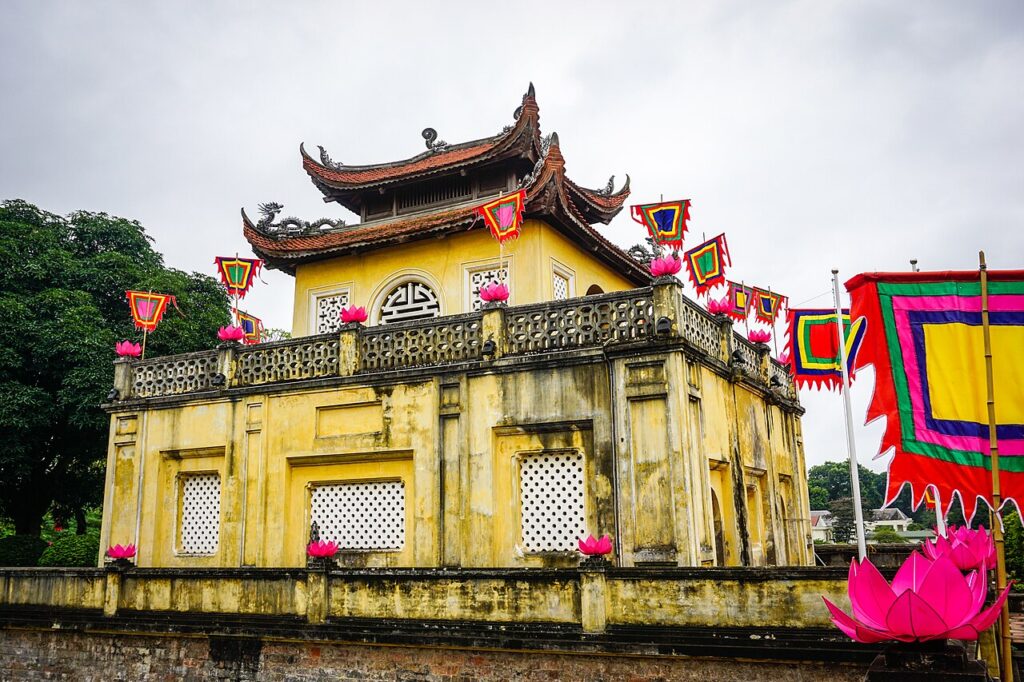
The Citadel of the Hồ Dynasty, UNESCO-inscribed in 2011, preserves the 1397 CE stone walls of the short-lived Hồ dynasty’s “Western Capital” in Thanh Hóa Province, central Vietnam — four barrel-vaulted gates in green sandstone walls (blocks up to 24 tonnes, built in 3 months), 140 km south of Hanoi, 60 km south of Tràng An’s UNESCO karst landscape, 50 km from the Lê dynasty Lam Kinh mausoleums.
Imperial Citadel of Thang Long Hanoi: Travel Guide

Imperial Citadel of Thang Long Hanoi: Travel Guide

The Central Sector of the Imperial Citadel of Thăng Long, UNESCO-inscribed in 2010, preserves 13 centuries of Vietnamese imperial capital in Hanoi — the Đoan Môn Gate’s Lê dynasty stone dragons, the 40,000 m² archaeological excavation showing layered Lý/Trần/Lê palace foundations, and the D67 underground bunker where General Giáp directed the Vietnam War, all within 3 km of the Temple of Literature’s 82 doctoral steles.

Phong Nha-Ke Bang Caves & Karst: Travel Guide

Phong Nha-Ke Bang Caves & Karst: Travel Guide

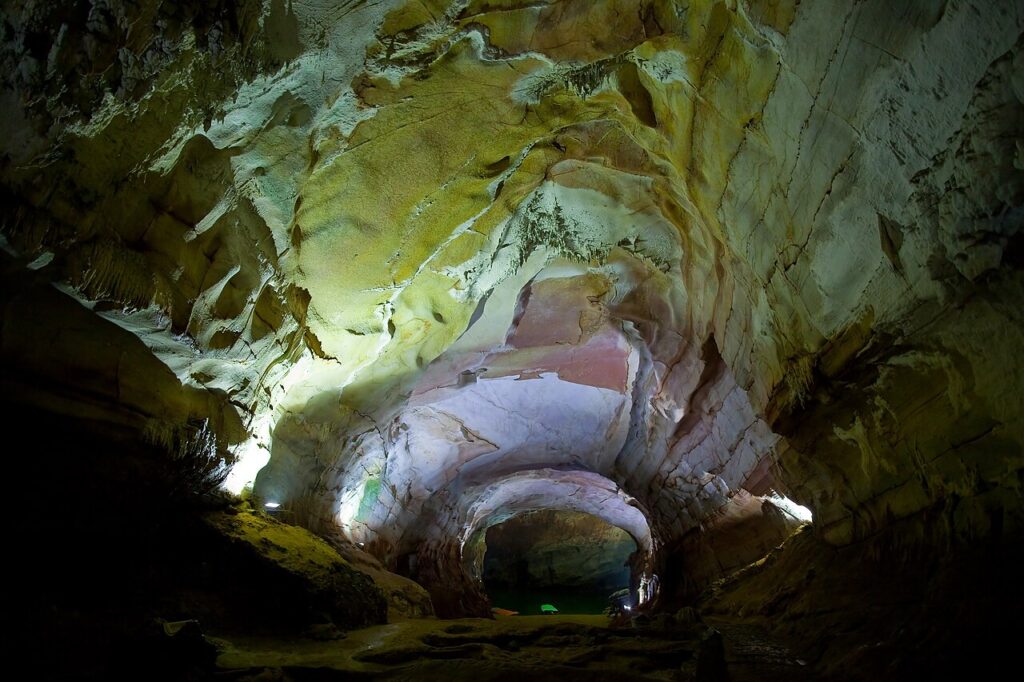
Phong Nha-Kẻ Bàng National Park, UNESCO-inscribed in 2003 and extended in 2015, contains the world’s largest cave (Hang Sơn Đoòng, 200 m wide, 150 m high, 1,000 visitors/year maximum) and more than 300 caves in a 400-million-year-old limestone formation in north-central Vietnam — 50 km from Đồng Hới airport, 9 hours by train from Hanoi.

My Son Sanctuary Cham Hindu Temples: Guide

My Son Sanctuary Cham Hindu Temples: Guide

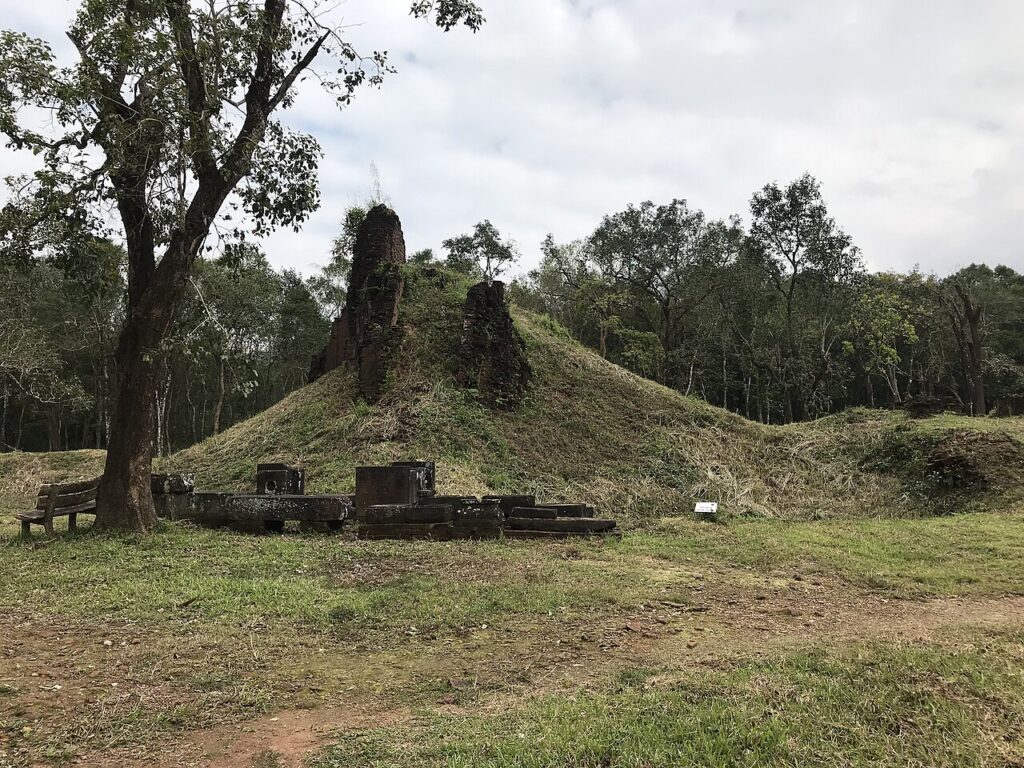
Mỹ Sơn Sanctuary, UNESCO-inscribed in 1999, preserves approximately 70 Cham Hindu temple ruins in a mountain-valley setting in Quảng Nam Province, central Vietnam — Group B/C/D’s 24-metre brick tower complex, the bomb-crater field of the 1969-destroyed Great Sanctuary A1, and the Thu Bồn River corridor connecting the valley to Hội An’s coast, 60 km east.

Hoi An Ancient Town Trading Port: Travel Guide

Hoi An Ancient Town Trading Port: Travel Guide

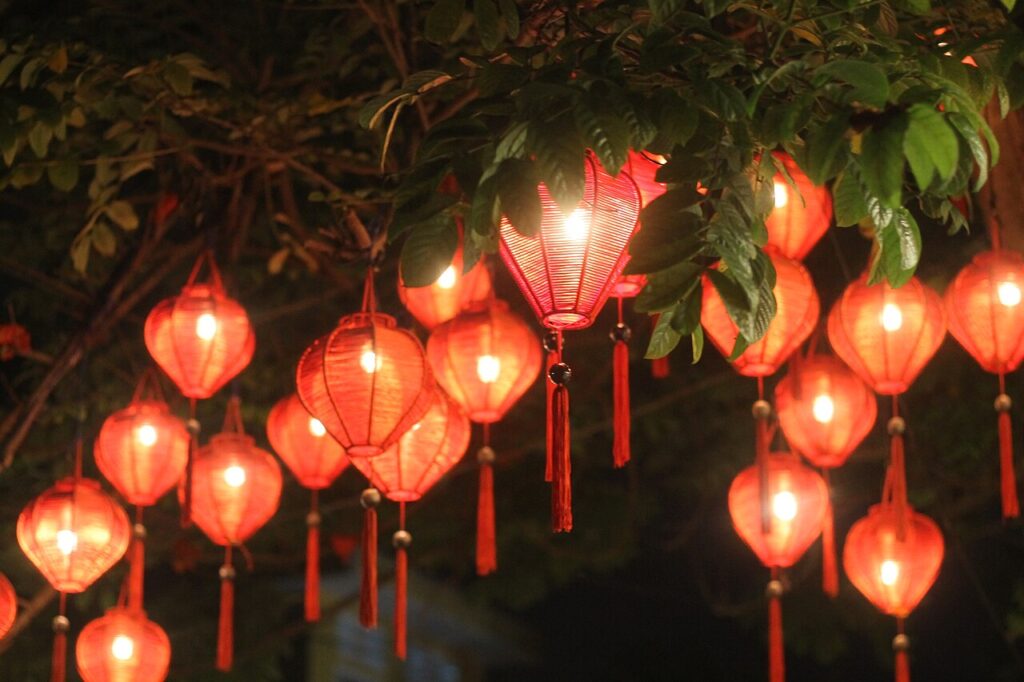
Hội An Ancient Town, UNESCO-inscribed in 1999, preserves a 15th–19th century Southeast Asian trading port on the Thu Bồn River — the Japanese Covered Bridge, the Phúc Kiến Assembly Hall’s incense-dark Chinese merchant shrine, 900+ traditional Vietnamese tube houses — the best-preserved multicultural trading port in Southeast Asia, 60 km east of Mỹ Sơn Sanctuary (UNESCO 1999) and 30 km south of Đà Nẵng.

Ha Long Bay Emerald Waters & Karst: Travel Guide

Ha Long Bay Emerald Waters & Karst: Travel Guide

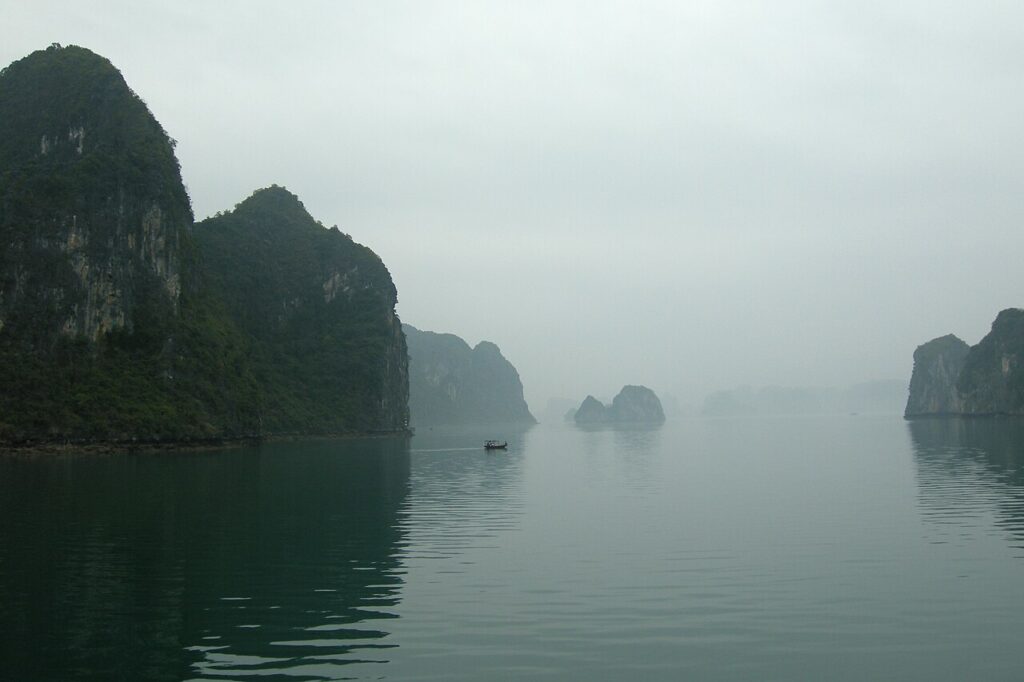
Ha Long Bay, UNESCO-inscribed in 1994 (extended 2000), protects 1,969 limestone karst islands rising vertically from the Gulf of Tonkin in northeastern Vietnam — Sung Sot Cave’s 12,000 m² illuminated chamber, the floating fishing villages at Cửa Vạn, Cat Ba Island’s critically endangered langur — 180 km from Hanoi by road and 160 km from the inland Tràng An karst landscape.

Complex of Hue Monuments Imperial City: Guide

Complex of Hue Monuments Imperial City: Guide

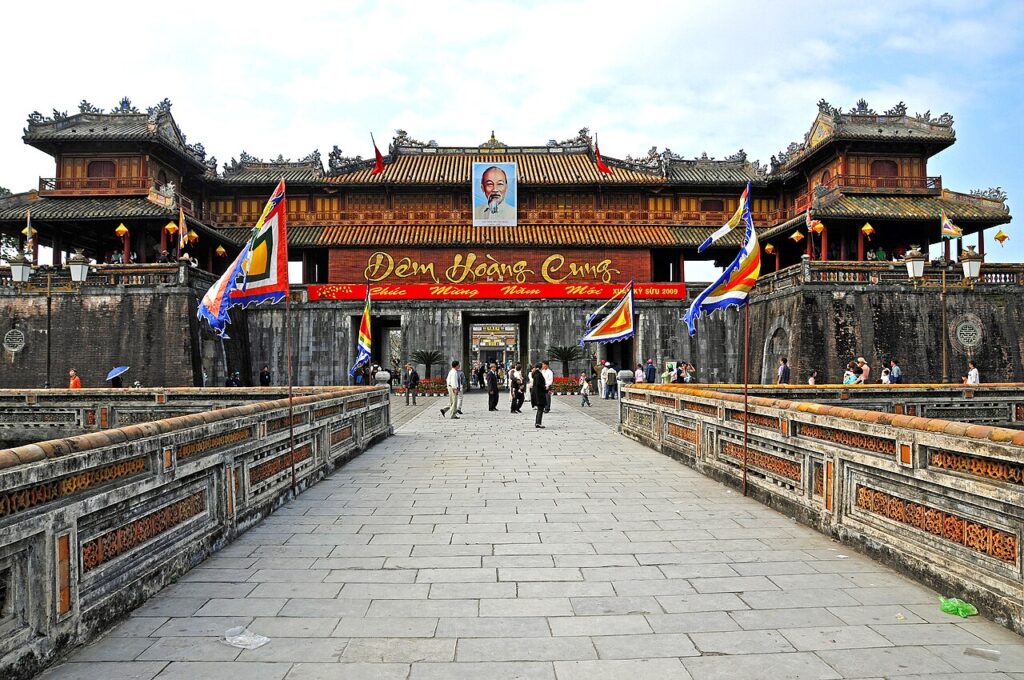
The Complex of Huế Monuments, UNESCO-inscribed in 1993, preserves the imperial capital of Vietnam’s Nguyễn dynasty (1802–1945) — the Ngọ Môn Meridian Gate and nine bronze dynastic urns of the Imperial City, seven imperial mausoleums in the Perfume River hills (including Tự Đức’s lakeside poetry garden and Minh Mạng’s formal Confucian axis) — the most complete ensemble of East Asian imperial architecture in Southeast Asia.

Gaya Tumuli Ancient Burial Mounds: Travel Guide

Gaya Tumuli Ancient Burial Mounds: Travel Guide

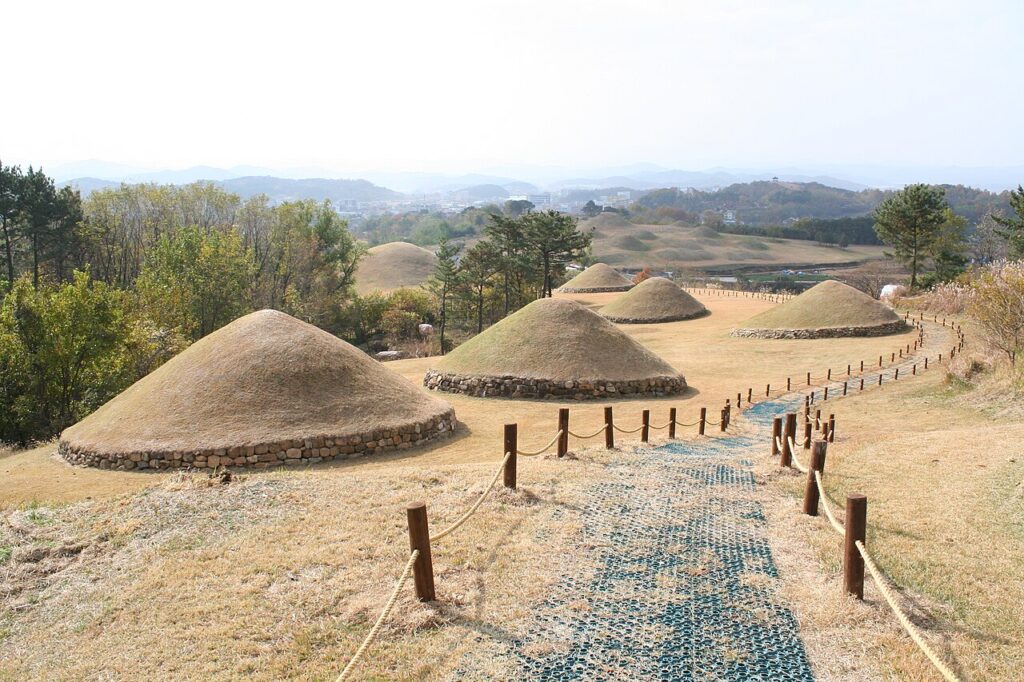
The Gaya Tumuli, UNESCO-inscribed in 2023, protect seven burial mound clusters of the Gaya confederacy (1st–6th centuries CE) — including Gimhae’s iron-trade capital mounds 30 km from Busan, Goryeong’s 25-metre royal tumuli with 40 human sacrifice burials, and Hapcheon’s Byzantine-parallel iron helmets — the archaeological legacy of the forgotten Korean confederacy that shaped both the Three Kingdoms and early Japanese culture.

Getbol Korean Tidal Flats Ecology: Travel Guide

Getbol Korean Tidal Flats Ecology: Travel Guide

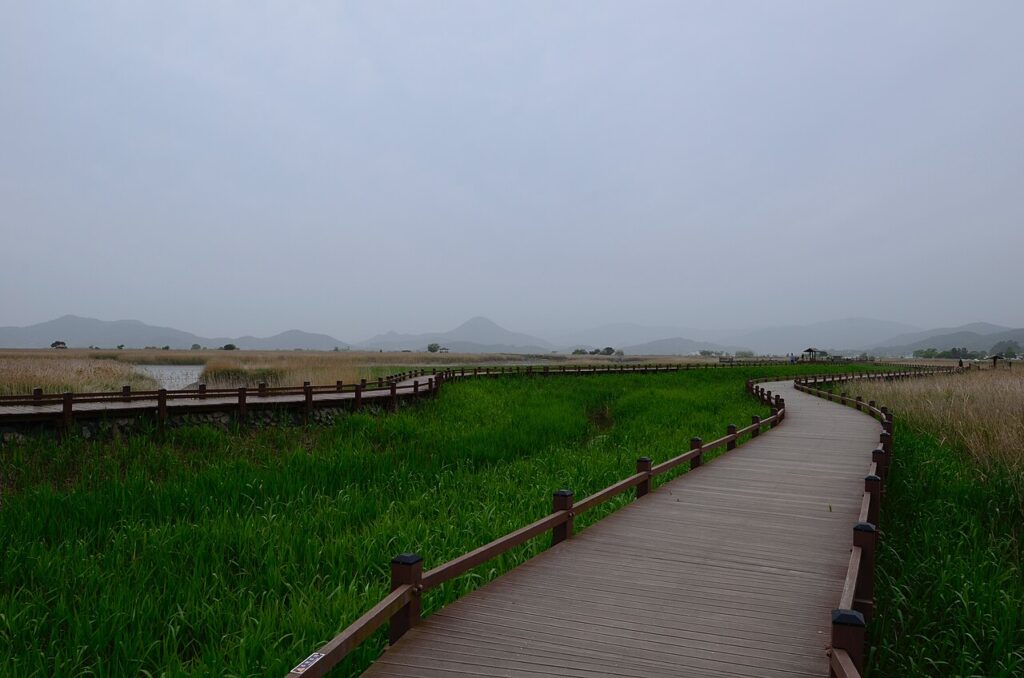
The Getbol Korean Tidal Flats, UNESCO-inscribed in 2021, protect 128,860 hectares across four components on South Korea’s western and southern coast — Suncheon Bay’s reed marshes (wintering Black-faced Spoonbill), Gochang’s Yellow Sea mudflats (near dolmen UNESCO site), Shinan’s 1,004-island archipelago, and Seocheon — the critical mid-point stopover for 50 million migratory birds on the East Asian-Australasian Flyway.

Seowon Korean Neo-Confucian Academies: Guide

Seowon Korean Neo-Confucian Academies: Guide

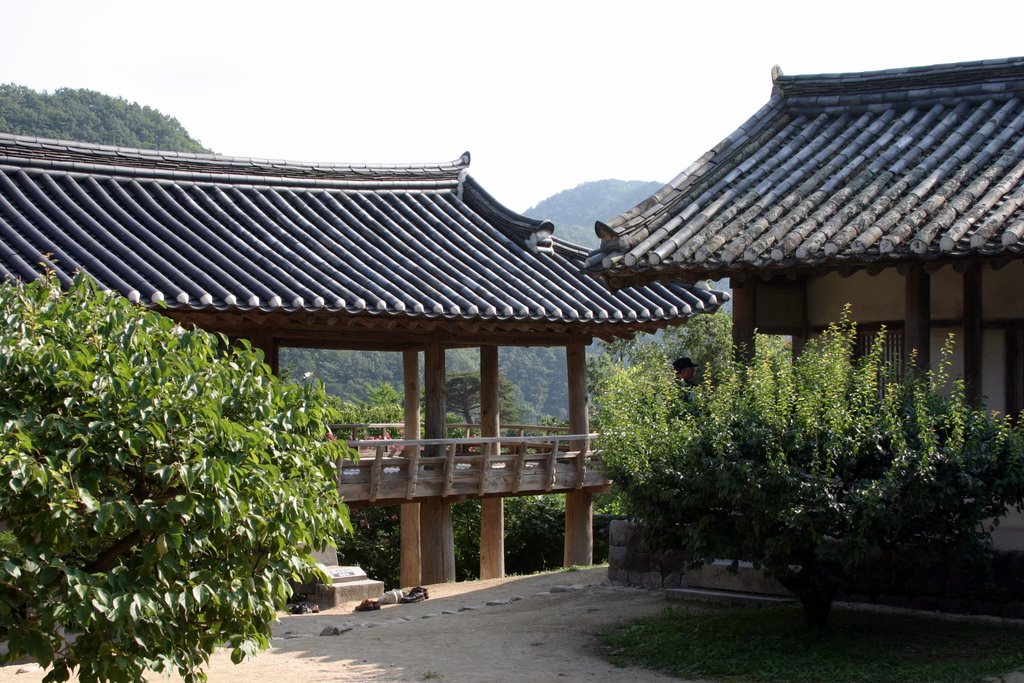
The Seowon, Korean Neo-Confucian Academies, UNESCO-inscribed in 2019, protect nine Joseon-period private academies including Byeongsan Seowon’s iconic riverside pavilion near Hahoe village, Dosan Seowon dedicated to philosopher Toegye (1,000-won banknote portrait) in Andong, Sosuseowon (Korea’s first royal-chartered academy) in Yeongju, and Oksan Seowon near Yangdong village — the educational foundations of Korea’s Confucian tradition.

Scroll to Top