

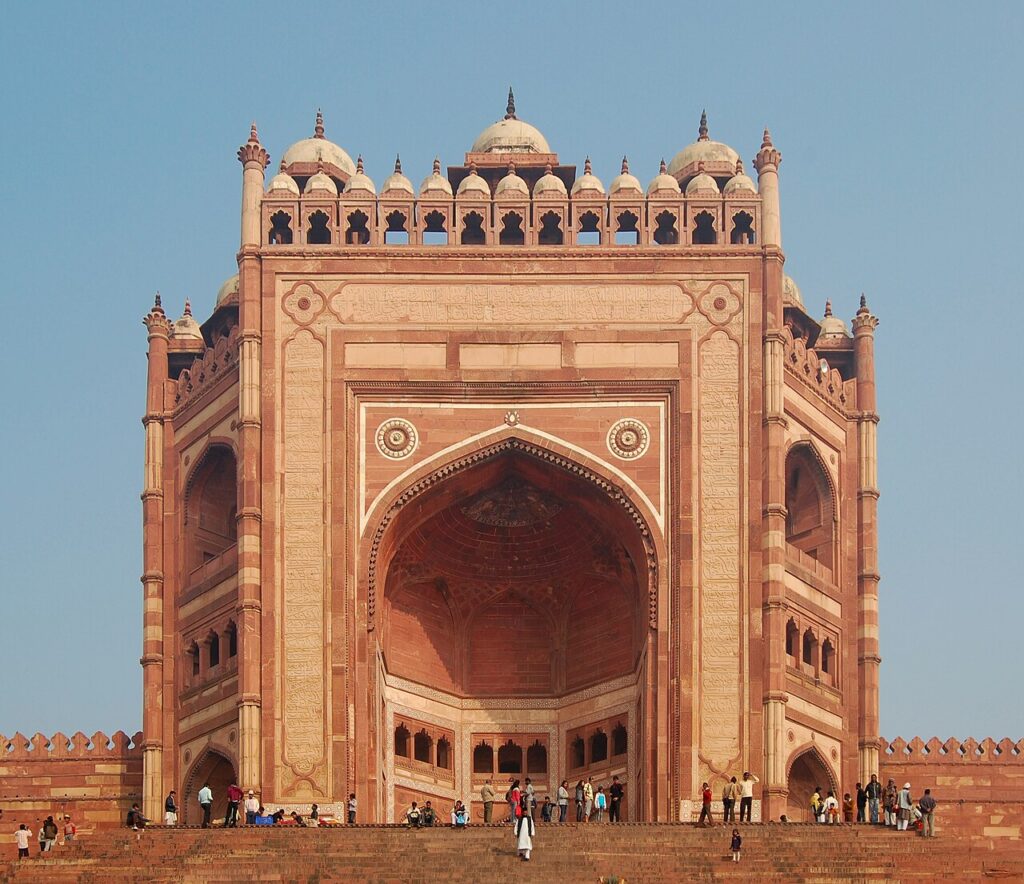
Fatehpur Sikri Mughal Imperial Capital: Guide
Photo: Marcin Białek / CC BY-SA 3.0 / Wikimedia Commons. Fatehpur Sikri (فتح پور سیکری, “City of Victory”), inscribed by

Photo: Marcin Białek / CC BY-SA 3.0 / Wikimedia Commons. Fatehpur Sikri (فتح پور سیکری, “City of Victory”), inscribed by
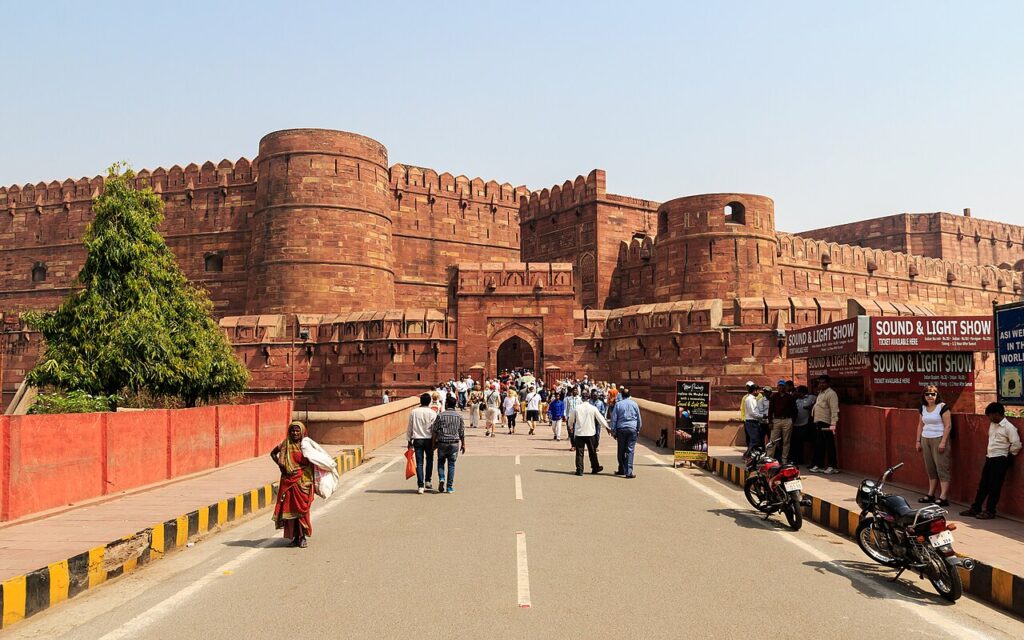
Photo: A.Savin / Free Art License / Wikimedia Commons. Agra Fort (آگرہ قلعہ, also Lal Qila “Red Fort” of Agra,
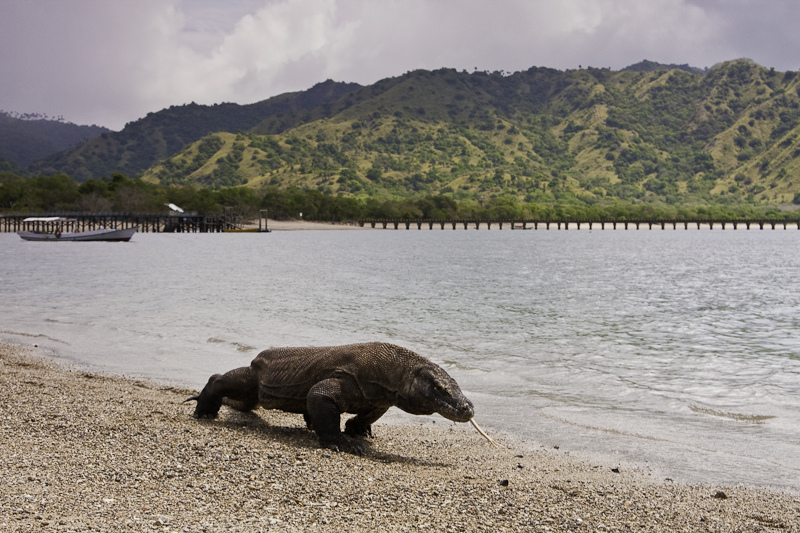
Komodo National Park has no close World Heritage neighbours: Bali is 451 km away, Sangiran 963 km. What UNESCO and IUCN say about the park and its dragons.
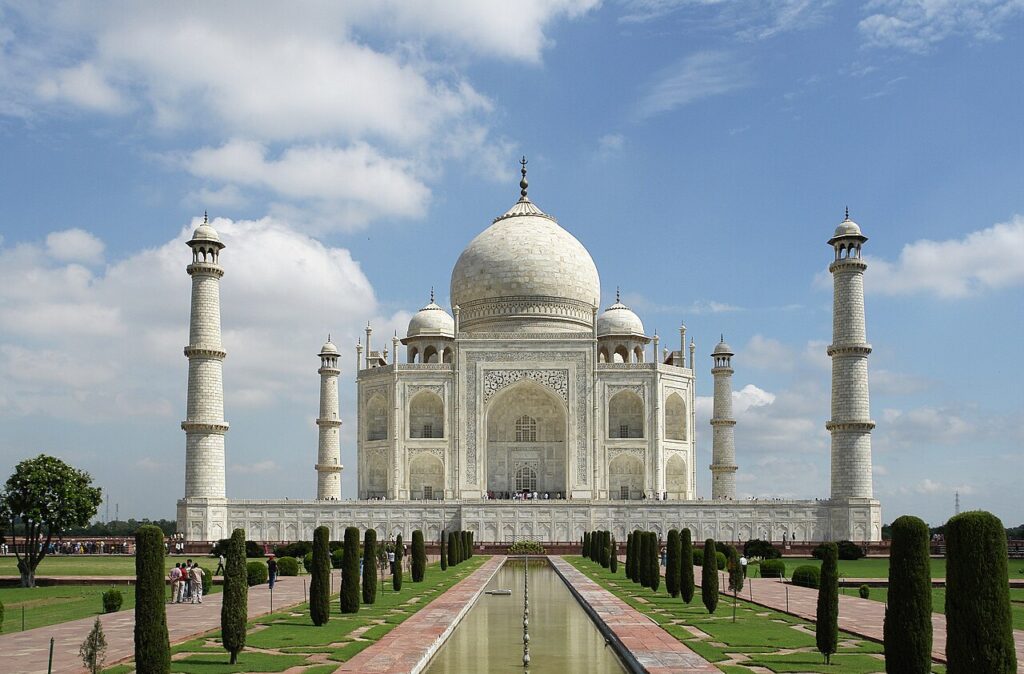
Photo: Yann, edited by Jim Carter / CC BY-SA 4.0 / Wikimedia Commons. The Taj Mahal (تاج محل, “Crown of
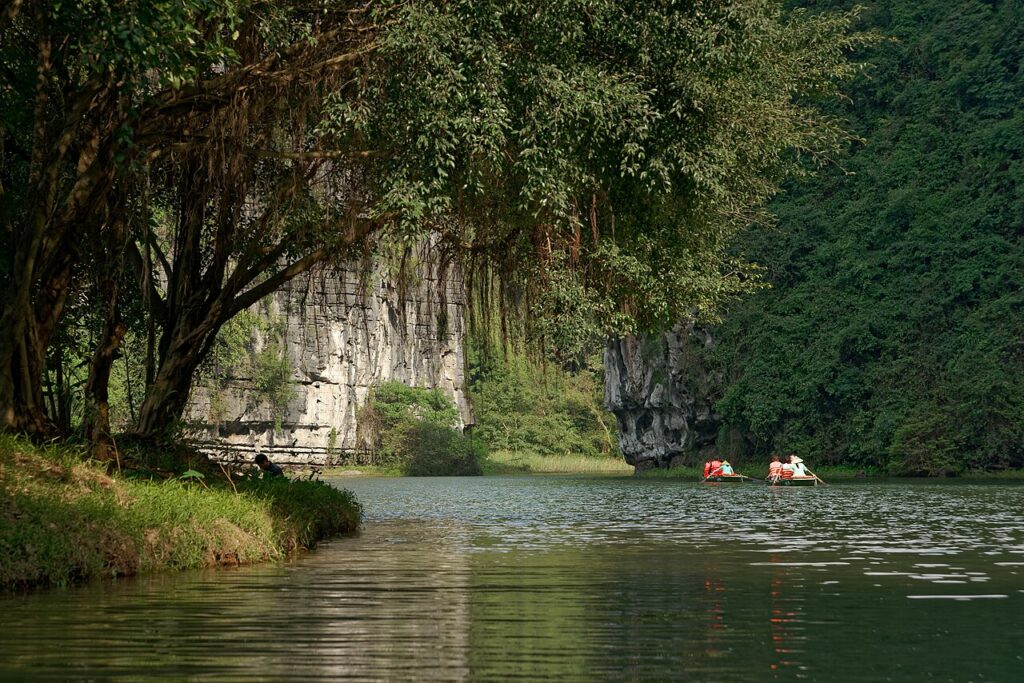
The Tràng An Landscape Complex, UNESCO-inscribed in 2014, is Southeast Asia’s only mixed cultural-natural UNESCO inscription — 48 cave passages navigated by rowboat through enclosed karst valleys near Ninh Bình, 30,000 years of cave archaeology, the Ancient Capital Hoa Lư where Vietnam’s first post-independence dynasty built its citadel in 968 CE — 100 km from Hanoi by train.
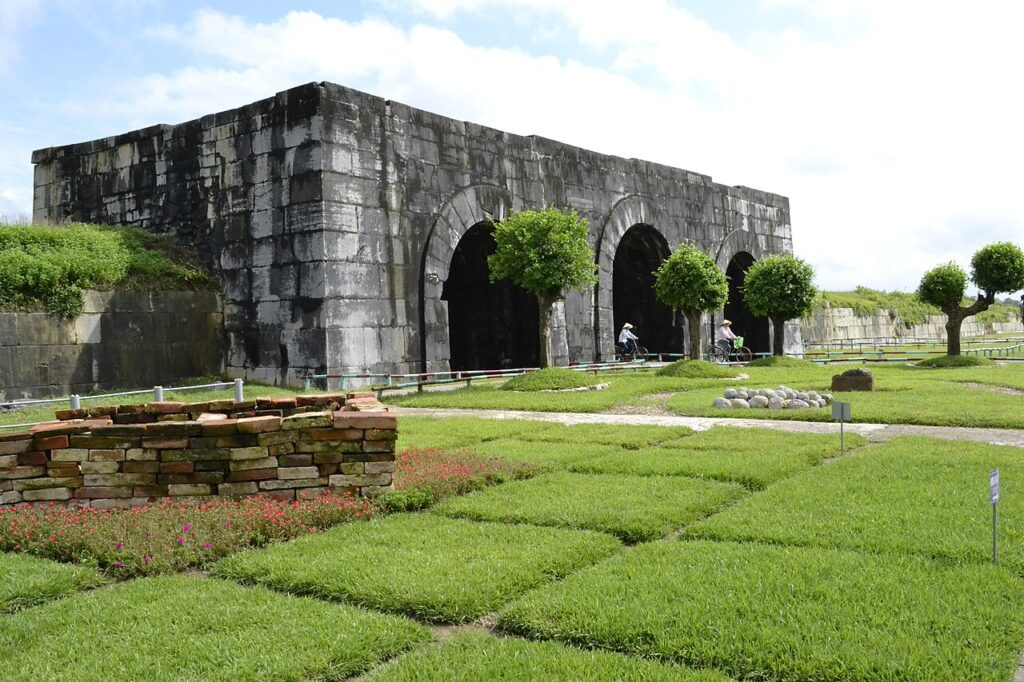
The Citadel of the Hồ Dynasty, UNESCO-inscribed in 2011, preserves the 1397 CE stone walls of the short-lived Hồ dynasty’s “Western Capital” in Thanh Hóa Province, central Vietnam — four barrel-vaulted gates in green sandstone walls (blocks up to 24 tonnes, built in 3 months), 140 km south of Hanoi, 60 km south of Tràng An’s UNESCO karst landscape, 50 km from the Lê dynasty Lam Kinh mausoleums.
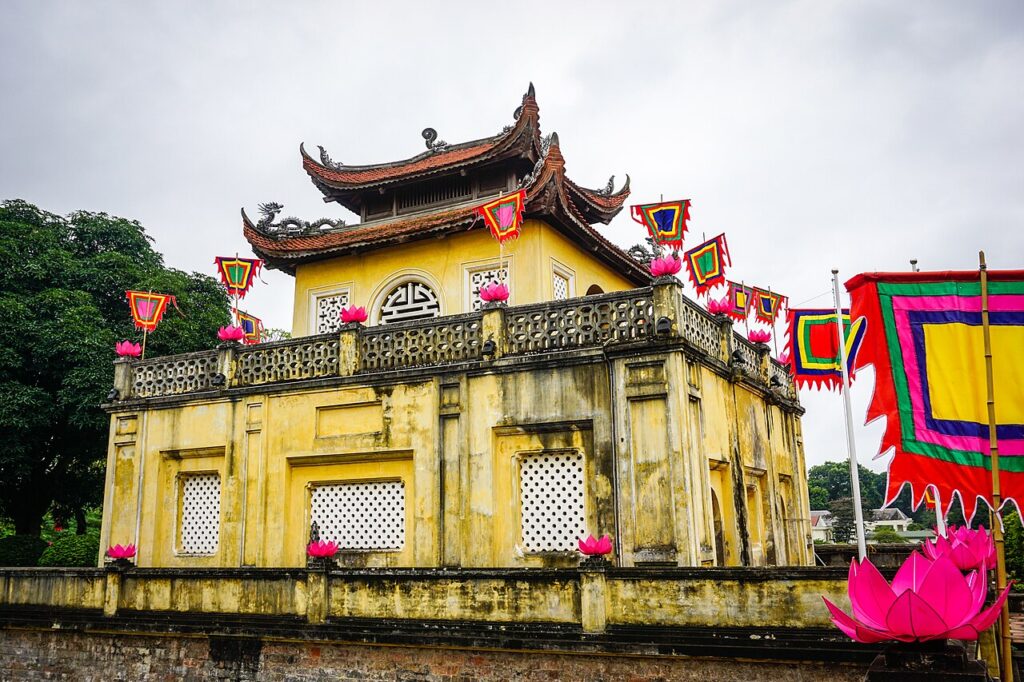
The Central Sector of the Imperial Citadel of Thăng Long, UNESCO-inscribed in 2010, preserves 13 centuries of Vietnamese imperial capital in Hanoi — the Đoan Môn Gate’s Lê dynasty stone dragons, the 40,000 m² archaeological excavation showing layered Lý/Trần/Lê palace foundations, and the D67 underground bunker where General Giáp directed the Vietnam War, all within 3 km of the Temple of Literature’s 82 doctoral steles.
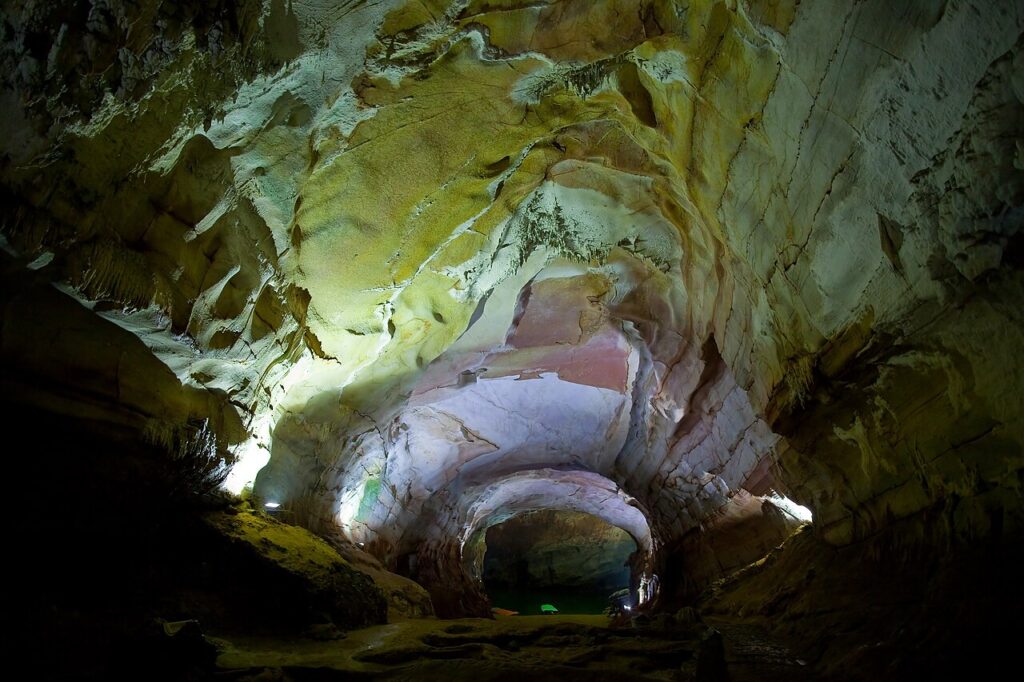
Phong Nha-Kẻ Bàng National Park, UNESCO-inscribed in 2003 and extended in 2015, contains the world’s largest cave (Hang Sơn Đoòng, 200 m wide, 150 m high, 1,000 visitors/year maximum) and more than 300 caves in a 400-million-year-old limestone formation in north-central Vietnam — 50 km from Đồng Hới airport, 9 hours by train from Hanoi.
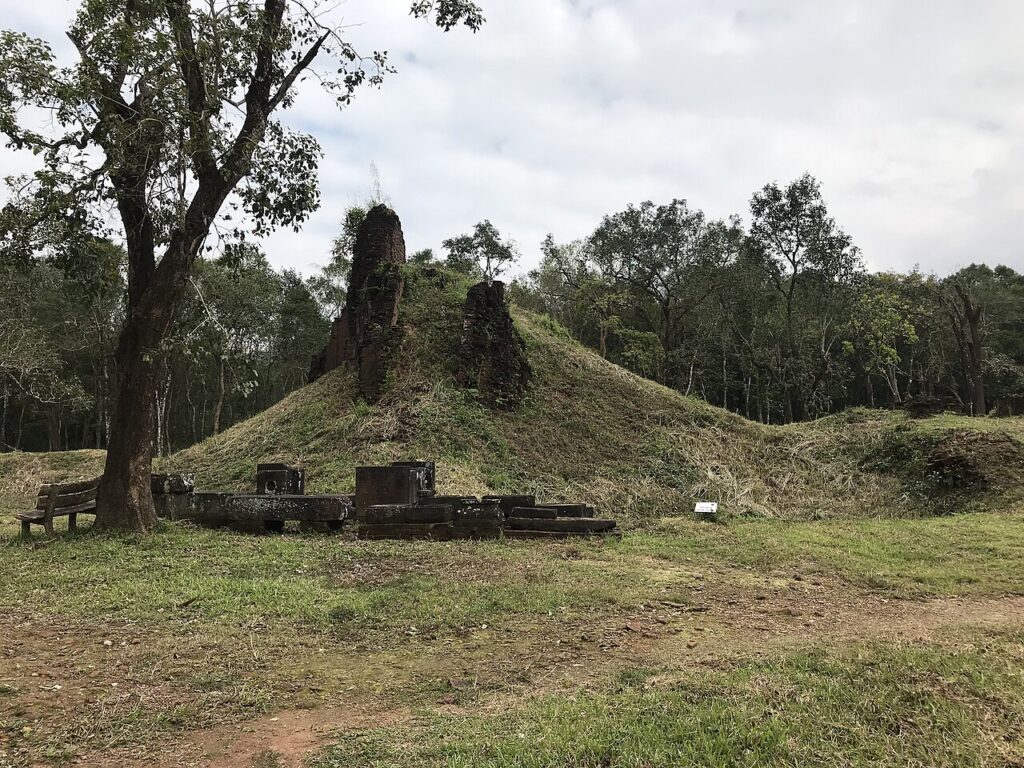
Mỹ Sơn Sanctuary, UNESCO-inscribed in 1999, preserves approximately 70 Cham Hindu temple ruins in a mountain-valley setting in Quảng Nam Province, central Vietnam — Group B/C/D’s 24-metre brick tower complex, the bomb-crater field of the 1969-destroyed Great Sanctuary A1, and the Thu Bồn River corridor connecting the valley to Hội An’s coast, 60 km east.
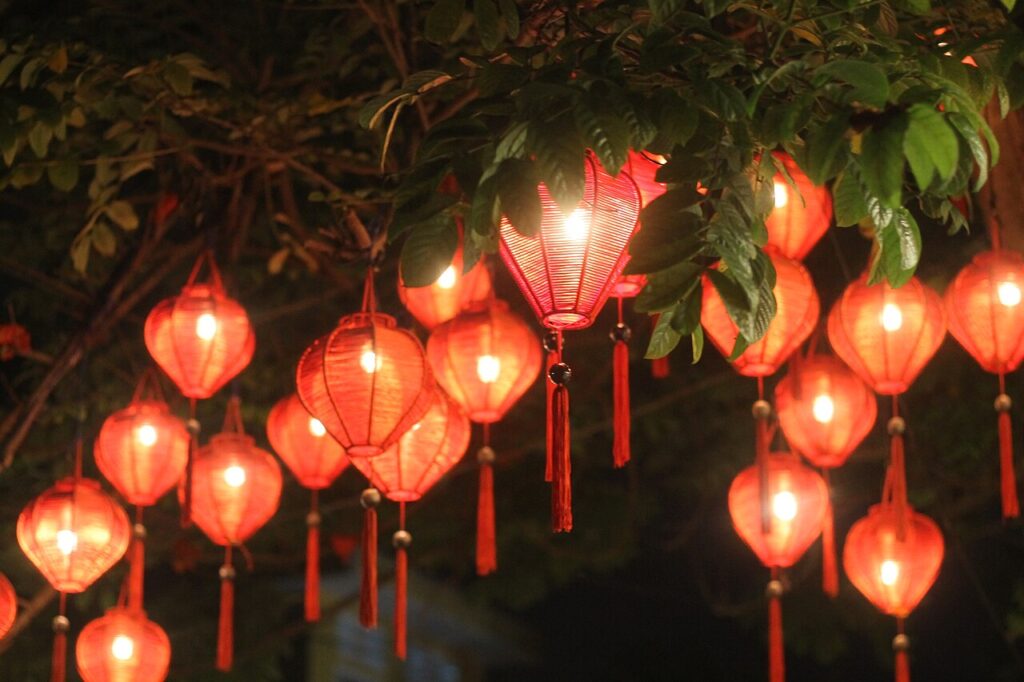
Hội An Ancient Town, UNESCO-inscribed in 1999, preserves a 15th–19th century Southeast Asian trading port on the Thu Bồn River — the Japanese Covered Bridge, the Phúc Kiến Assembly Hall’s incense-dark Chinese merchant shrine, 900+ traditional Vietnamese tube houses — the best-preserved multicultural trading port in Southeast Asia, 60 km east of Mỹ Sơn Sanctuary (UNESCO 1999) and 30 km south of Đà Nẵng.