

UNESCO Heritage Sites Near San José, Costa Rica
Two UNESCO World Heritage Sites lie within reach of San José: a remote Pacific island famous for hammerhead shark schools, and an archaeological enigma of near-perfect stone spheres.

Two UNESCO World Heritage Sites lie within reach of San José: a remote Pacific island famous for hammerhead shark schools, and an archaeological enigma of near-perfect stone spheres.
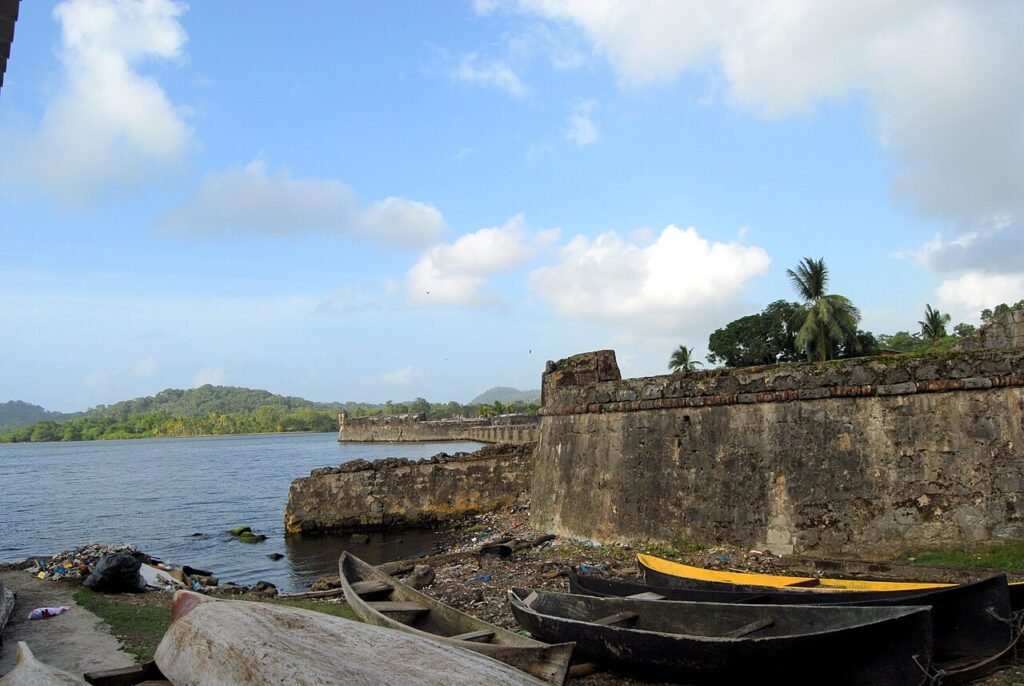
Panama’s two UNESCO World Heritage Sites — the Spanish colonial fortifications of Portobelo and the marine wilderness of Coiba National Park — are both reachable from Panama City, in opposite directions and on very different timescales.

Guatemala’s three UNESCO World Heritage Sites — colonial Antigua, Maya Tikal, and the stela fields of Quiriguá — are all accessible from Guatemala City, from one hour to eight hours away.

Three of Mali’s four UNESCO World Heritage Sites — ancient Timbuktu, the mud-brick city of Djenné, and the Dogon cliff settlements of Bandiagara — lie within reach of Bamako.
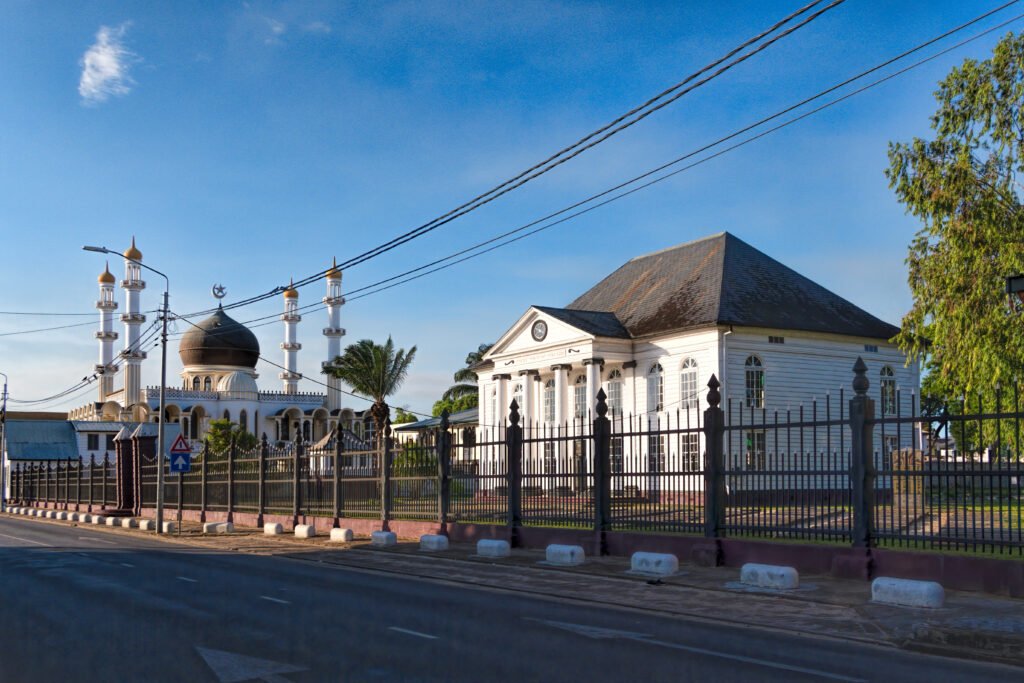
Paramaribo is itself a UNESCO World Heritage Site — a Dutch colonial city built entirely in tropical hardwood. A second inscription, the pristine Central Suriname Nature Reserve, lies 260 km south.
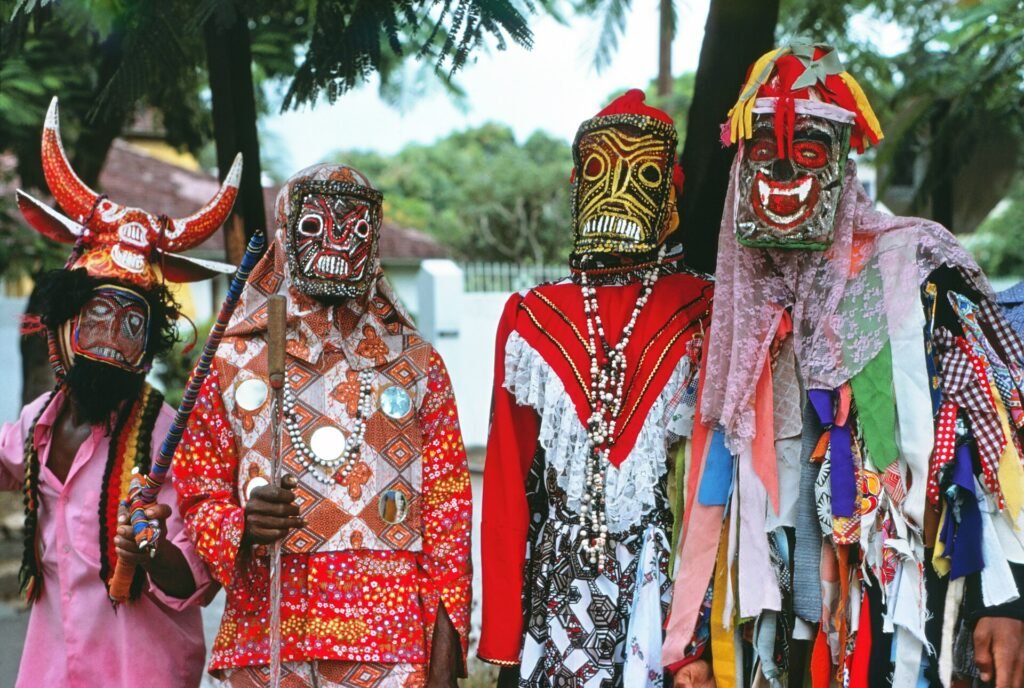
Junkanoo is a masquerade festival of drumming and street parades born from African diaspora traditions, celebrated year-round in the Bahamas and across the Caribbean.
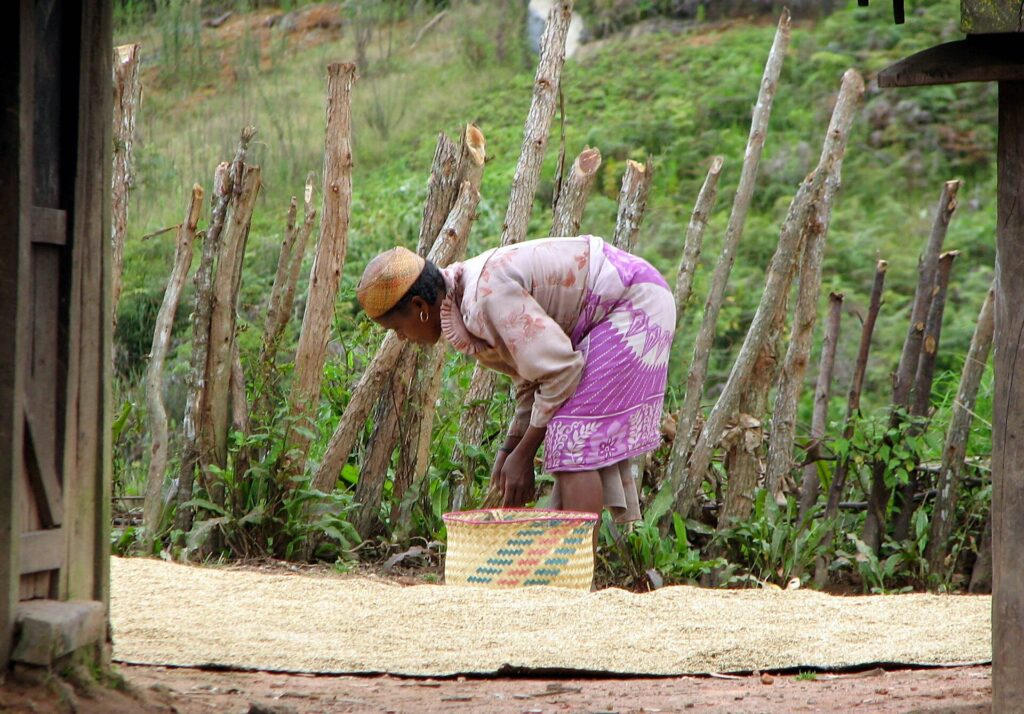
The Zafimaniry people of Madagascar’s highland forests preserve an ancient woodcarving tradition recognized by UNESCO in 2003, creating utilitarian and ritual objects through knowledge passed within families across generations.
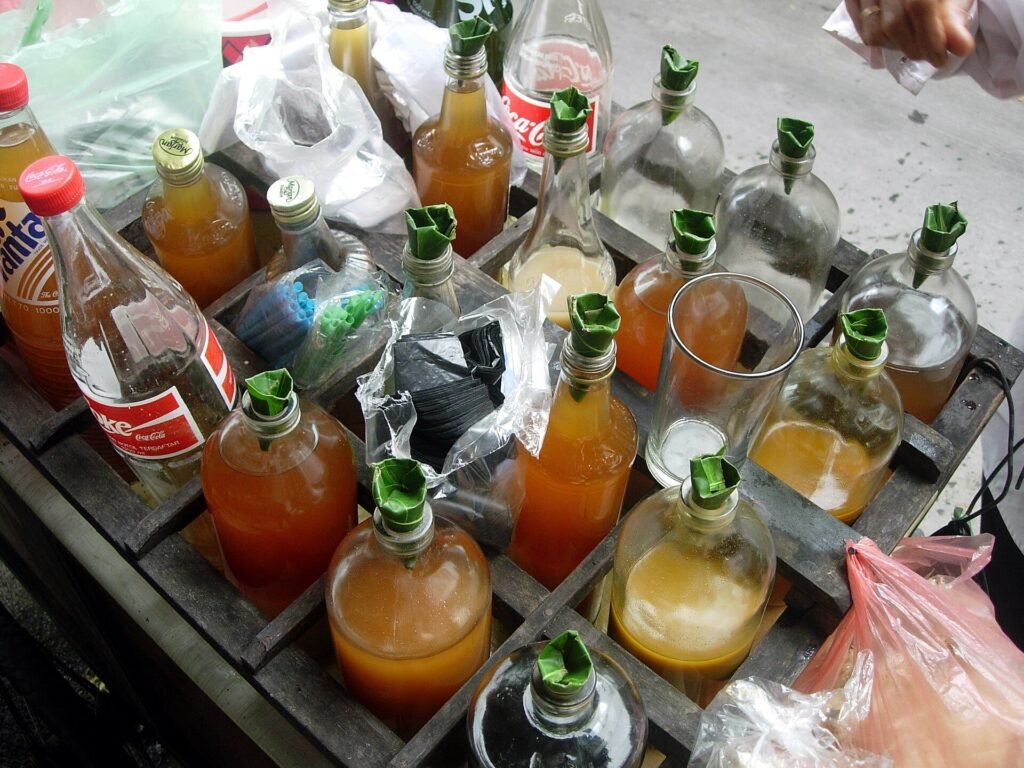
Jamu is Indonesia’s traditional herbal wellness practice, where skilled vendors—notably the iconic Mbok Jamu in traditional dress—prepare and sell botanical remedies throughout Java and beyond.
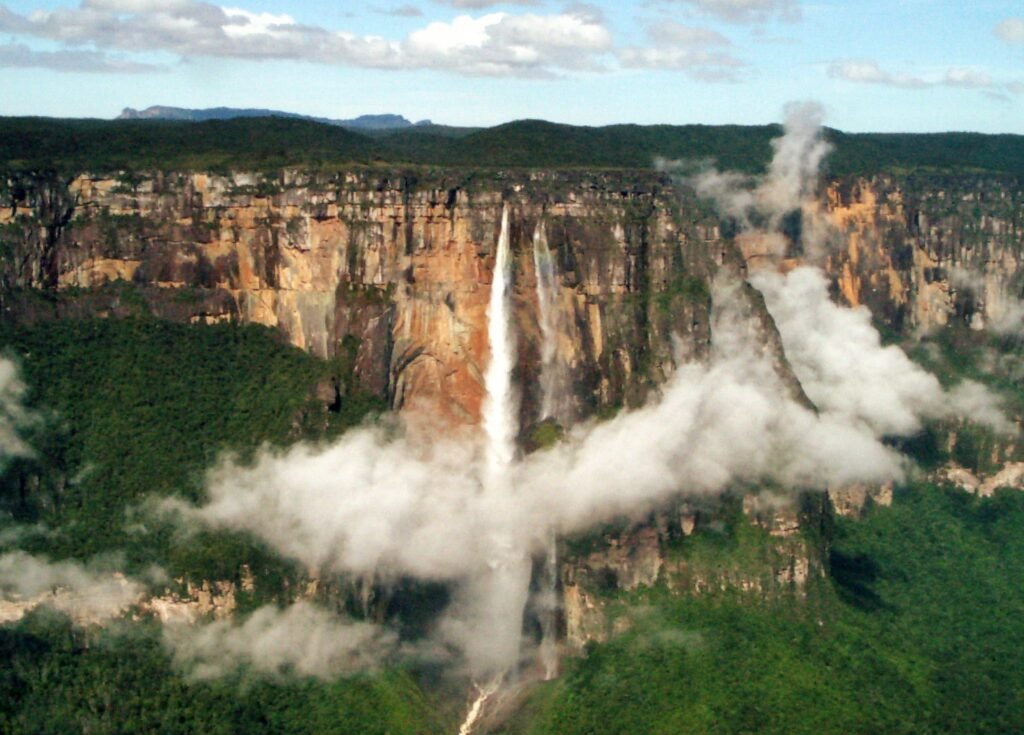
Two UNESCO World Heritage Sites lie within reach of Caracas: Canaima National Park with its ancient tepuis and Angel Falls, and the 500-year-old Colonial city of Coro to the west.

Three UNESCO World Heritage Sites are reachable from Sucre: the inscribed colonial city itself, the pre-Columbian metropolis of Tiwanaku, and the carved rock of Fuerte de Samaipata.