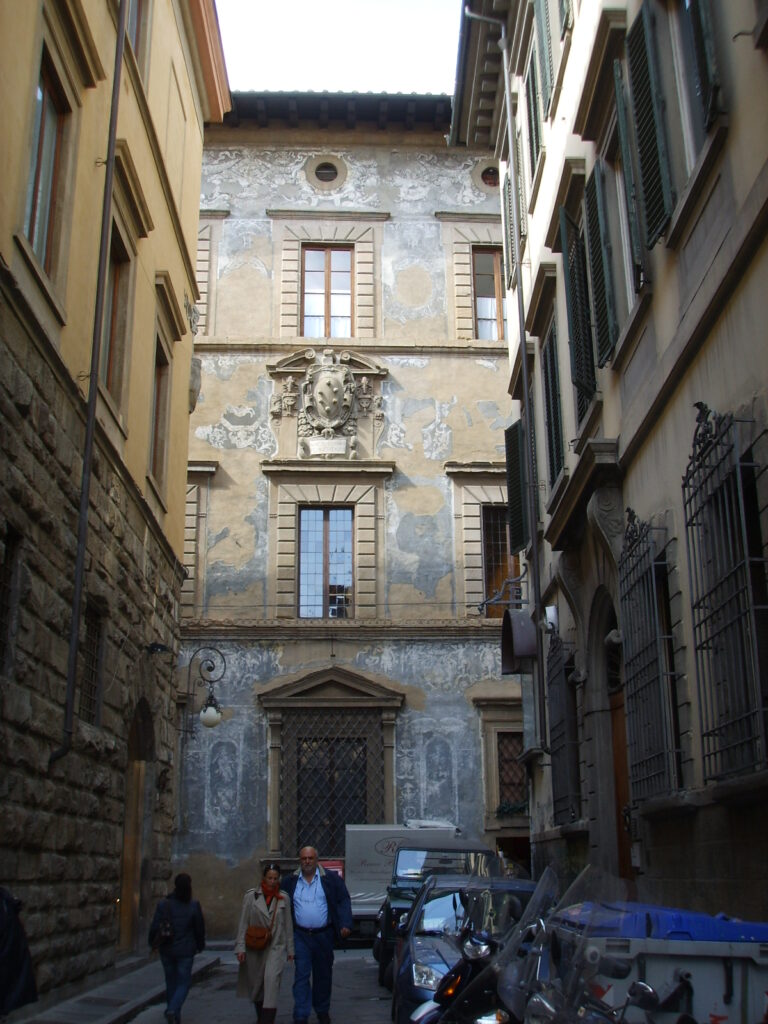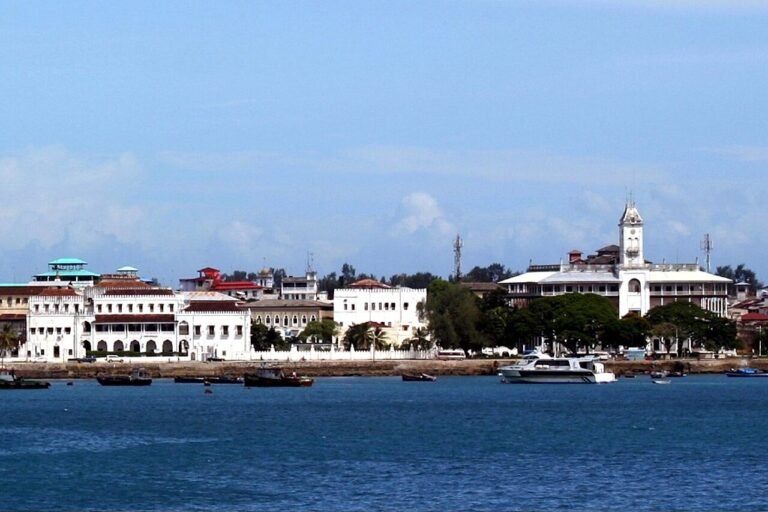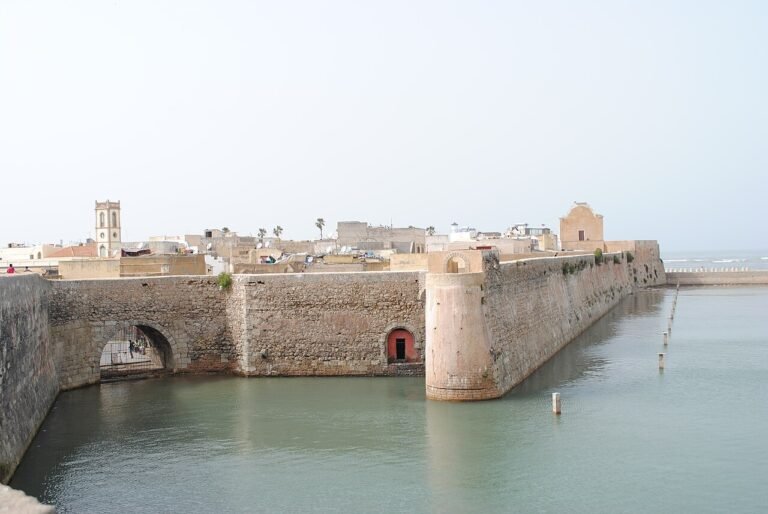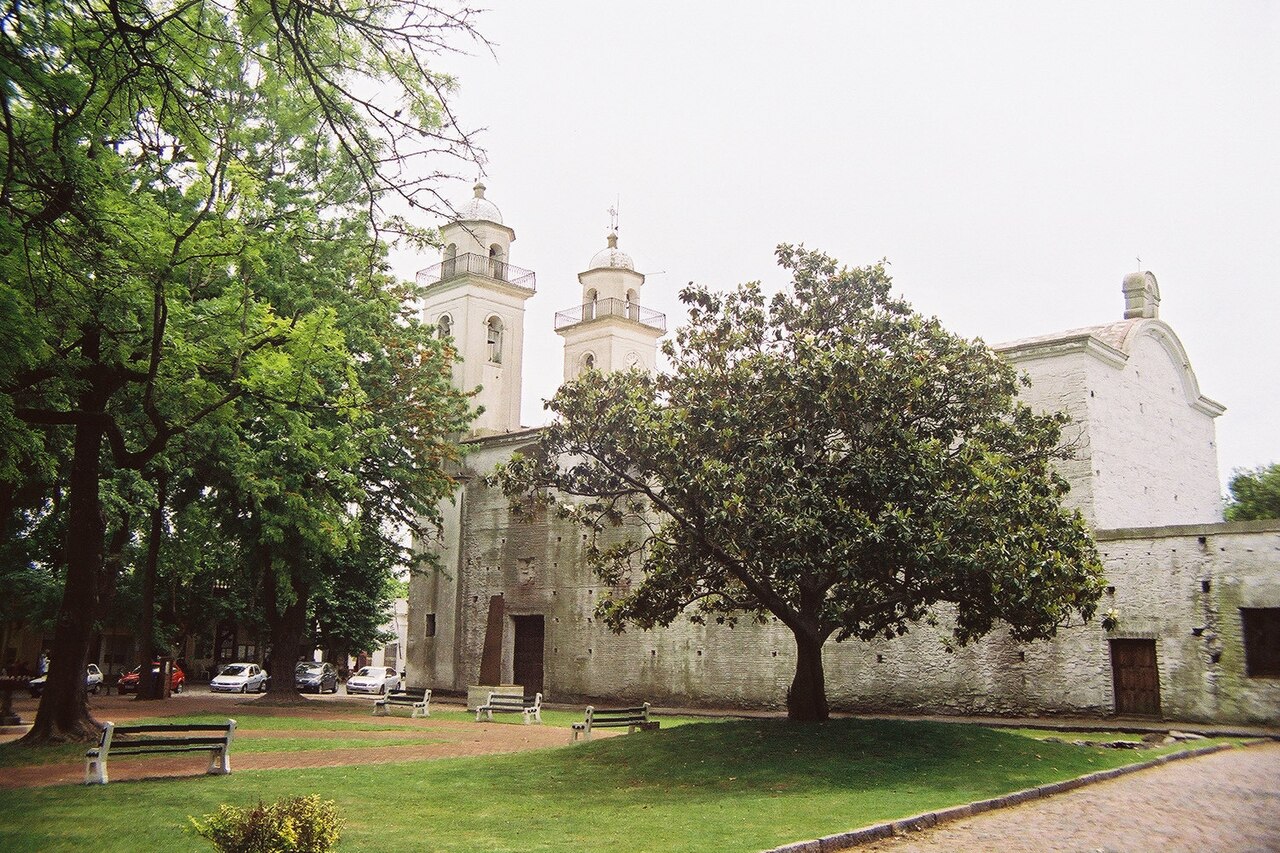
The Historic Quarter of the City of Colonia del Sacramento, inscribed in 1995, is the smallest and most perfectly preserved Spanish-Portuguese colonial heritage town in South America — a Uruguayan city of extraordinary historical complexity founded by Portugal in 1680 on the Río de la Plata directly opposite Buenos Aires as a deliberate challenge to Spanish supremacy in the River Plate estuary, repeatedly conquered and reconquered, and today one of the most visited heritage day-trips in South America: 45 minutes by ferry from Buenos Aires.
Colonia del Sacramento: The Portuguese City in the Rio de la Plata Colonia Department, southwestern Uruguay, Río de la Plata, 45 min from Buenos Aires by ferry
The Historic Quarter of the City of Colonia del Sacramento (inscribed in 1995 under criteria (iv)) is a small walled colonial town of approximately 0.2 km² on a peninsula in the Río de la Plata, 45 kilometres from Buenos Aires across the estuary. Founded by the Portuguese governor of Brazil, Manuel Lobo, in 1680 CE as Nova Colônia do Santíssimo Sacramento (New Colony of the Most Holy Sacrament) — a deliberately provocative settlement placed at the narrowest point of the Río de la Plata estuary, directly opposite the Spanish colonial capital of Buenos Aires, to challenge Spanish control of the River Plate trade — the city was the most contested colonial settlement in South America for over a century, changing hands between Portugal and Spain eight times between 1680 and 1777 (when Spain finally annexed it definitively). The physical result of this Portuguese-Spanish contestation is unique in the Americas: the historic quarter preserves an extraordinary mix of Portuguese and Spanish colonial architectural traditions within a few blocks, with Portuguese cobblestone streets (calçada portuguesa), Portuguese Baroque religious architecture (the Basilica del Santísimo Sacramento, originally built 1680, rebuilt 1808), Spanish colonial fortifications (the defensive walls, the Puerta de la Ciudadela gate), and the ruins of the 17th-century convent whose tower was incorporated into the 1857 CE lighthouse. The historic quarter’s primary characteristic is its physical completeness (the Portuguese colonial grid survives essentially intact) and its patina of age and picturesque decay that gives it a quality unlike any other colonial town in South America.
The 1680 Contested Foundation and the Eight Sieges Historic Quarter, Colonia del Sacramento
The founding of Colonia del Sacramento by Portugal in 1680 CE was immediately challenged by the Spanish: within two months of the Portuguese founding, a Spanish force from Buenos Aires besieged the settlement and captured it (1680); Portugal regained it through the Treaty of Lisbon (1681); Spain reconquered it in 1705; Portugal regained it in 1715 (Treaty of Utrecht); Spain re-captured it in 1762 (during the Seven Years’ War); Portugal recovered it in 1763 (Treaty of Paris); Spain besieged and captured it definitively in 1777 — the eight-siege sequence reflects the strategic importance of the settlement as a smuggling port (the Portuguese used Colonia as a base for illegal trade into the Spanish colonial market, bypassing the Spanish mercantilist trade monopoly) and as a symbol of Portuguese territorial claims in South America. The settlement’s unique position as a Portuguese enclave in Spanish South America for 97 years (1680–1777) explains the unusual blend of architectural traditions: the street grid and cobblestoning follow Portuguese colonial practice (calçada portuguesa, with black and white patterned stone pavements), while the defensive walls were repeatedly rebuilt in both Portuguese and Spanish styles as each conquering power reinforced them. The city became part of Uruguay when the Banda Oriental declared independence from Brazil in 1825 CE.
Practical information
Colonia del Sacramento is 45 minutes by high-speed ferry from Buenos Aires (Buenos Aires’s Buquebus terminal at the Puerto Madero docks; ferries operate approximately every 2 hours daily; tickets approximately USD 50–80 return). The historic quarter (Barrio Histórico) is approximately 0.2 km² and entirely walkable in 2–3 hours. The principal sites are the Basilica del Santísimo Sacramento, the Ruinas del Convento de San Francisco and lighthouse, the Puerta de la Ciudadela (the surviving colonial gate), the Calle de los Suspiros (the most photogenic cobblestone alley), and the Municipal Museum of Colonia. Colonia has no international airport; visitors approach from Montevideo (2 hours by bus) or Buenos Aires (45 min by ferry). The best season is March–May and September–November (pleasant temperatures, fewer tourists). Note: Uruguayan pesos are the local currency; euros and dollars are not generally accepted outside hotels.
Frequently Asked Questions
Is Colonia del Sacramento a UNESCO World Heritage Site?
Yes. The Historic Quarter of the City of Colonia del Sacramento was inscribed in 1995 under criterion (iv). Uruguay has 1 UNESCO World Heritage Site (Colonia del Sacramento alone). Uruguay is one of the smallest countries in South America and has fewer UNESCO Sites than any of its neighbours (Argentina has 12, Brazil has 23, Chile has 7); the single inscription is the entire country’s UNESCO heritage designation. Uruguay’s nomination of Colonia was specifically framed around the Outstanding Universal Value of the unique Portuguese-Spanish urban heritage fusion and the documentary value of the site for understanding the colonial history of the River Plate region.
What is the calçada portuguesa and why is it used in Colonia?
Calçada portuguesa (Portuguese cobblestone) is the traditional paving technique of Portugal and its colonies — a mosaic of small, hand-cut cubes of black basalt and white limestone arranged in geometric patterns (waves, stars, or abstract designs) that pave streets, squares, and public spaces. The technique was developed in Lisbon in the 19th century (the first calçada portuguesa in the current style was installed in the São Jorge Castle hill in Lisbon in 1842 under the direction of Lt. Eusébio Furtado) but its origins trace to Roman-era cobblestone paving; the Portuguese colonial administration applied the technique to its settlements throughout the Atlantic and Indian Ocean worlds. In Colonia del Sacramento, the calçada portuguesa paving of the Calle de los Suspiros and other colonial streets is the most immediately recognizable evidence of the city’s Portuguese colonial origin, distinguishing it visually from Spanish colonial cobblestone streets (which typically use larger, more irregular stones). The maintenance of the calçada portuguesa paving in Colonia is a significant element of the heritage management plan — the black and white patterned stones must be individually hand-repaired when damaged, a labour-intensive traditional craft that is being maintained specifically for heritage purposes.
Why is Colonia called the most contested colonial city in the Americas?
Colonia del Sacramento changed sovereignty between Portugal and Spain eight times between 1680 and 1777 CE — a frequency of conquest and reconquest unmatched by any other colonial settlement in the Americas. The reason is strategic: the city sits at the narrowest point of the Río de la Plata estuary (approximately 45 km wide at this point, compared to 220 km at its mouth), and whoever controlled Colonia could theoretically monitor and tax the entire maritime trade of the River Plate region — including the access to Buenos Aires, Montevideo, and the overland routes to Paraguay, Bolivia, and Peru. The Portuguese used Colonia as a smuggling port to bypass the Spanish mercantilist system (under which all trade with Spanish South America was supposed to flow through Seville and licensed colonial ports like Buenos Aires); British, Dutch, and French goods entered the Spanish colonial market through Colonia without paying Spanish customs duties. The Spanish besieged and conquered Colonia repeatedly precisely because its existence undermined the Spanish colonial trade monopoly; the Portuguese defended it because the smuggling revenues were more valuable than the city’s tiny agricultural hinterland. The final Spanish conquest of 1777 (which ended the Portuguese period permanently) was part of the broader reorganization of South American colonial boundaries under the Treaty of San Ildefonso (1777), which settled the Spain-Portugal boundary in South America that forms the basis of the current Uruguay-Brazil border.
Sources
- S1 — Assunção, Fernando O. Colonia del Sacramento: 1680-1828. Ediciones de la Banda Oriental, 1987. ISBN 978-9974-1-0112-8.
- S2 — Boxer, Charles R. The Golden Age of Brazil: 1695-1750. University of California Press, 1962. ISBN 978-0-520-01550-0.
Spotted an error? Write to editorial@culturalheritageonline.com and we correct it the same day.