Cultural Heritage Online
The editorial desk

Cultural Heritage Online

Contributions: 833 articles · 15,412 heritage places · 167 events · 50 itineraries · 4 road-books · 16,129 photographs

Author name: Cultural Heritage Online

UNESCO World Heritage Sites Near Sulaiman-Too: Central Asia’s Sacred Mountain in Osh, Babur’s Mosque and 3,000 Years of Silk Road Pilgrimage in the Fergana Valley

UNESCO World Heritage Sites Near Sulaiman-Too: Central Asia’s Sacred Mountain in Osh, Babur’s Mosque and 3,000 Years of Silk Road Pilgrimage in the Fergana Valley

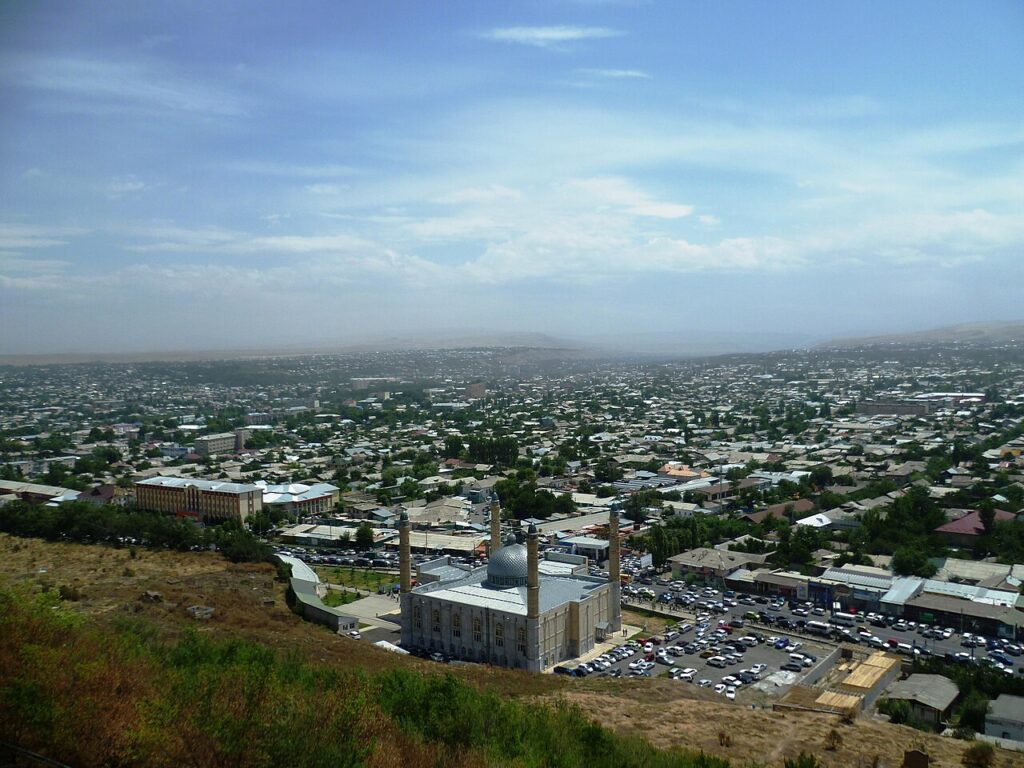
Sulaiman-Too Sacred Mountain in Osh, Kyrgyzstan, holds 17,000 petroglyphs spanning the Bronze Age to the Timurid period, 101 identified shrines, and a documented connection to the Mughal founder Babur, who built a prayer house on its slopes in 1496. UNESCO inscribed it in 2009 as the most complete example of sacred mountain worship in Central Asia.

UNESCO World Heritage Sites Near Twyfelfontein: 2,500 San Rock Engravings on Namibian Sandstone, the Lion Man Therianthrope and the Doubtful Spring

UNESCO World Heritage Sites Near Twyfelfontein: 2,500 San Rock Engravings on Namibian Sandstone, the Lion Man Therianthrope and the Doubtful Spring

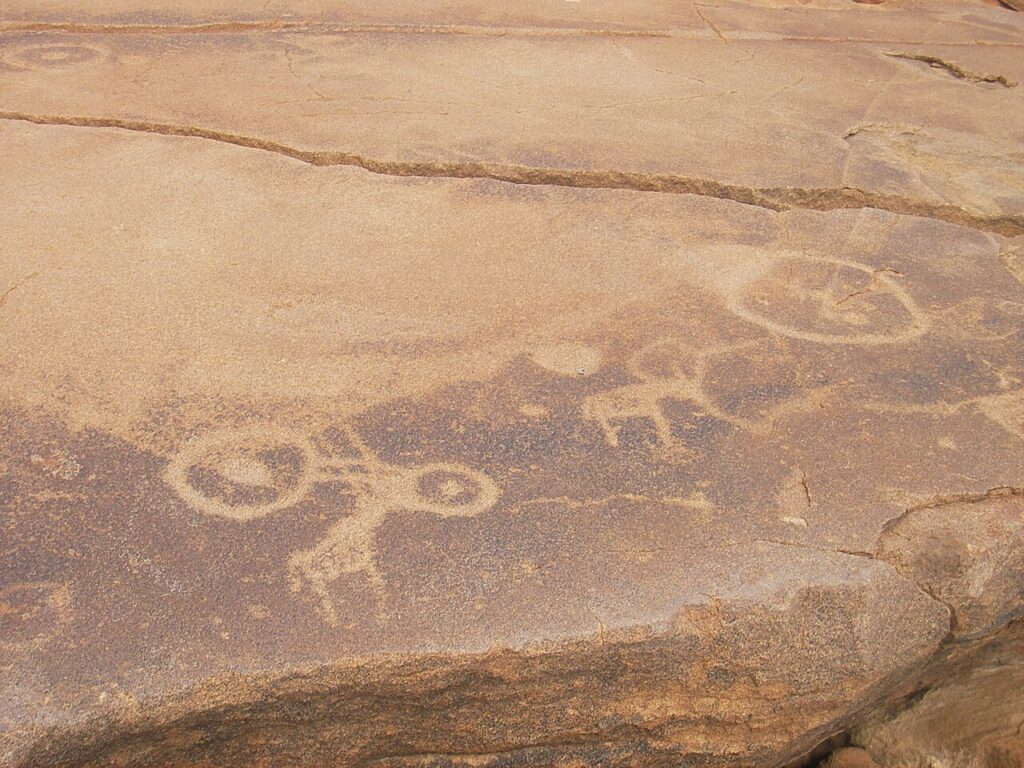
Twyfelfontein in Namibia’s Kunene Region holds at least 2,500 Stone Age rock engravings on 212 sandstone slabs — Africa’s most concentrated open-air archive of San hunter-gatherer art, including therianthropic shaman figures and a remarkable image of a seal carved 100 kilometres from the nearest coast. Namibia’s first UNESCO World Heritage Site, inscribed in 2007, it lies approximately 450 km northwest of Windhoek and can only be visited with a licensed guide.

Kizhi Pogost on Kizhi Island, Lake Onega, Russia — the 22-domed Church of the Transfiguration (1714) and the 9-domed Church of the Intercession, built without iron nails

UNESCO World Heritage Sites Near Kizhi Pogost: The 22-Domed Church Built Without Iron Nails in 1714 and Karelia’s Lake Onega Wooden Architecture

Kizhi Pogost on Kizhi Island, Lake Onega, preserves two extraordinary 18th-century wooden churches — the 22-domed Church of the Transfiguration (1714) and the 9-domed Church of the Intercession — built without iron nails using the interlocking log-joinery techniques of Karelia, now the centrepiece of an 89-building open-air museum of Russian northern wooden architecture.

Scroll to Top