Cultural Heritage Online
The editorial desk

Cultural Heritage Online

Contributions: 833 articles · 15,412 heritage places · 167 events · 50 itineraries · 4 road-books · 16,129 photographs

Author name: Cultural Heritage Online

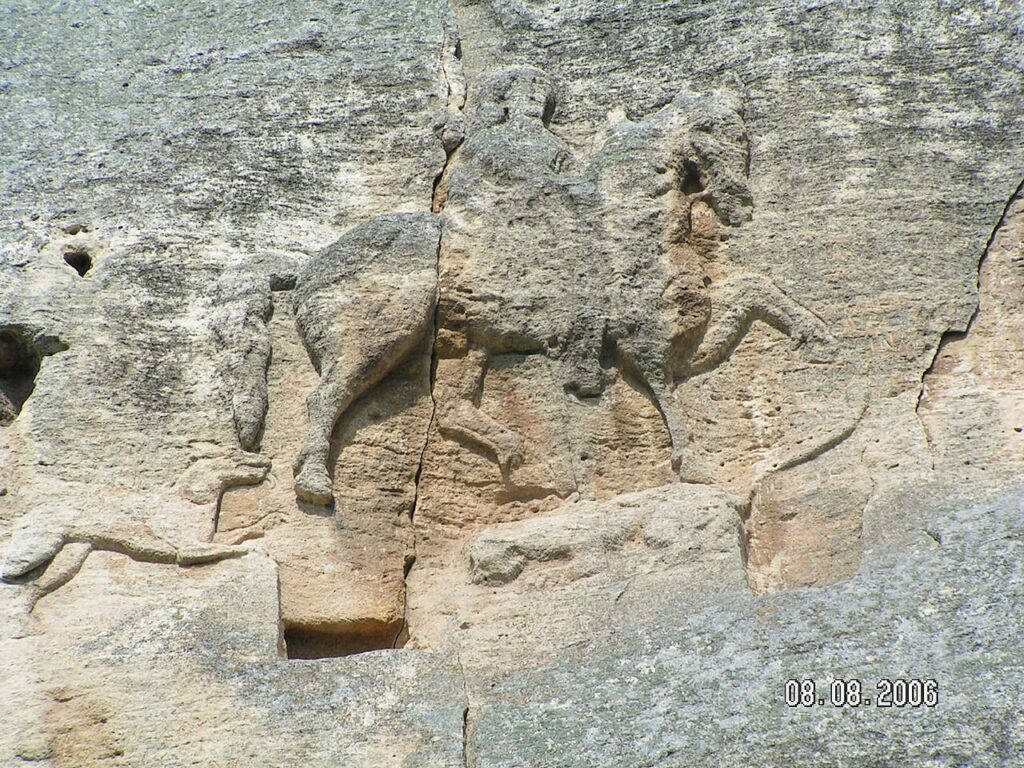
UNESCO World Heritage Sites Near the Madara Rider: Bulgaria’s 8th-Century Cliff Horseman, the Greek Inscriptions That Chronicled Three Khans and a Thracian Plateau Above the Black Sea Plain

UNESCO World Heritage Sites Near the Madara Rider: Bulgaria’s 8th-Century Cliff Horseman, the Greek Inscriptions That Chronicled Three Khans and a Thracian Plateau Above the Black Sea Plain

The Madara Rider, a 23-metre bas-relief carved into a northeastern Bulgarian limestone cliff around 705–710 CE by Khan Tervel of the First Bulgarian Empire, is UNESCO-listed since 1979 and unique in Europe as a large-scale medieval rock monument — flanked by Greek inscriptions from three successive Bulgarian khans spanning 705 to 822 CE.
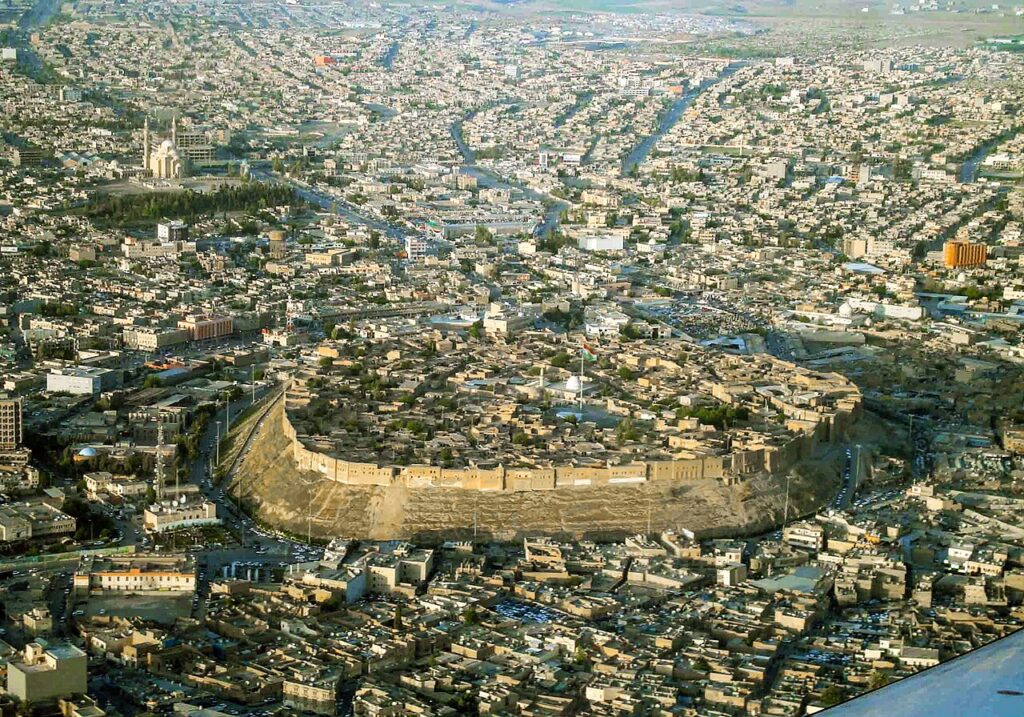
UNESCO World Heritage Sites Near the Citadel of Erbil: The 6,000-Year Tell That May Be the Oldest Inhabited Place on Earth, the Zengid Minaret and Iraqi Kurdistan’s Capital City

UNESCO World Heritage Sites Near the Citadel of Erbil: The 6,000-Year Tell That May Be the Oldest Inhabited Place on Earth, the Zengid Minaret and Iraqi Kurdistan’s Capital City

The Citadel of Erbil — UNESCO-listed since 2014 — rises on a 6,000-to-8,000-year-old archaeological tell at the centre of the Kurdistan Region of Iraq’s capital city, surrounded by active bazaars and housing the Textile Museum, Hammam Museum, and the 12th-century Mudhafaria Minaret below its walls.

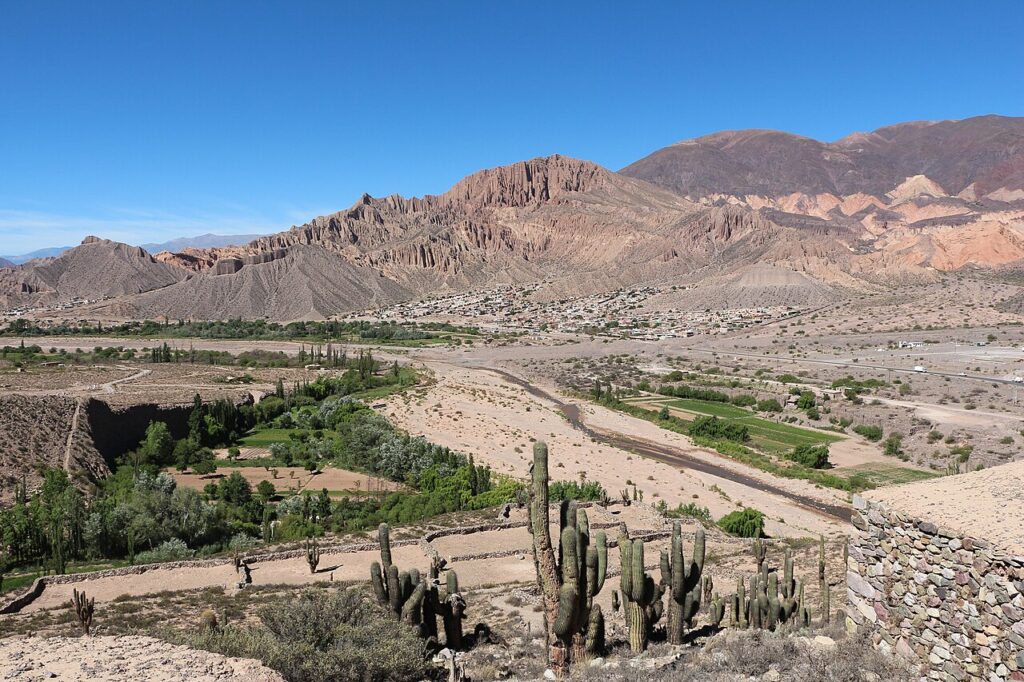
UNESCO World Heritage Sites Near the Quebrada de Humahuaca: The 155-Kilometre Andean Canyon Inhabited for 10,000 Years, the Angel Soldiers of Uquía and the Hill of Seven Colours

UNESCO World Heritage Sites Near the Quebrada de Humahuaca: The 155-Kilometre Andean Canyon Inhabited for 10,000 Years, the Angel Soldiers of Uquía and the Hill of Seven Colours

The Quebrada de Humahuaca is a 155-kilometre Andean canyon in Jujuy Province, Argentina, continuously inhabited for 10,000 years and UNESCO-listed since 2003 for its mixed cultural and natural values — from the pre-Columbian Pucará de Tilcara and the unique angel soldier paintings of Uquía to the minerally-striated Hill of Seven Colours near Purmamarca.

UNESCO World Heritage Sites Near Old Québec City: The Only Walled City in North America, the 15-Minute Battle of 1759 and Château Frontenac on the Cape Diamant Cliff

UNESCO World Heritage Sites Near Old Québec City: The Only Walled City in North America, the 15-Minute Battle of 1759 and Château Frontenac on the Cape Diamant Cliff

Old Québec, founded by France in 1608 and inscribed as a UNESCO World Heritage Site in 1985, is the only walled city remaining in North America north of Mexico — its two quarters straddling a cliff above the Saint Lawrence preserve 17th-century merchants’ stone houses, the oldest stone church on the continent, the site of the 1759 battle that transferred French Canada to British rule, and the iconic Château Frontenac. It lies 250 km northeast of Montréal, 3 hours 20 minutes by train.

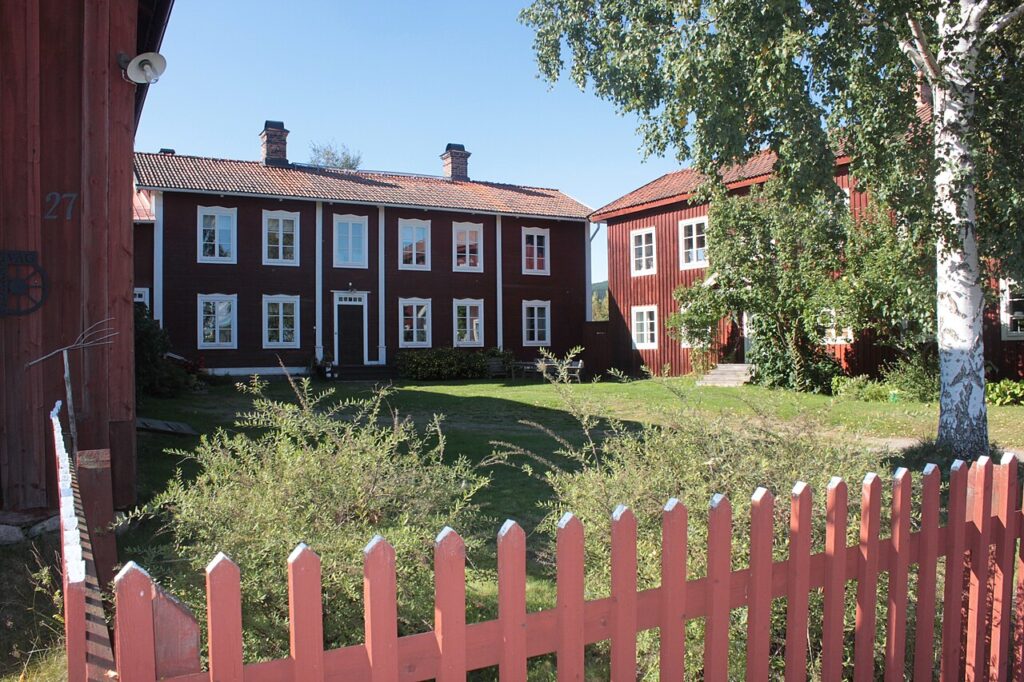
UNESCO World Heritage Sites Near the Decorated Farmhouses of Hälsingland: Seven Swedish Linen-Farmers’ Painted Rooms Used Only for Weddings and Funerals

UNESCO World Heritage Sites Near the Decorated Farmhouses of Hälsingland: Seven Swedish Linen-Farmers’ Painted Rooms Used Only for Weddings and Funerals

Seven wooden farmhouses in Hälsingland, central Sweden, preserve the world’s finest collection of rural painted interiors from the 19th century — locked “best rooms” commissioned by prosperous linen-farming families and used only for weddings, funerals and Christmas, several of which were covered by wallpaper and only rediscovered in the 20th century. UNESCO inscribed the Decorated Farmhouses of Hälsingland in 2012.

Scroll to Top