
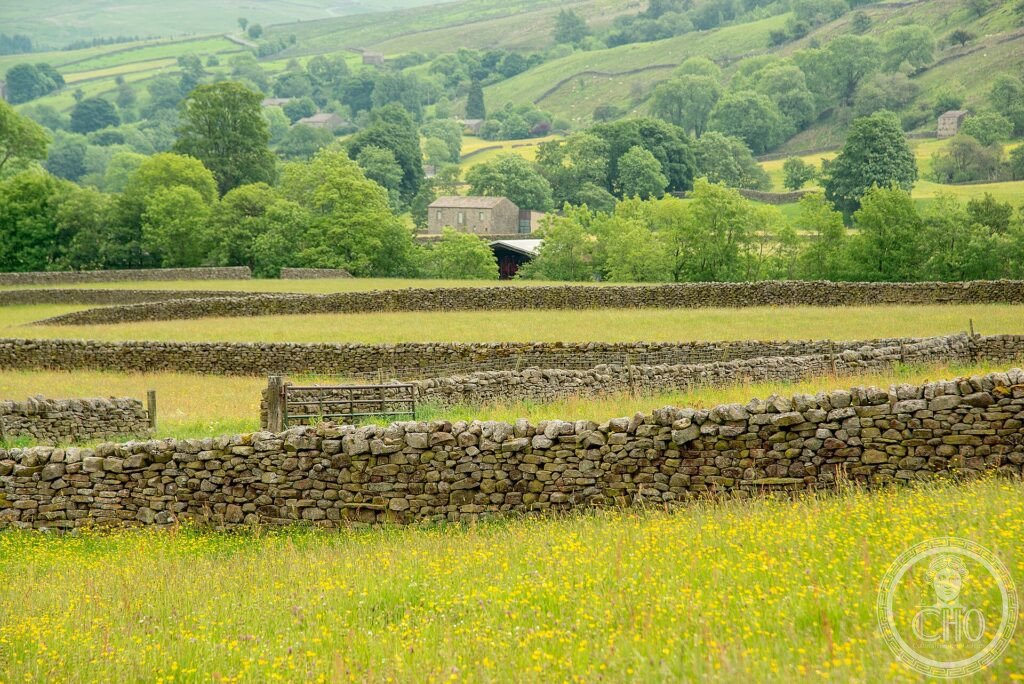
The craft of building with stone and no mortar, binding rocks through careful selection and interlocking—a technique that has shaped the landscapes of southern Europe for centuries.
In UNESCO’s words
The art of dry stone construction refers to the practice of building with stone without using binding material. Practised in various countries in Europe, it requires an innate understanding of geometry and physics, as well as skills to handle the raw materials used. Dry stone construction is achieved through the careful selection and arrangement of stones to ensure the long-term stability of the structure and its adaptation to the local terrain and climate. Structures include houses, bridges, piers, arches, tombs, sheds, paths, vaulted cellars, beehive huts, religious structures and fortifications. An inherently social practice, dry stone construction promotes social cohesion through collaboration and the transmission of the related techniques and knowledge to future generations. To the communities involved, dry stone structures are sources of pride and identifying factors given the structures’ distinct visual impact on local landscapes. By its very nature, the art of dry stone construction encourages dialogue as communities work together to build, maintain and restore structures of widely ranging sizes and weights. The practice also fosters mutual respect for cultural diversity through collaboration at local, regional, national and international levels, as practitioners from different regions and countries travel to work together and learn from each other.
Official description, UNESCO Intangible Cultural Heritage List — Art of dry stone construction, knowledge and techniques
At a glance
Dry stone construction is the art of building structures from carefully selected and arranged stones without any binding material. The practice relies on an understanding of geometry and physics to create stable structures that adapt to local terrain and climate. Practitioners across Europe build a wide range of structures, from houses and bridges to paths, tombs, and fortifications.
Origins & history
Dry stone construction emerged as a pragmatic solution in regions where lime mortar was scarce or expensive. The method differs deliberately from ancient monumental traditions—Greek temples and Inca architecture also used precisely shaped stone without mortar, but dry stone walling evolved as a vernacular craft tied to field boundaries, churchyards, and agricultural terraces. Over generations, practitioners refined their knowledge of stone selection, weight distribution, and interlocking geometry until the technique became a sophisticated art form.
The practice
Dry stone construction is achieved through careful selection and arrangement of stones to ensure long-term stability. Practitioners work collaboratively to build, maintain, and restore structures of varying sizes and weights. The practice is inherently social, promoting cooperation as communities and practitioners from different regions work together, learning techniques and knowledge from one another.
Cultural significance
Dry stone structures serve as sources of pride and identity to the communities that build them, shaping local landscapes with their distinct visual impact. The practice strengthens social cohesion through collaboration and the transmission of techniques and knowledge to future generations. By bringing practitioners together across local, regional, national, and international levels, dry stone construction fosters mutual respect for cultural diversity.
Key facts
- Country: Croatia, Cyprus, France, Greece, Italy, Slovenia, Spain, Switzerland, Andorra, Austria, Belgium, Ireland, Luxembourg
- Inscribed: 2024
- UNESCO list: Representative List of the Intangible Cultural Heritage of Humanity
- UNESCO reference: 02106
- UNESCO vocabulary: Building stones; Landscape design; Technical skills
- Map: not shown — UNESCO’s official description of this element names no locality, and a living tradition is practised across a community, not at one address.
Where to experience it
Dry stone construction is practised across various European communities, where visitors can encounter this ancient craft in the landscapes shaped by it. Stone structures—from agricultural terraces and house walls to bridges and fortifications—define the countryside, with many dating back centuries and remaining in active use today. Travellers can walk these landscapes and observe both historic walls and contemporary craftspeople maintaining or rebuilding them. Workshops, festivals, and collaborative restoration projects organised by heritage groups at local and regional levels offer opportunities to learn directly from practitioners and understand how communities work together to preserve these structures that are sources of pride and identity.
Sources & resources
- UNESCO — official element page: Art of dry stone construction, knowledge and techniques
- UNESCO — open data record: Intangible Heritage List, reference 02106
- UNESCO — official video: UNESCO film on this element — embedded on this page
- UNESCO — official photograph: Dry stone professionals work together with archaeologists at the Farga del Madriu archaeological site, a modern era forge in the Madriu-Parafita-Claror valley, Andorra — Àlex Tena, 2022
- Reference — Wikipedia (secondary): Dry stone — consulted as a secondary reference, not as confirmation
- Cultural Heritage Online: Our archive and city guides

Sources
- S1 — Brooks, Alan, and Sean Adcock. Dry Stone Walling: A Practical Handbook. British Trust for Conservation Volunteers, 1999. ISBN 978-0-946752-19-5.
- S2 — Ambrosi, Angelo. Architettura in pietra a secco. Schena Editore, 1990. ISBN 978-88-7514-414-2.
Spotted an error? Write to editorial@culturalheritageonline.com and we correct it the same day.