
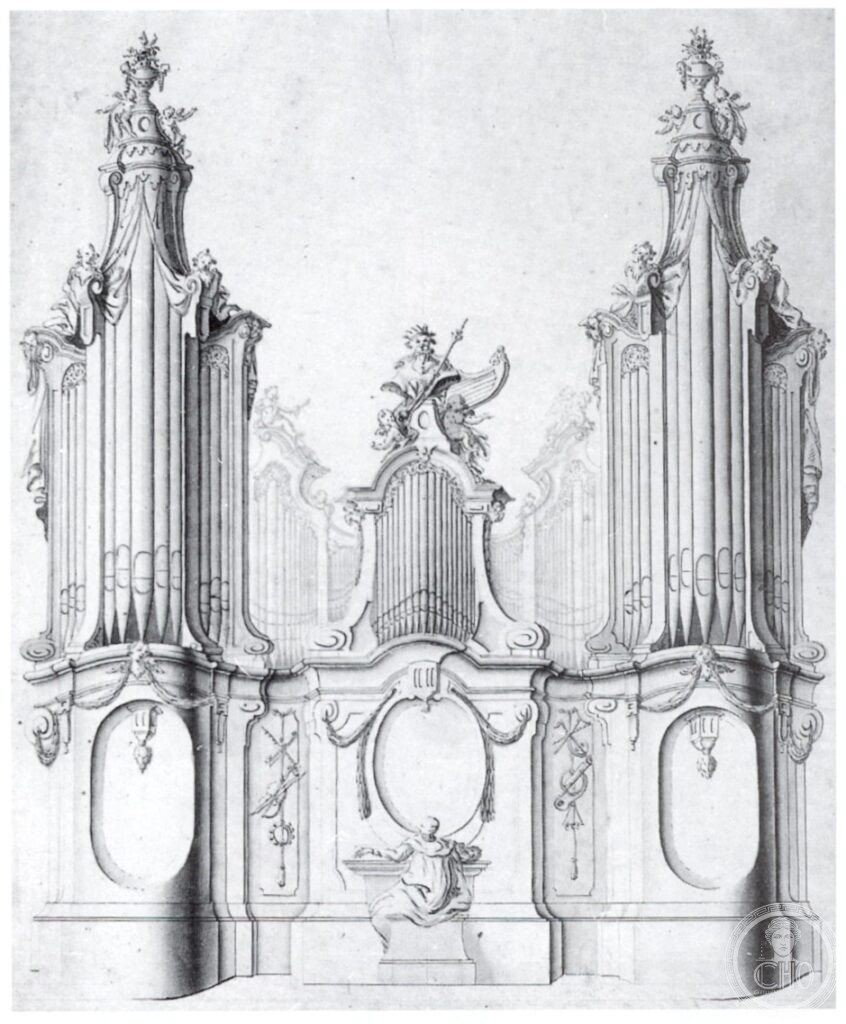
The art of designing, building, restoring and maintaining pipe organs—a profession requiring mastery of acoustics, mechanics, woodwork, metalwork and voicing.
At a glance
Organ craftsmanship is a regulated handwork profession in Germany, Switzerland and Norway. Master builders receive commissions to design instruments tailored to specific spaces and acoustic requirements, then oversee every stage from conception through final tuning and lifelong maintenance.
Origins & history
The practice emerged as pipe organs became central to European church music and concert halls. In countries including Germany, Switzerland and Norway, organ building remains a recognized and regulated profession, transmitting centuries of technical knowledge through apprenticeship and specialization.
The practice
An organ builder begins with a commission specifying the instrument’s disposition—its stops, manuals and mechanical actions—and designs a solution that responds to the building’s spatial acoustics and technical constraints. The workshop employs specialists in pipes, actions and wooden cabinetry; some tasks, such as metal casting and pipe manufacture, are delegated to outside firms.
Construction involves intimate knowledge of pipe scaling, wood selection, metalwork, felt and leather components, and mechanical or electronic actions. Once parts are manufactured, pipes undergo pre-tuning and voicing—shaping their sound and pitch—before the organ is assembled in the workshop, then dismantled and reassembled on-site for final adjustments.
Organ builders provide continuous stewardship: regular maintenance, pipe adjustment, action repair, and restoration work that may span decades. A full overhaul involves complete disassembly, thorough cleaning, and rebuilding. Older instruments may be restored to historical specifications using period materials and techniques, with damaged or missing parts faithfully recreated.
Cultural significance
Organ craftsmanship embodies the intersection of mathematics, engineering, aesthetics and music. Each instrument is a unique response to its building and community, requiring builders to balance technical precision with artistic sensitivity. The profession preserves centuries of accumulated craft knowledge while adapting to contemporary materials and acoustic science.
Key facts
- Countries: Germany, Switzerland, Norway
- Anchor community: Dresden, Germany
- UNESCO Intangible Cultural Heritage (2019)
- Reference number: 01277
- Status: Regulated handwork profession in Germany, Switzerland and Norway
Where to experience it
Dresden and its surrounding region in Germany remain the heartland of contemporary organ craftsmanship. Visitors may observe active workshops and completed instruments in churches and concert halls throughout the city, though advance arrangements are typically necessary to witness builders at work.
Sources & resources
- Organ building – Wikipedia
- Organ craftsmanship and music – UNESCO Intangible Cultural Heritage
- Cultural Heritage Online
Find it on the map
See this place and what’s around it →📷 Become a Cultural Heritage Online photographer
Share your photos of places: they stay published under your name as the author. The more they're seen, the more you get noticed — and soon a contest will reward the most appreciated photos.
Log in or sign up free to add a photo