
Overview & Significance
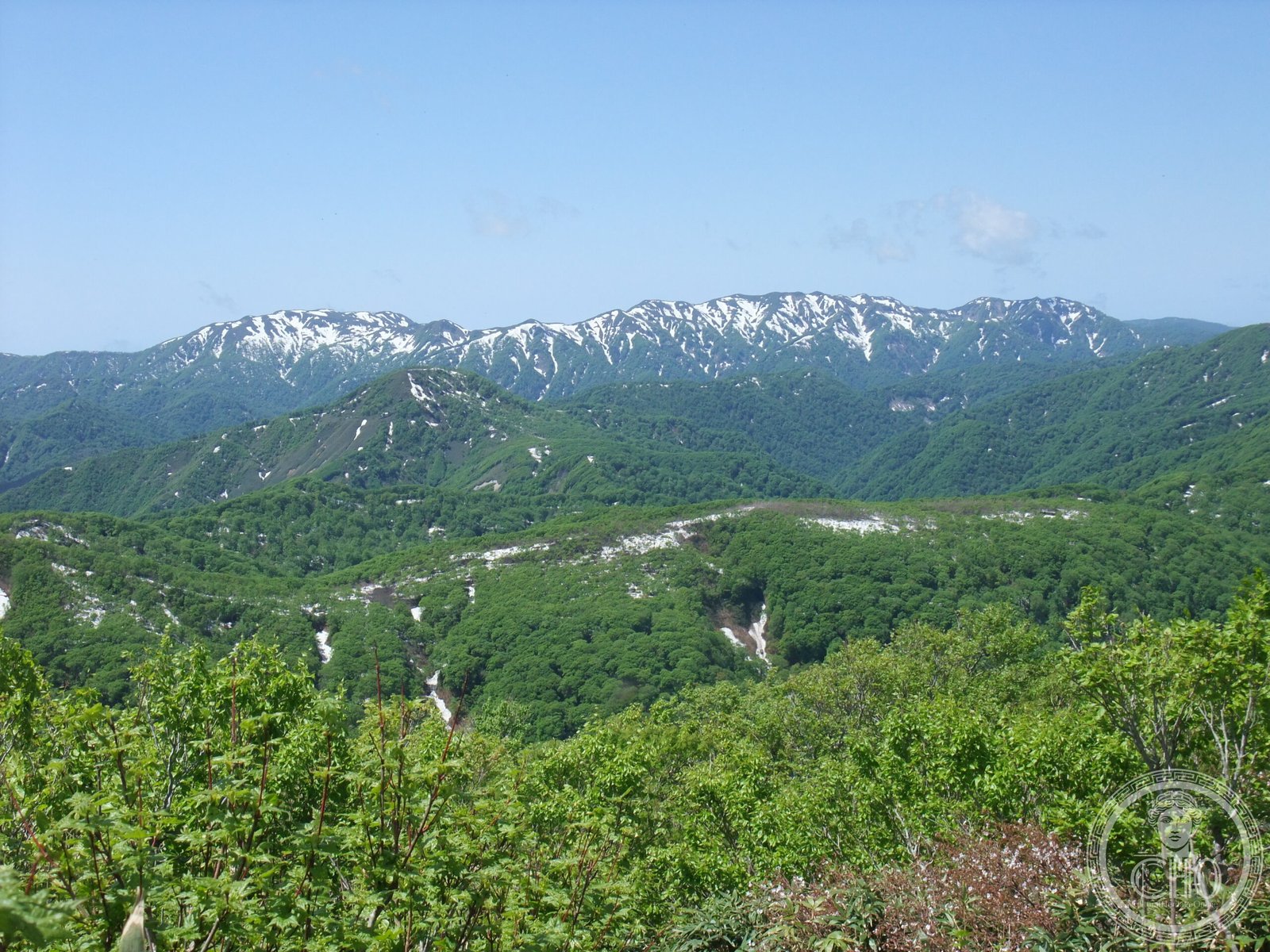
On the mountainous border between Aomori and Akita prefectures in northern Honshu, the Shirakami-Sanchi mountain range conceals a forest that has never been logged, farmed, or permanently settled. Its core zone of 16,971 hectares represents the largest surviving tract of virgin Siebold’s beech (Fagus crenata) temperate forest in East Asia — trees that have occupied these slopes uninterrupted since the end of the last ice age, some 8,000 years ago. This primordial quality, combined with the cultural traditions it has sustained, made it one of Japan’s first two UNESCO World Heritage natural sites (inscribed 1993).
Historical Background
Shirakami-Sanchi’s survival as primary forest is largely a consequence of its extreme terrain. The mountains rise sharply to peaks above 1,200 metres, their slopes cut by deep ravines and draped in some of the heaviest snowfall in Japan. Pre-modern logging technology could not penetrate these conditions economically, leaving the beech forest intact while the surrounding lowlands were cleared. In the postwar decades, plans for road construction and commercial forestry in the area were actively resisted by local conservation advocates and the Matagi hunter communities, whose lobbying contributed to the site’s eventual national protection and UNESCO designation.
Key Features & Nature
Shirakami-Sanchi receives some of the heaviest snowfall in Japan, with accumulations of 2 to 3 metres common in winter. The beeches have adapted by growing with distinctive sinuous trunks that flex under the snow load rather than breaking, creating an otherworldly silhouette. The forest floor — undisturbed by centuries of human management — supports a dense understory of ferns, mosses, and rare flowering plants that thrive only in old-growth conditions. The Anmon River’s series of waterfalls, carved through granite within the forest, is the site’s most iconic natural feature and the most accessible to visitors.
Cultural or Ecological Importance
The forest shelters Japanese black bear (Ursus thibetanus japonicus), Japanese serow (Capricornis crispus), golden eagle, and the Eurasian black woodpecker. These animals share the landscape with the Matagi, a community of traditional mountain hunters in Akita prefecture whose seasonal practices of bear hunting, sustainable foraging, and deep ecological knowledge have co-evolved with the forest for at least a millennium. The Matagi’s oral literature, dietary customs, and ritual practices centred on the mountains represent an intangible cultural heritage increasingly recognised as integral to Shirakami-Sanchi’s conservation identity.
UNESCO Inscription Criteria
Shirakami-Sanchi was inscribed in 1993 under natural criterion (ix), recognising the forest as an outstanding example of ongoing ecological processes and, specifically, as representing the most significant remaining example of the cool-temperate beech forest that once covered much of northern Japan and the Korean peninsula before large-scale human settlement. UNESCO noted the forest’s role as a refuge for species eliminated elsewhere in the region and as a living laboratory for understanding temperate forest succession dynamics in near-pristine conditions.
Visitor Experience
The core zone of Shirakami-Sanchi is closed to visitors to protect its integrity — an unusual but effective conservation measure that keeps the forest’s ecological processes undisturbed. The surrounding buffer zone offers well-maintained hiking trails that provide genuine immersion in beech forest without entering the most sensitive areas. Autumn (mid-October to early November) brings spectacular foliage — the amber and crimson canopy of Siebold’s beech ranks among the finest koyo (autumn colour) spectacles in Japan. The Anmon Waterfalls trail (approximately 6 km return) is the most popular and rewarding accessible walk.
Getting There & Practical Info
The main entry points are Nishimeya village on the Aomori (north) side and Fujisato on the Akita (south) side. From the Aomori side, the gateway city is Hirosaki (served by Shinkansen connection to Shin-Aomori station), from which local buses reach Nishimeya in about 90 minutes. Rental cars are strongly recommended as public transport into the forest is infrequent. The best season for hiking is June–October; the forest is heavily snow-covered and trails impassable from November to May. Visitor centres in both Nishimeya and Fujisato provide trail maps and natural history interpretation.
Nearby Attractions & Context
Hirosaki, 30 km east of the forest, is one of Tohoku’s most rewarding castle towns, with a surviving Edo-period castle, exceptional cherry blossoms (late April), and an apple-growing heritage celebrated in local cuisine and craft. The nearby Tsugaru Peninsula offers raw Sea of Japan coastline and the Aomori Museum of Art, which houses a celebrated installation by Yoshitomo Nara. On the Akita side, the mountain onsen (hot spring) town of Nyūtō, deep in Akita’s cedar forests, combines effortlessly with a Shirakami visit for a classic northern Japan immersion itinerary. Towada-Hachimantai National Park, 80 km southeast, extends the Tohoku highland landscape into volcanic caldera and highland lakes.
Find it on the map
See this place and what’s around it →📷 Become a Cultural Heritage Online photographer
Share your photos of places: they stay published under your name as the author. The more they're seen, the more you get noticed — and soon a contest will reward the most appreciated photos.
Log in or sign up free to add a photo