
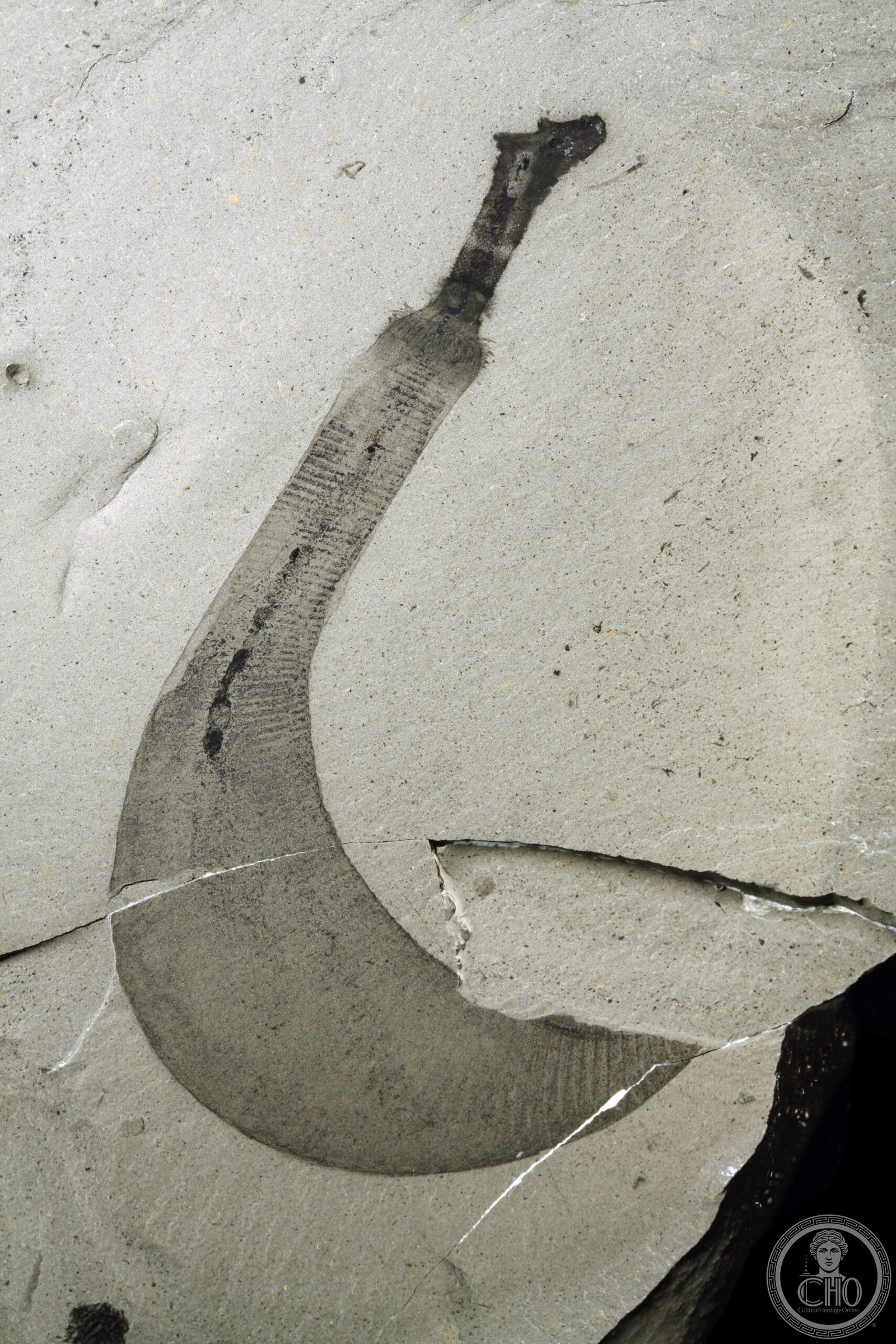
Nelle Rocky Mountains canadesi, a oltre 2.000 metri di quota, uno strato di scisto nerastro custodisce la testimonianza più completa dell’esplosione cambriana: il Burgess Shale. Depositatosi 505 milioni di anni fa sul fondale di un mare tropicale, conserva nei minimi dettagli le parti molli di creature che non avrebbero mai dovuto fossilizzarsi — vermi, artropodi, animali senza analoghi moderni. Patrimonio UNESCO dal 1981, ha rivoluzionato la comprensione delle origini del regno animale.
At a glance
The Burgess Shale is a Middle Cambrian fossil deposit located in the Yoho and Kootenay National Parks of British Columbia, Canada, at an elevation of about 2,300 metres in the Rocky Mountains. Approximately 505 million years old, it is world-famous for the exceptional preservation of soft-bodied organisms — animals that leave virtually no fossil record in normal conditions. The site contains hundreds of species of marine animals from the Cambrian explosion, including many that have no known living relatives, providing an unparalleled window into the diversity of early animal life. UNESCO inscribed it as part of the Canadian Rocky Mountain Parks in 1981.
Key facts
- UNESCO: Part of Canadian Rocky Mountain Parks World Heritage Site (ref. 133, 1981)
- Age: approximately 505 million years old — Middle Cambrian period
- Significance: exceptional preservation of soft-body Cambrian marine fauna
- Discovery: Charles Doolittle Walcott, 1909 (Smithsonian Institution)
- Famous species: Anomalocaris, Hallucigenia, Opabinia, Wiwaxia — unlike any modern animal
- Location: Yoho and Kootenay National Parks, British Columbia, at ~2,300 m elevation
History
In 1909, palaeontologist Charles Doolittle Walcott of the Smithsonian Institution discovered a layer of dark shale near Burgess Pass in the Canadian Rockies that contained perfectly preserved Cambrian marine animals. Over the next decade Walcott collected over 65,000 specimens, documenting creatures unlike anything previously known: soft-bodied animals with eyes, gills, guts and even skin impressions, preserved in a condition normally impossible in the fossil record. The exceptional preservation resulted from a specific combination of conditions — rapid burial in fine-grained sediment below an algal reef, in oxygen-poor deep water.
The full significance of Walcott’s collection was only revealed in the 1970s–80s, when Harry Whittington and his students at Cambridge University re-examined the specimens and described bizarre creatures such as Opabinia (five eyes, a grasping proboscis) and Anomalocaris (the apex predator of the Cambrian seas). Stephen Jay Gould popularised the Burgess Shale in his 1989 book “Wonderful Life,” arguing it revealed the extraordinary contingency of animal evolution. New fossil sites with similar preservation (the Chengjiang Biota in China, Sirius Passet in Greenland) have since been found, but the Burgess Shale remains the most thoroughly studied.
What you see
The Burgess Shale quarries are located above Takakkaw Falls in Yoho National Park, accessible only on guided hikes from the Parks Canada visitor centre. The quarry site itself shows dark, fine-grained shale in a dramatic alpine setting; fossil-bearing slabs are not available for collection (collecting is prohibited) but the setting gives a vivid sense of mountain geology.
The best place to see Burgess Shale fossils is the Royal Ontario Museum (Toronto) or the Smithsonian National Museum of Natural History (Washington). Parks Canada runs guided hikes to the Walcott Quarry in summer (strenuous, 8 km each way, 800 m elevation gain).
Practical information
- Guided hikes: Parks Canada organises summer hikes to the Walcott Quarry (pre-booking required; strenuous)
- Base: Field, BC (tiny village in Yoho NP) or Lake Louise, AB (40 km east)
- Best time: July–September; the quarry is snow-covered in winter and spring
- Fossils: cannot be collected or removed; visit the ROM (Toronto) or Smithsonian to see specimens
Getting there
The Burgess Shale is in Yoho National Park, accessible via the Trans-Canada Highway (Highway 1) between Banff (55 km east) and Revelstoke. The nearest town is Field, BC. Guided hikes depart from the Yoho Valley Road trailhead. GPS (Walcott Quarry): 51.43° N, 116.47° W.
Nearby
- Takakkaw Falls — one of Canada’s highest waterfalls, 6 km from Field in Yoho National Park
- Lake Louise — the iconic glacial lake in Banff National Park, 55 km east on the Trans-Canada
- Emerald Lake — a brilliant turquoise lake in Yoho, 10 km from Field
Sources
- UNESCO World Heritage Centre — “Canadian Rocky Mountain Parks” (ref. 133)
- Gould, Stephen Jay — “Wonderful Life: The Burgess Shale and the Nature of History” (1989)
- Encyclopaedia Britannica — Burgess Shale
Find it on the map
See this place and what’s around it →📷 Become a Cultural Heritage Online photographer
Share your photos of places: they stay published under your name as the author. The more they're seen, the more you get noticed — and soon a contest will reward the most appreciated photos.
Log in or sign up free to add a photo