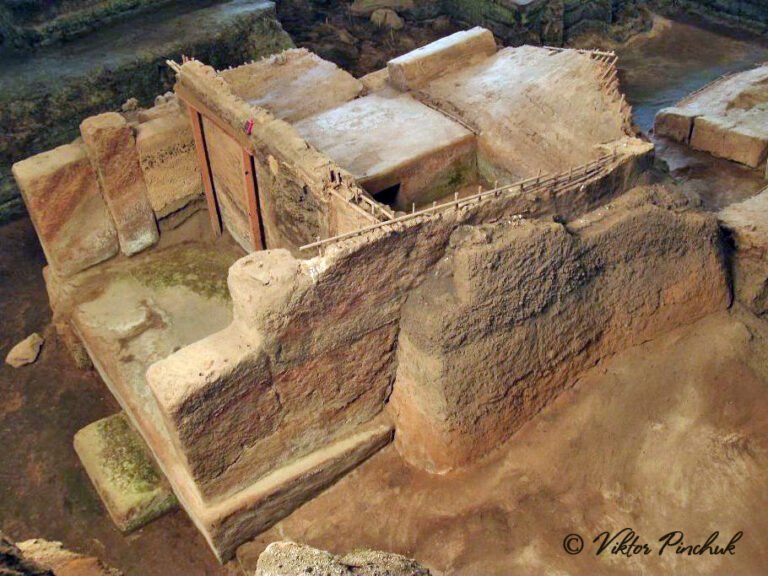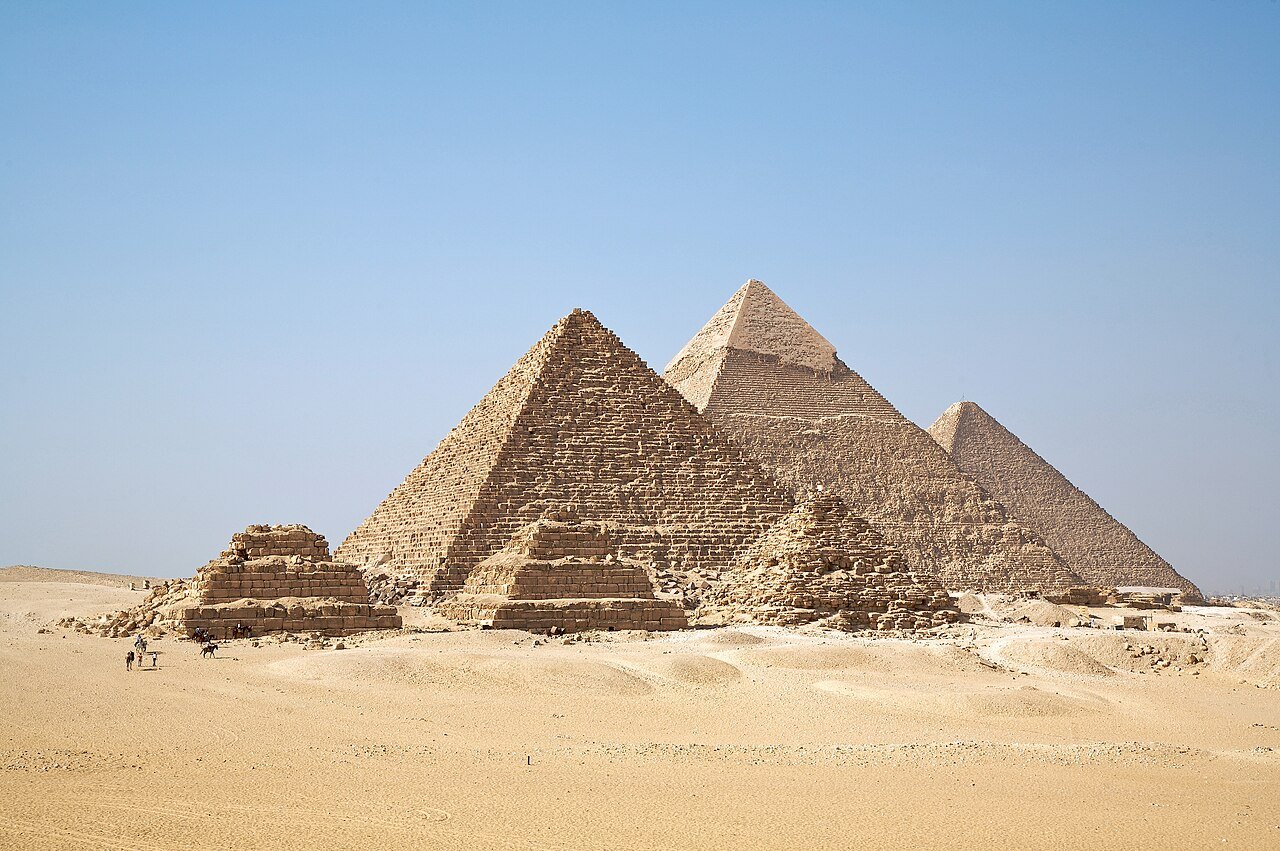
Egypt has seven UNESCO World Heritage Sites, a count that spans four millennia of pharaonic grandeur, early Christian monasticism, medieval Islamic urbanism, and one of the most remarkable fossil records on earth. From the limestone plateau at Giza to the ancient whale graveyard of the Western Desert, the list captures a civilisation that has never stopped reinventing itself. From Cultural Heritage Online.
Why Egypt’s list looks the way it does
Six of Egypt’s seven inscribed sites are classified as cultural, and the distribution reflects a particular truth about the Nile Valley: its geography has concentrated human activity — and therefore monumental heritage — along a single corridor for thousands of years. The river dictated where cities rose, where the dead were buried, and where trade and religion converged. UNESCO’s recognition of that corridor, from the Delta down to Nubia, tracks the same logic.
The lone natural site points in a different direction entirely, toward the geological deep time that predates any pharaoh. Egypt’s heritage list is therefore unusually wide in chronological reach: the oldest inscriptions document some of the earliest complex urban settlements known to archaeology, while the newest concerns the evolutionary prehistory of marine mammals. Between those poles sits more than six thousand years of continuous significance.
The first inscriptions
Egypt was among the founding wave of signatories to the World Heritage Convention, and in 1979 — at the very first session at which sites were inscribed — it received five designations at once. Few countries opened their account so comprehensively. Those five sites were:
- Memphis and its Necropolis — the ancient capital and its surrounding pyramid fields, including Giza, Saqqara, and Dahshur
- Ancient Thebes with its Necropolis — the great southern capital, encompassing Karnak, Luxor, the Valley of the Kings, and Deir el-Bahari
- Nubian Monuments from Abu Simbel to Philae — the complex of temples rescued from the rising waters of Lake Nasser
- Historic Cairo — the medieval city that became the largest urban centre in the Islamic world
- Abu Mena — the early Christian pilgrimage city built over the tomb of the martyr Menas, west of Alexandria
That 1979 cluster remains one of the most ambitious single-year inscriptions any country has achieved, a recognition of Egypt’s exceptional density of surviving monumental culture across very different historical periods.
The most visited — and the alternatives
The Pyramids of Giza, the temples of Karnak and Luxor, and the Abu Simbel rock-cut sanctuaries draw the overwhelming majority of the millions of visitors who travel to Egypt each year for its antiquities. Each of those sites appears within the 1979 inscriptions of Memphis and Thebes, meaning the country’s most photographed monuments have been recognised by UNESCO for nearly half a century.
Beyond that axis, the list holds sites that reward closer attention. The Saint Catherine Area in southern Sinai, inscribed in 2002, contains the oldest continuously functioning Christian monastery in the world — active since the sixth century, and home to one of the great collections of early Christian manuscripts and icons. Historic Cairo, inscribed alongside the pharaonic sites in 1979, encompasses over six hundred monuments from the Fatimid, Ayyubid, and Mamluk periods, making it one of the most architecturally layered medieval cities on any continent. Abu Mena, though now on the List of World Heritage in Danger due to subsidence caused by changes in agricultural irrigation, preserves the archaeological footprint of a late-antique pilgrimage city that once rivalled the great Christian centres of the Mediterranean.
Natural and shared sites
Egypt’s only natural World Heritage Site is Wadi Al-Hitan — Whale Valley — inscribed in 2005 and located in the Fayoum region of the Western Desert. The site contains an extraordinary concentration of fossil remains of early whales, ancestors of today’s cetaceans, that document the evolutionary transition from land-dwelling mammals to fully marine creatures. The fossils are exposed at the surface, undisturbed by later geological activity, and the site is considered among the most important paleontological discoveries of the twentieth century.
Egypt’s inscribed sites are largely national rather than transnational in scope, though the Nubian Monuments designation reflects a remarkable episode of international cooperation: in the 1960s, UNESCO coordinated a global campaign to relocate temples threatened by the construction of the Aswan High Dam. Countries from across the world contributed technical expertise and funding, and in return received sections of rescued monuments — a model of shared heritage stewardship that influenced how the World Heritage Convention itself was conceived and eventually adopted in 1972.
How to find them
Egypt’s World Heritage sites sit alongside thousands of other places on CHO’s interactive map, with GPS and sourced editorial history for each. See also our guides to Italy’s and France’s UNESCO sites, and our piece on cultural travel beyond mass tourism.
Frequently Asked Questions
How many UNESCO World Heritage Sites does Egypt have?
Egypt has seven UNESCO World Heritage Sites as of 2025. Six are classified as cultural and one — Wadi Al-Hitan (Whale Valley) — is a natural site. Egypt was among the earliest countries to receive inscriptions, with five sites recognised in 1979 alone.
What was Egypt’s first UNESCO World Heritage Site?
Egypt received five sites simultaneously at the very first World Heritage inscription session in 1979: Memphis and its Necropolis, Ancient Thebes with its Necropolis, the Nubian Monuments from Abu Simbel to Philae, Historic Cairo, and Abu Mena. No single site can be identified as the first, as all five were inscribed at the same session.
What is Wadi Al-Hitan and why is it a UNESCO site?
Wadi Al-Hitan, or Whale Valley, is a fossil site in Egypt’s Western Desert inscribed in 2005 as Egypt’s only natural World Heritage Site. It contains exceptionally well-preserved remains of early whales that document the evolutionary shift from terrestrial to fully marine mammals. The fossils are exposed at the surface, making the site one of the most significant paleontological records anywhere on earth.
Is any Egyptian UNESCO site currently in danger?
Abu Mena, the early Christian pilgrimage city west of Alexandria inscribed in 1979, has been on UNESCO’s List of World Heritage in Danger for several decades. The site has suffered serious structural damage from subsidence caused by changes in agricultural irrigation practices in the surrounding area, which have raised the local water table and destabilised ancient foundations.
Sources used in this article
- UNESCO — State Party Egypt — World Heritage list.
- UNESCO — Egypt: World Heritage Sites.
- CHO magazine — What is a World Heritage Site?
- CHO — Interactive map of heritage sites.