
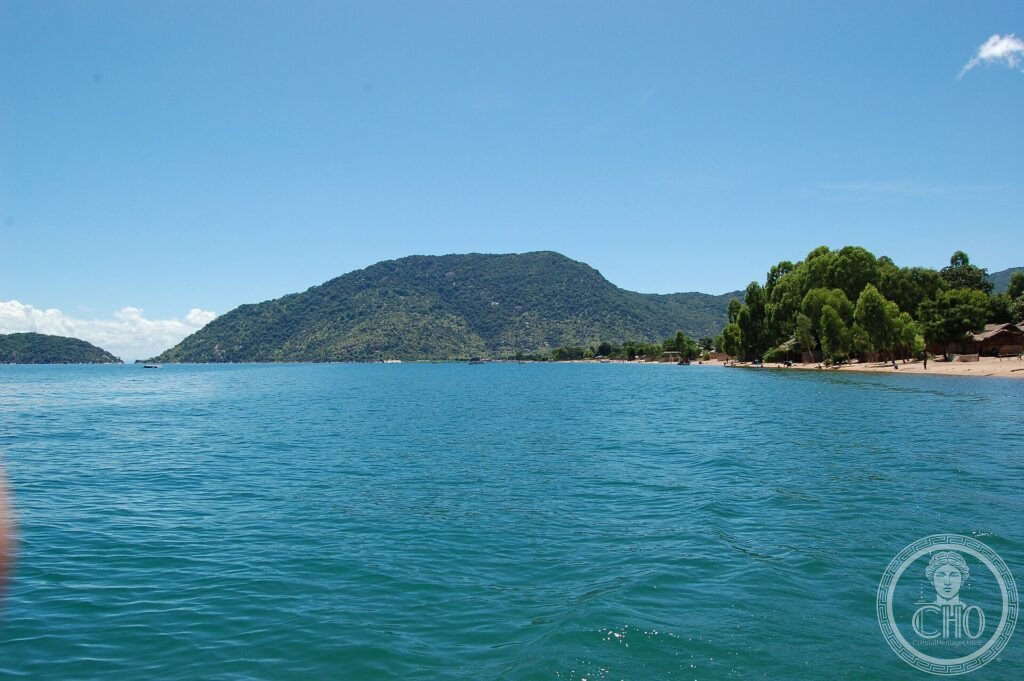
The clear waters of Lake Malawi, the third largest lake in Africa, hold one of the most extraordinary examples of evolution on the planet: hundreds of species of cichlid fish, brilliantly coloured, which exist only here and have diverged like Darwin’s finches on the Galápagos. The park protects this “natural aquarium” around Cape Maclear.
At a glance
Lake Malawi National Park, at the southern end of the great Lake Malawi (Lake Nyasa) in the East African Rift, protects clear, deep waters and rocky shores that are home to an astonishing diversity of fish. The lake holds hundreds of species of colourful cichlids — most found nowhere else — which have evolved here in a way often compared to Darwin’s finches, making it a living laboratory of evolution. The first national park created to protect a freshwater habitat for its fish, it was inscribed by UNESCO in 1984.
Key facts
- UNESCO: World Heritage since 1984 (Lake Malawi National Park)
- Cichlid diversity: hundreds of fish species, most found only here
- Living laboratory: a famous example of rapid evolution
- Clear waters: deep, clean lake in the East African Rift
- First of its kind: a national park to protect freshwater fish
- Cape Maclear: the rocky shores at the lake’s south end
History
Lake Malawi, one of the great lakes of the African Rift, is ancient and deep, and its isolation has allowed an explosive diversification of fish: the small, brightly coloured cichlids known locally as mbuna and others have evolved into hundreds of species, each adapted to a particular niche along the rocky shores — a textbook case of “adaptive radiation” studied by scientists worldwide.
Recognising the global importance of this fish fauna, Malawi created a national park around the clear waters and islands of the lake’s southern end, near Cape Maclear, the first such park established to protect a freshwater habitat for its biodiversity. It was inscribed by UNESCO in 1984.
What you see
Around Cape Maclear and the park’s islands, snorkelling and diving in the clear water reveal shoals of brilliantly coloured cichlids among the rocks. Sandy beaches, forested hills and quiet bays line the shore, with fish eagles overhead and traditional fishing villages nearby.
The simple wonder of clear water alive with hundreds of jewel-like fish is the magic of Lake Malawi.
Practical information
- Park: snorkelling and diving from Cape Maclear and the islands
- Best time: the drier months (May–October)
- Time needed: a day or more
- Setting: at the southern end of Lake Malawi
Getting there
Lake Malawi National Park is at the southern end of Lake Malawi, around Cape Maclear, reached by road from Monkey Bay, about 200 km from Lilongwe and Blantyre. GPS: 14.00° S, 34.88° E.
Nearby
- Cape Maclear — the lakeside village and park base
- Monkey Bay — the gateway town
- Likoma Island — an island with a great cathedral, further north
Sources
- UNESCO World Heritage Centre — “Lake Malawi National Park” (ref. 289)
- Malawi Department of National Parks and Wildlife — official body
- Encyclopaedia Britannica — Lake Nyasa
Find it on the map
See this place and what’s around it →📷 Become a Cultural Heritage Online photographer
Share your photos of places: they stay published under your name as the author. The more they're seen, the more you get noticed — and soon a contest will reward the most appreciated photos.
Log in or sign up free to add a photo