
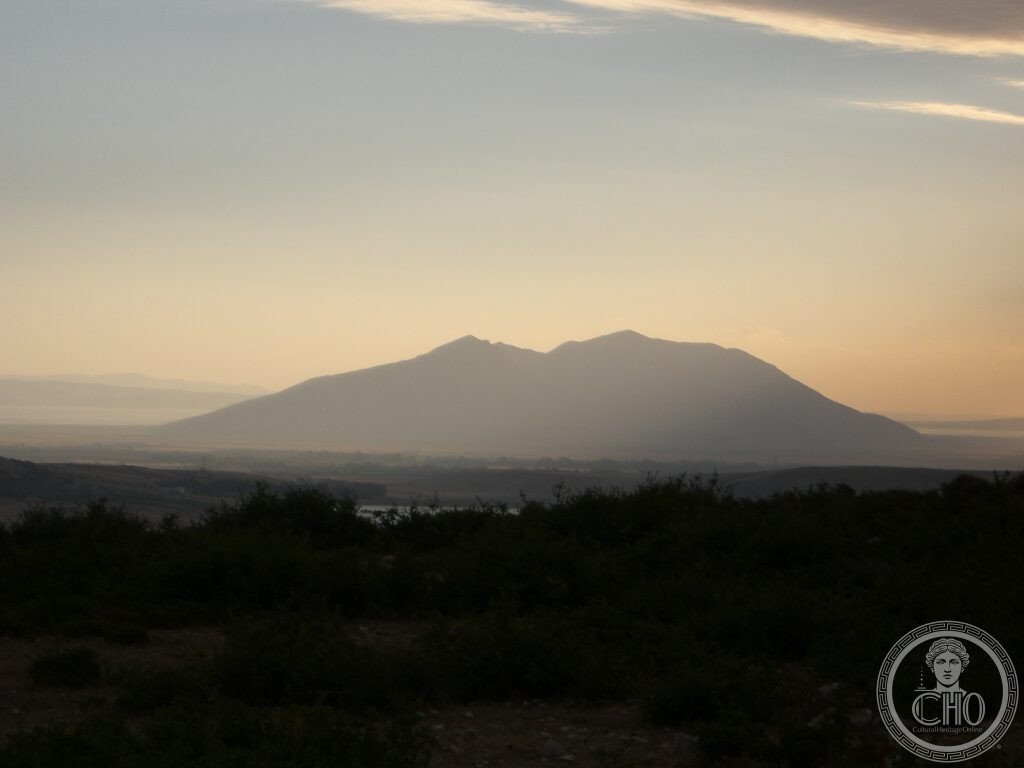
At the foot of an isolated mountain, in the north of Tunisia, the lake of Ichkeul and its marshes are a vital stop for hundreds of thousands of migratory birds. It is the last survivor of a chain of lakes that once crossed North Africa, a winter refuge of ducks, geese and flamingos along the route between Europe and Africa.
At a glance
Ichkeul National Park, in northern Tunisia, centres on a shallow lake and its surrounding marshes, dominated by the isolated mass of Jebel Ichkeul. The lake is the last remaining link in a chain of lakes that once stretched across North Africa, and each winter it hosts hundreds of thousands of migratory waterbirds — ducks, geese, flamingos and storks — that pause or winter here on the route between Europe and Africa. This vital wetland was inscribed by UNESCO in 1980.
Key facts
- UNESCO: World Heritage since 1980 (Ichkeul National Park)
- Last of a chain: the last great lake of a former North African chain
- Bird migration: a key stop between Europe and Africa
- Wintering waterfowl: hundreds of thousands of birds
- Jebel Ichkeul: the isolated mountain over the lake
- Threatened wetland: long under pressure from water diversion
History
Ichkeul is a remnant of a wetter past, when a series of lakes ran across North Africa; as the others were drained or dried, Ichkeul survived, fed by seasonal rivers and connected to a lagoon and the sea, its waters shifting between fresh and salty with the seasons. This made it a uniquely productive habitat and a magnet for migratory birds.
In the late 20th century, dams built on its feeder rivers cut the freshwater inflow, raising salinity and damaging the marshes and birdlife; the park was placed on the List of World Heritage in Danger. Management measures to restore freshwater flows improved the situation, and it was removed from the danger list, though the wetland remains sensitive. It was inscribed by UNESCO in 1980.
What you see
From the visitor area at the foot of Jebel Ichkeul, paths and viewpoints look out over the lake and marshes, busiest with birds in winter, when great flocks of ducks, geese, flamingos and coots gather. The mountain itself, with hot springs at its base and views over the wetland, can be walked, and the museum explains the park’s ecology.
The sight of the great mountain over the bird-filled lake at dawn is the image of Ichkeul.
Practical information
- Park: a visitor centre and museum at the mountain’s foot
- Best time: winter (November–February) for migratory birds
- Time needed: half a day
- Setting: in northern Tunisia, near Bizerte
Getting there
Ichkeul National Park is in the far north of Tunisia, near the town of Mateur and about 25 km south-west of Bizerte, reached by road. GPS: 37.17° N, 9.67° E.
Nearby
- Bizerte — the historic port city to the north-east
- Tunis — the Tunisian capital, to the south-east
- Utica — an ancient Phoenician and Roman site nearby
Sources
- UNESCO World Heritage Centre — “Ichkeul National Park” (ref. 8)
- Tunisian Ministry of the Environment — official body
- Encyclopaedia Britannica — Tunisia
Find it on the map
See this place and what’s around it →📷 Become a Cultural Heritage Online photographer
Share your photos of places: they stay published under your name as the author. The more they're seen, the more you get noticed — and soon a contest will reward the most appreciated photos.
Log in or sign up free to add a photo