
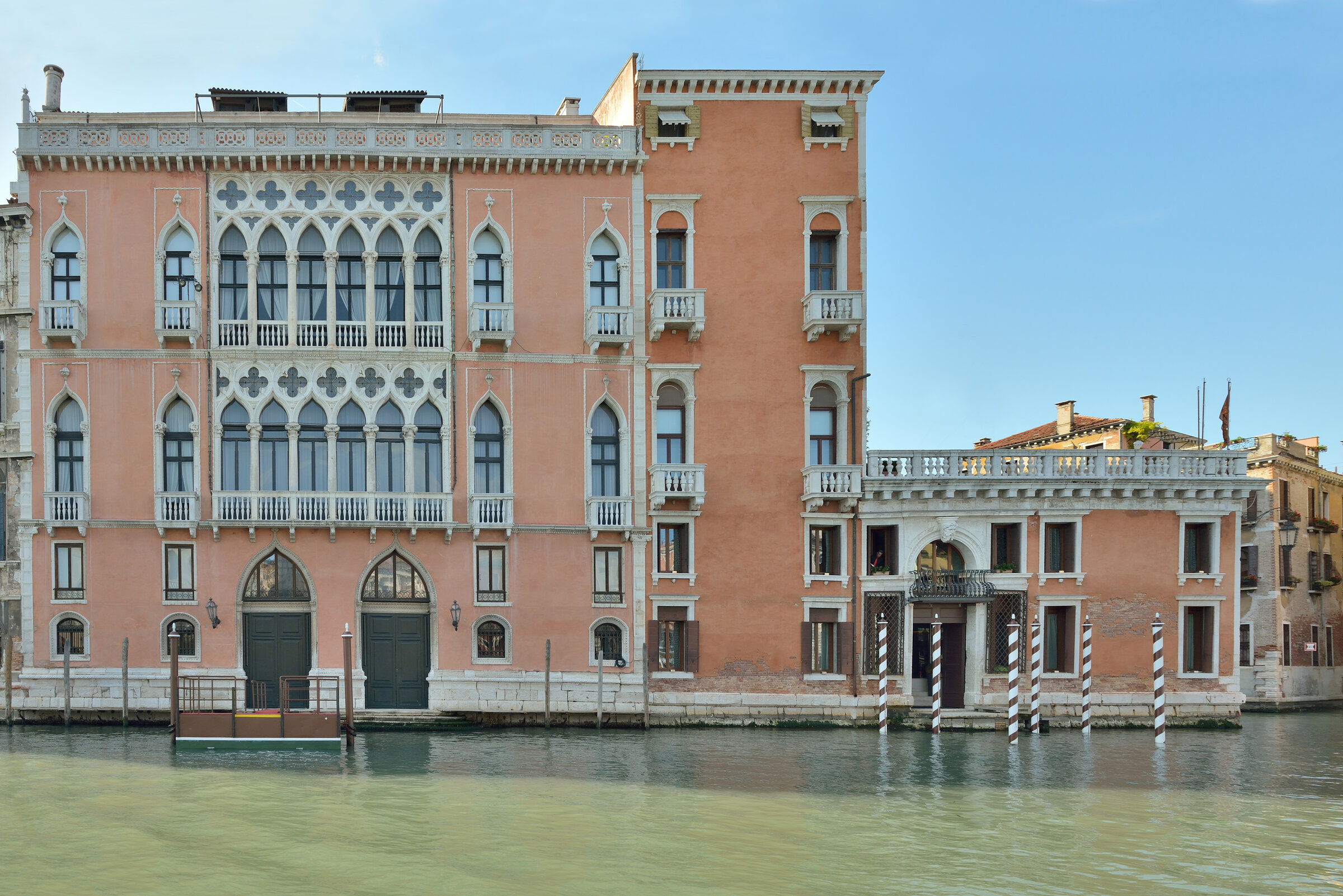
Palazzo Pisani Moretta is a late-Gothic Venetian palace on the Grand Canal in the San Polo district, built in the second half of the 15th century and distinguished by a Florid Gothic façade with two superimposed hexafora windows inspired by the loggia of the Doge’s Palace. In the second half of the 18th century the interior was renewed under the direction of Andrea Tirali, who designed the monumental double-flight staircase and reorganised the state rooms for a major fresco campaign that involved Giambattista Tiepolo, Jacopo Guarana, Giuseppe Angeli and Gaspare Diziani. The palace is still privately owned and is used today for receptions, weddings, gala dinners and the annual Ballo del Doge during Carnival, with only occasional openings to the general public.
- Address
- San Polo 2766, 30125 Venezia VE (Canal Grande, between Palazzo Tiepolo and Palazzo Barbarigo della Terrazza)
- Period
- Built in the second half of the 15th century in Florid Venetian Gothic style; interior restructured and frescoed in the second half of the 18th century
- Architect
- Anonymous Venetian Gothic masters (15th century); 18th-century interior renewal directed by Andrea Tirali
- Patron
- Originally built for the Bembo family; passed to the Pisani Moretta branch of the Pisani family
- Function
- Family palace; from the 18th century a setting for receptions, music and theatrical performances
- Current use
- Privately owned; used for private events, weddings, gala dinners, exhibitions and the annual Ballo del Doge during Carnival, with occasional public openings
- Coordinates
- 45.4364° N, 12.3294° E
- Notes
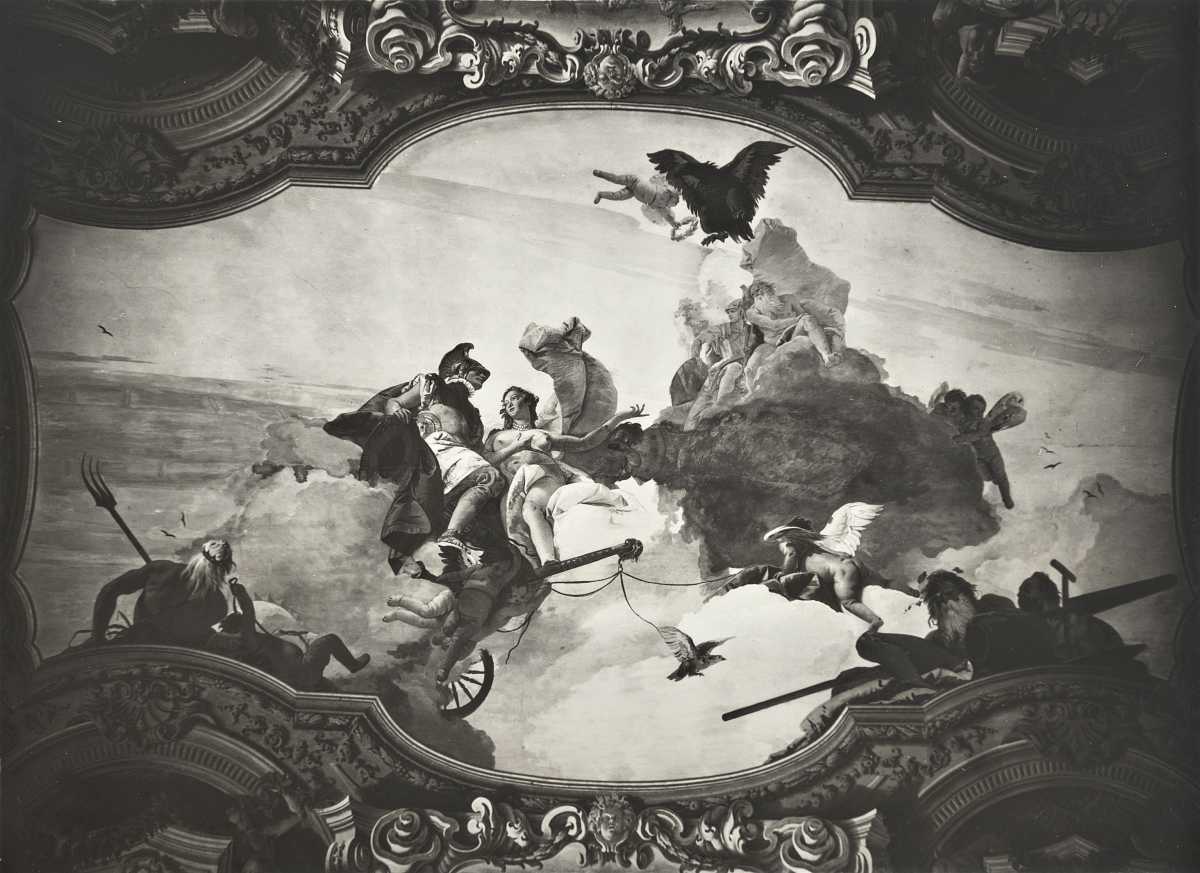
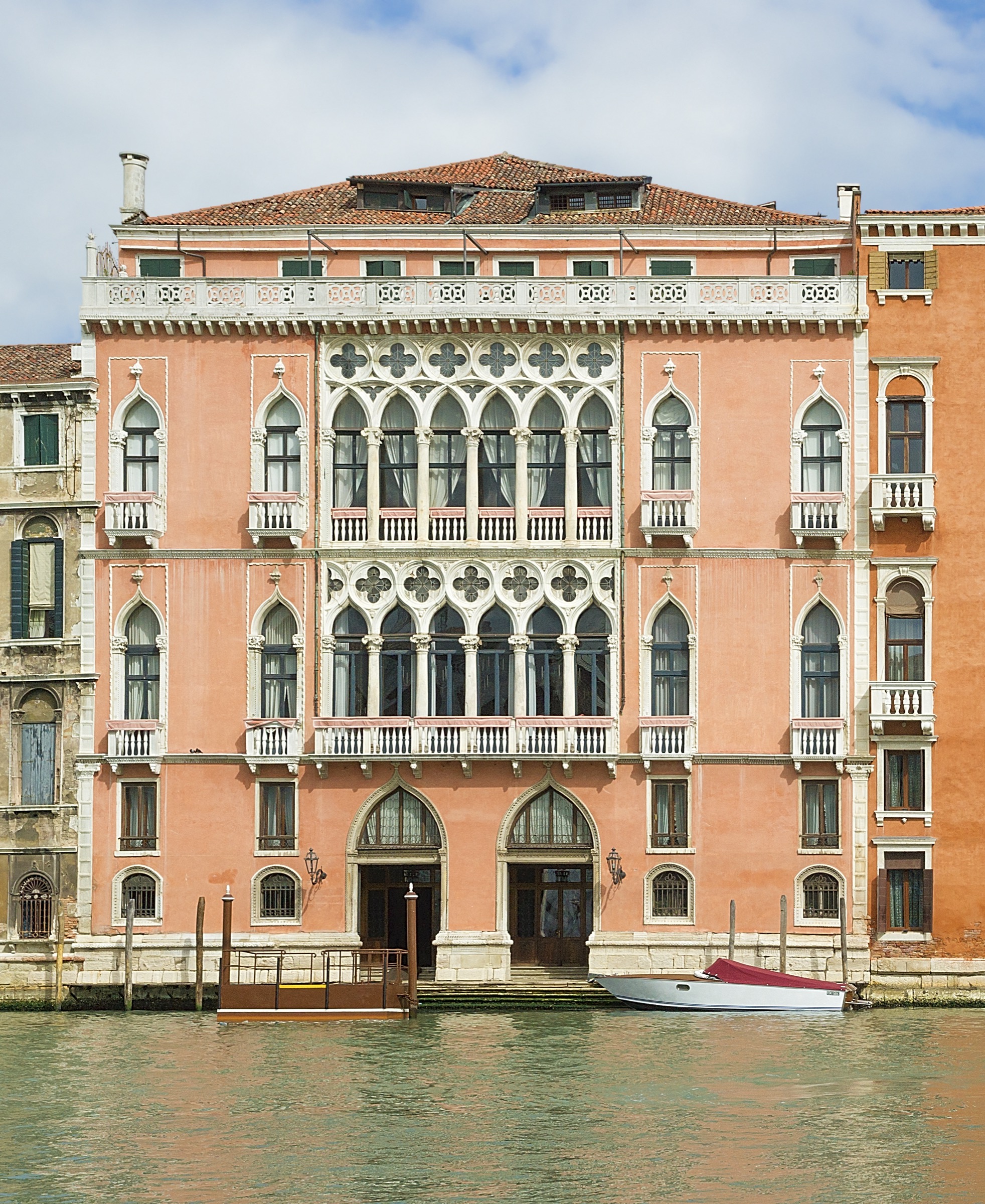
- Four-storey façade on the Canal Grande with two superimposed hexafora windows modelled on the loggia of the Doge's Palace; monumental double-flight staircase by Andrea Tirali; 18th-century frescoes by Giambattista Tiepolo (Mars and Venus, c. 1743), Jacopo Guarana, Giuseppe Angeli and Gaspare Diziani
Gallery
Two further readings of the palace: the Tiepolo ceiling fresco of Mars and Venus, and a closer view of the hexafora windows and water-gate portals.
Visit on the map
San Polo 2766 · 45.4364° N, 12.3294° E
Download for your navigator
A single waypoint, ready for GPS apps, navigators, and contacts.
Palazzo Pisani Moretta was built in the second half of the 15th century for the Bembo family in the San Polo sestiere, on a bend of the Grand Canal between today’s Palazzo Tiepolo and Palazzo Barbarigo della Terrazza. The four-storey façade is one of the clearest surviving examples of Florid Venetian Gothic: a tall water-gate with pointed-arch portals supports two noble floors marked by superimposed hexafora windows, whose six-light mullioned openings with ogival arches deliberately echo the loggia of the Doge’s Palace. Polychrome marble panels, quatrefoil oculi and small flanking single-light windows complete a composition designed to be read from the opposite bank of the canal.
In the second half of the 18th century the palace passed to the Pisani Moretta branch of the Pisani family and was thoroughly reorganised under the patronage of Chiara Pisani. The architect Andrea Tirali removed the original external staircase and inserted a monumental double-flight staircase inside the courtyard, redefining the route from the water gate to the piano nobile. The state rooms were then entrusted to the leading painters of late-Settecento Venice: Giambattista Tiepolo frescoed Mars and Venus around 1743 in one of the principal halls; Jacopo Guarana painted allegorical ceilings in the music and reception rooms; Giuseppe Angeli and Gaspare Diziani decorated minor rooms and overdoors. Major canvases by Paolo Veronese and Giovanni Battista Piazzetta also hung in the palace until the 19th century, when works such as Veronese’s Family of Darius before Alexander were sold to the National Gallery in London.
Through the 19th and 20th centuries the building remained in private hands, undergoing conservative restoration campaigns that protected the 15th-century structure and the 18th-century decorative cycles. Ownership of the Sammartini family lasted from 1968 until 2025, when the palace was acquired by the Belgian fashion designer Dries Van Noten. The palace is not a permanent museum: it is opened by appointment for private events, weddings, gala dinners, exhibitions and corporate receptions, and it hosts the Ballo del Doge, the masquerade ball held during the Venice Carnival. Limited group visits can be arranged on request, while the façade is fully visible from the Grand Canal and from the vaporetto stops of San Tomà and San Silvestro.
Resources & References
Editorial picks across Wikipedia, photo archives, and the official portal.
All photographs Wikimedia Commons (CC-BY / CC-BY-SA / Public Domain) unless otherwise stated. Editorial text Cultural Heritage Online, OASIS Tech LLC USA.
See the place
Find it on the map
See this place and what’s around it →Historical events at this place (1)
📷 Become a Cultural Heritage Online photographer
Share your photos of places: they stay published under your name as the author. The more they're seen, the more you get noticed — and soon a contest will reward the most appreciated photos.
Log in or sign up free to add a photoIs this page about you?
This page is read by travellers and heritage enthusiasts who find it on Google. Tell us how you are connected to this place and we will take it from there.