
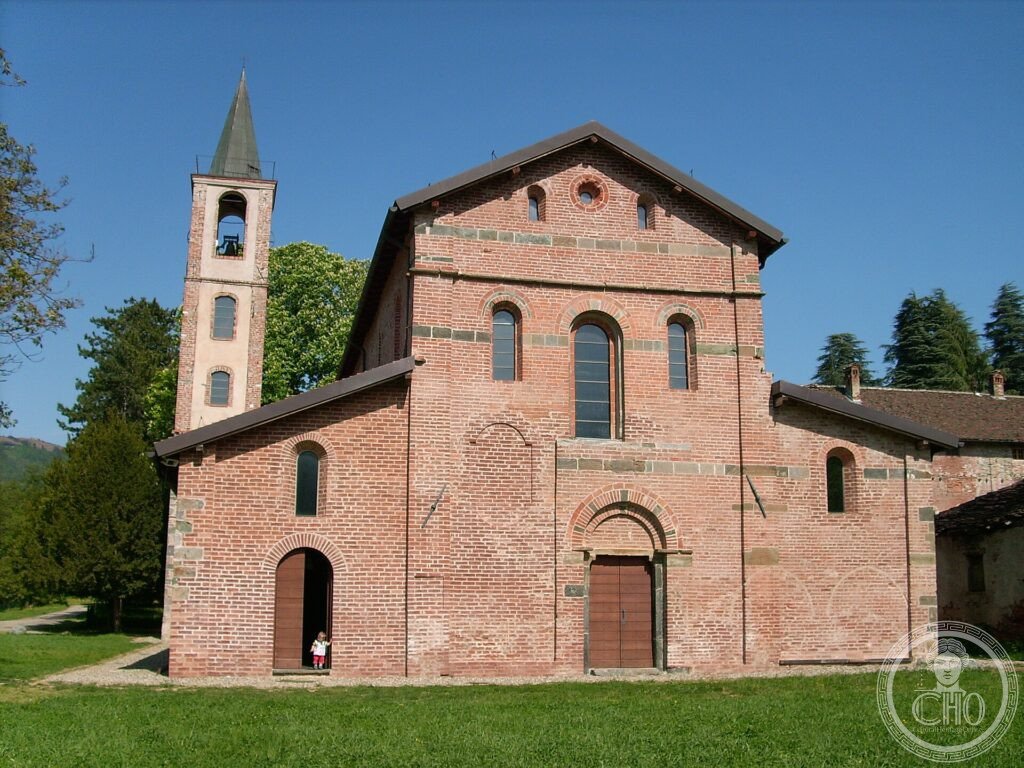
Tiglieto, 1120: una ventina di monaci guidati da Bernardo Balbo lascia l'abbazia borgognona di Morimond e discende gli Appennini liguri per fondare la prima casa cistercense in Italia — tre anni prima di Clairvaux fondasse Chiaravalle e quattro anni prima di Fossanova. La chiesa, intatta nella struttura romanica originale, è ancora lì.
At a glance
Tiglieto Abbey stands in the Ligurian Apennines, in the municipality of Tiglieto (province of Genoa), at an altitude of about 450 m above sea level in a narrow valley of the Orba river. It was founded in 1120 by a group of monks from the abbey of Morimond in Burgundy (one of the four “daughter-houses” of Cîteaux), making it the first Cistercian foundation in Italy — preceding Chiaravalle Milanese (1135), Fossanova (1135), and all other Italian Cistercian houses. The foundation date of 1120 is documented in a bull of Pope Honorius II (1124) and in Cistercian general chapter records. The abbey church, in the severe Romanesque-Cistercian style of the early order, survives substantially intact: a single nave with a semicircular apse, plain stone walls without decoration, and the characteristic Cistercian proportions derived from the Rule of Benedict and the Exordium Parvum of the first Cistercian abbots.
Key facts
- Founded: 1120 by monks from Morimond (Burgundy); documented by papal bull of Honorius II (1124); the first Cistercian house in Italy
- Order lineage: Morimond (not Clairvaux): the Morimond filiation spread to Germany, Austria, Spain, and Italy; Tiglieto is the founding house of the Italian Morimond line
- Architecture: 12th-century Romanesque-Cistercian church in local stone; single nave + apse; no sculpted capitals or decorative elements (Cistercian austerity rule); chapter house; cloister (partially ruined)
- Suppressed: 1802 by Napoleon; became a private estate; church and some buildings transferred to the Comune di Tiglieto in the 20th century
- Today: the church is accessible and used for occasional religious services; the former monastic buildings are mostly private
History
The foundation of Tiglieto in 1120 coincides almost exactly with the moment when the Cistercian order began its extraordinary expansion across Europe. St Bernard of Clairvaux was in the midst of the most energetic decade of his life; the Cistercians had already established daughter-houses in France, England, and Germany; and the Italian nobility, influenced by the Gregorian reform and its emphasis on monastic renewal, were ready to offer land. The founder of Tiglieto, Bernardo Balbo (or Baldo), is recorded as the first abbot; the site in the Ligurian Apennines offered the Cistercians what they sought: isolation, a water source (the Orba), forest for building material and fuel, and land that could be improved by draining and clearing.
The abbey received privileges from Pope Honorius II in 1124 and grew throughout the 12th and 13th centuries with donations from the Genoese nobility, the Marquises of Montferrat, and the Comune of Genoa. It was never one of the wealthiest Italian Cistercian houses (Fossanova, Chiaravalle, and the Certosa di Pavia were richer), but its position as the oldest gave it prestige and a significant role in the Cistercian network of northern Italy. The church was built in the austere Cistercian Romanesque style, without the carved capitals and pictorial programmes that even reforming Benedictines allowed: bare stone walls, round arches, a semicircular apse, and the silence that Bernard mandated in the Rule.
What you see
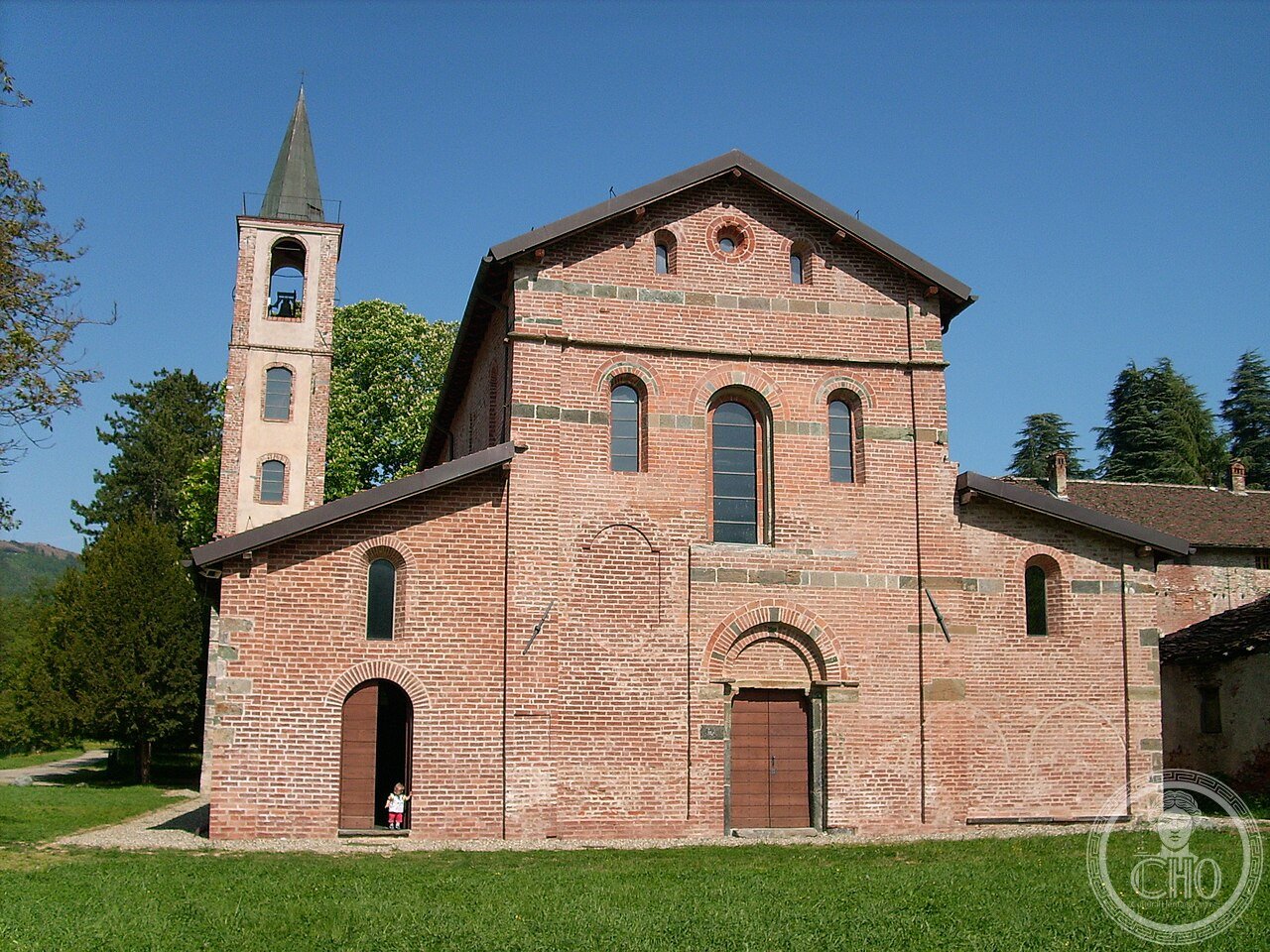
The approach to Tiglieto through the Orba valley is part of the experience: the road winds up through chestnut and oak forest to a small village where the abbey sits, half-hidden, at the edge of the trees. The church facade is plain stone, with a round-arched portal and a rose window above; the interior is equally plain — a single nave, round arches, white walls, and the apse at the east end. What makes it remarkable is the integrity of its austerity: this is what a Cistercian church looked like before the order's later compromises with artistic patronage. The chapter house, to the south of the nave, is the other significant survival: a vaulted room with simple pilasters and the proportions of Bernard's architecture. The cloister garth is overgrown and ruined, but the outline is clear.
Practical information
- Opening hours: check locally with the Comune di Tiglieto; occasional religious services on Sundays; generally accessible in daylight hours
- Admission: free
- Time needed: 30–45 minutes; add time for the valley walk
Getting there
By car from Genoa (50 km north-west): A26 motorway, exit Ovada, then SP456 toward Tiglieto. No public transport to the abbey. GPS: 44.5344° N, 8.5803° E.
Nearby
- Ovada — the Monferrato wine town, 15 km north; Dolcetto and Barbera vineyards
- Acqui Terme — Roman spa town, 30 km north-east; thermal baths in use since antiquity; Romanesque cathedral
- Genoa — 50 km south; caruggi, Palazzo Ducale, UNESCO historic centre
Sources
- Wikipedia — “Tiglieto Abbey” (en.wikipedia.org/wiki/Tiglieto_Abbey)
- Cistercian Abbeys of Italy — cistercensi.info
- Comune di Tiglieto — official archive
Find it on the map
See this place and what’s around it →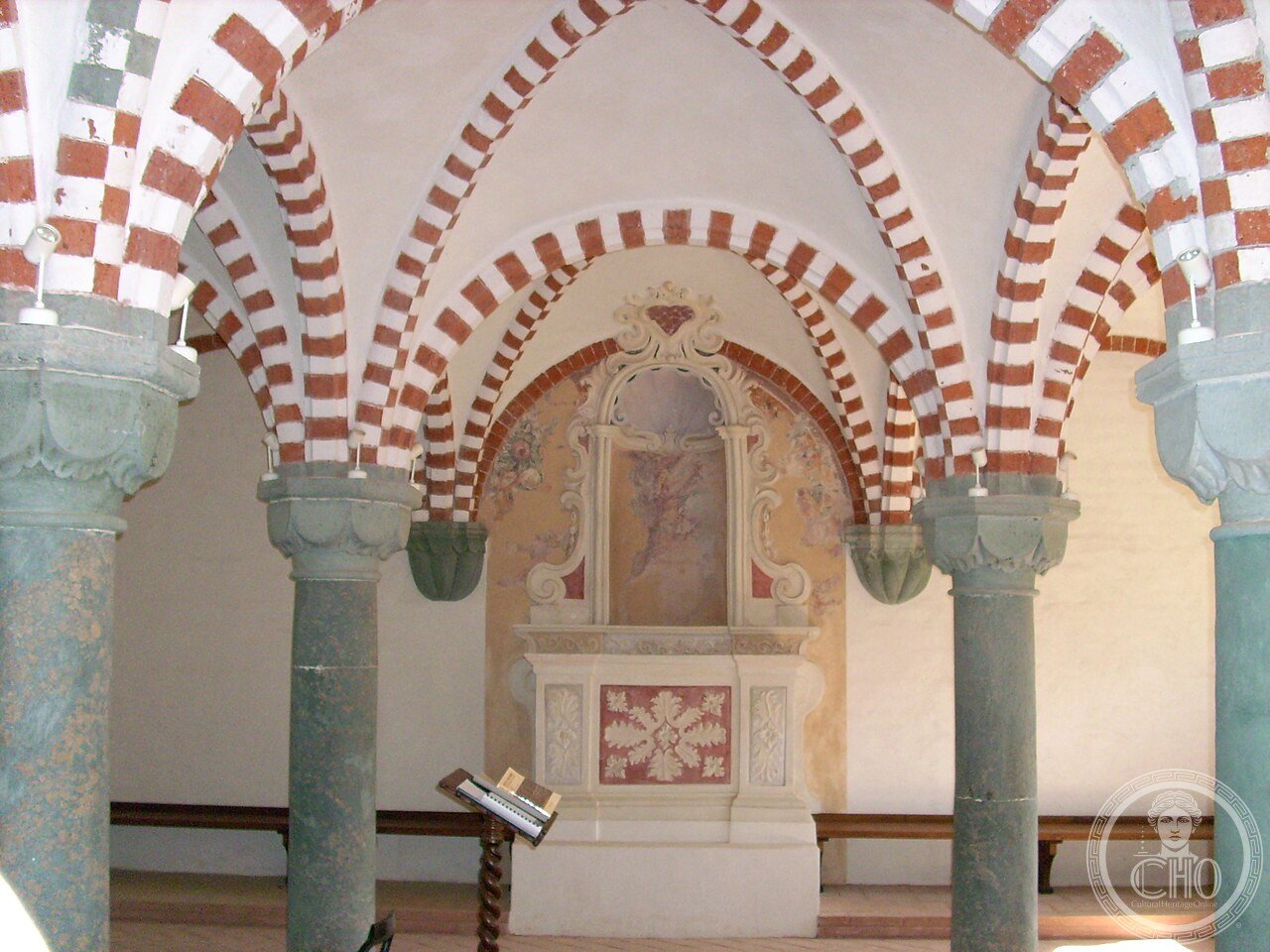
📷 Become a Cultural Heritage Online photographer
Share your photos of places: they stay published under your name as the author. The more they're seen, the more you get noticed — and soon a contest will reward the most appreciated photos.
Log in or sign up free to add a photoIs this page about you?
This page is read by travellers and heritage enthusiasts who find it on Google. Tell us how you are connected to this place and we will take it from there.