Orto Botanico di Padova
L’Orto Botanico di Padova (UNESCO 1997, rif. 825) è il più antico orto botanico universitario del mondo ancora nella sua sede originale dal 1545 CE: un laboratorio vivente dove sono state coltivate per la prima volta in Europa la patata (1550 ca.), il gelsomino (1590 ca.) e la giraffa vegetale — un albero nato nel 1585 CE che Johann Wolfgang von Goethe visitò nel 1786 CE e che ispirò la sua teoria della metamorfosi delle piante.
At a glance
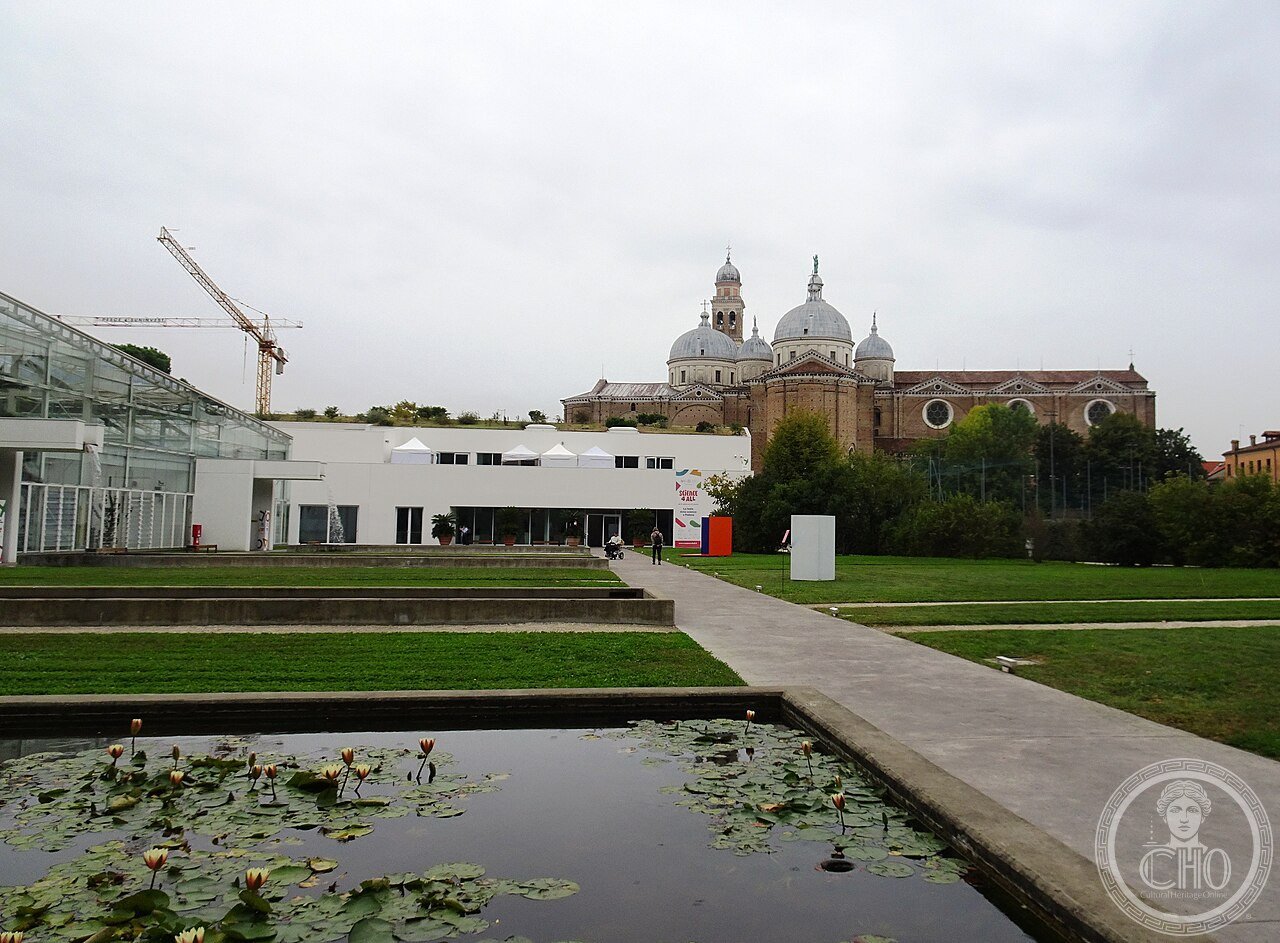
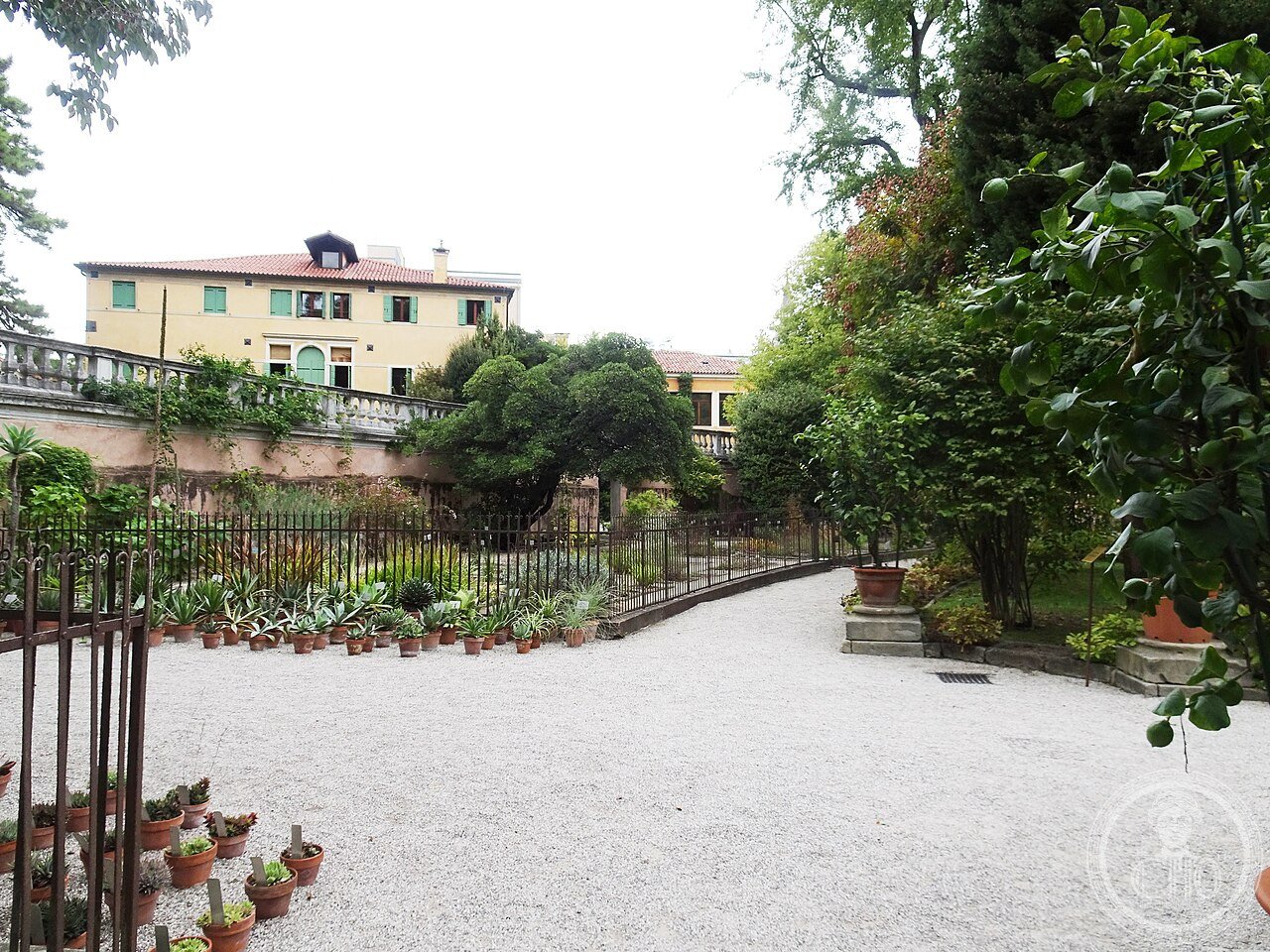
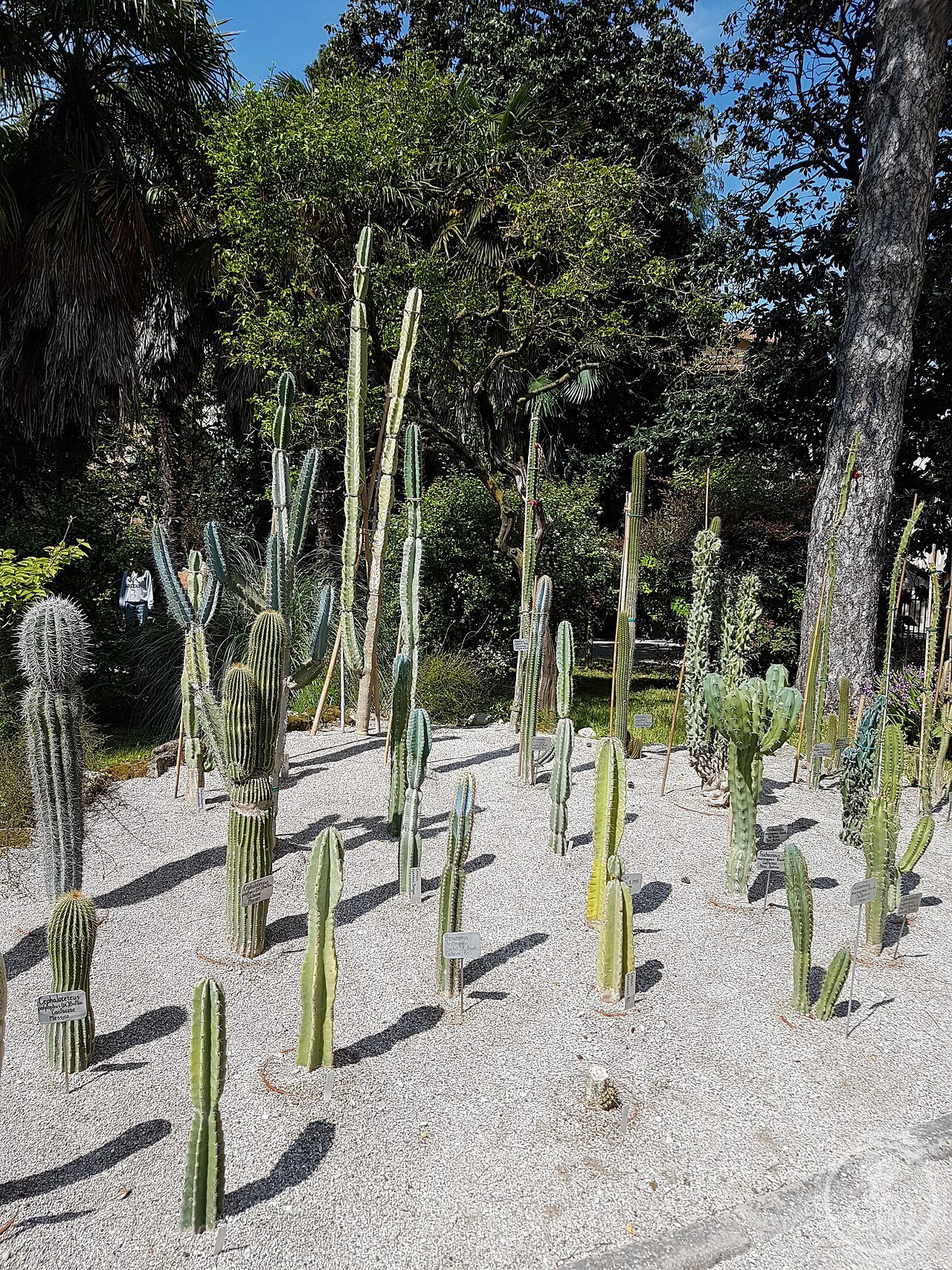
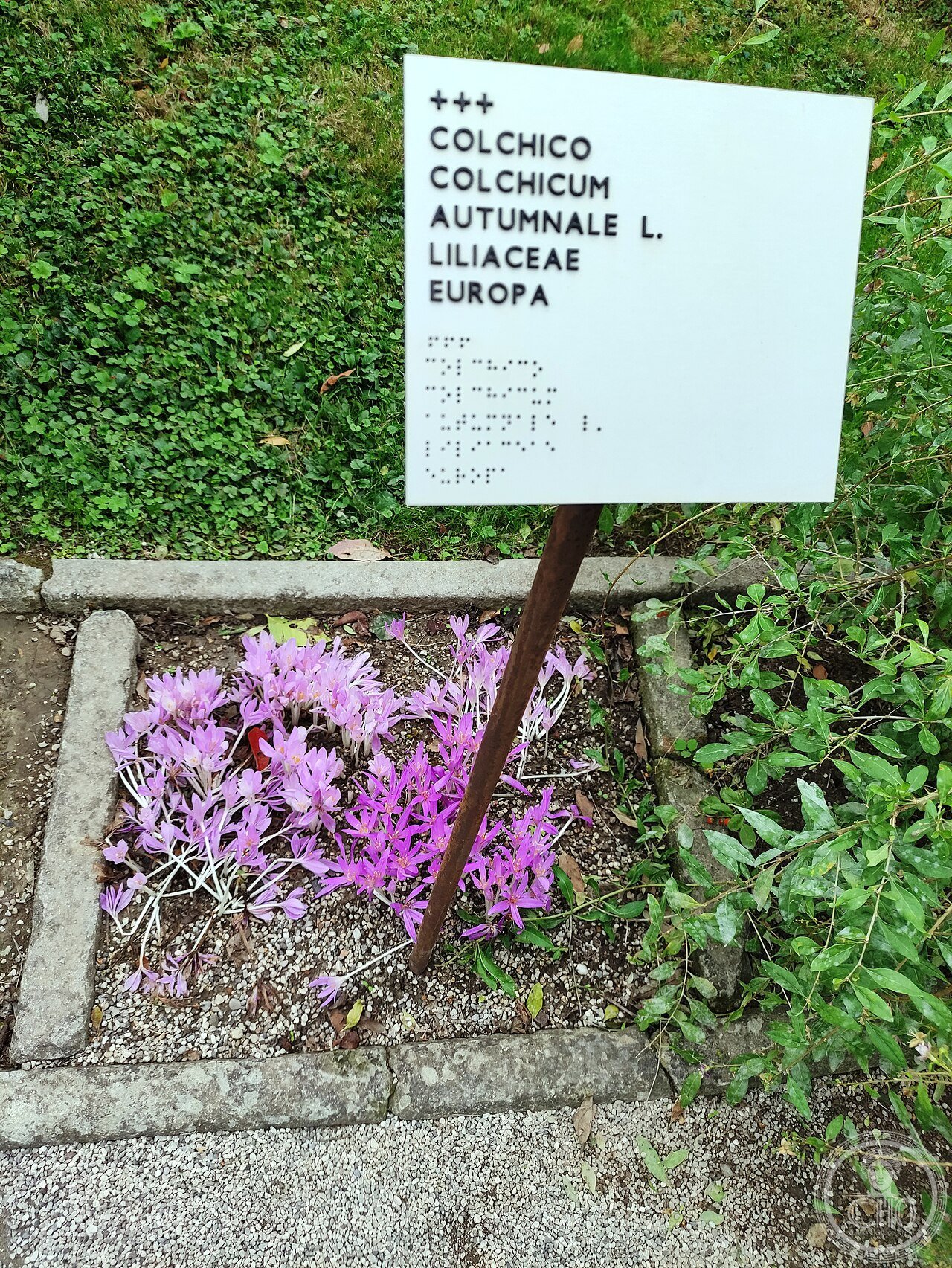
Orto Botanico Padova Veneto (the most precisely Orto Botanico zone Padova Veneto Italy 45.3987 N 11.8795 E UNESCO WHS 1997 reference 825 Botanical Garden (Orto Botanico), Padua: the site (the site area: 2.2 ha (the original circular garden: 1.26 ha; the extension gardens added 1989–2014 CE: 0.94 ha)); the history of the foundation (the Venetian Senate authorization: June 29, 1545 CE (the decision of the Venetian Senate to establish a “Hortus Simplicium” (the “Garden of Simples”: the “simplices” (the “simples”) = the medicinal plants in their simple form, i.e., not yet combined into compound remedies) at the University of Padua (the Padua medical school: founded c.1222 CE; the most prestigious medical school in Renaissance Europe (Harvey (1578–1657 CE) studied here; Vesalius (1514–1564 CE) taught here; Falloppio (1523–1562 CE) (the Fallopian tubes) taught here); the design (Daniele Barbaro (1514–1570 CE): the Venetian humanist, architect, and commentator on Vitruvius; the design of the circular garden (the Hortus Sphaericus): a circle 84.24 m in diameter inscribed in a square; the 4 entrance axes (N-S and E-W) dividing the circle into 4 quadrants; the symbolic meaning: the circular form = the cosmos; the square = the cardinal directions; the quadrants = the 4 regions of the world from which plants come; the moat (the circular water channel surrounding the circular garden: 4 m wide; originally with water to prevent theft of the valuable medicinal plants: the original plants in the 16th century CE were enormously valuable (the price of a sprig of true cinnamon (Cinnamomum verum) in 1550 CE Venice = the weekly wages of a university professor))); the 6,000 species (the current collection: 6,000 plant species in 4 collection areas: (1) the historical Hortus Sphaericus (the original circular garden: 1,200 species arranged by geographical origin); (2) the Arboretum (the tree collection: 400 trees, the oldest dating to the 17th century CE); (3) the “New Gardens” (added 1989–2014 CE): the 5 themed gardens (the Tropical greenhouse + the Alpine garden + the Mediterranean garden + the Biodiversity garden + the Garden of the Mind (a sensory garden for blind visitors)); (4) the historic greenhouses (the 17th-century CE iron-and-glass greenhouses: the oldest surviving botanical greenhouses in the world).
Key facts
- La Palma di Goethe (Phoenix dactylifera 1585 CE) e come una palma piantata 440 anni fa ha ispirato la teoria della metamorfosi delle piante di Goethe (1790 CE), che ha aperto la strada alla biologia evolutiva: the Goethe Palm (the “Palma di Goethe” (Phoenix dactylifera: the date palm): the palm tree planted in the Orto Botanico in 1585 CE (the year: confirmed by the botanical garden’s archival records; the species: Phoenix dactylifera var. canariensis; the height: 11 m in 2023 CE; still growing in the original location since 1585 CE: 440+ years); the Goethe visit (Johann Wolfgang von Goethe (1749–1832 CE) visited the Orto Botanico on September 27, 1786 CE (during his Italian Journey: “Italienische Reise” (1817 CE)); the Goethe observation (Goethe observed the palm and its leaves: the fan-shaped juvenile leaves (the simple palmate leaf) transitioning to the adult pinnate leaf (the complex divided leaf): the gradual simplification of a complex leaf to a simple leaf (or vice versa) → the “Urpflanze” concept (the primordial plant: the concept that all plant organs (leaves, petals, sepals, stamens, pistils) are modified versions of a single ur-form; the “Metamorphosis of Plants” (1790 CE): the pamphlet Goethe published based in part on the Padua palm observation; the claim (the Goethe claim: “leaf is the fundamental organ; all plant organs are metamorphoses of the leaf”): anticipates cell theory by 50 years; the influence on Darwin (Charles Darwin read “Die Metamorphose der Pflanzen” (1790 CE) in translation and cited Goethe in the 4th edition of “The Origin of Species” (1866 CE) in the context of homologous structures)); the preservation (the Palm is the oldest living plant with documented historical significance in Italy; the garden installed a protective enclosure in 1990 CE (glass and aluminum) to protect the crown from the Rhynchophorus ferrugineus (the red palm weevil: the most destructive palm pest in Europe; active in Italy since 2004 CE))
- GPS (ingresso Orto Botanico di Padova, Via Orto Botanico 15): 45.3987° N, 11.8795° E
History
Da 1545 CE al UNESCO 1997 (the most precisely Orto Botanico zone history: the foundation (the petition to the Venetian Senate (April 1545 CE): by Francesco Bonafede (c.1474–1558 CE): the first professor of “Lettore dei Semplici” (the “Reader of Simples”: the professor of medicinal plants) at the University of Padua (the chair established 1533 CE); Bonafede’s argument (the argument to the Senate): “the study of medicine requires the direct observation of plants, not just the reading of ancient texts; the medical students copy from herbaria and cannot recognize the plants they prescribe; a living garden of medicinal plants will produce better doctors”; the Senate authorization (June 29, 1545 CE): the unanimous vote of the Venetian Senate; the simultaneously (the same year 1545 CE): the Council of Trent began (December 13, 1545 CE) and the University of Pisa opened its botanical garden (also 1545 CE: the Pisa botanical garden claims co-priority with Padua); the first prefects (the first directors of the garden: Luca Ghini (1490–1556 CE): the Bolognese botanist who invented the pressed herbarium (the “hortus siccus”: the dried plant collection): Ghini never actually moved to Padua; the first resident prefect was Pietro Antonio Michiel (1510–1576 CE)); the early introductions (the plants introduced in Western Europe for the first time from the Padua garden: (1) the potato (Solanum tuberosum): introduced c.1590 CE (the Padua records show the potato in the catalog of 1590 CE; the standard date for the potato’s European introduction is 1570 CE via Spain; the Padua date is a second independent introduction from the Americas via Venice)); (2) the jasmine (Jasminum grandiflorum): c.1590 CE; the first documented European cultivation; (3) the sunflower (Helianthus annuus): 1568 CE (first documented cultivation in Europe; from the Padua archive records))); the UNESCO inscription (1997 CE: reference 825).
What you see
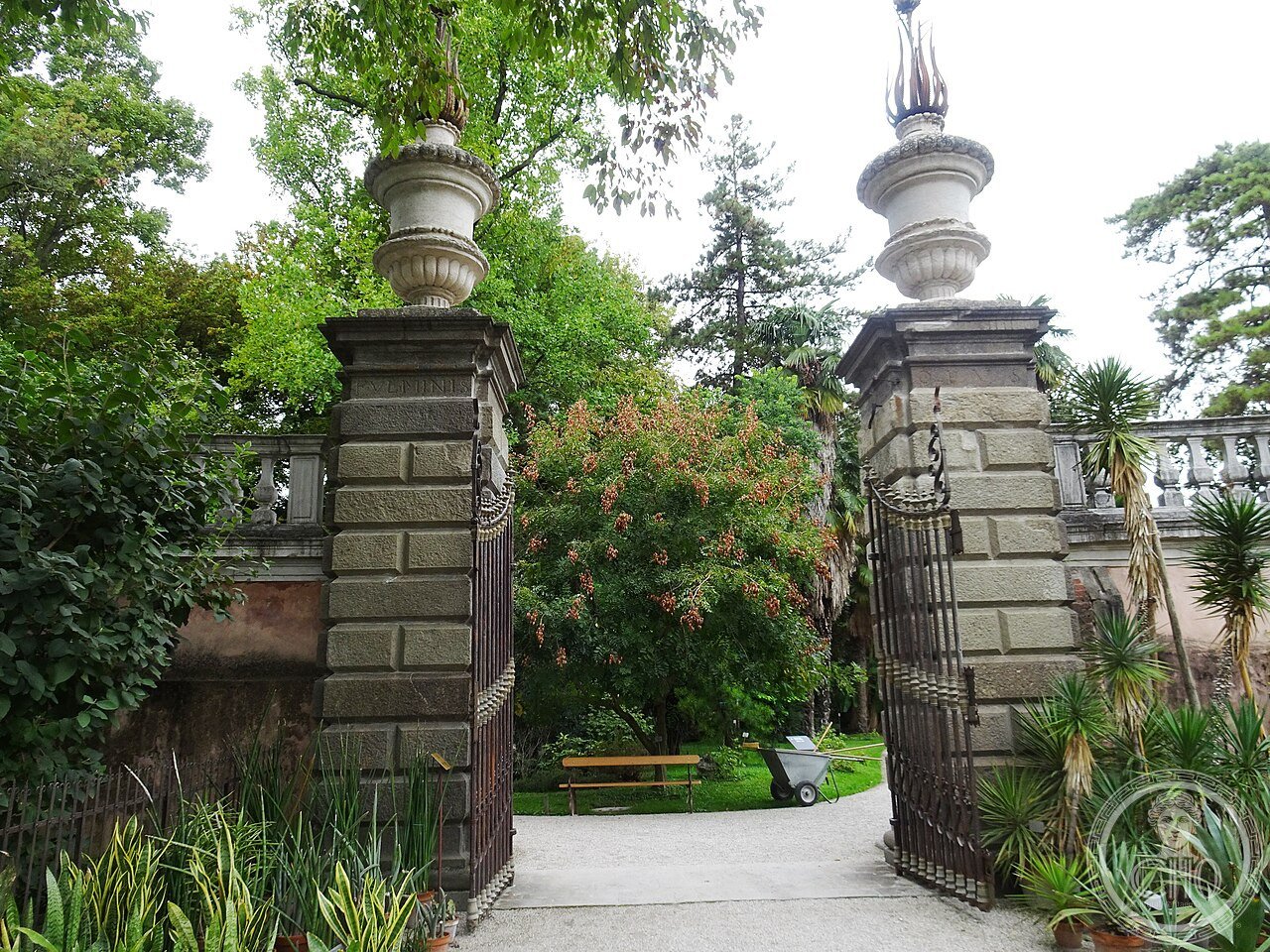
Hortus Sphaericus, Palma di Goethe 1585 CE, serre storiche XVII sec. CE, Giardino della Biodiversità (the most precisely Orto Botanico zone visit (1–2 hours): the ticket (€10 (combinato con cappella degli Scrovegni: disponibile online at ortobotanicopd.it + cappelladegliscrovegni.it; il combo riduce i costi e garantisce l’accesso temporizzato agli Scrovegni)); the visit route (the suggested route: entrance from Via Orto Botanico 15 → the Hortus Sphaericus (the original circular garden: the 4 quadrants: walk the central N-S axis first (the widest path; the best overview); identify the 4 regions of the world (the NW quadrant = Americas; the NE quadrant = Asia; the SW quadrant = Africa; the SE quadrant = Europe); the center (the original well (the “pozzo”): the 16th-century CE stone well in the geometric center of the circle)) → the Palma di Goethe (in the NE section of the original garden; the protective glass enclosure; the plant identification plaque: “Phoenix dactylifera, 1585”; the Goethe quote on the plaque: “Der Ort hat Verstand” (“The place has intelligence”: from the Italienische Reise)) → the historic greenhouses (the 17th-century CE iron-and-glass structures; the rarest plants: the Chamaedorea species (the smallest palm in the world); the Lodoicea maldivica (the Coco de Mer: the largest seed in the plant kingdom: up to 25 kg)) → the Giardino della Biodiversità (the modern extension (2014 CE): the biome-themed greenhouses: Tropical + Arid + Temperate + Mountain).
Practical information
- Come combinare l’Orto Botanico con la Cappella degli Scrovegni (Giotto 1304–1305 CE) e il Palazzo della Ragione nel centro storico di Padova, e perché il biglietto combinato è obbligatorio per gli Scrovegni: il trasporto (Venezia → Padova: Trenitalia (25 min; €4.55; ogni 15 min; the fastest option: AV Frecciarossa is overkill for 25 min; take the Regionale Veloce)); Milano → Padova: Trenitalia (1h30 Frecciarossa; €18); il programma 1 giorno: mattina 9:30: Cappella degli Scrovegni (€15 + €3 prenotazione online obbligatoria a cappelladegliscrovegni.it; accesso in slot da 25 minuti; max 25 persone per slot; prenotare 7–14 giorni prima in alta stagione; il ciclo di Giotto (1304–1305 CE): 40 scene in 3 registri; il “Compianto sul Cristo morto” (la scena più studiata: i volti piangenti e la banda di angeli che si contorcono nel cielo: Giotto inventa l’emozione realistica nella pittura occidentale)); pranzo al caffè universitario (la piazza delle erbe: i banchi del mercato + i bar universitari); pomeriggio 14:00: Orto Botanico (2h; €10; la Palma di Goethe + le serre storiche) → 16:30: Palazzo della Ragione (la sala dei Giganti: il più grande salone gotico del XIII sec. CE in Italia: 81 m × 27 m × 27 m di altezza; il ciclo astrologico (il più grande ciclo di affreschi astrologici medievali del mondo: 333 scene)); sera: Via Roma e la zona universitaria (l’Università di Padova: “Bo” fondata 1222 CE: il teatro anatomico (1594 CE: la prima sala anatomica al mondo; €5; visite guidate ogni 30 min))
Getting there
Trenitalia da Venezia (25 min, €4.55) o Milano (1h30 Frecciarossa). GPS: 45.3987/11.8795. €10. Mar-Nov: 9:00–19:00 (lun chiuso). Prenotazione online consigliata.
Nearby
- Cappella degli Scrovegni Padova (Giotto 1304–1305 CE — ciclo in 40 scene; il “Compianto”) — 200 m (Via Eremitani; €15+€3 prenotazione; accesso in slot 25 min; giotto inventa l’emozione realistica nel “Compianto”: il primo gruppo di figure che piangono credibilmente nella storia della pittura occidentale)
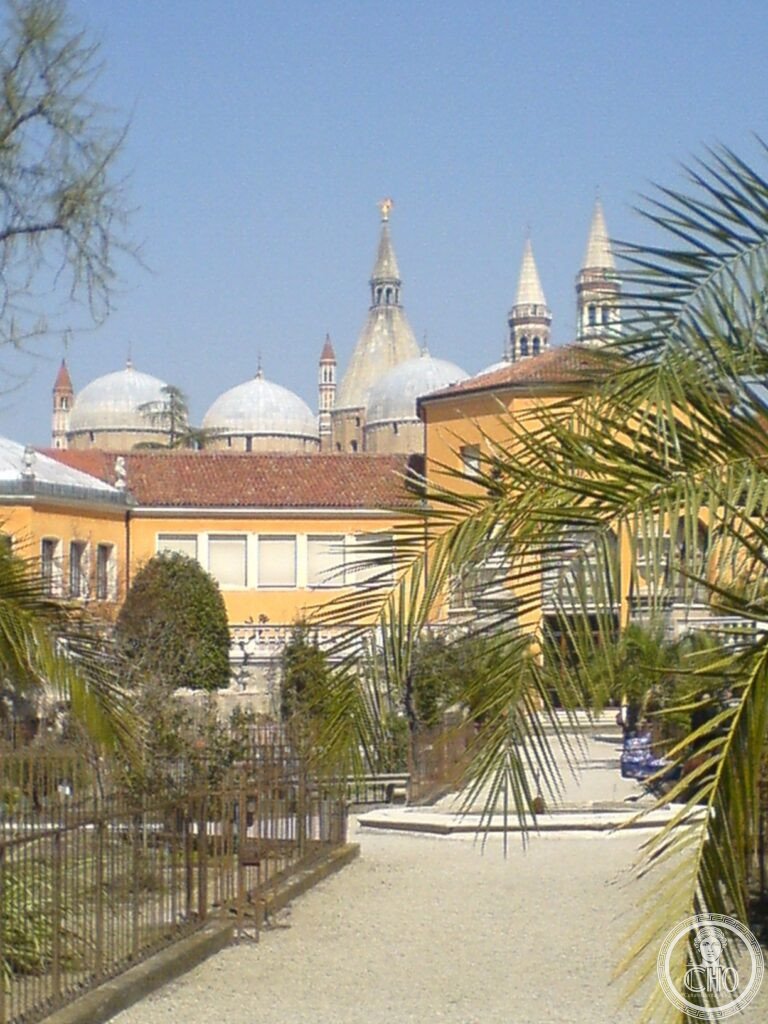
- Basilica di Sant’Antonio Padova (1232 CE — tomba del santo; Donatello 1450–1453 CE) — 500 m a piedi (Via del Santo; il primo edificio italiano con una pianta a 7 cupole (ispirata a San Marco Venezia); la tomba (1232 CE: il teschio del santo, custodito nel reliquiario della “Cappella delle Reliquie”: €2); il crocifisso di Donatello (1450–1453 CE: la scultura più alta del soffitto della Basilica: 8 m)); gratis; 6:20–19:45)
Gallery


Sources
- Wikipedia, Botanical Garden of Padua; Daniele Barbaro; Goethe’s Metamorphosis of Plants; Francesco Bonafede, accessed June 2026
- UNESCO, Botanical Garden (Orto Botanico), Padua, WHS reference 825, inscribed 1997
- Minelli, Alessandro (ed.). The Botanical Garden of Padova 1545–1995. Venice: Marsilio, 1995 (the official history)
Find it on the map
See this place and what’s around it →📷 Diventa un fotografo di Cultural Heritage Online
Condividi le tue foto dei luoghi: restano pubblicate con la tua firma come autore. Più vengono viste, più ti fai conoscere — e presto un concorso premierà le foto più apprezzate.
Accedi o registrati gratis per aggiungere una foto