
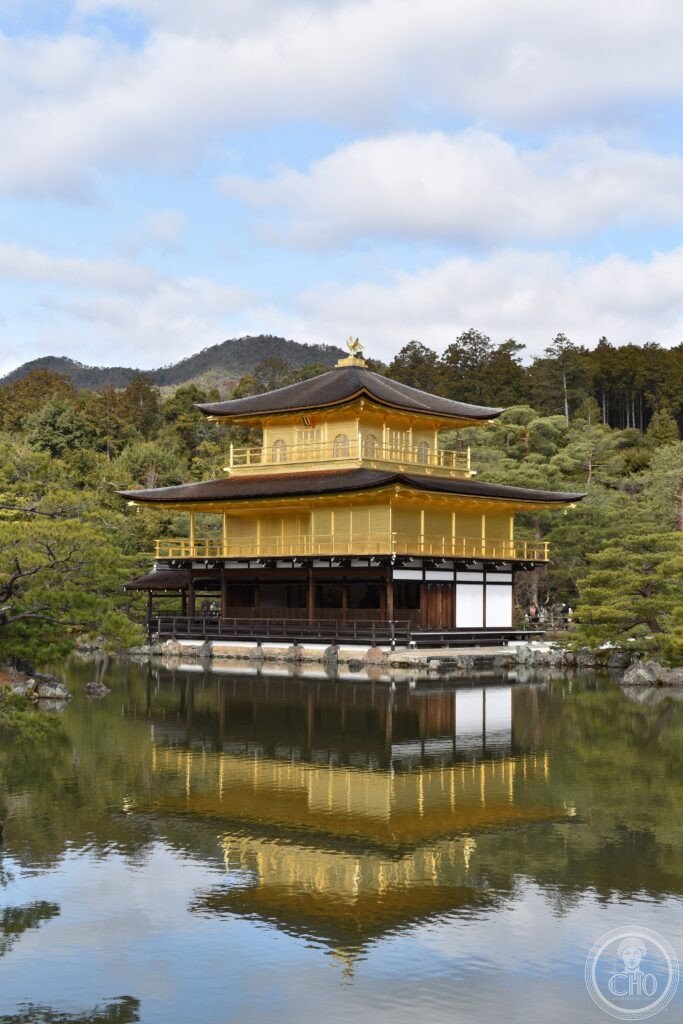
Kyoto Historic Monuments
The imperial capital of Japan for over a millennium and home to the finest collection of traditional Japanese architecture, gardens, and cultural heritage in existence — the Historic Monuments of Ancient Kyoto (Nishijin Ward, Kyoto Prefecture, Japan; UNESCO WHS 1994) encompasses 17 temple and shrine complexes dating from 794 to 1897 CE within Kyoto (capital from 794 to 1869 CE) and the neighboring cities of Uji and Otsu.
At a glance
Kyoto Historic Monuments (the most precisely KyotoJapan single Heian-kyo 794 CE Emperor Kammu capital moved Nara to Kyoto 1075 years imperial capital until 1869 CE Meiji restoration Tokyo capital 17 UNESCO WHS monuments temples shrines Kinkakuji Golden Pavilion 1397 CE Rokuon-ji rebuilt 1955 CE arson Mishima novel gold foil 20 kg exterior Fushimi Inari Taisha Shinto shrine 10000 torii gates vermilion orange mountain trail 4 km Inariyama Mountain Ryo-oan-ji zen rock garden 1499 CE 15 rocks exactly positioned visibility never all 15 simultaneously any viewpoint except 90 degree enlightened mind Nijo Castle 1603 CE Tokugawa Ieyasu nightingale floors Uguisubari tatami Ginkaku-ji Silver Pavilion 1482 CE never silver clad Katsura Imperial Villa 1615 1663 CE sukiya style tea ceremony garden classic Japanese garden Daitoku-ji Sanjusangendo 1001 Kannon Bosatsu statues warrior statues UNESCO heritage: the garden tradition (Kyoto contains the finest collection of traditional Japanese gardens in the world: the Ryoan-ji rock garden (1499 CE; 15 carefully placed rocks in raked white gravel; the most analyzed garden in the world; the 15 rocks are arranged so that you can never see all 15 simultaneously from any single viewpoint within the viewing veranda (you can always see 14 or fewer); the only way to see all 15 is from directly above (but that viewpoint doesn’t exist in the garden); the interpretation (the rocks represent: islands in the ocean? a tiger swimming across water? a Zen concept of incompleteness?; the origin of the garden is unknown (no documentary attribution dates to before 1680 CE, 180 years after the garden was supposedly built)); the Katsura Imperial Villa garden (1615-1663 CE; the sukiya-style villa and its stroll garden (kaiyushiki-teien); considered the finest example of classical Japanese garden design in the world; Bruno Taut (the German Bauhaus architect) visited in 1933 CE and declared Katsura “the perfection of art”; the villa influenced the International Style of modern architecture)) — the most precisely KyotoJapan single Heian-kyo 794 CE 1075 years imperial capital 17 UNESCO WHS monuments Kinkakuji 1397 CE rebuilt 1955 CE arson Mishima 20 kg gold foil Fushimi Inari Taisha 10000 torii gates Inariyama 4 km Ryoan-ji 1499 CE 15 rocks never all simultaneously visible Nijo Castle 1603 CE Tokugawa Ieyasu nightingale floors Ginkaku-ji 1482 CE Katsura Villa 1615 1663 CE sukiya Bruno Taut 1933 CE perfection art Daitoku-ji Sanjusangendo 1001 Kannon UNESCO heritage in any UNESCO world heritage site)).
Key facts
- The Fushimi Inari torii gates: the most precisely KyotoJapan single Fushimi Inari Taisha Shinto shrine 711 CE oldest shrines Kyoto south Inariyama Mountain 233m 10000 torii vermilion orange gates trail 4 km mountain summit donation companies individuals dedicate torii business success enterprise Inari god harvest industry commerce rice fox messenger kitsune businesses pray success donate torii 1 million yen 400000 small torii gate large 1.3 million medium year 30000 new donated UNESCO heritage — the defining visual experience in Kyoto: the Fushimi Inari-taisha (dedicated to Inari Ōkami, the Shinto god of harvest, rice, fertility, industry, and success in business); the 10,000+ torii gates (the most famous visual in Kyoto: the continuous tunnel of vermilion (orange-red) torii gates that covers the 4 km mountain trail up Inariyama (233m); each torii is dedicated by a company or individual praying to Inari for business success; the price ranges from approximately ¥400,000 (€2,400; small torii) to ¥1,300,000 (€7,800; large torii); approximately 30,000 new torii are dedicated per year; the oldest existing torii at Fushimi Inari dates to 1694 CE; the kitsune (fox) as Inari’s messenger (the fox sculptures throughout the shrine grounds, each holding an object: a scroll (wisdom), a key (to the rice granary), a sheaf of rice, or a jewel))
- GPS: 35.0116° N, 135.7681° E (Kyoto city center)
History
From Heian capital to samurai governance to modern cultural preservation (the most precisely KyotoJapan single 794 CE Emperor Kammu Heian-kyo new capital from Nara Buddhist monks political power move Kammu chose Kyoto Uda Daigo Ichijo Sanjo emperors Heian period 794 1185 CE Genji Monogatari Tale of Genji Murasaki Shikibu 1010 CE first novel world Kamakura 1185 1333 CE Minamoto Yoritomo Shogunate Kamakura samurai moved power Kyoto still ceremonial capital Muromachi 1338 1573 CE Ashikaga Shogunate moved back Kyoto Higashiyama culture 15th century CE Noh drama Zen gardens tea ceremony Ōnin War 1467 1477 CE 10 years Kyoto destroyed rebuilt 1568 CE Oda Nobunaga national unification Toyotomi Hideyoshi 1582 1598 CE Nijo Castle 1603 CE Tokugawa Ieyasu first unification Japan national peace Edo 1603 1868 CE Tokugawa Shogunate Edo Tokyo Kyoto still ceremonial Imperial capital Meiji 1868 CE Kyoto vs Tokyo debate capital move Meiji Emperor moved 1869 CE Tokyo Allied bombing World War II Secretary of War Henry Stimson removed Kyoto target list cultural significance 1944 CE UNESCO 1994 WHS heritage: the founding (794 CE: the Emperor Kammu moved the capital from Nara (where the Buddhist monks had grown too politically powerful for the emperor’s comfort) to Heian-kyō (Kyoto); the new capital was laid out in a Chinese grid pattern, modeled on Chang’an (the Tang Dynasty Chinese capital); 74 × 84 blocks on a north-south/east-west grid; the city was renamed Kyoto (“capital city”) in the 11th century CE; the saving of Kyoto from bombing in World War II (the US War Department originally designated Kyoto as one of the four target cities for the atomic bomb; Secretary of War Henry Stimson, who had visited Kyoto in 1929 CE on his honeymoon and was deeply affected by its beauty, personally argued to President Truman that Kyoto should be removed from the target list (1944 CE); Kyoto was removed; Nagasaki was added in its place)) — the most precisely KyotoJapan single 794 CE Emperor Kammu Heian-kyo Chinese grid Tang Chang-an Murasaki Shikibu Tale Genji 1010 CE first novel world Ashikaga Muromachi 1338 1573 CE Higashiyama culture Noh Zen tea Onin War 1467 1477 CE Tokugawa 1603 CE Nijo Castle national peace Meiji 1869 CE Tokyo capital Allied WWII Stimson removed atomic bomb target 1944 CE personal argument Truman Nagasaki added UNESCO 1994 heritage in any UNESCO world heritage site)).
What you see
The 17 UNESCO monuments and the classic Kyoto circuit (the most precisely KyotoJapan single Kinkakuji Golden Pavilion Rokuon-ji 1397 CE rebuilt 1955 CE arson 20 kg gold foil 3 storey Shinden Buke Zen pond reflection Kyoko-chi mirror pond Ryoan-ji 1499 CE zen rock garden 15 rocks raked gravel never all visible simultaneously Nijo Castle 1603 CE Tokugawa Ieyasu nightingale floors Uguisubari tatami Ninomaru Palace 33 rooms paintings Kano school gold leaf Ginkakuji Silver Pavilion Jisho-ji 1482 CE never silver clad Higashiyama culture moss zen garden Togetsu-kyo bridge Kinkaku-ji Fushimi Inari Taisha 10000 torii gates Inariyama 4 km Sanjusangendo Hall 1001 Kannon Bosatsu statues 1000 standing 1 central largest 24 National Treasures 80000 m2 Katsura Imperial Villa 1615 1663 CE sukiya-style finest classical garden UNESCO heritage: the one-week Kyoto circuit: the Golden Pavilion (Kinkaku-ji; the most-visited single monument; arrive 8 AM (opening time) or the queues become extreme by 10 AM; the gold pavilion reflected in the Mirror Pond)); the Ryoan-ji rock garden (the most analyzed 15 rocks in the world; 20 min is enough to see it all; the larger Ryoan-ji garden and Kyoyochi pond surround the rock garden); Nijo Castle (the Ninomaru Palace (33 rooms; the most complete surviving Tokugawa palace interior; the Kano school gold leaf paintings on the sliding screens; the nightingale floor (the squeaking tatami that alerted the castle guard to any intruder approaching the sleeping quarters)); Fushimi Inari-taisha (the most popular temple in Kyoto; the torii gates; the 4 km mountain trail (allow 2-3h for the full circuit); the fox statues); Katsura Imperial Villa (the finest classical Japanese garden in the world; requires advance booking through the Imperial Household Agency (free admission; limited to 200 visitors per day)))) — the most precisely KyotoJapan single Kinkakuji 1397 CE rebuilt 1955 CE 20 kg gold foil 3 storey Kyoko-chi pond Ryoan-ji 1499 CE 15 rocks never all visible raked gravel Nijo Castle 1603 CE nightingale floors Uguisubari 33 rooms Kano gold leaf Ginkakuji 1482 CE never silver Fushimi Inari 10000 torii Inariyama 4 km fox kitsune Sanjusangendo 1001 Kannon 24 National Treasures Katsura Villa 1615 1663 CE sukiya finest garden Imperial Household Agency 200 visitors per day UNESCO heritage in any UNESCO world heritage site)).
Practical information
- Getting there: fly to Osaka Kansai International Airport (KIX; 75 min from Kyoto by the Haruka Express (JR Haruka; approximately ¥3,440/€21); or Osaka Itami Airport (ITM; 50 min to Kyoto by limousine bus)); or from Tokyo by Shinkansen (the Nozomi Shinkansen (JR Central); Tokyo → Kyoto: 2h15m; ¥13,870/€84 non-reserved)); the Kyoto Bus Pass (a 1-day or 2-day bus pass (¥700/€4.25 per day) covers most of the temples and shrines within Kyoto city); the Kyoto city subway (2 lines (Karasuma and Tozai)); the best time (March-April (cherry blossom (sakura) season; approximately 1-2 weeks of peak bloom; the Kinkaku-ji and Maruyama Park are particularly spectacular); November (autumn leaves (momiji) season; the Arashiyama bamboo grove and the Tofuku-ji temple are the best locations); avoid Japanese Golden Week holidays (early May) and the Obon Festival (mid-August) when Kyoto is at maximum capacity))
Getting there
From Osaka KIX: Haruka Express 75 min, ¥3,440/€21. From Tokyo: Shinkansen Nozomi 2h15m, ¥13,870/€84. City bus pass ¥700/day. Best: March-April (cherry blossoms) or November (autumn leaves). Avoid Golden Week. GPS: 35.0116, 135.7681.
Nearby
- Nara — 45 min from Kyoto (UNESCO WHS 1998; the former capital of Japan (710-784 CE) before Kyoto; the Todai-ji temple (the Hall of the Great Buddha (Daibutsuden; the largest wooden building in the world (57m wide × 48m deep × 49m tall); the Great Buddha (Daibutsu; the 15m bronze Buddha cast 743-752 CE; the largest bronze statue in Japan; the largest bronze statue in the world at the time of its casting); the Nara Deer Park (the 1,200 semi-wild sika deer who roam freely through the Todai-ji grounds (the deer are considered sacred messengers of the Kasuga Shinto shrine))
- Arashiyama Bamboo Grove — 8 km west of central Kyoto (the 500m bamboo grove path at the base of the Arashiyama mountains; the Tenryu-ji Zen garden (1339 CE; the oldest surviving karesansui (dry landscape) garden in Kyoto; UNESCO WHS 1994); the Togetsukyo Bridge (the “Moon Crossing Bridge”; the wooden footbridge over the Oi River); the Monkey Park (300 wild Japanese macaques on Arashiyama Mountain))
Sources
- Wikipedia, Historic Monuments of Ancient Kyoto; Kinkaku-ji; Fushimi Inari-taisha; Ryoan-ji, accessed June 2026
- UNESCO, Historic Monuments of Ancient Kyoto (Kyoto, Uji and Otsu Cities), WHS reference 688, inscribed 1994
Find it on the map
See this place and what’s around it →📷 Diventa un fotografo di Cultural Heritage Online
Condividi le tue foto dei luoghi: restano pubblicate con la tua firma come autore. Più vengono viste, più ti fai conoscere — e presto un concorso premierà le foto più apprezzate.
Accedi o registrati gratis per aggiungere una foto