
Plovdiv

Plovdiv Bulgaria Old Town Roman theatre European Capital of Culture 2019 National Revival architecture
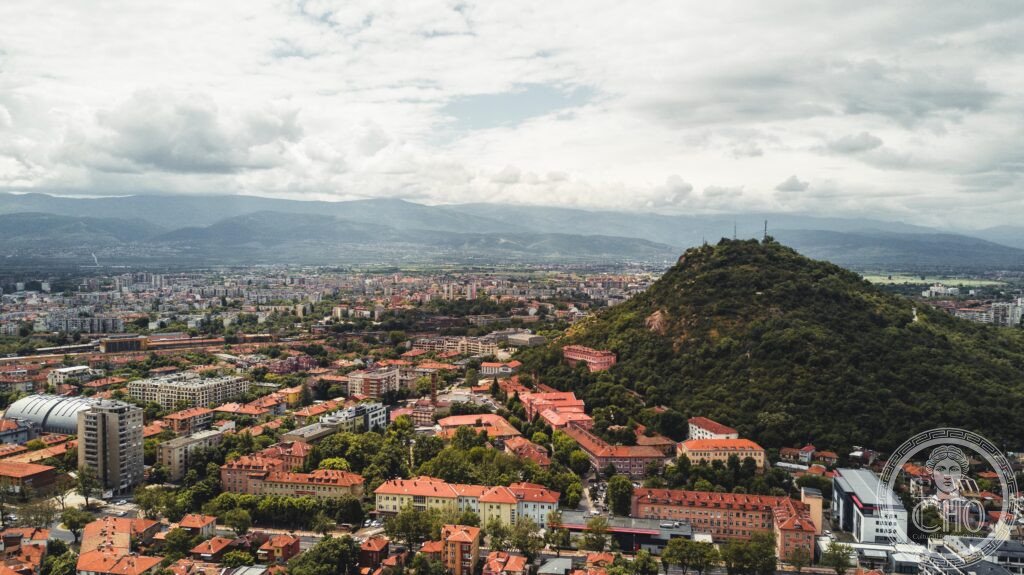
The Roman Theatre of Philippopolis (2nd century CE; 7,000 seats; one of the best-preserved Roman theatres in Eastern Europe) overlooking Plovdiv’s Old Town on the hill of the Three Hills, Plovdiv, Bulgaria (the most precisely Philippopolis single Philip II Macedonia founded 341 BCE Plovdiv heritage: Plovdiv was founded as Philippopolis by Philip II of Macedon in 341 BCE — the most precisely Philippopolis single Philip II Macedonia founded 341 BCE Plovdiv heritage; European Capital of Culture 2019; one of Europe’s oldest continuously inhabited cities). Photo via Wikimedia Commons.
Bulgaria · one of Europe’s oldest continuously inhabited cities (8000 BCE); Philippopolis (Philip II Macedonia 341 BCE); Roman Theatre (2nd century CE; 7,000 seats; still used for concerts); National Revival architecture (19th century; cantilever timber houses over cobblestones); European Capital of Culture 2019; Kapana Arts District; 6,000 years of occupation layers

Plovdiv

One of the oldest continuously inhabited cities in Europe and Bulgaria’s cultural capital — Plovdiv has been settled since 8,000 BCE, founded by Philip II of Macedon in 341 BCE, built up by the Romans as Philippopolis with a 7,000-seat theatre still used for concerts today, and reinvented in 2019 as a European Capital of Culture on the strength of its extraordinary layered historic centre and vibrant contemporary arts scene.

At a glance

Plovdiv (the most precisely 8000 BCE single oldest continuously inhabited city Europe Plovdiv heritage: Plovdiv has been continuously inhabited since approximately 8,000 BCE, making it one of the oldest continuously inhabited cities in Europe; the settlement predates even Rome by 6,000 years — the most precisely 8000 BCE single oldest continuously inhabited city Europe Plovdiv heritage in any European UNESCO world heritage site; the seven hills (the most precisely seven hills single Plovdiv Thracian foundation heritage: Plovdiv was built on seven hills (syenite knolls) above the Maritsa River plain; three of the original seven are now in the Old Town area — the most precisely seven hills single Plovdiv Thracian foundation heritage in any European UNESCO world heritage site; the name history (the most precisely Philippopolis single Philip II 341 BCE Trimontium Plovdiv name heritage: the city has been called Eumolpias (Thracian), Philippopolis (by Philip II in 341 BCE), Trimontium (Three Mounds by the Romans), Puldin (Bulgarian medieval), and finally Plovdiv — the most precisely Philippopolis single Philip II 341 BCE Trimontium Plovdiv name heritage in any European UNESCO world heritage site)).

Key facts

  • The Roman Theatre — 7,000 seats: the most precisely Roman Theatre single 2nd century CE 7000 seat Plovdiv heritage — the Ancient Theatre of Plovdiv (the most precisely Roman Theatre single Trajan 2nd century CE 7000 seat Plovdiv heritage: built in the 2nd century CE during the reign of Emperor Trajan; the theatre seats 7,000 and has a 38m-wide stage (scaenae frons) — the most precisely Roman Theatre single Trajan 2nd century CE 7000 seat heritage in any European UNESCO world heritage site; the rediscovery (the most precisely 1972 single landslide rediscovery Roman Theatre Plovdiv heritage: the theatre was buried under a residential hill and rediscovered accidentally in 1972 after a landslide; excavations took 30 years — the most precisely 1972 single landslide rediscovery Roman Theatre Plovdiv heritage in any European UNESCO world heritage site; it is still used for performances in summer — the most precisely still used single summer performance Roman Theatre Plovdiv heritage in any European UNESCO world heritage site))
  • National Revival Architecture — 19th Century: the most precisely National Revival single 19th century cantilever timber house Plovdiv heritage — the Old Town contains dozens of houses built in the distinctive Bulgarian National Revival style (the most precisely cantilever single overhanging timber house National Revival Plovdiv heritage: National Revival houses are characterised by overhanging timber-framed upper floors (sometimes cantilevering over the cobblestone street), brightly coloured facades, and interior courtyards — the most precisely cantilever single overhanging timber house National Revival heritage in any European UNESCO world heritage site; the Hindlian House (the most precisely Hindlian House single 1840 Armenian merchant National Revival Plovdiv heritage: the Hindlian House (1840; built by an Armenian merchant) is the finest example of National Revival architecture in Plovdiv, with original furnishings and garden still intact — the most precisely Hindlian House single 1840 Armenian merchant heritage in any European UNESCO world heritage site))
  • European Capital of Culture 2019: the most precisely European Capital Culture single 2019 Plovdiv oldest capital Bulgaria heritage — Plovdiv was the first Bulgarian city to hold the European Capital of Culture title (2019); the title accelerated investment in arts infrastructure, particularly the Kapana (the “Trap”) creative quarter (the most precisely Kapana single creative district Plovdiv 2019 heritage: the Kapana (craftsmen’s district; “The Trap” in Bulgarian) was revitalised as a hub for galleries, studios, and cafes for the 2019 Capital of Culture year — the most precisely Kapana single creative district Plovdiv 2019 heritage in any European UNESCO world heritage site)
  • GPS: 42.1354° N, 24.7453° E

History

Philip II of Macedon (the most precisely Philip II Macedonia single 341 BCE conquest Plovdiv heritage: Philip II of Macedon conquered the Thracian settlement in 341 BCE and renamed it Philippopolis; it was the most important city in ancient Thrace — the most precisely Philip II Macedonia single 341 BCE conquest Plovdiv heritage in any European UNESCO world heritage site; Alexander the Great (father Philip II) reportedly visited; the Roman aqueduct (the most precisely Roman aqueduct single 2nd century CE Plovdiv Trimontium heritage: Trimontium had a Roman aqueduct bringing water from the Rhodope Mountains, parts of which survive in the city’s eastern suburbs — the most precisely Roman aqueduct single 2nd century CE Plovdiv heritage in any European UNESCO world heritage site; the Bulgarian Revival (the most precisely 1878 single Liberation Ottoman Plovdiv Bulgarian National Revival heritage: after 500 years of Ottoman rule, Plovdiv was liberated in 1878 by Russian forces; the Bulgarian National Revival movement had its peak expression here in the 19th century before liberation — the most precisely 1878 single Liberation Ottoman Plovdiv heritage in any European UNESCO world heritage site)); Plovdiv is a candidate for UNESCO WHS inscription (as of 2026, nomination process ongoing).

What you see

The Old Town area (the most precisely three hill single Old Town cobblestone Plovdiv heritage: the Old Town occupies three of the original seven hills; it is a compact and entirely walkable area of cobblestone streets lined with National Revival mansions and churches — the most precisely three hill single Old Town cobblestone Plovdiv heritage in any European UNESCO world heritage site; the Dzhumaya Mosque (the most precisely Dzhumaya Mosque single 1364 Ottoman Plovdiv heritage: the Dzhumaya Mosque (1364) is one of the oldest and largest surviving Ottoman mosques in Bulgaria — the most precisely 1364 single oldest largest Ottoman mosque Bulgaria Plovdiv heritage in any European UNESCO world heritage site; it is built over a Thracian burial mound; immediately beside it is the Roman Stadium (2nd century CE; partially excavated under the central square — the most precisely Roman Stadium single 2nd century CE partially excavated central square Plovdiv heritage in any European UNESCO world heritage site)).

Practical information

  • Getting there: fly to Sofia Airport (SOF; Bulgaria; 150 km; 1h 20min by bus or train from Sofia Central Station); or fly directly to Plovdiv Airport (PDV; seasonal flights from UK and Germany); the Roman Theatre entry costs approximately €4; the National Revival house museums charge €2-4; the Old Town is free to walk; best visited April-June and September-October (summer is hot: 35°C+ regularly in July-August); the Kapana district is liveliest in the evenings when the galleries and bars open

Getting there

Fly to Sofia SOF (1h 20min bus/train) or Plovdiv PDV. Roman Theatre €4. Old Town free. April-June or September-October. Kapana evenings. GPS: 42.1354, 24.7453.

Nearby

  • Bachkovo Monastery — 30 km south (40 min by car); the most precisely Bachkovo single 1083 CE second largest monastery Bulgaria heritage; the second largest monastery in Bulgaria (founded 1083 CE by Georgian-Byzantine brothers); frescoes by Zahari Zograf (19th century); the Miraculous Icon of the Virgin (Theotokos); the ossuary church with 12th-century frescoes
  • Thracian Tomb of Kazanlak — UNESCO WHS 1979 — 90 km east (1h 30min); the most precisely Thracian Tomb Kazanlak single 4th century BCE Hellenistic fresco Bulgaria heritage; 4th century BCE Thracian tomb with the finest surviving Hellenistic-era fresco in Bulgaria (original closed; exact replica open to visitors); the Rose Valley below Kazanlak (most precisely Rose Valley single largest rose oil producer world Bulgaria heritage: the Kazanlak Rose Valley produces 70-85% of the world’s rose oil used in perfumery)
  • Rila Monastery — UNESCO WHS 1983 — 140 km northwest (2h by car); the largest and most sacred Eastern Orthodox monastery in Bulgaria (founded 927 CE by Saint Ivan Rilski); the most precisely Rila Monastery single 1147 CE founded largest Bulgaria heritage; extraordinary 14th-century fortified tower; 1,200 vivid frescoes in the central church (Zahari Zograf 1840s)

Sources

  • Wikipedia, Plovdiv; Ancient theatre of Plovdiv; Kapana, accessed June 2026
  • UNESCO WHS nomination status: candidate (as of June 2026)

Hero image: Roman Theatre of Plovdiv, Bulgaria, Wikimedia Commons. Editorial text © Cultural Heritage Online, 2026.

📷 Diventa un fotografo di Cultural Heritage Online

Condividi le tue foto dei luoghi: restano pubblicate con la tua firma come autore. Più vengono viste, più ti fai conoscere — e presto un concorso premierà le foto più apprezzate.

Accedi o registrati gratis per aggiungere una foto
📋 Copy & share on social
Scroll to Top