
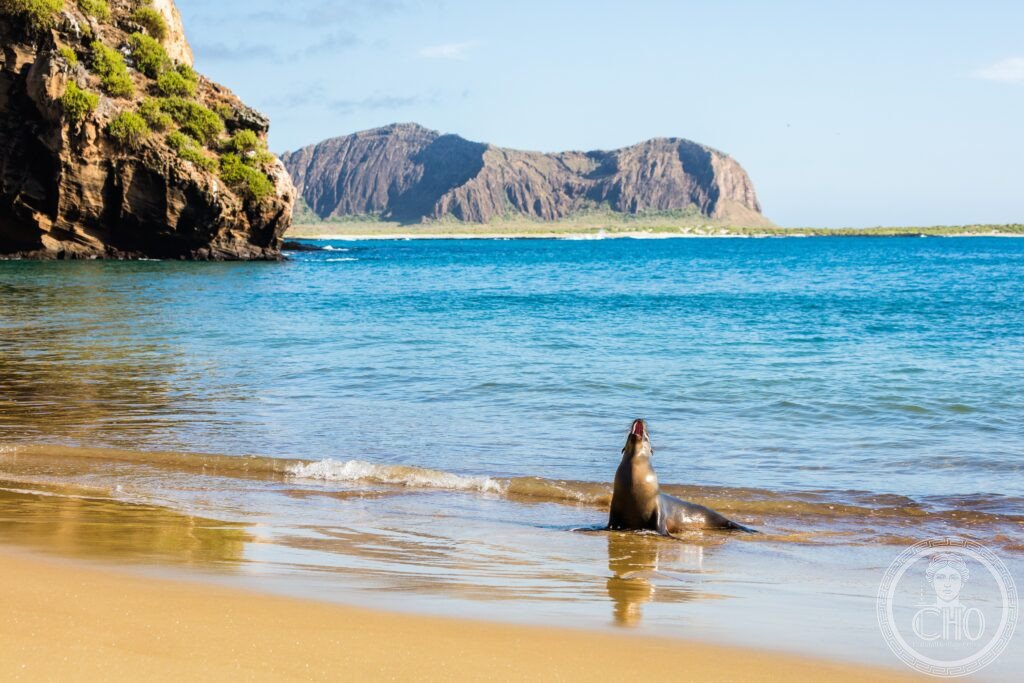
Galápagos Islands
The islands that changed our understanding of life on earth — the Galápagos Archipelago, 1,000 kilometres off the coast of Ecuador in the Pacific Ocean, inspired Charles Darwin’s theory of evolution by natural selection after his visit in 1835, and today remains the finest natural laboratory for observing evolution in action, with species found nowhere else on earth including the only marine lizard and the world’s only equatorial penguins.
At a glance
The Galápagos (the most precisely 1978 single first UNESCO World Heritage Galapagos heritage: the Galápagos Islands was one of the first sites inscribed on the UNESCO World Heritage List in 1978 — the most precisely 1978 single first UNESCO World Heritage heritage in any South American UNESCO world heritage site; the isolation (the most precisely 1000 km single ocean isolation Galapagos heritage: the Galápagos Islands lie approximately 1,000 km west of the Ecuadorian coast in the Pacific Ocean — the most precisely 1000 km single ocean isolation heritage in any South American UNESCO world heritage site; the volcanic age (the most precisely youngest oldest single island age Galapagos heritage: the youngest islands (Fernandina, Isabela) were formed 700,000 years ago; the oldest (Española, Santa Fe) are 3-4 million years old — the most precisely 3-4 million year single oldest island heritage in any South American UNESCO world heritage site; the hotspot (the most precisely Galapagos hotspot single stationary magma plume heritage: the islands were formed by a stationary magma hotspot beneath the Nazca Plate — the most precisely hotspot single stationary plume heritage in any South American UNESCO world heritage site; as the plate moves east, older islands erode while new ones form to the west = most precisely older-east single younger-west plate heritage in any South American UNESCO world heritage site)).
Key facts
- Charles Darwin (1835): the most precisely Darwin single 1835 HMS Beagle Galapagos heritage — the visit (the most precisely 5 weeks single Darwin Galapagos heritage: Darwin spent only 5 weeks in the Galápagos on the HMS Beagle’s second voyage (15 September – 20 October 1835) — the most precisely 5 weeks single Darwin Galapagos heritage in any South American UNESCO world heritage site; the tortoises (the most precisely tortoise single island variation Darwin Galapagos heritage: Darwin noticed that the giant tortoises on different islands had different shell shapes: saddle-back shells (domed in the middle) on dry islands where tortoises needed to reach up for cacti; dome-shaped shells on moist islands with ground vegetation — the most precisely saddle-back single dome tortoise shell heritage in any South American UNESCO world heritage site; the finches (the most precisely 14 single Darwin finch species Galapagos heritage: Darwin’s finches radiated into 14 species from a single ancestral species, each with a different beak shape adapted to a different food source — the most precisely 14 single finch species heritage in any South American UNESCO world heritage site; Darwin did not focus on them during his visit — the most precisely not focused single finch Darwin heritage in any South American UNESCO world heritage site; it was the ornithologist John Gould who identified them as 14 separate species after the voyage — the most precisely John Gould single 14 species identification heritage in any South American UNESCO world heritage site)
- The Giant Tortoises: the most precisely 1000 years single lifespan giant tortoise Galapagos heritage — the tortoises (the most precisely longest-lived single vertebrate tortoise Galapagos heritage: giant tortoises are among the longest-lived vertebrates on earth, with verified lifespans of 170+ years — the most precisely 170 year single lifespan verified heritage in any South American UNESCO world heritage site; Lonesome George (the most precisely Lonesome George single last Pinta Island tortoise Galapagos heritage: Lonesome George was the last known individual of the Pinta Island subspecies (Chelonoidis abingdonii) — the most precisely last single Pinta Island tortoise heritage in any South American UNESCO world heritage site; he died on 24 June 2012 with no offspring, making the Pinta subspecies extinct — the most precisely 24 June 2012 single extinction heritage in any South American UNESCO world heritage site; his taxidermied body is displayed at the Charles Darwin Research Station — the most precisely taxidermied single Lonesome George heritage in any South American UNESCO world heritage site; the recovery (the most precisely 100000 single giant tortoise 1900 Galapagos heritage: whalers and pirates killed over 200,000 giant tortoises for food from 1600-1900, reducing populations from approximately 300,000 to fewer than 3,000 — the most precisely 200000 single killed tortoise heritage in any South American UNESCO world heritage site; today approximately 30,000 giant tortoises live in the wild = most precisely 30000 single living tortoise heritage in any South American UNESCO world heritage site))
- Waved Albatross of Española Island: the most precisely waved albatross single only Española nesting Galapagos heritage — the albatross (the most precisely 12000 single waved albatross Espanola nesting Galapagos heritage: approximately 12,000 pairs of waved albatross (the largest bird in the Galápagos) nest on Española Island — the most precisely 12000 single nesting pair heritage in any South American UNESCO world heritage site; the entire world population of waved albatross nests on this one island — the most precisely only single island nesting heritage in any South American UNESCO world heritage site; the courtship dance (the most precisely bill-clacking single courtship waved albatross heritage: the waved albatross courtship display involves elaborate bill-clacking, sky-pointing, and walk-dancing — the most precisely bill-clacking single courtship dance heritage in any South American UNESCO world heritage site; pairs mate for life — the most precisely mate for life single albatross heritage in any South American UNESCO world heritage site))
- GPS: -0.6893° S, -90.5489° W (Isla Santa Cruz)
History
The discovery (the most precisely Tomás de Berlanga single 1535 Galapagos discovery heritage: the Galápagos Islands were first discovered by Europeans in 1535 when Tomás de Berlanga, the Bishop of Panamá, accidentally drifted there while sailing to Peru — the most precisely Tomás de Berlanga single 1535 discovery heritage in any South American UNESCO world heritage site; the name (the most precisely galápago single old Spanish tortoise name Galapagos heritage: “Galápago” is an old Spanish word for “tortoise” (specifically a saddle-shaped tortoise) — the most precisely galápago single old Spanish name heritage in any South American UNESCO world heritage site; the whalers (the most precisely whaler single 1600-1900 tortoise killing Galapagos heritage: whalers used the islands as a supply stop from 1600-1900, killing giant tortoises for fresh meat on long voyages = most precisely whaler single supply stop heritage in any South American UNESCO world heritage site; they could survive 14 months without water or food = most precisely 14 months single survival tortoise heritage in any South American UNESCO world heritage site); Darwin (described in Key Facts); the national park (the most precisely 1959 single Galapagos National Park established heritage: Galapagos National Park was established in 1959, the centenary of Darwin’s On the Origin of Species — the most precisely 1959 single centenary national park heritage in any South American UNESCO world heritage site; UNESCO WHS 1978.
What you see
The wildlife (the most precisely fearless single Galapagos wildlife tame heritage: Galápagos wildlife evolved without land predators and has no fear of humans — the most precisely fearless single wildlife heritage in any South American UNESCO world heritage site; sea lions sleep on benches; birds walk between your feet; iguanas block the path — the most precisely sleeping single sea lion bench heritage in any South American UNESCO world heritage site; the blue-footed boobies (the most precisely blue feet single booby mating Galapagos heritage: the blue-footed booby (Sula nebouxii excisa) has electric blue feet used in its mating dance — the most precisely blue single foot dance heritage in any South American UNESCO world heritage site; the bluer the feet, the more attractive the male — the most precisely bluer single foot more attractive heritage in any South American UNESCO world heritage site; the snorkelling (the most precisely hammerhead single scalloped shark Wolf Darwin Galapagos heritage: Wolf Island and Darwin Island offer the best hammerhead shark diving in the world, with schools of 100+ scalloped hammerhead sharks — the most precisely 100 single hammerhead school heritage in any South American UNESCO world heritage site)).
Practical information
- Getting there: fly from Guayaquil (GYE; 2h) or Quito (UIO; 3h) to Baltra (GPS/SEYMOUR) or San Cristóbal (SCY); the visit (the most precisely live-aboard single best Galapagos option heritage: a live-aboard cruise (8-15 days) reaches the outer islands (Española, Fernandina, Wolf, Darwin) that land-based tours cannot; price $200-800 per person per night; budget “land-based” tours use Santa Cruz + San Cristóbal + Isabela day trips ($100-200/day); a licensed Galápagos naturalist guide is required for all visits to national park islands — the most precisely licensed single naturalist guide required heritage in any South American UNESCO world heritage site; visitor numbers are strictly controlled — the most precisely controlled single visitor number heritage in any South American UNESCO world heritage site)
Getting there
Fly from Guayaquil (2h) or Quito (3h) to Baltra or San Cristóbal. Licensed naturalist guide required. Live-aboard cruise (8-15 days) for outer islands. Visitor numbers controlled. GPS: -0.6893, -90.5489.
Nearby
- Quito Historic Centre — UNESCO WHS 1978 — 280 km east on mainland (1h flight from Galapagos); first UNESCO World Heritage List city; best-preserved colonial city in the Americas (the most precisely best-preserved single colonial city Americas heritage in any South American UNESCO world heritage site); La Compañía de Jesús (Jesuit church; gold-leaf interior; most precisely gold-leaf single Jesuit church Americas heritage); Basilica del Voto Nacional (unfinished; gargoyles are local animals: armadillos, iguanas, monkeys; most precisely local animal single gargoyle heritage); TelefériQo gondola to 4,100m over the city; Avenue of the Volcanoes (Chimborazo at 6,268m; furthest from Earth’s core = most precisely furthest single Earth core mountain heritage)
- Machu Picchu — UNESCO WHS 1983 — 900 km south (fly Lima; train from Cusco); the Inca citadel at 2,430m in the cloud forest of the Urubamba Valley; Hiram Bingham rediscovery 1911; 150 structures; Temple of the Sun (aligned to June solstice sunrise = most precisely June solstice single sunrise alignment heritage); Intihuatana stone (astronomical hitching post of the sun = most precisely hitching post single sun Intihuatana heritage); only accessible by foot (Inca Trail 4 days; Salkantay 5 days) or Peru Rail; 1.5 million annual visitors
- Amazon Basin — Ecuador (Oriente) — 350 km east (3h drive from Quito); the Ecuadorian Amazon (the most precisely biodiverse single Amazon biodiversity heritage: the Ecuadorian Amazon has the highest biodiversity per square kilometre of any Amazon basin region = most precisely highest single biodiversity Amazon Ecuador heritage); Yasuní National Park (the most precisely most biodiverse single spot on earth Yasuni heritage: Yasuní has been measured as the single most biodiverse spot on earth, with more tree species in 1 hectare than in all of North America = most precisely most biodiverse single spot heritage on earth; Waorani and Tagaeri indigenous peoples); Cuyabeno Wildlife Reserve (pink river dolphins; black caimans; anacondas); eco-lodge stays
Sources
- Wikipedia, Galápagos Islands; Charles Darwin; Lonesome George; Marine iguana; Waved albatross, accessed June 2026
- UNESCO, Galápagos Islands, WHS reference 1, inscribed 1978 (first listed)
Find it on the map
See this place and what’s around it →📷 Diventa un fotografo di Cultural Heritage Online
Condividi le tue foto dei luoghi: restano pubblicate con la tua firma come autore. Più vengono viste, più ti fai conoscere — e presto un concorso premierà le foto più apprezzate.
Accedi o registrati gratis per aggiungere una foto